Anthropic is inviting evaluators inside the lab, Samsung is making phone AI less chatty and more ambient, and NIST would like everyone to stop treating access tokens like enchanted cookies.
A redesign can preserve the useful weight of an old publication without preserving every old decision. The trick is treating the archive as material, not baggage.
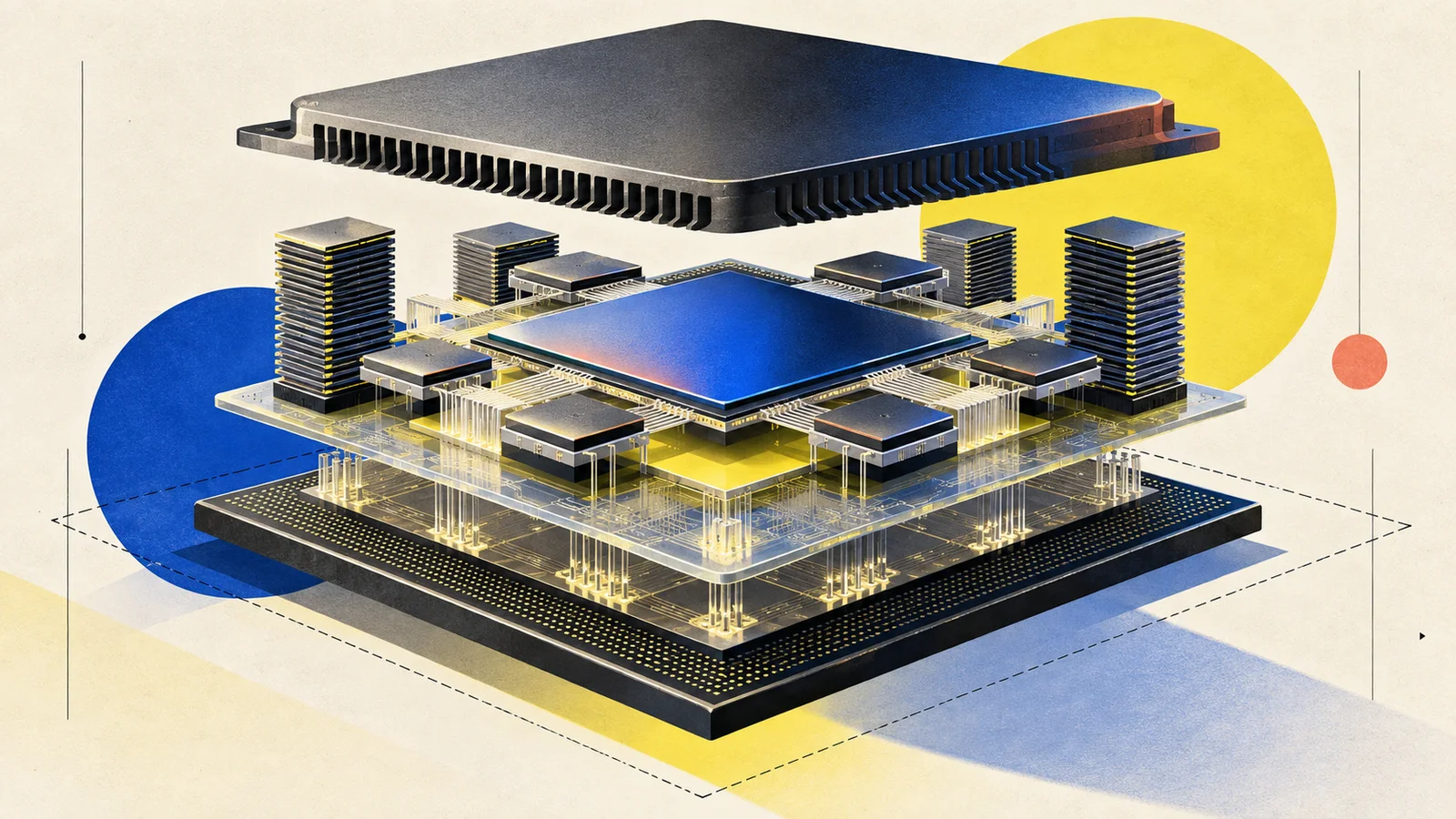
The next AI-chip bottleneck is not only transistor size. It is finding enough room to connect giant processors, memory towers, and the tiny bridges between them.
Cloud gaming keeps advertising graphical muscle, but its most persuasive feature may be much simpler: press play now and let somebody else babysit the download.
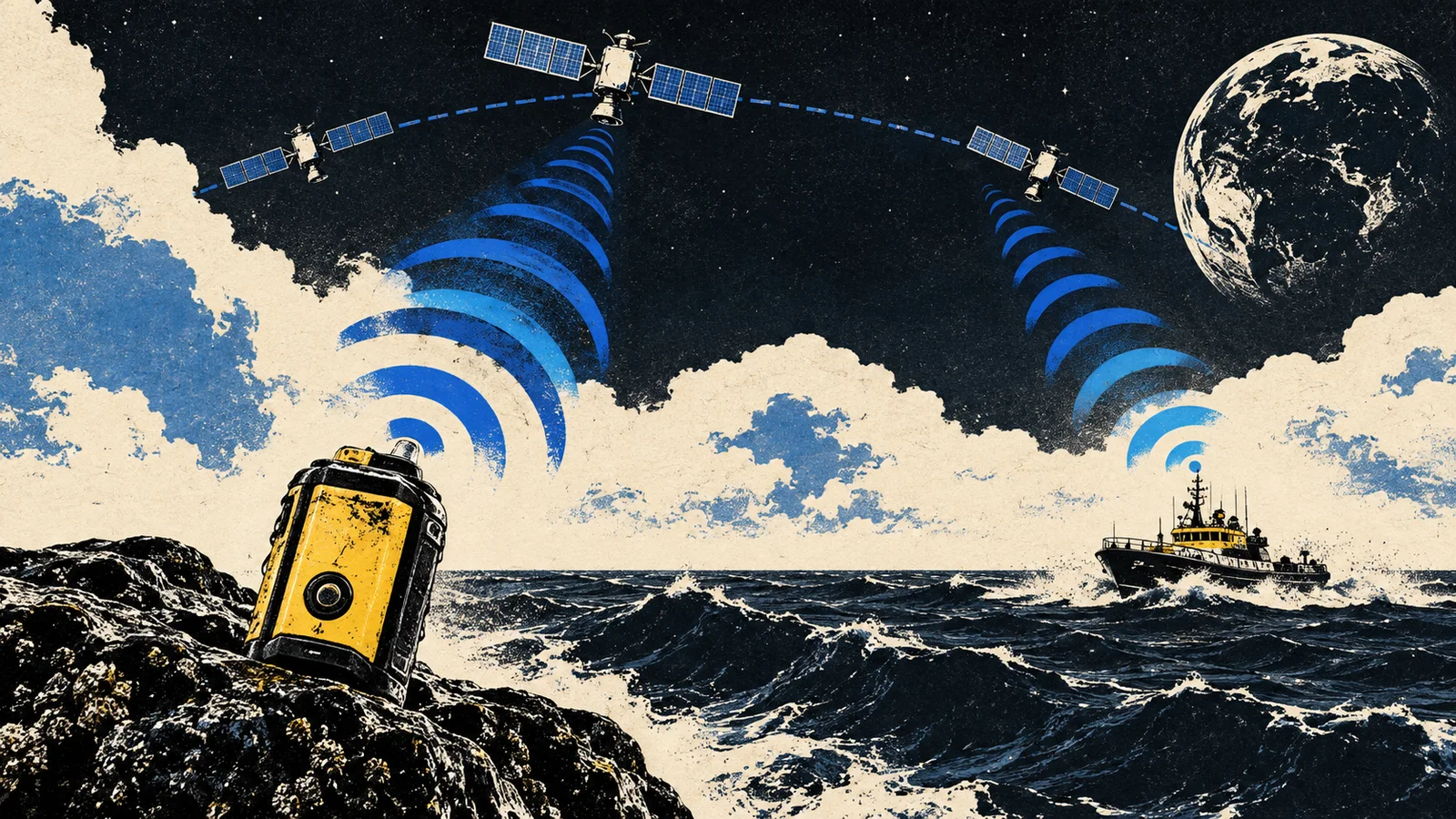
Five people, a sinking boat, no cellular service, and one purpose-built distress beacon make a strong case for technology designed to do exactly one job.
OpenAI’s Agents API turns the Codex execution harness into infrastructure for long-running agents. The model was only the beginning; now it gets a workshop.
OpenAI rebuilt a massive storage-routing layer in Rust. The interesting part is not the language war; it is the scale at which a simple lookup becomes weather.
The latest smart-home pitch is refreshingly practical: fewer programs, fewer decisions, and a robot that knows the difference between grass and trouble.
IFA’s creator program, concerts, and live podcasts reveal a technology business increasingly built around communities rather than specification sheets.
I wasn’t planning to buy another laptop this year — until I found a $540 Dell Precision with a Xeon processor and pro-grade GPU. After using it, I’m convinced most people are overpaying for new laptops in 2026.
Growing up with Minecraft and returning to it in 2026 feels surprisingly meaningful. As I build a new server and share the game with my 3-year-old son, I’m enjoying Minecraft more than ever.
Snap’s latest layoffs are a tough reminder that even one of social media’s few truly different platforms is still struggling to turn relevance into real profit. As Snap cuts jobs, leans harder into AI, and chases profitability, it raises a bigger question: how many real social media options do we actually have left?
I’ve spent years bouncing between Mac, Windows, and Linux, but this year Linux finally did something it had never really done before: it clicked. After months of daily use on the right hardware, I found myself genuinely missing its simplicity, speed, and freedom, even after going back to macOS.
TechInform now has a sister site: UFOInform.us. Built on the same new backend platform, UFOInform lets me explore a lifelong interest in UFOs and the paranormal without taking anything away from TechInform — and if anything, it should only make both sites better.
The White House’s new AI framework makes a surprisingly smart case for balancing safety and speed. America absolutely needs AI laws, but it also can’t afford to tie its own hands while rival nations push forward.
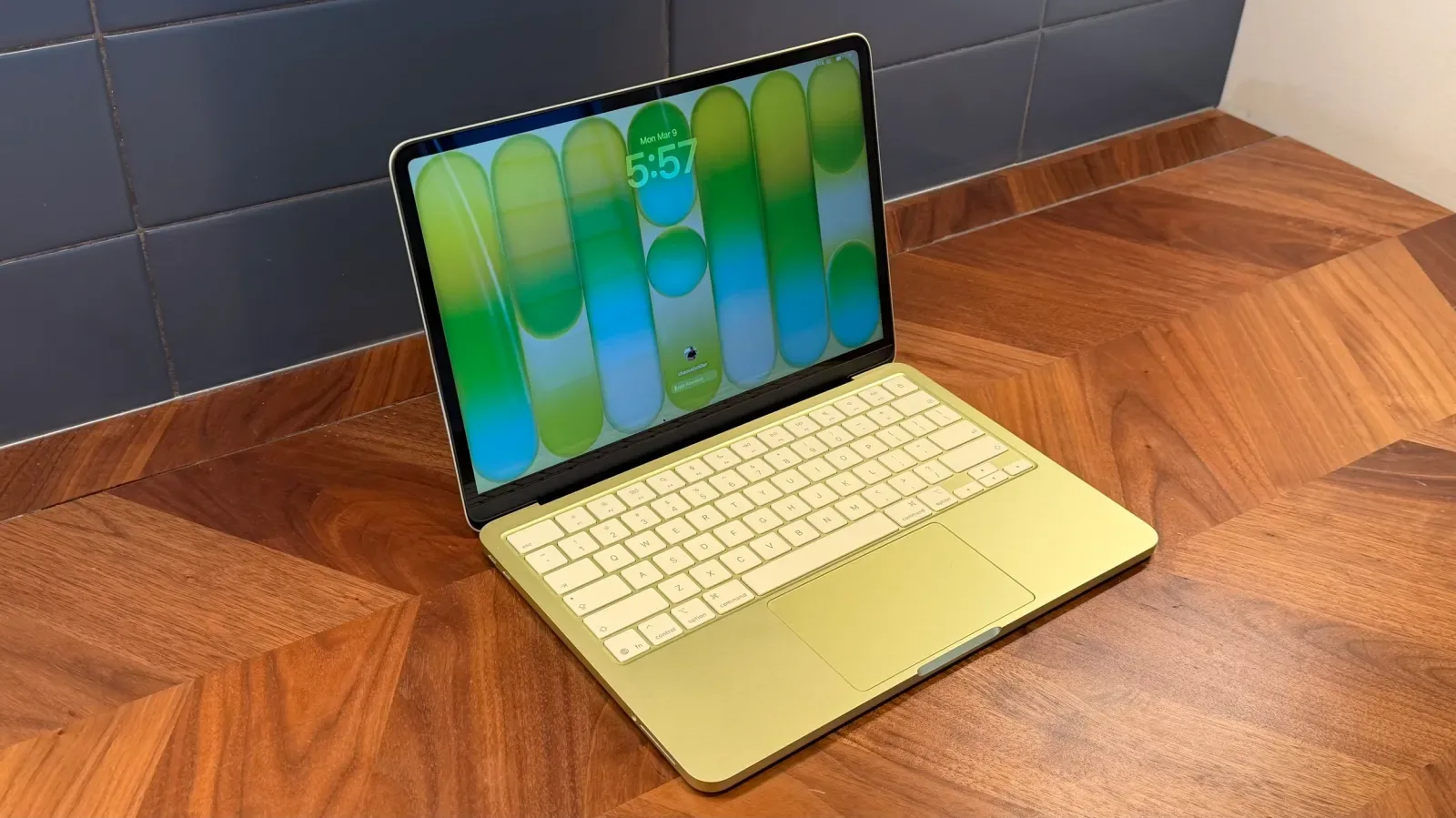
I’ve loved using the MacBook Neo so far, but one issue keeps getting in the way: popping and clicking sounds over USB audio, especially under heavier load. I’m convinced this is a software problem Apple can fix, but it’s still worth calling out before it pushes more users to return an otherwise great laptop.
Between AI overload, feature bloat, and a growing sense that Windows no longer feels like your computer, more users are looking elsewhere. And with cheaper Macs and better Linux options, Microsoft may be pushing people out faster than it realizes.
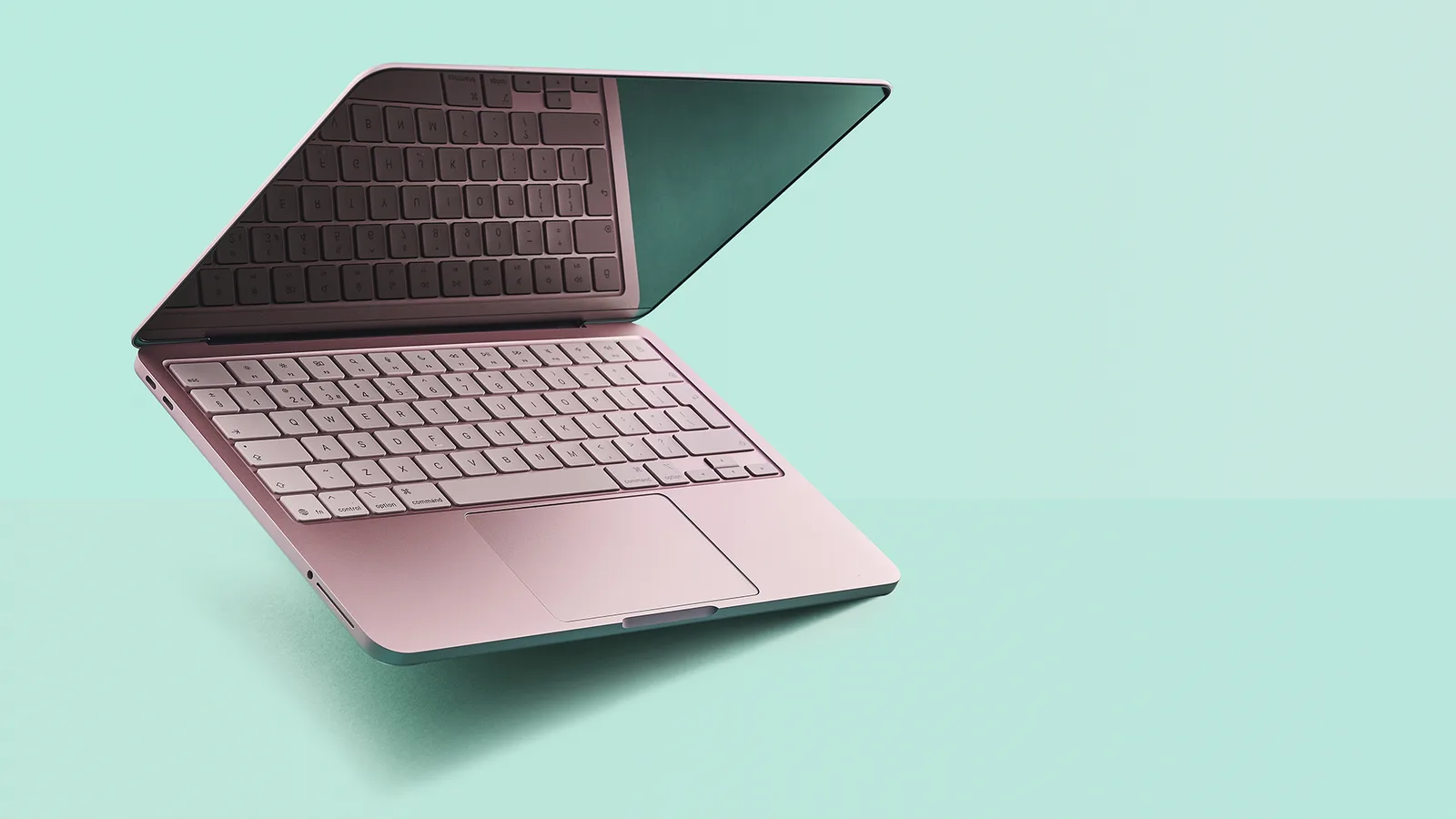
Four days into using the MacBook Neo, I’m more convinced than ever that a lot of people judged this laptop without understanding it. The A18 Pro is far more capable than expected, the 8GB of RAM has held up surprisingly well, and in real use, this feels like a serious computer, not some cheap Chromebook-style compromise.
I got the MacBook Neo on launch day, and after actually using it, I’m convinced a lot of reviewers judged it by the wrong standard. It’s not perfect, but for $600, the Neo feels shockingly premium, fast for everyday use, and far better than the internet has been giving it credit for.
The MacBook Neo isn’t perfect, but at $599, it doesn’t need to be. Too many reviewers are judging it like a budget MacBook Pro, when it’s really a smart, focused laptop for normal people who just want a fast, reliable computer.
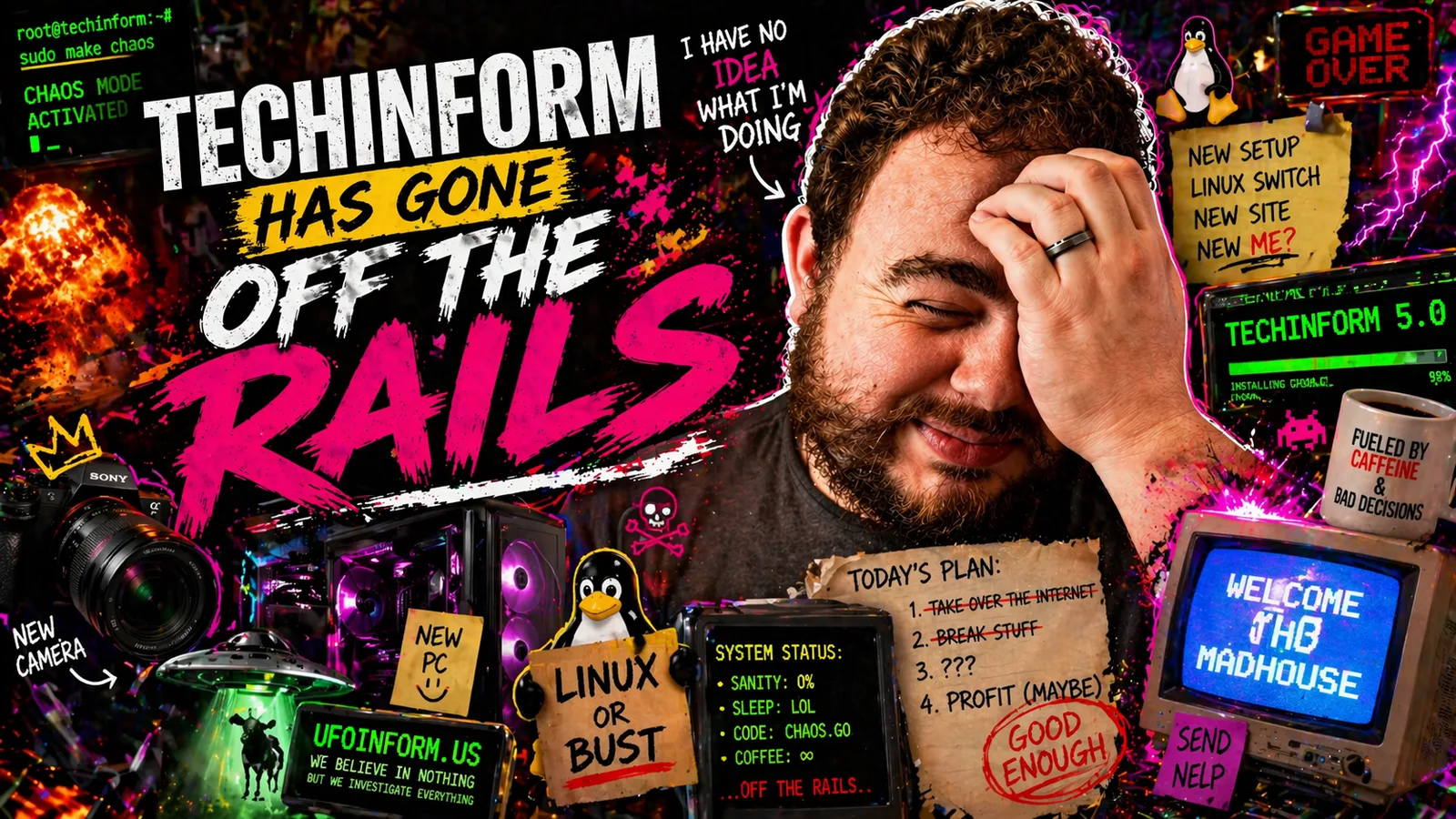
TechInform is back. After nearly 16 years of highs, lows, revivals, and long quiet stretches, TechInform 5.0 marks a brand-new chapter with a custom-built website, a fresh direction, and big plans for the future. With video content on the way and exciting tech like the MacBook Neo already lined up, 2026 is shaping up to be a huge year.
Apple wrapped up its big announcement week with updates across the iPhone, iPad, Mac, and display lineup, but for me, the MacBook Neo is the most interesting product of the bunch. While it’s already getting some hate online, I think it could end up being a great option for normal people who just want an affordable, capable laptop for everyday tasks.
SatBench is the weather and satellite side project I’ve been building over the last six months while TechInform was quiet. It pulls together local weather data, real satellite imagery, and a custom self-hosted interface into one platform that feels more like a personal weather portal than a basic weather site.
We’re kicking things off with a live show where we’ll dive into the latest in tech, geek culture, and maybe even a few surprises. From iPhones to UFOs, nothing is off the table here at TechInform.