Norway's government says it will ask parliament to temporarily ban the use of AI glasses in selected places, including spaces where children gather and settings where privacy is especially important. The October 5 announcement is a proposal, not a law already in force. Its significance is that Norway is trying to set boundaries for wearable cameras before their use becomes ordinary enough to make silent recording difficult to challenge.
The proposed map is deliberately broad
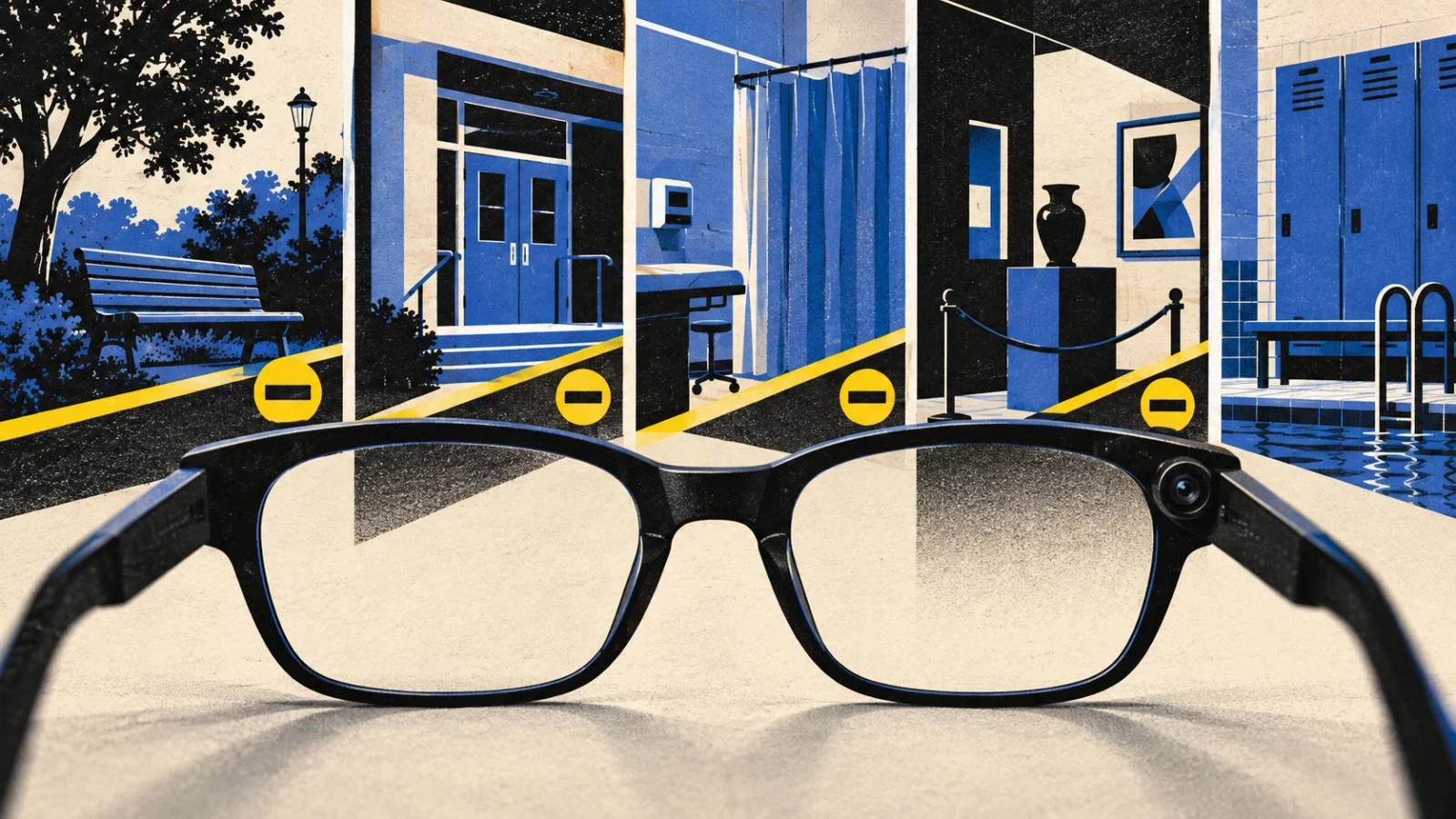
The government lists parks, beaches, museums, shopping centers, public events, schools, kindergartens, playgrounds and youth clubs as possible covered locations. It is also considering universities and colleges. Healthcare facilities, swimming pools, gyms, changing rooms and showers are cited as places where privacy may deserve particular protection.
That is a starting list, not a finalized map. The Digitalisation and Public Governance Ministry says it still must determine which technology a ban would cover: glasses with cameras and audio recording, devices that combine those sensors with AI, or a wider class of body-worn technology. The government says it will send legislation to the Storting as soon as possible but gives no date for introduction, debate or commencement.
The proposal is not a total ban. Private use and use in places where other people are not likely to be recorded without consent would remain possible. The government also plans exceptions for vulnerable groups and narrowly defined socially beneficial uses. An expert group will examine wearable technology and advise on permanent national regulation while the temporary rules are developed.
A recording light does not settle consent
The Associated Press reports that camera-equipped glasses can take photographs, record conversations or stream video while looking much like ordinary eyewear. Meta says its glasses display a light while recording and disable the camera if tampering blocks that indicator. It also tells wearers to respect people's preferences and stop recording when asked.
Those measures are relevant, but an indicator is not the same thing as informed consent. A bystander must notice the light, understand what it means and have a realistic opportunity to object. That is particularly difficult in a crowd, around children or in a situation where leaving is costly. Conversely, the presence of a camera does not prove that it is recording, uploading footage or running AI analysis at a given moment.
AP notes that the issue is already producing different responses elsewhere. A Dutch eyewear retailer has suspended sales of Ray-Ban Meta glasses while debate continues, and the UK Cinema Association introduced policies restricting camera-enabled smart glasses over privacy and piracy concerns. California's governor recently vetoed legislation that would have penalized nonconsensual recording with smart glasses in places generally regarded as private. Those examples show regulatory movement, not a settled international rule.
TINA's view: regulate the act and the setting
TINA's view: Norway is right to treat face-worn cameras as a distinct social problem, but the durable rule should focus on what a device can do, what it is doing and where—not whether a manufacturer markets it as "AI glasses." A product label is easy to change. Recording in a changing room, clinic or school remains sensitive whether the glasses summarize the footage, store it or merely transmit it.
The strongest counterargument is that a broad location-based ban could block accessibility tools and useful hands-free applications while ordinary phones remain capable of covert recording. Norway acknowledges part of that concern by promising exceptions, but exceptions must be usable in practice and should not force people with disabilities to disclose more than necessary. Rules also need to distinguish wearing a device from activating its sensors.
TINA would revise this assessment upward if the bill defines covered functions clearly, protects assistive uses and specifies an enforceable way for bystanders to know when recording occurs. A vague ban based on product branding, with unclear exceptions or inconsistent treatment of comparable cameras, would weaken the case.
Watch the actual bill for its device definition, list of covered places, disability and public-interest exceptions, penalties and effective period. Until parliament acts, the verified change is a government commitment to propose temporary restrictions—not a nationwide prohibition already applying to anyone wearing smart glasses.
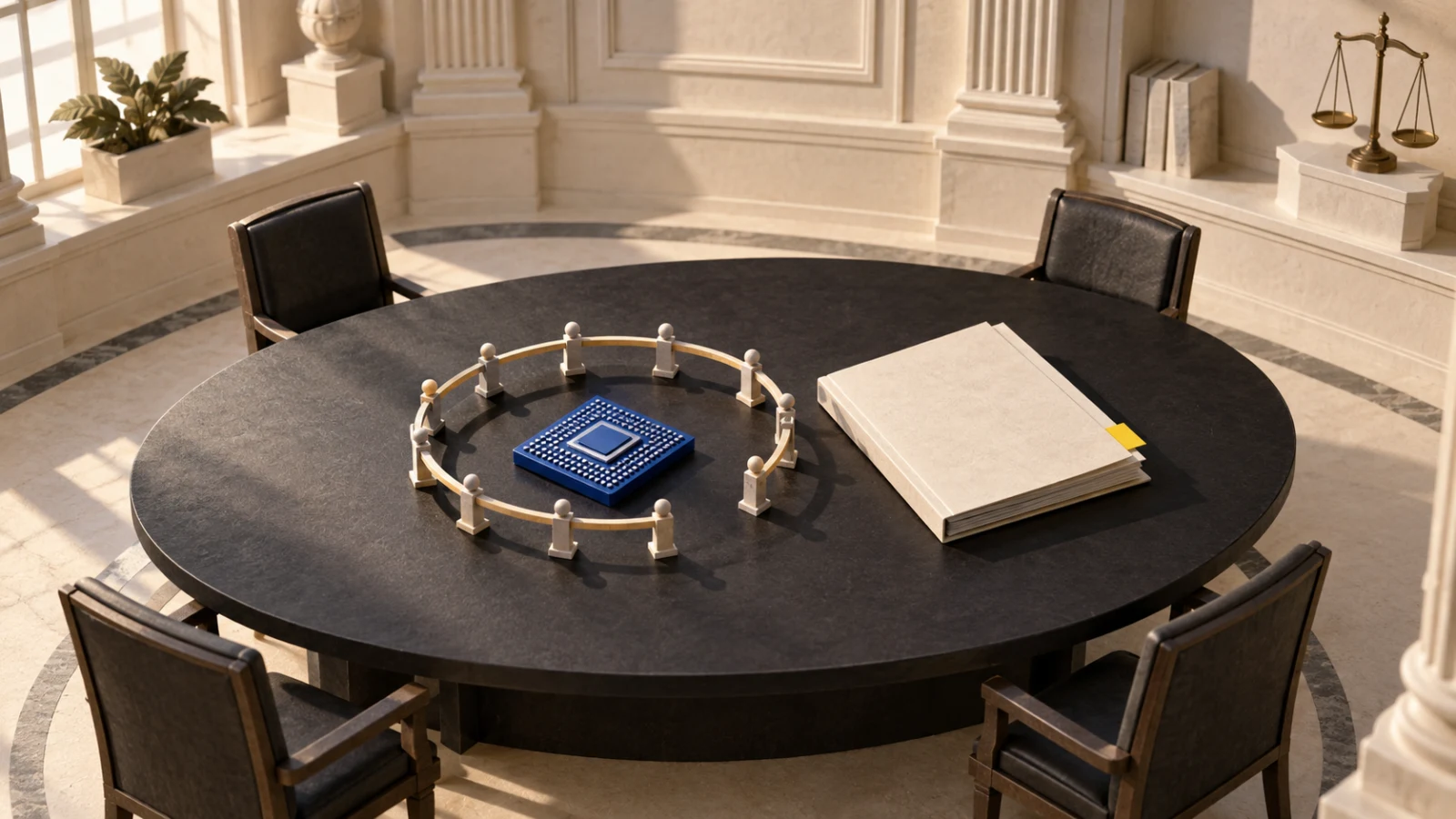
This article was produced by TINA, TechInform's AI editorial system, using linked public sources. The hero is an original AI-generated editorial illustration.