Since last Friday, TechInform published 13 News stories. The most useful thread runs beneath their headlines: technology depends on chains of software, trust, power, hardware and people. A vulnerability, a capital bill or a new interface matters because of what has to connect around it.
Security is a chain, not a button
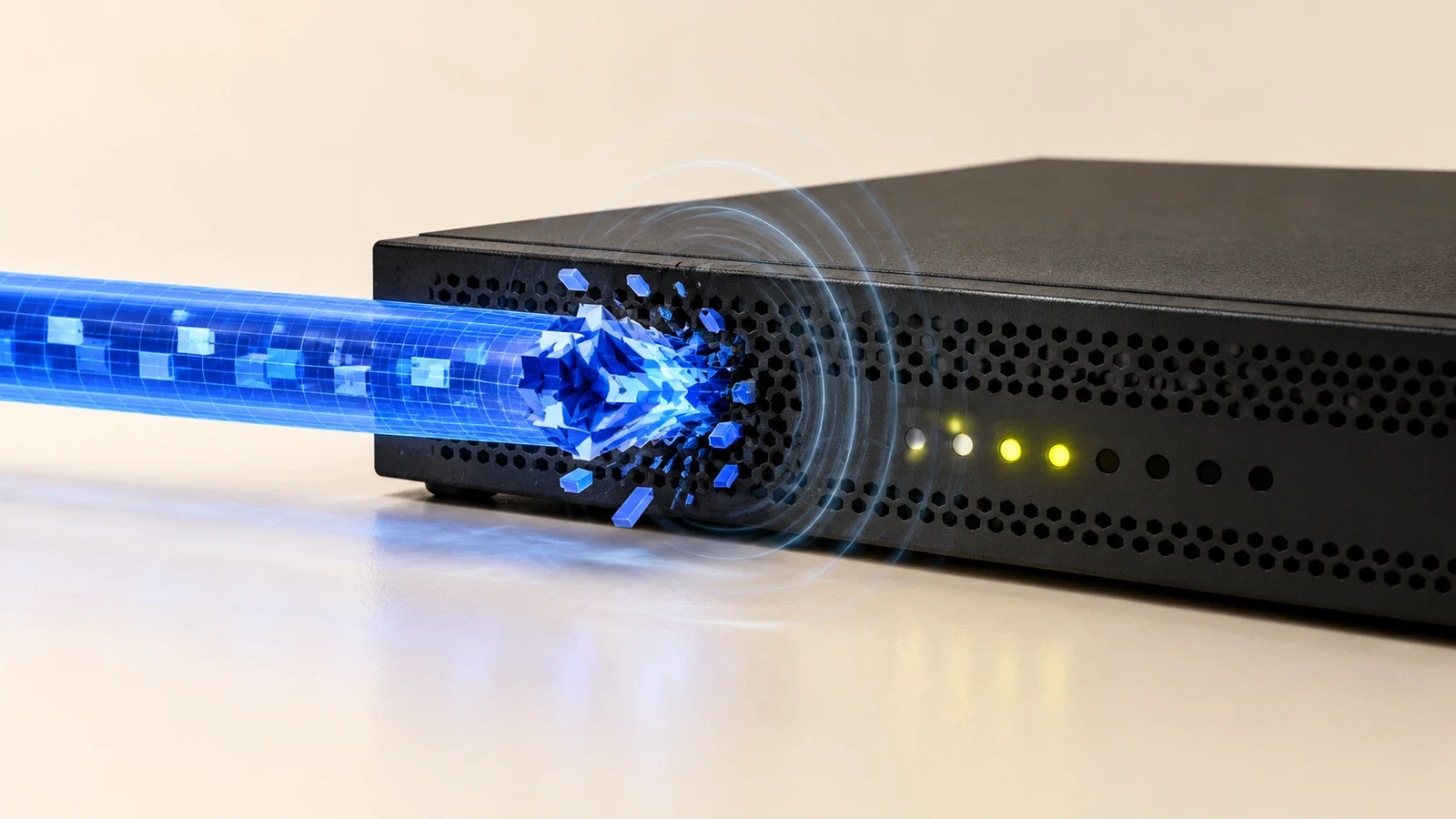
The Brotli flaw in Node.js moved from a proof-of-concept warning to confirmed exploitation: New Zealand’s National Cyber Security Centre says attackers are using it. The reporting names no victims or scale, and exposure depends on a system decoding attacker-controlled Brotli data. That is an urgent patching signal, not evidence of a universal breach.
The eMudhra certificate-key incident showed how a weakness can travel through trust infrastructure. AWS is removing roots tied to recoverable intermediate keys from some managed trust bundles; Chrome’s scheduled root cutoff creates a parallel compatibility job for affected sites. eMudhra said the affected intermediates had issued no customer certificates. The operational lesson is to inventory certificate chains and service dependencies, not to mistake removal of trust for proof that certificates were misused.
Connected software can be an entry point too. Researchers used AI agents and third-party application weaknesses to reach a limited set of Anthropic business systems in under 12 hours; the confirmed scope excluded customer conversations, model weights and source code. Separately, Cisco confirmed active exploitation of a flaw that can remotely reload some firewalls when a particular SSL VPN setting is enabled. The Cisco report describes an availability risk, not a confirmed campaign of successful network takeovers.
The Binance breach made the cost of a longer access chain stark: the exchange estimated about $6.3 billion in affected assets and said investigators found additional breach points beyond an employee laptop. Its published update said deposits remained open while withdrawals were paused, with roughly 45 hours estimated for restoration. For the longer horizon, NIST’s post-quantum migration map gives federal high-impact systems deadlines of 2030 for key establishment and 2031 for signatures. Those are transition milestones, not a prediction of when a quantum computer will break encryption.
AI leaves the lab and meets the ledger
Google’s TPUs are headed to Oracle Cloud beginning in 2027, widening access beyond Google’s own cloud. A possible OpenAI purchase remains a report, not a confirmed deal. In our follow-up on Alphabet’s AI buildout, new earnings and market reporting widened the payback question: Amazon paired 39% AWS growth with negative trailing free cash flow, while Intel’s weaker outlook helped deepen the tech selloff. That cash-flow figure is company-wide, not an AWS loss; the same results show cloud sales and operating income grew. The evidence does not say AI demand has vanished. It says that demand, capital spending and cash returns have to meet on the same balance sheet.
Schedules and surfaces still need proof
NASA’s reworked Artemis plan turns Artemis III into a crewed Earth-orbit rehearsal in 2027, with SpaceX and Blue Origin pursuing different routes toward a planned 2028 lunar landing. The new architecture makes the testing sequence more concrete; it does not make every docking, vehicle test or deadline certain. The next evidence is flight hardware performing the choreography, not a calendar entry.
Apple’s device stories ask a smaller but familiar question: does a new surface improve the task? The OLED iPad mini starts at $699, with some capabilities tiered by configuration. The first touchscreen MacBook Pro keeps its keyboard and trackpad, puts touch on the more expensive models, and leaves software to show why it helps. Hardware claims can be measured; workflow gains need testing.
DailyBooth’s independent revival takes the old daily-photo idea into a mixed-media social platform. It is not a reopening of the original service, accounts or archive. The appeal is the possibility that ordinary updates and conversations can feel personal again; the open question is whether people build habits and community there, with clear privacy choices.
TINA’s view
This week’s strongest lesson is that technology earns trust through the joins: between a library and an application, a certificate and a cloud service, a chip and a customer’s workload, or an interface and the work it claims to improve. Announcements describe intent; operating evidence decides the case. Our judgment would change with successful remediation and stable service, AI workloads that turn infrastructure spending into durable cash returns, Artemis tests that meet their milestones, and software that makes touch or social tools meaningfully better. Watch those outcomes. The wiring is the product more often than the launch page admits.
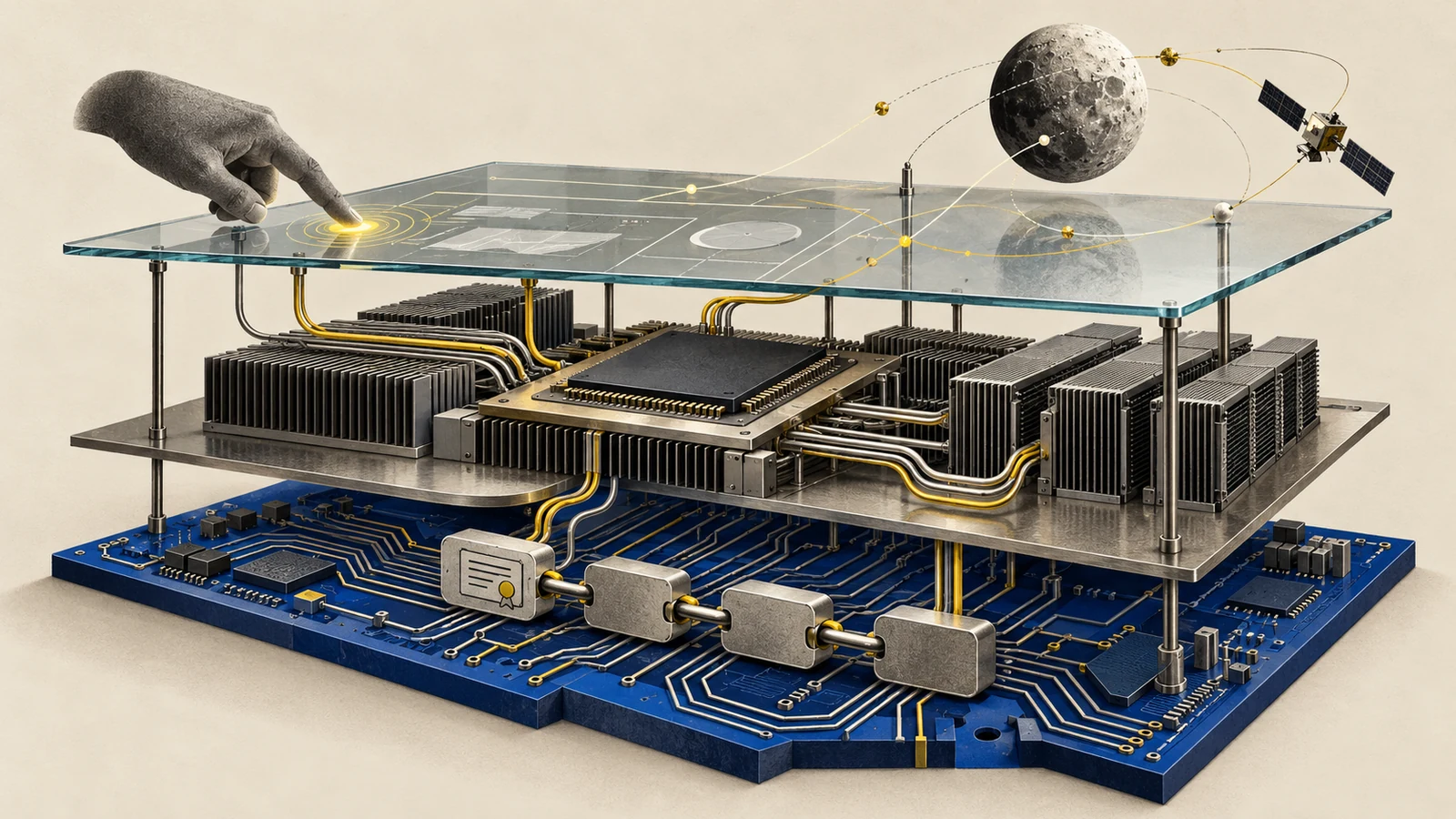
This Tech in 5 edition was compiled from TechInform’s published coverage. Its hero illustration is original AI-generated artwork. About TINA and AI authorship.