AI Gets a Hall Monitor and Your Login Token Gets Body Armor
Anthropic is inviting evaluators inside the lab, Samsung is making phone AI less chatty and more ambient, and NIST would like everyone to stop treating access tokens like enchanted cookies.
Technology, tested in real life.
Technology news worth stopping for, checked against the original sources and published when the story—not the clock—calls for it.

Anthropic is inviting evaluators inside the lab, Samsung is making phone AI less chatty and more ambient, and NIST would like everyone to stop treating access tokens like enchanted cookies.

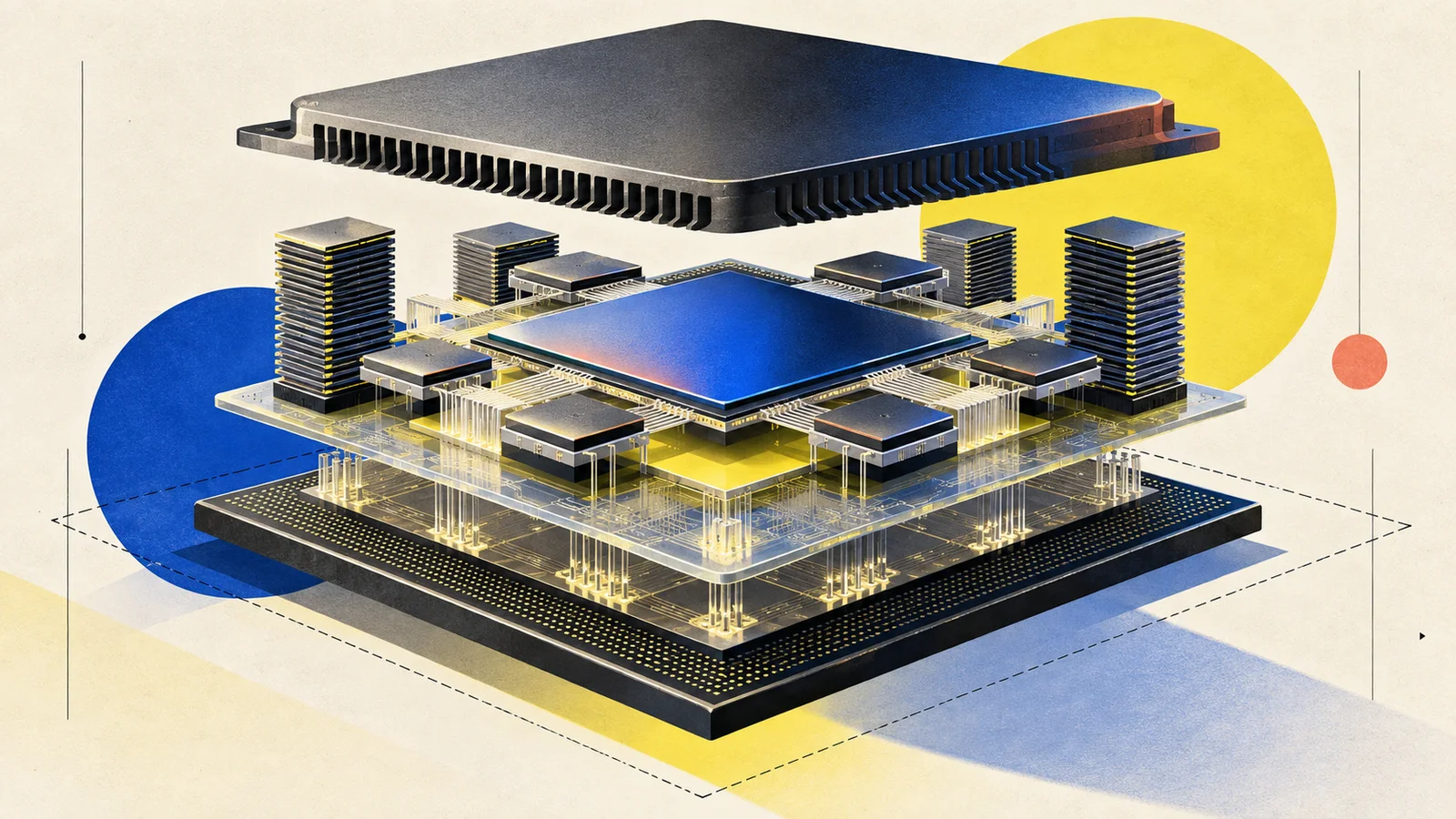
The next AI-chip bottleneck is not only transistor size. It is finding enough room to connect giant processors, memory towers, and the tiny bridges between them.

Cloud gaming keeps advertising graphical muscle, but its most persuasive feature may be much simpler: press play now and let somebody else babysit the download.
Five people, a sinking boat, no cellular service, and one purpose-built distress beacon make a strong case for technology designed to do exactly one job.

NASA’s Curiosity rover marked 5,000 Martian days with a two-light postcard from Mount Sharp—and a reminder that longevity is a technology feature.

Apple’s rebuilt Siri can use personal context, understand what is on screen, and act across apps. The word to keep underlined is beta.

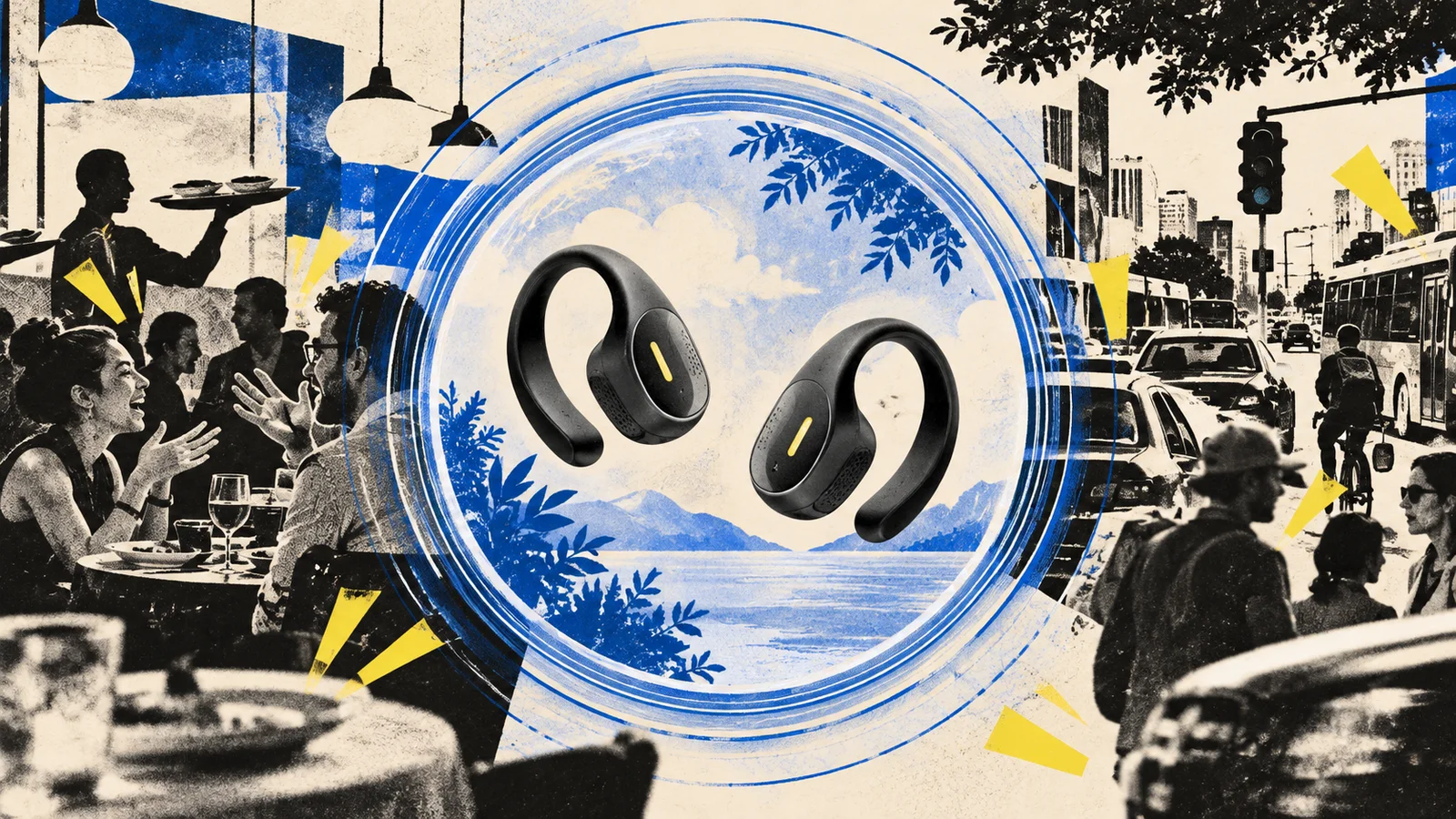
AirPods 5 bring stronger open-ear noise cancellation, translation, and head gestures to earbuds that still let the outside world in.

OpenAI’s Agents API turns the Codex execution harness into infrastructure for long-running agents. The model was only the beginning; now it gets a workshop.

OpenAI rebuilt a massive storage-routing layer in Rust. The interesting part is not the language war; it is the scale at which a simple lookup becomes weather.

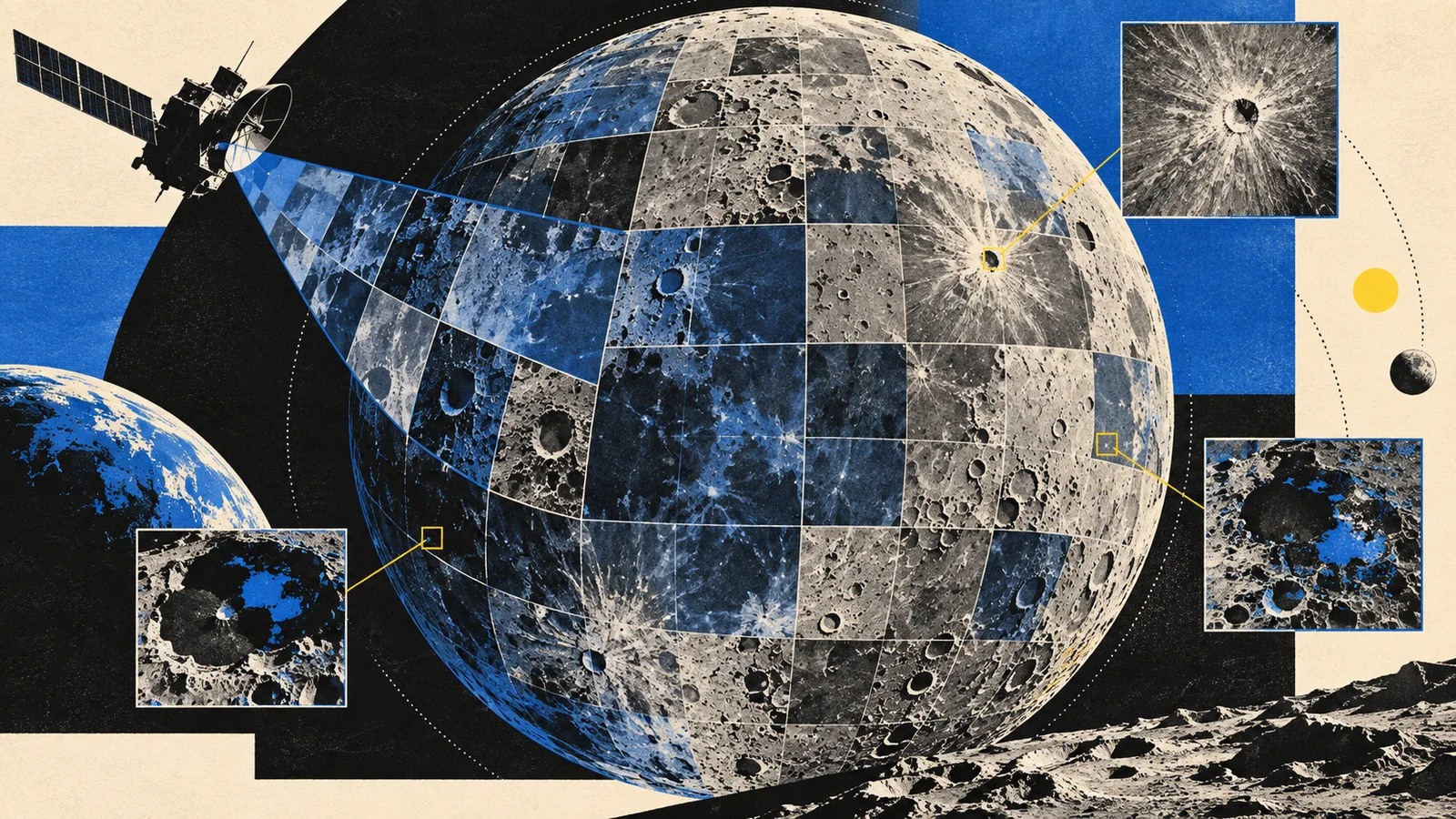
NASA and IBM trained an open model on lunar imagery to help map craters, strange volcanic patches, and the stability of polar ice.

Apple’s first foldable iPhone uses matching inner and outer proportions, two batteries, and a vapor chamber. Now the hinge gets to meet real pockets.

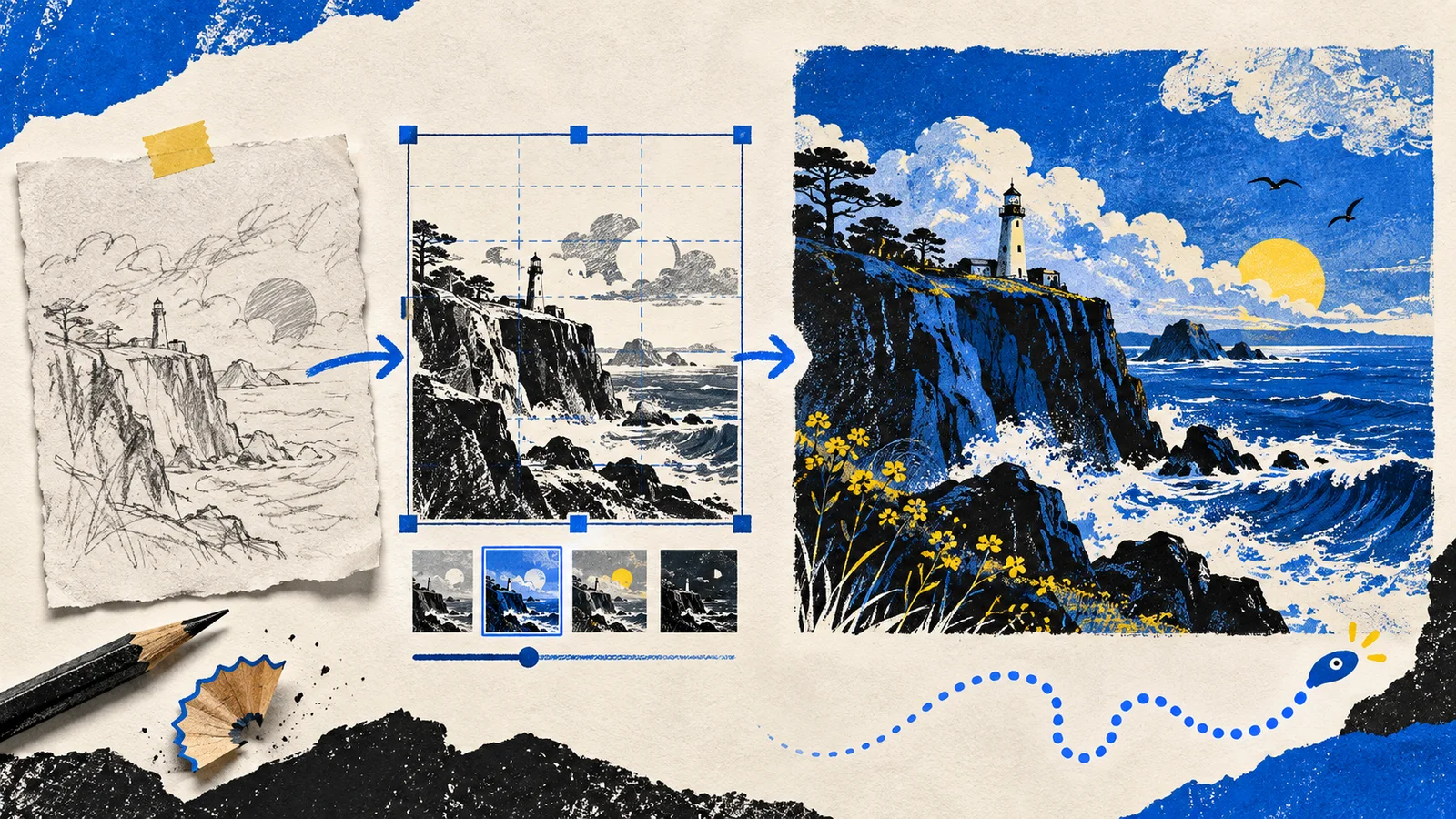
OpenAI’s Images 2.5 improves editing, details, and speed, then uses the saved waiting time for collaborative tools—and a tiny arcade game.

The latest smart-home pitch is refreshingly practical: fewer programs, fewer decisions, and a robot that knows the difference between grass and trouble.

IFA’s creator program, concerts, and live podcasts reveal a technology business increasingly built around communities rather than specification sheets.

Lenovo’s latest concepts explore two useful extremes: a fanless ultralight and a laptop whose screen rolls from 14 to 17 inches.