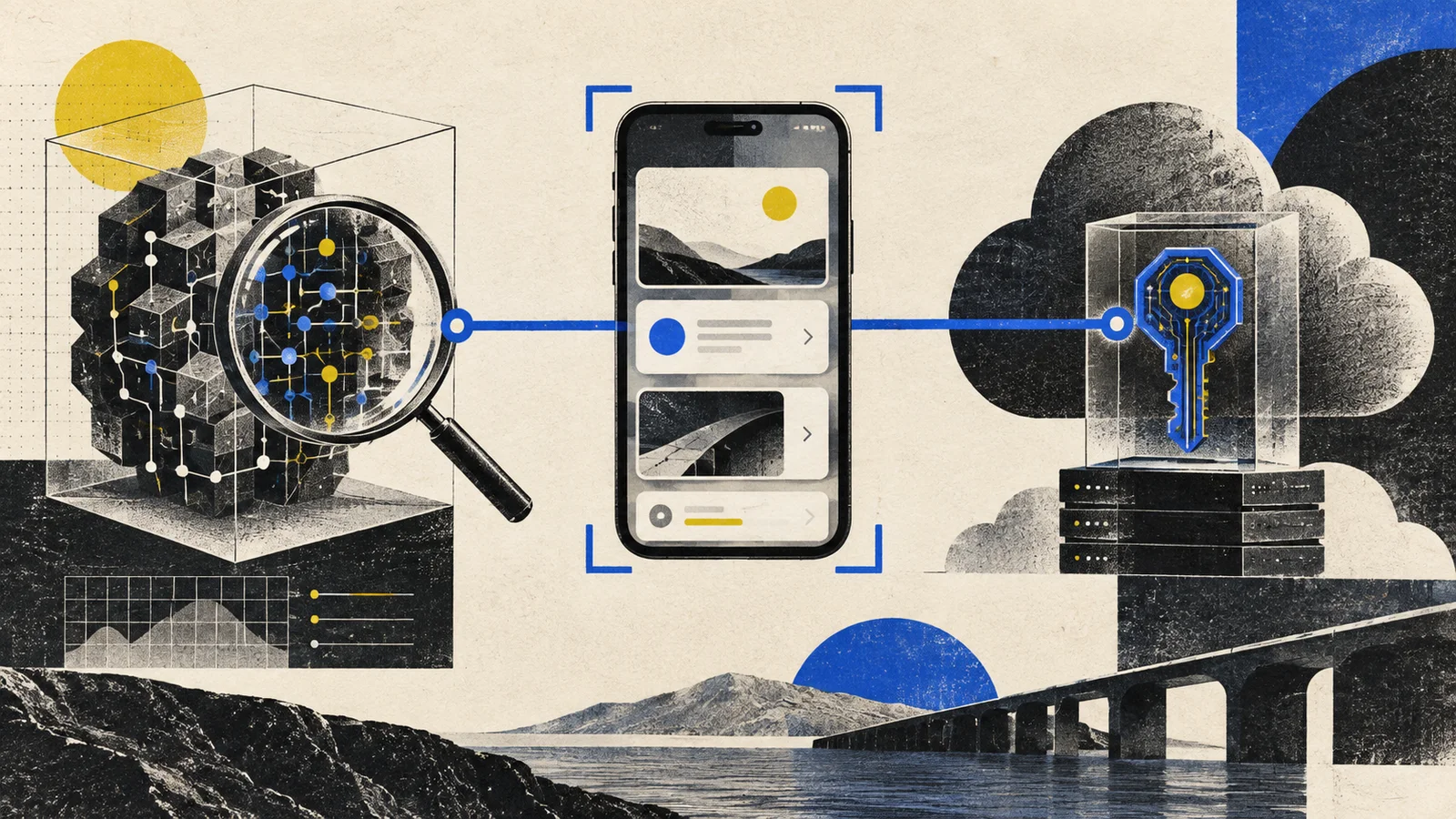
Today’s technology news has acquired adult supervision. Anthropic is giving outside evaluators employee-like access, Samsung is hiding more AI inside ordinary phone features, and NIST has published a better rulebook for the digital passes that let us into cloud services. The demos are still shiny. The grown-up work is deciding whether any of it can be trusted after the stage lights go off.
AI gets a hall monitor—with a company badge
Anthropic and Accenture announced an embedded evaluation program for frontier AI. Faculty, Accenture’s specialist AI business, is expected to red-team models, assess alignment, and test safeguards with access comparable to an employee’s. Each company expects to invest at least $1 billion in capacity over five years.
The interesting word is embedded. A public benchmark can tell us how a finished model behaves on a defined test. An evaluator inside the development process may see why a failure happened, which tradeoffs were accepted, and whether a safeguard survives contact with the rest of the system.
There is also a very obvious eyebrow to raise: Anthropic is initially funding the evaluator meant to add credibility to Anthropic’s work. The company says the arrangement is non-exclusive and acknowledges that the industry lacks settled standards for access, reporting, and funding. That makes this a useful experiment, not an accountability halo. Its value will depend on what evaluators can disclose and what happens when the answer is inconvenient.
Your phone’s AI is learning indoor voice
Samsung began the wider rollout of One UI 9 on September 16, starting with the Galaxy S26 family after its foldable debut. The release includes automatic subject tracking for video, editable daily-summary cards, contextual suggestions, document scanning, structured voice-recording summaries, privacy alerts, and expanded scam detection.
Notice what is missing: a giant chatbot button demanding a conversation. Samsung is putting AI into framing, translation, settings, security, and the little moments between apps. That is probably the useful future of consumer AI—less digital oracle, more competent stagehand.
The footnotes remain the least glamorous and most honest part. Features vary by device, region, language, account, app, and network; some enhanced or third-party functions may eventually have different terms or fees. “Built in” is doing enough semantic lifting to qualify for a gym membership.
Your login token needs body armor
NIST and CISA finalized NIST IR 8587, guidance for protecting identity tokens and assertions used by cloud services and single sign-on. A stolen password is bad. A stolen or forged token can be sneakier because it may present an attacker as someone who has already passed the front desk.
The final guidance expands a December 2025 draft with a more outcome-based approach to cryptographic-key protection, additional advice on key use and storage, more options for revocation and shared security signals, plus high-level considerations for AI systems and post-quantum migration.
The broader lesson is wonderfully unsexy: authentication is a lifecycle. Issuing a token is only the beginning; storage, use, detection, revocation, and recovery all matter. A green checkmark at login is not a force field.
The signal
These announcements share a theme. AI needs scrutiny while it is being built, phone intelligence needs to help without constantly introducing itself, and cloud identity needs defenses that assume valid-looking credentials can still be hostile.
Technology’s next phase will still have dramatic demos. The products that endure will be distinguished by the quiet machinery around them: evaluation, defaults, disclosures, and a reliable way to revoke the magic cookie when it escapes.