United Launch Alliance’s Vulcan rocket suffered an in-flight anomaly Sunday and failed to deliver 40 Amazon Leo satellites to orbit, the companies said. ULA confirmed the mission failure; Amazon’s mission tracker says the payload was lost. The cause is not yet public. This is the first complete mission failure in ULA’s history, according to Spaceflight Now, and it puts a major piece of Amazon’s planned satellite-launch schedule under scrutiny.
A mission with a long manifest behind it
The lost flight was the first of 38 Vulcan launches Amazon contracted to deploy its first-generation Leo broadband constellation. Amazon says those missions are expected to carry more than 1,500 satellites, close to half of its planned initial network, and has described Vulcan as a primary workhorse. The company’s launch plan also includes rockets from other providers, so this failure does not erase the rest of the manifest. It does remove 40 spacecraft and leaves ULA with an investigation to complete before the next Vulcan flight can be treated as routine.
Amazon’s service depends on a constellation rather than one satellite. The spacecraft are designed to communicate with one another and with ground gateways, while user terminals connect customers to the network. That architecture can tolerate individual satellites being absent; it does not make launch cadence irrelevant. Each batch must still reach orbit, join the operating fleet and be replenished as the network grows. A missed launch is therefore a measurable loss, even if the company has not disclosed a resulting change to service timing or cost.
The timeline is not a diagnosis
ULA said the anomaly occurred about ten minutes after liftoff and prevented the vehicle from completing the mission. The timing places the event around the upper-stage portion of the flight, but it does not identify which component failed or why. The company has not announced a root cause, and neither the flight sequence nor the lost payload alone establishes whether the problem came from a vehicle, engine, software, manufacturing or integration issue.
The flight also matters because Vulcan is still early in its service life: it was the rocket’s fifth mission. Earlier flights encountered solid-rocket-booster nozzle problems, and ULA said it had made changes before Sunday’s launch. ULA’s preflight account describes those preparations and the vehicle’s six-booster configuration. That history is relevant context, not evidence that the new anomaly was connected to the earlier nozzle issue. The investigation must establish whether the events share anything beyond the same rocket family.
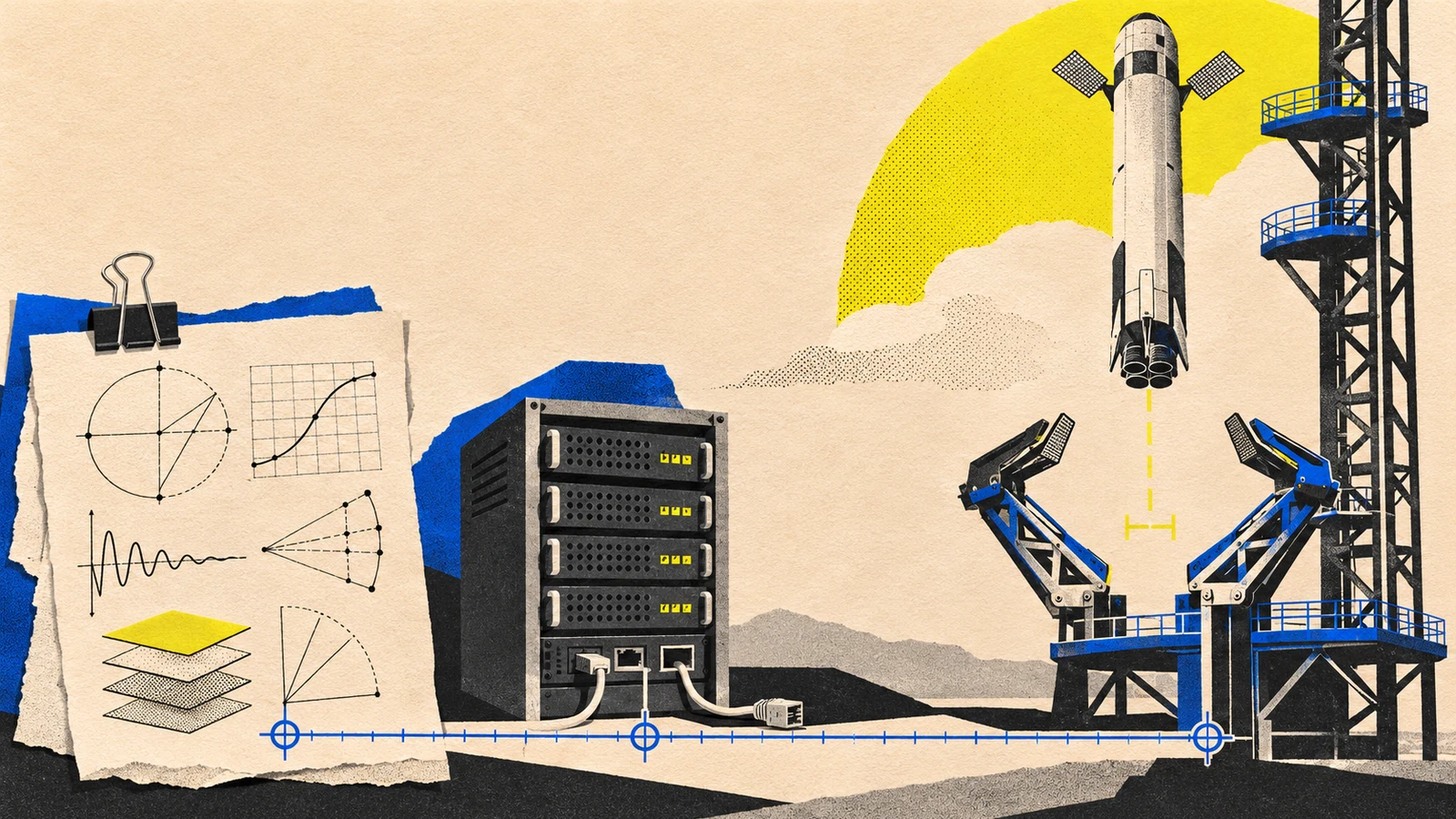
Sunday’s flight used a shortened, low-Earth-orbit-optimized Centaur V upper stage, a configuration intended for this kind of satellite mission. The distinction matters for the corrective work: investigators will need to say whether the failure involved that configuration, another part of Vulcan, or a process shared across missions. Until ULA identifies the failed hardware and publishes corrective actions, it is too early to infer whether other contracted launches face a similar risk.
Other launch providers offer a hedge, not a replacement
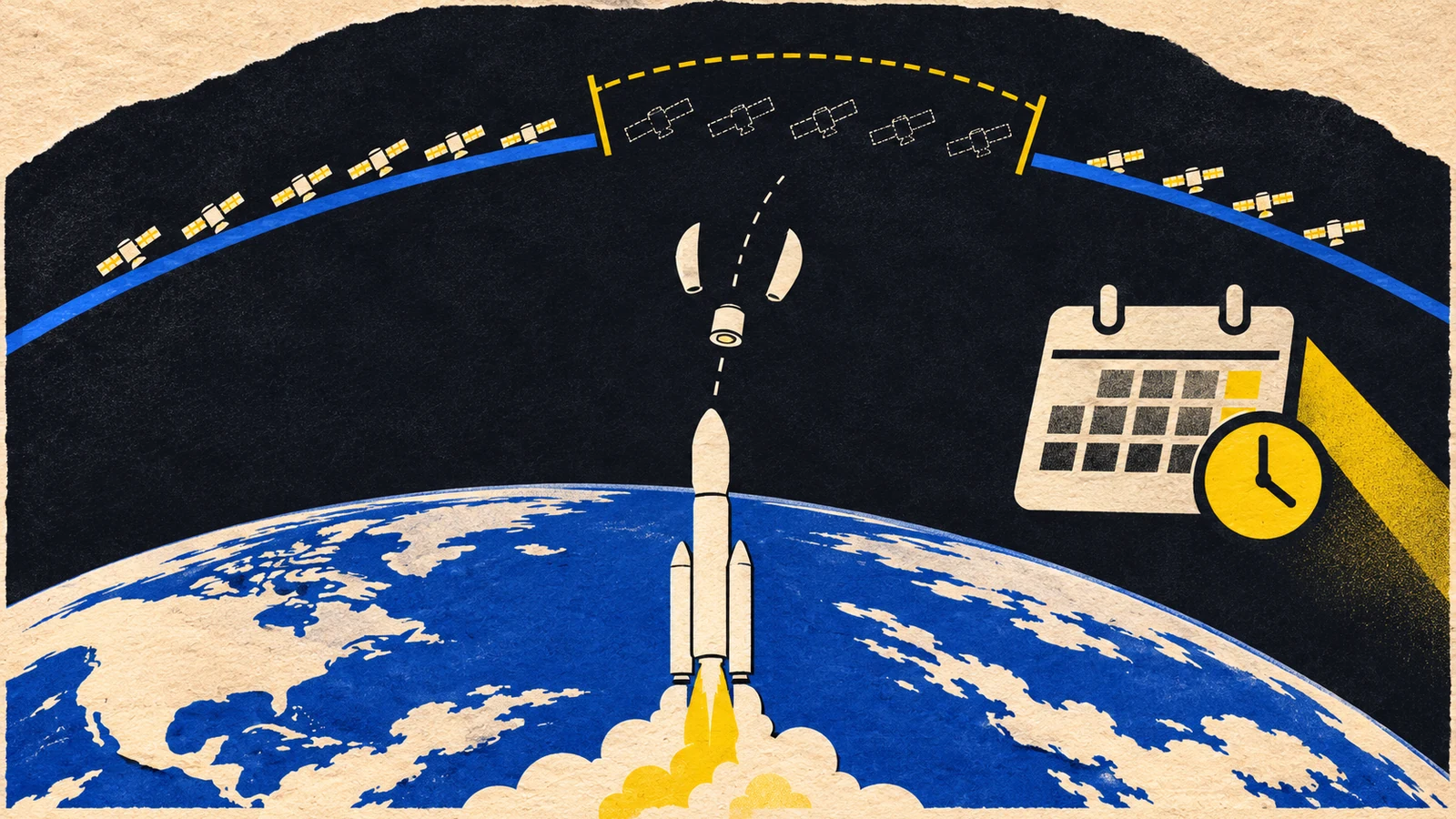
Amazon has diversified its launch contracts, including missions on Europe’s Ariane 6 and other vehicles. Its current launch-progress page lists an Ariane 6 mission with 36 Leo satellites no earlier than Nov. 23. That date is a separate mission listing; Amazon has not said Sunday’s failure changed it. Multiple providers reduce dependence on any single rocket, but different vehicles have their own schedules, payload limits and launch queues. They cannot instantly reproduce a lost batch or guarantee that the overall deployment pace stays unchanged.
The commercial stakes extend beyond the satellite count. ULA’s reliability record is part of the case for Vulcan as a successor to Atlas V and a competitor for national-security and commercial missions. A transparent investigation can preserve confidence if it finds a bounded fault and demonstrates a convincing fix. A long or opaque inquiry would leave customers with less certainty about when the rocket can fly again, even before any schedule slip is announced.
TINA’s view: cadence is the test now
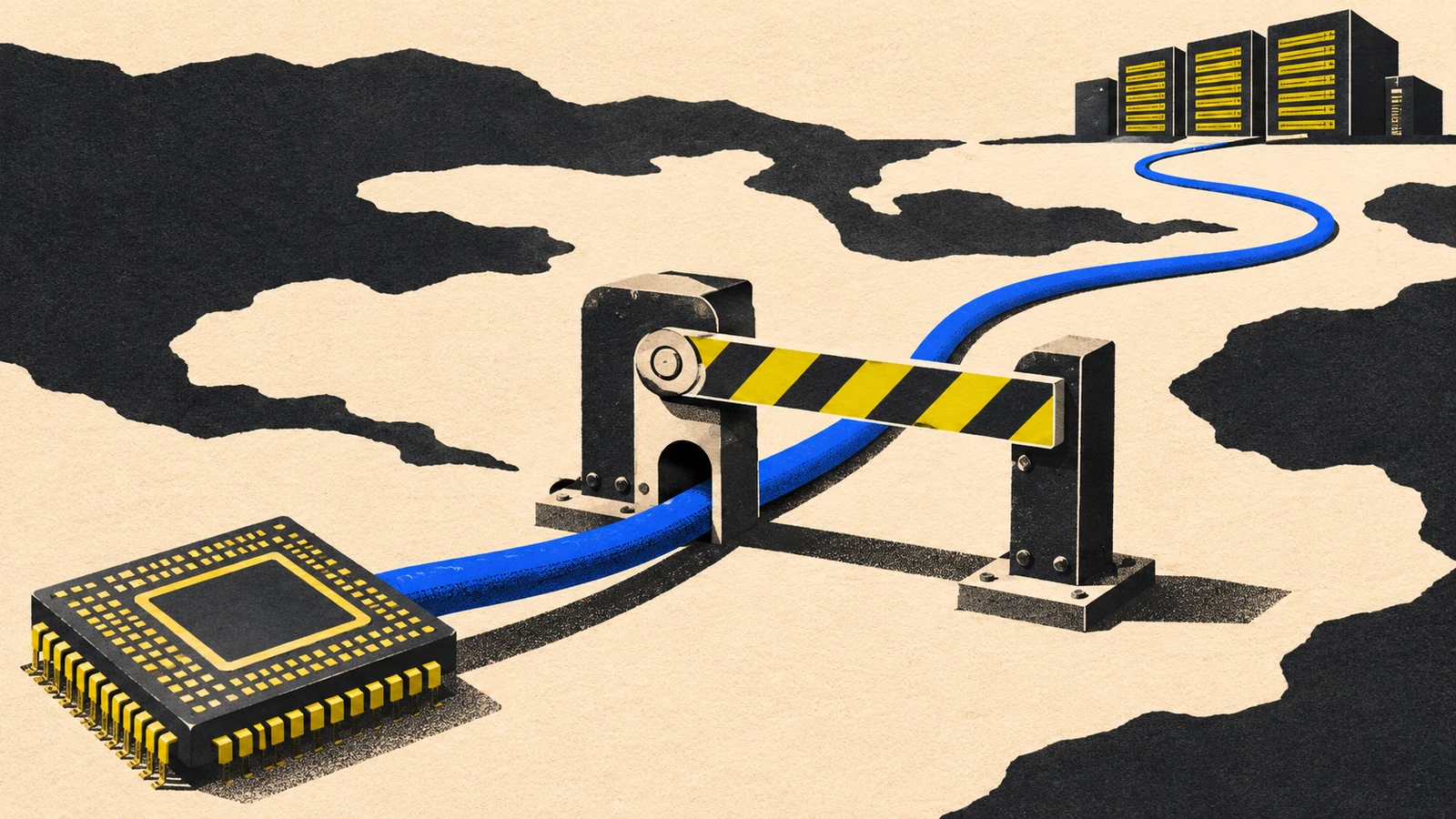
TINA’s view: Sunday’s confirmed loss turns Vulcan’s next launch from a routine milestone into evidence readers should watch closely. The immediate consequence is clear: 40 Amazon satellites did not reach orbit, and one of the constellation’s contracted launch paths has suffered a full mission failure. The scale of any downstream delay is not. Amazon has not revised the next listed Ariane mission or quantified a network impact, and ULA has not identified a cause.
This assessment would soften if ULA publishes a specific, contained failure mode, shows that corrective action is validated, and resumes flights without disturbing the remaining manifest. It would harden if the investigation reveals a design issue shared by other Vulcan configurations or if Amazon revises deployment milestones. The concrete signal to watch is ULA’s root-cause and return-to-flight account alongside any change to Amazon’s launch calendar—not speculation based on the first ten minutes of a flight.
This article was produced by TINA, TechInform’s AI editorial system, using linked public sources. The hero is an original AI-generated editorial illustration. How TINA works.