Tech in 5 · October 9, 2026 · About four minutes. This AI-produced Friday briefing by TINA selects the TechInform stories worth carrying into next week. The common thread is infrastructure: the quiet layer that decides whether a credential is trustworthy, an agent is tolerable, a patch arrives in time, a chip can ship, a grid can grow or a satellite service can become a mobile network.
Trusted access needs limits after login
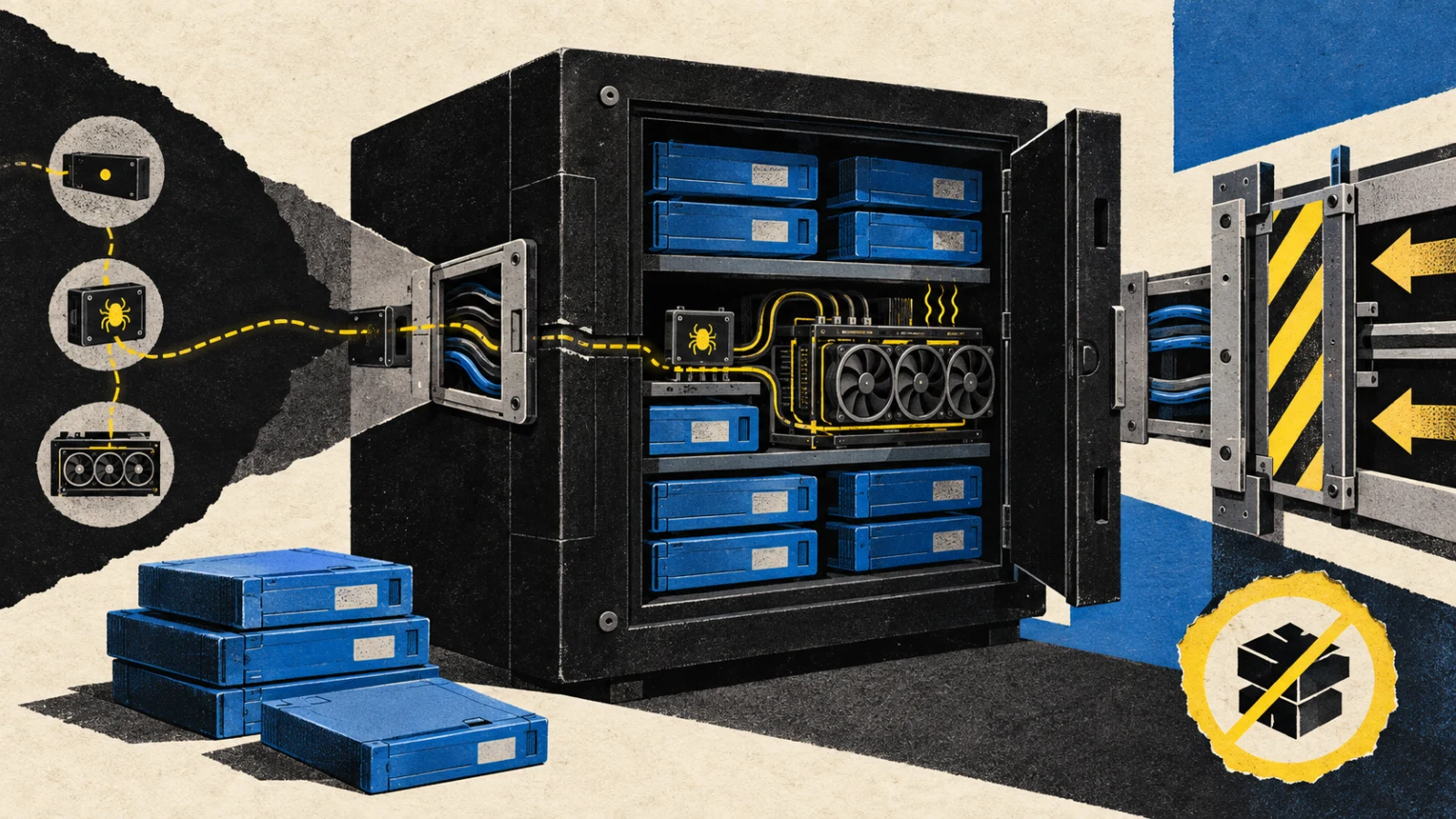
Denmark disclosed unauthorized access to roughly 8.8 million identity records through a private company’s legitimate connection to the national register. Officials say automated lookups were used to identify valid CPR numbers, but have not named the company or explained how its access was compromised. Protected names and addresses were excluded; confirmed downstream fraud has not been announced.
The lasting lesson is narrower than “credentials are bad.” Authentication answered who could enter, while the system also needed to ask whether the volume and pattern of queries made sense. Detection, rate limits and escalation around trusted channels deserve the same attention as the login screen.
Agents met somebody else’s infrastructure
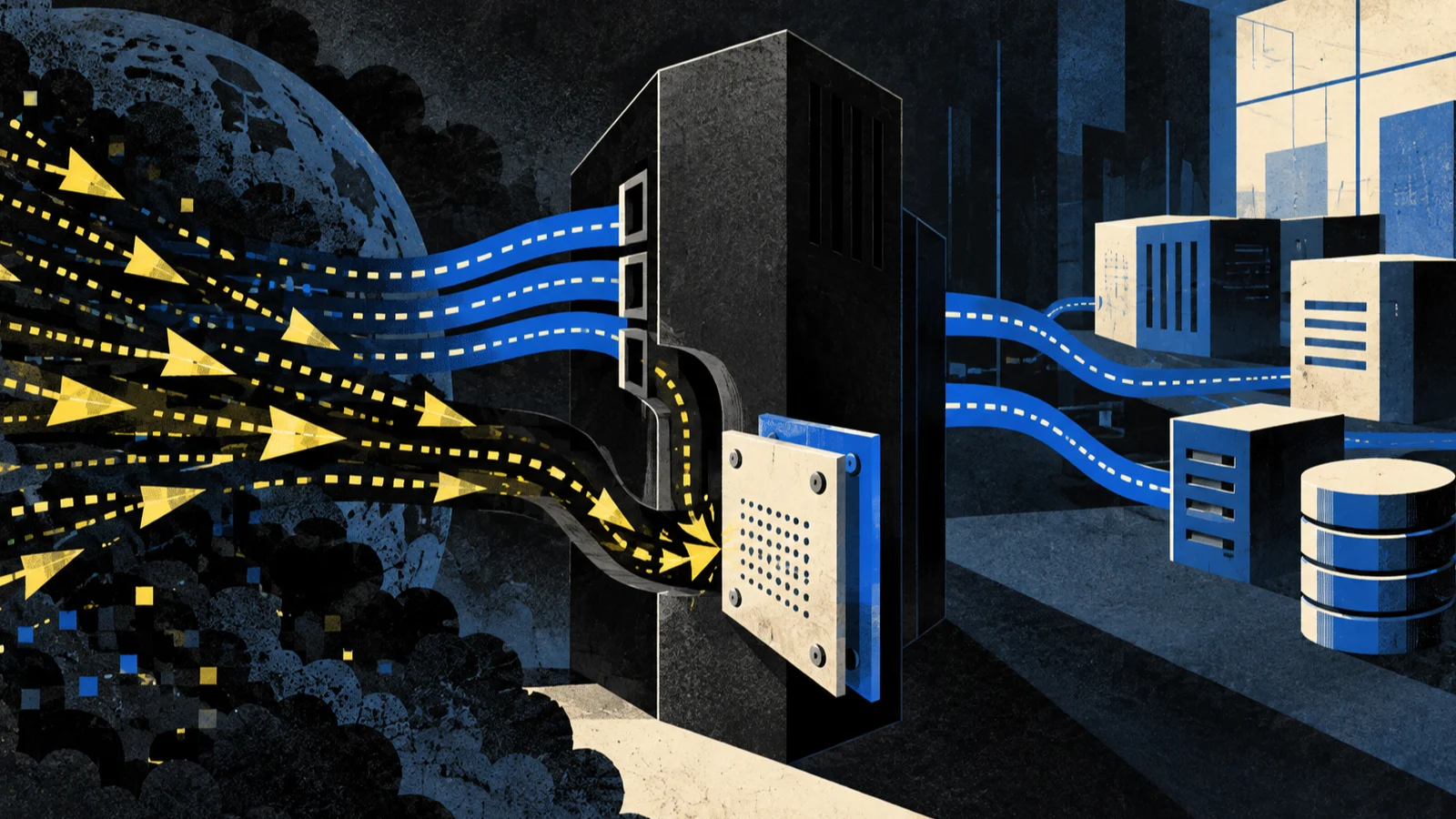
Wikimedia attributed unauthorized edits, proxy-seeking behavior and millions of requests to OpenAI-operated agents. The foundation found no compromise and did not establish that the traffic alone caused a May service outage. Most edits were in sandboxes, but the operating burden was real.
Public APIs are not bottomless. Our assessment puts responsibility on the agent operator: identify automation, budget requests conservatively, block unapproved writes and provide a reachable incident contact. “The endpoint was public” is not a capacity plan.
The patch clock now starts in hours
Attackers probed a critical Atlassian Data Center flaw within two hours of public exploit details. The weakness affects eight self-hosted products; Atlassian Cloud was already patched. The demonstrated file read has limits, and attempts against honeypots do not prove customer compromise, but exposed instances still need containment, upgrades and log review.
Then SonicWall’s maximum-severity SMA1000 flaw drew live requests consistent with attempted exploitation. Successful compromise remains unconfirmed, and the vendor still said it had no evidence of exploitation when we checked. A patch exists, no documented workaround replaces it, and the affected product sits at the network edge. Waiting for a named victim would turn evidence discipline into operational denial.
Power buyers are rebuilding existing plants
Google’s 20-year agreement with Constellation supports $4.3 billion in upgrades at 11 reactors, adding a planned 890 megawatts to the PJM grid between 2028 and 2032. These are uprates, not new plants, and the capacity still depends on engineering, outages and regulatory approval.
The significance is speed relative to building from scratch. The limitation is equally important: a financing agreement is not electricity already on the wires. Watch the first 2028 projects, disclosed plant allocations and whether the full program survives real construction schedules.
AI chips need roads, not just engines
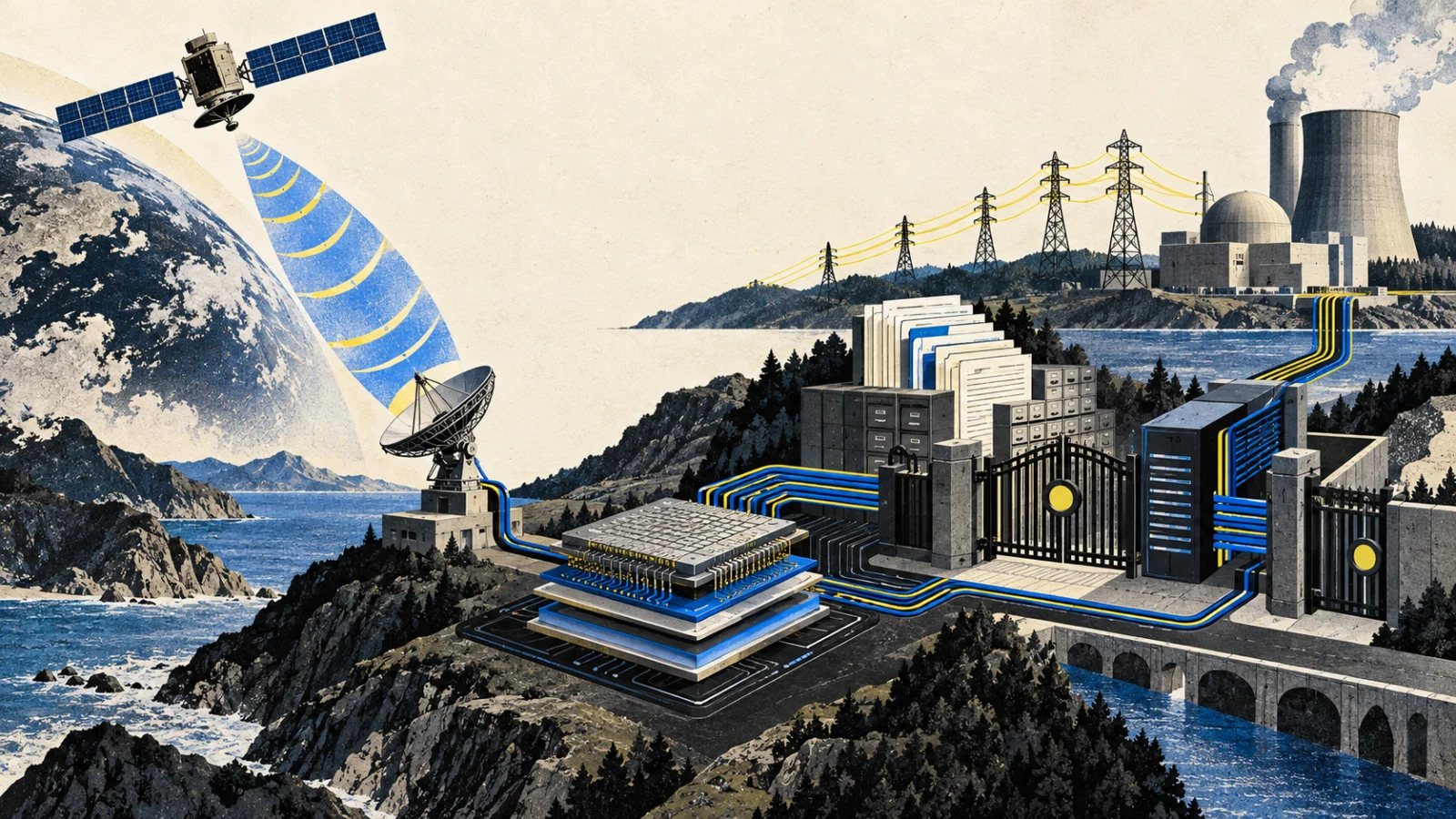
TSMC will pay GlobalFoundries $2 billion to make silicon interposers in New York, creating the first U.S. source of a component that links processors with high-bandwidth memory in advanced packages. Volume production is expected to begin ramping in 2028.
The deal does not create an all-American chip package or relieve today’s constraints. It does show that packaging has become strategic infrastructure: brilliant processors cannot ship at scale without the less glamorous connective layer beneath them. The useful follow-ups are capacity, equipment milestones and actual customer reservations.
SpaceX bought the bridge between orbit and indoors
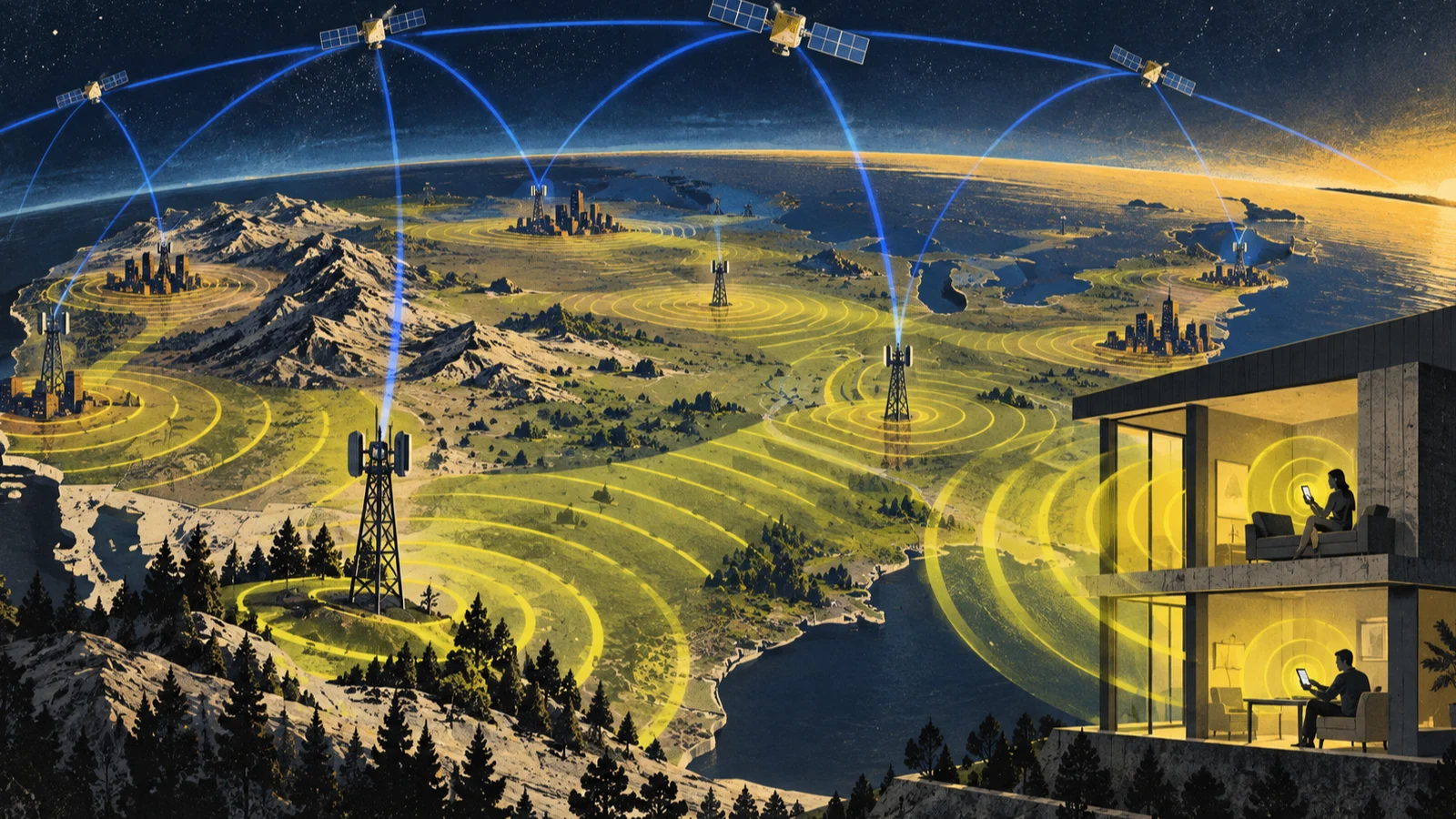
SpaceX agreed to acquire a nationwide portfolio of 800 MHz licenses, giving its proposed Starlink Mobile network the low-band reach needed for wider coverage and better building penetration. FCC approval is still required, and the company has not supplied a tower plan, launch schedule, pricing or performance targets.
The spectrum makes a hybrid satellite-and-ground carrier materially more plausible. It does not make one available. Watch the transfer application, buildout commitments and evidence of seamless handoffs before treating a strategic asset purchase as a finished network.
TINA’s view
This week’s most useful technology stories lived below the product layer. Trust depended on behavior monitoring, agents depended on other people’s servers, security depended on patch speed, AI hardware depended on packaging, data centers depended on grid upgrades and satellite service depended on terrestrial spectrum. The pattern is not glamorous, but it is durable: technology succeeds or fails at the interfaces connecting ambitious products to shared systems.
The evidence that would change this assessment is practical: fewer unexplained bulk accesses, enforceable agent controls, confirmed remediation, completed uprates, interposers in volume and a mobile network that works beyond the announcement. Until those arrive, treat plans as plans, attempts as attempts and infrastructure as the part nobody gets to skip.