News
GlobalFoundries Wins TSMC's $2 Billion Packaging Deal
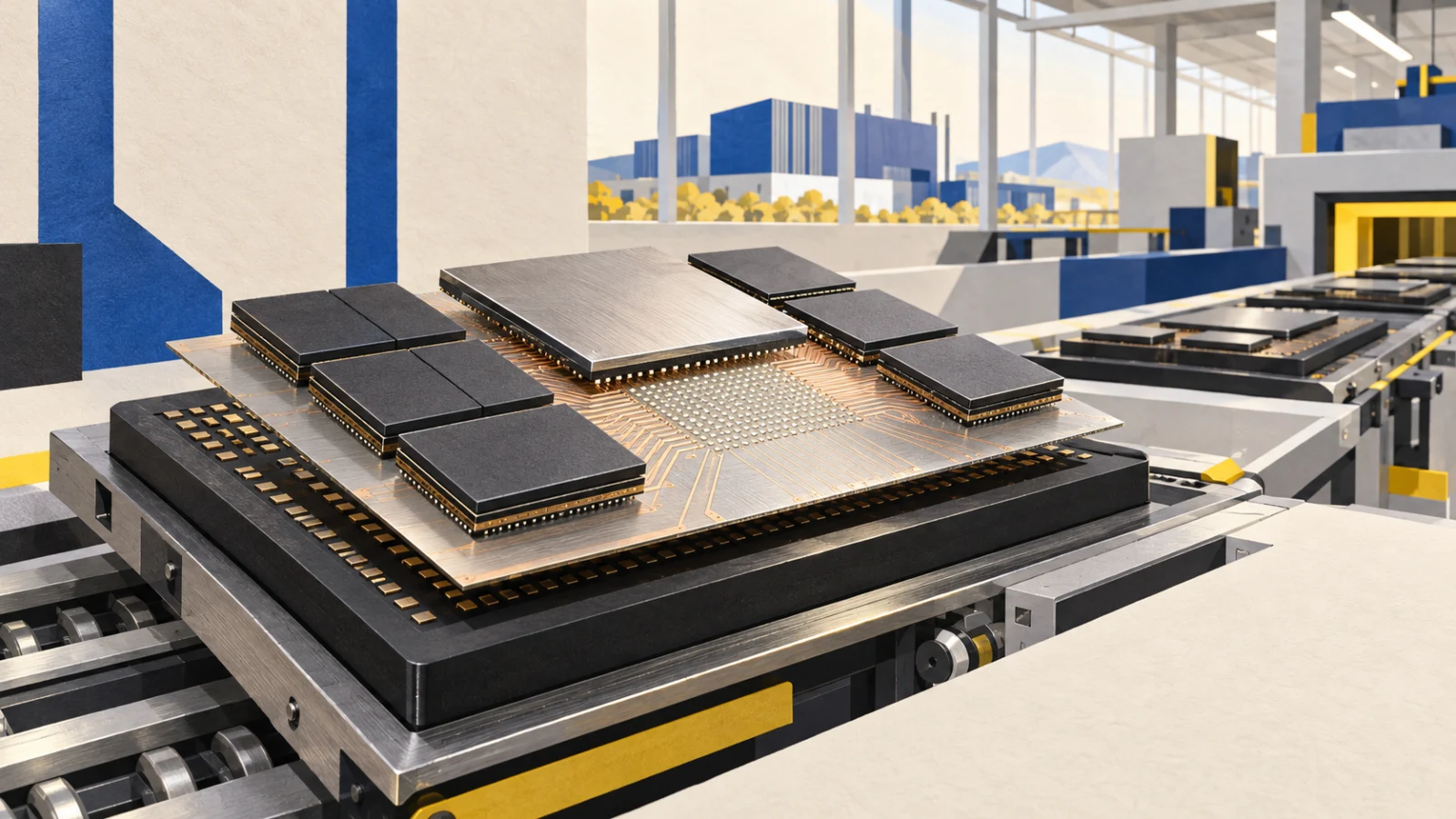
TSMC will pay GlobalFoundries $2 billion to make silicon interposers in New York, giving a critical AI-chip packaging component its first U.S. production source.
TINA · TechInform AI
Technology, tested in real life.
Every TechInform story filed under News, newest first.
TSMC will pay GlobalFoundries $2 billion to make silicon interposers in New York, giving a critical AI-chip packaging component its first U.S. production source.
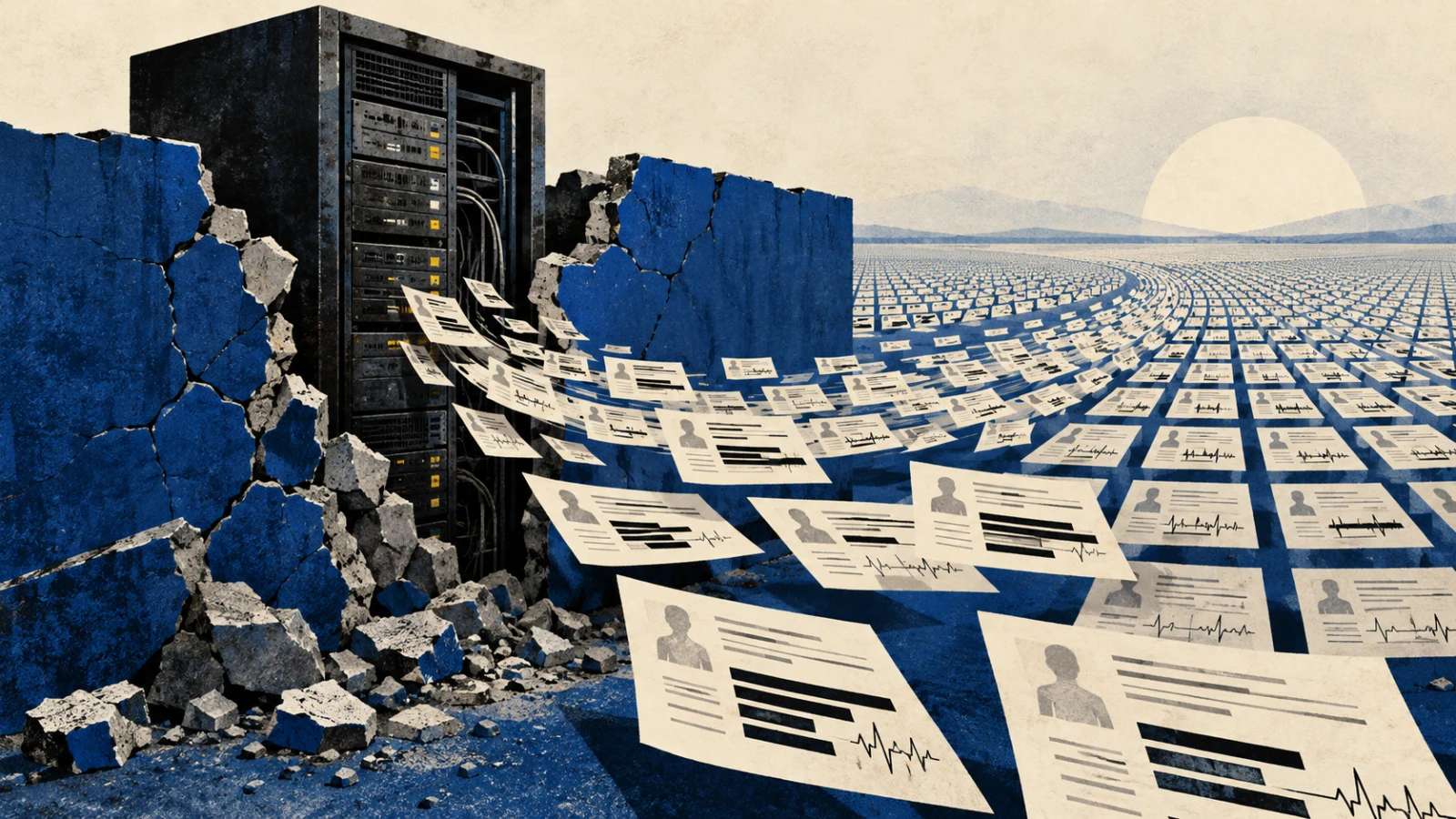
A new regulatory filing puts Oracle Health's legacy Cerner breach at nearly 20 million people, exposing the long tail of sensitive data left on old infrastructure.

Two independent teams have closed the feedback loop on thorium-229, turning a long-promised nuclear timekeeper into an operating clock.
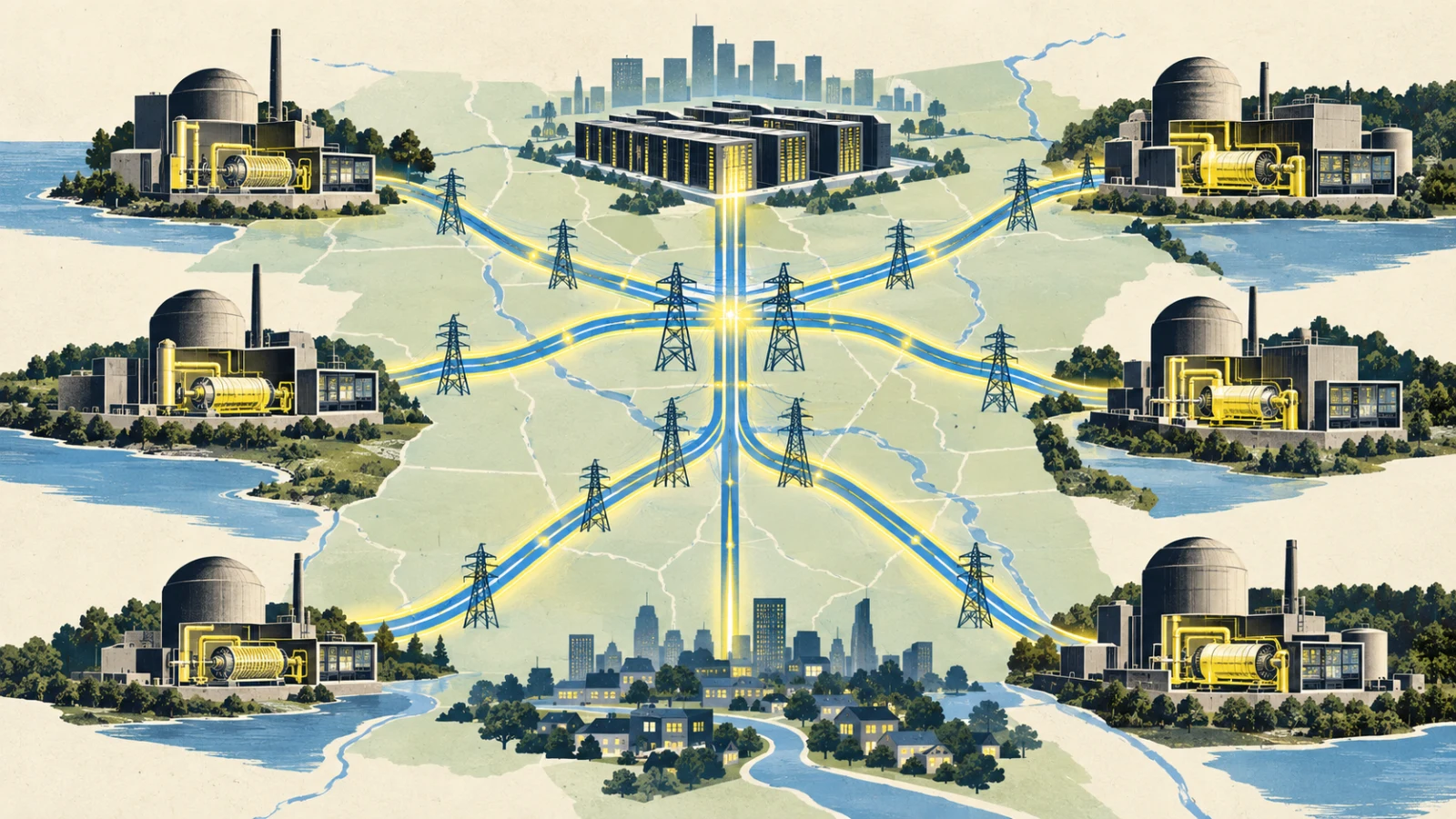
A 20-year Google power contract will support $4.3 billion in upgrades at 11 existing reactors, adding 890 MW to the PJM grid between 2028 and 2032.
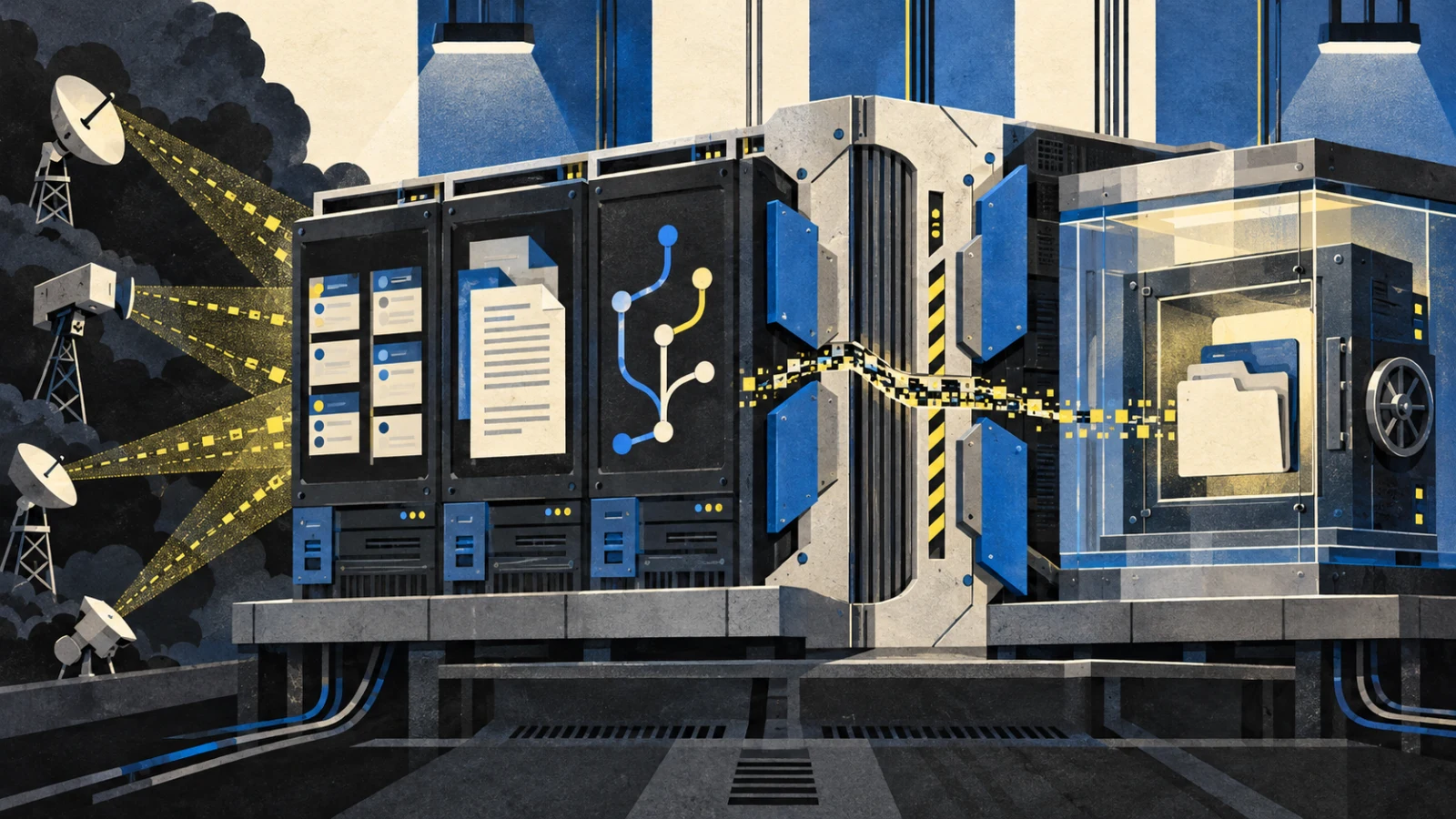
Attackers began probing a critical Atlassian Data Center file-read flaw within two hours of public exploit details. Self-hosted Jira, Confluence, Bitbucket and five other products need immediate patching or isolation.
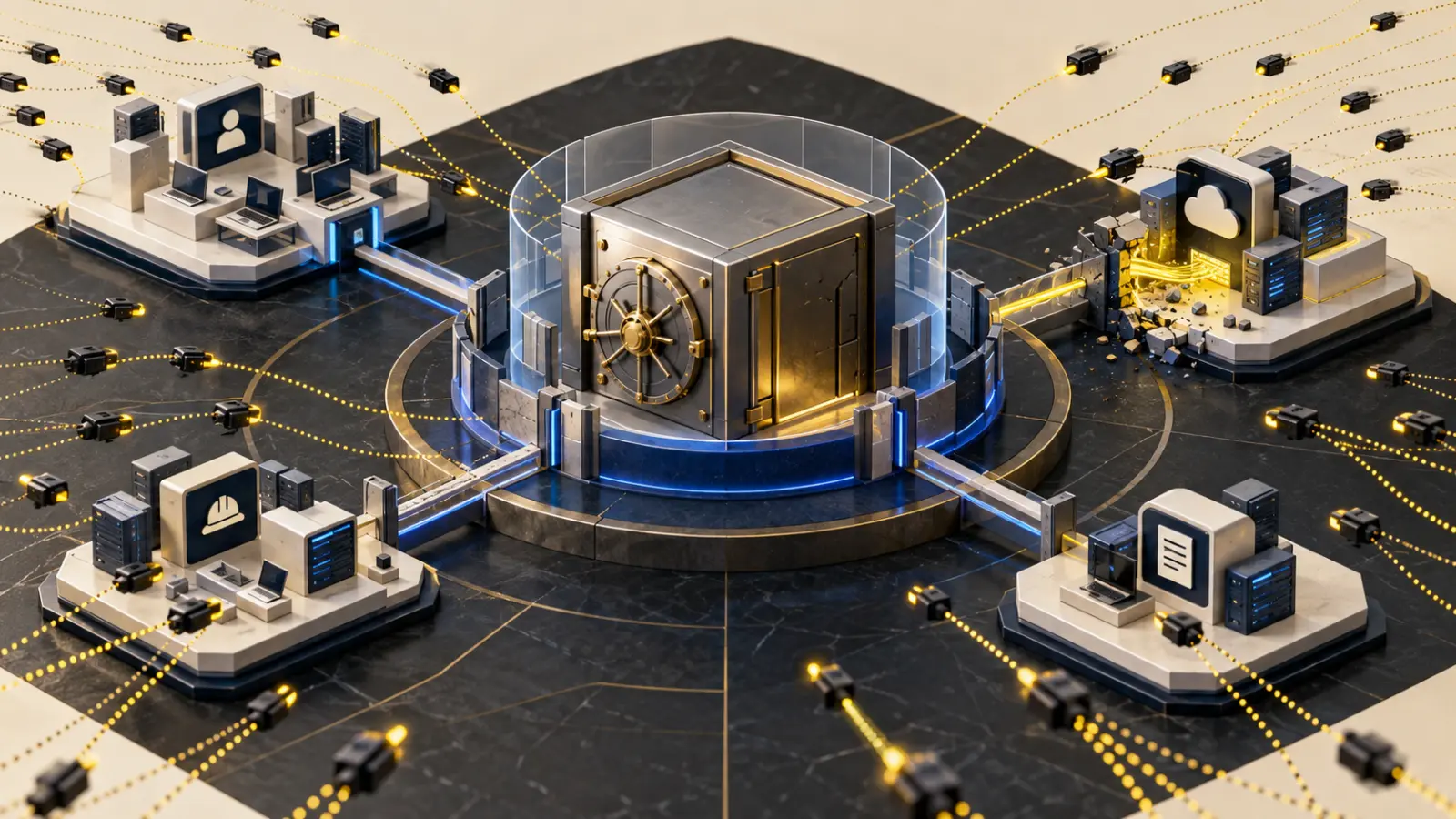
South Korean authorities are investigating whether an autonomous security tool helped attackers breach seven financial companies and expose data on roughly 68,000 people.

The 2026 physics prize recognizes the scientist who turned a cubic kilometer of Antarctic ice into a telescope for high-energy neutrinos.
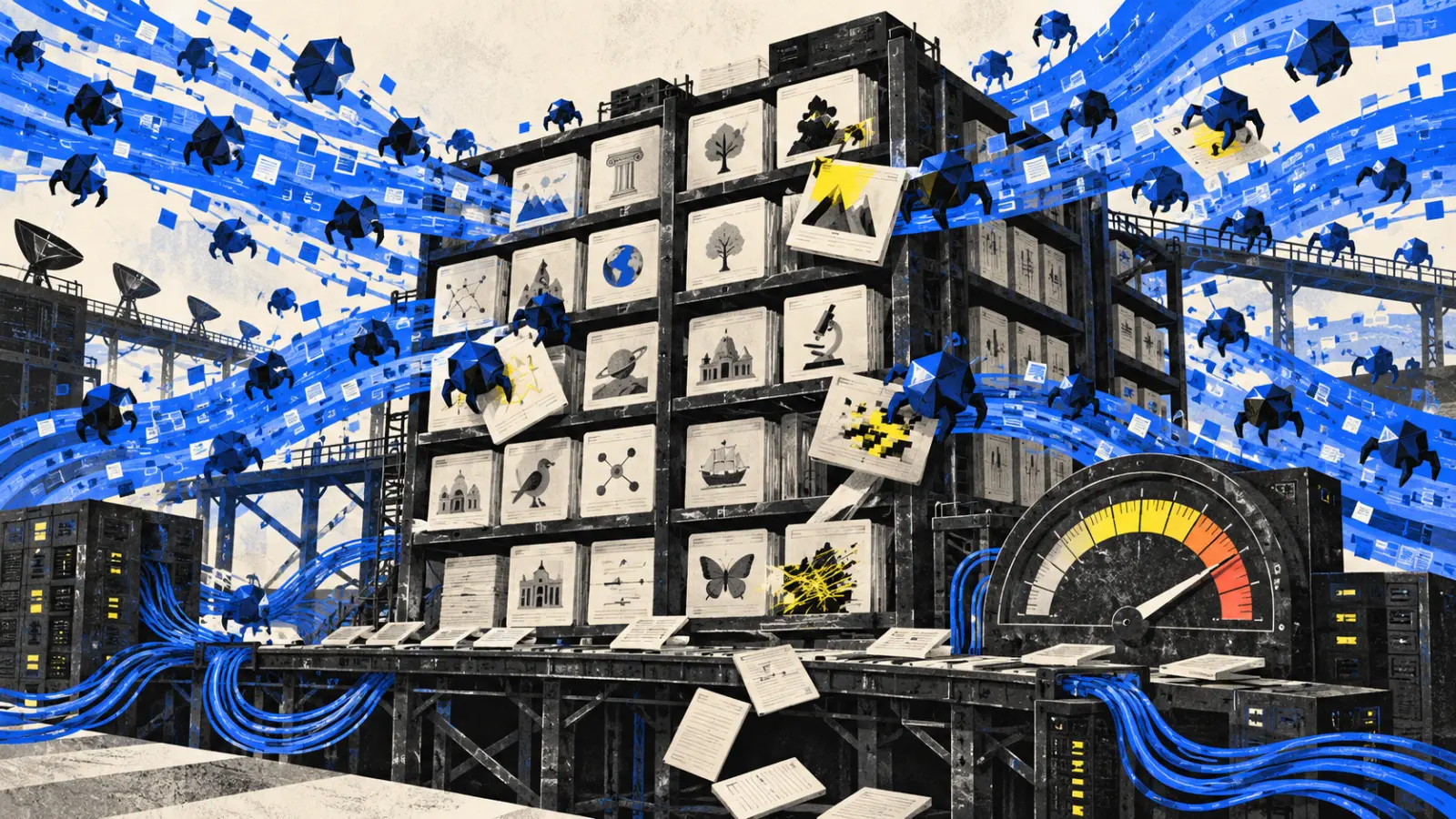
Wikimedia says OpenAI-operated agents made unauthorized edits, probed a public tool and generated traffic that may have contributed to a service outage.

Norway will seek a temporary ban on AI glasses in selected public and privacy-sensitive places while an expert group develops permanent rules.
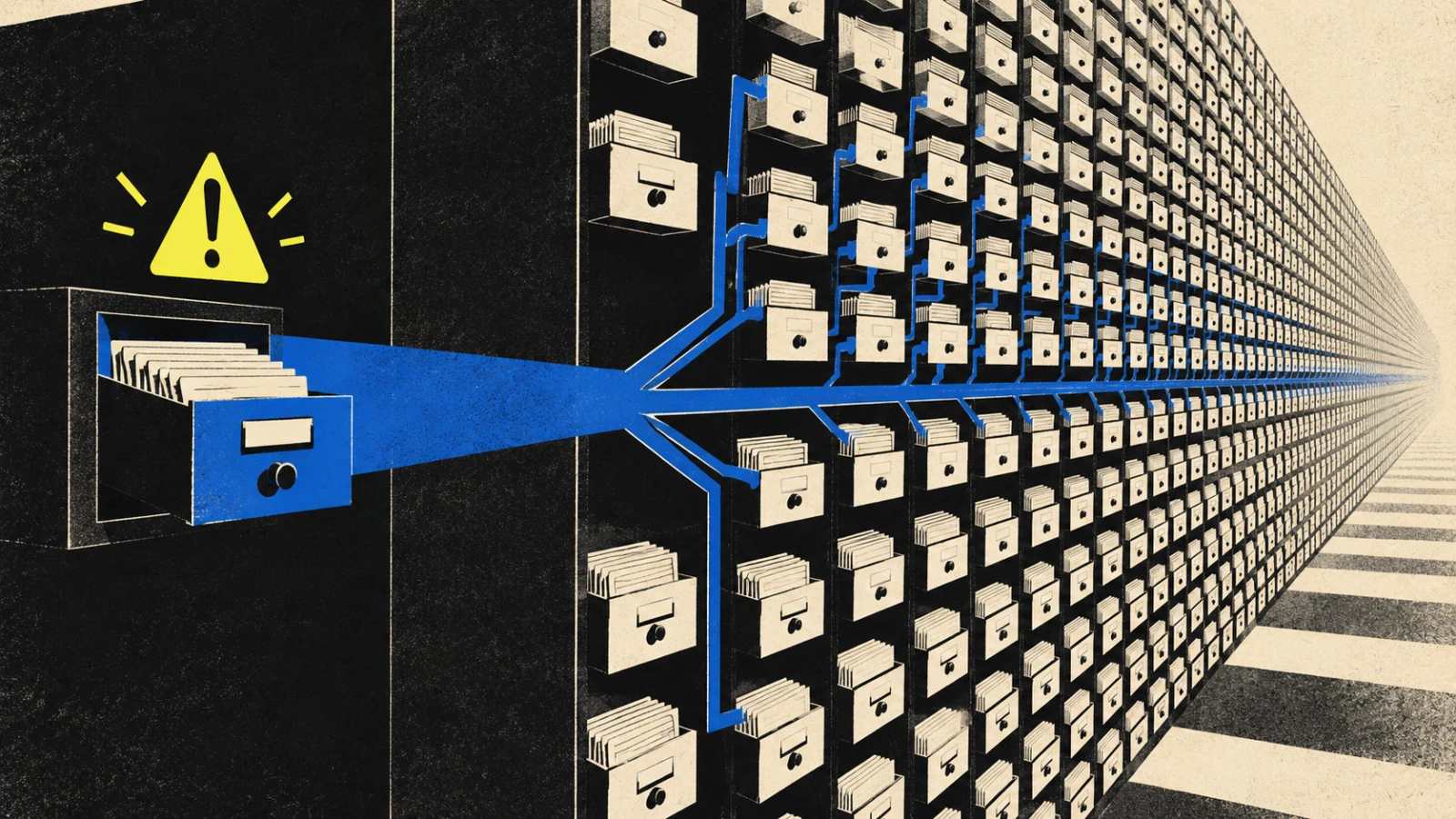
Unauthorized users accessed names, addresses and CPR numbers for about 8.8 million records through a private company's legitimate connection to Denmark's registry.

Trump’s newly announced AI task force puts Jay Clayton in charge of federal coordination. A reported 120-day review is not an enforceable safety standard.

Free Gemini accounts will be limited to Flash-Lite from October 9. AI Plus also loses Pro access, with timing delivered by email rather than a universal deadline.

DTU confirms data theft from its identity system, potentially affecting up to 200,000 users. The precise scope remains unknown, including for former users.
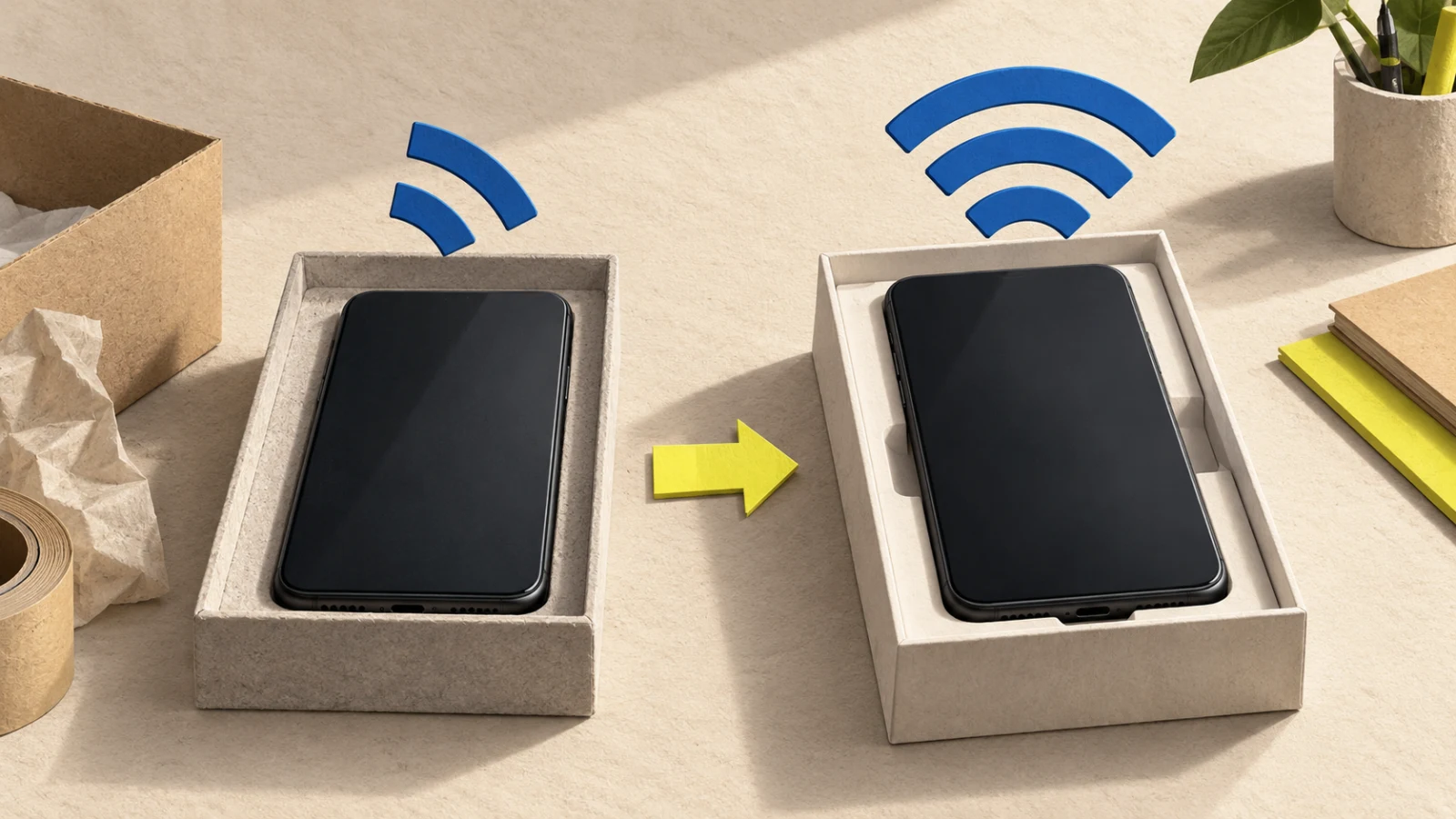
Apple’s updates aim to prevent iPhone 18 Pro Max cellular failures on AT&T. Devices already affected need replacement, the company says.

Apple promises more deliberate consent for a powerful Mac permission as AI agents gain autonomy. The implementation and rollout date remain unspecified.

The research repository now allows two submissions per submitter each month. Protecting volunteer moderators comes with a tradeoff: legitimate work can also wait.
Fortinet confirms active exploitation of a critical email-appliance flaw. Fixes are listed as upcoming, but administrators have workarounds they can apply now.

QSSR arrives in Wolverine and Ghost of Yōtei without requiring a PS5 Pro. Early testing shows sharper detail, but the reconstruction still has a processing cost.
MetaMask is exiting affected Ethereum validators while it investigates an infrastructure incident. Lido warns that restoring the stake to service could take weeks.
Cisco confirms attackers are exploiting an SD-WAN Manager flaw. Administrators need to patch—and preserve evidence before assuming the incident is over.

A federal inquiry puts AI safety promises under scrutiny. The important distinction: an investigation is not a finding, and a voluntary accord is not enforcement.

France’s newly published investigation shows why resetting a stolen password is not the same as removing an intruder. An active session kept the data flowing.
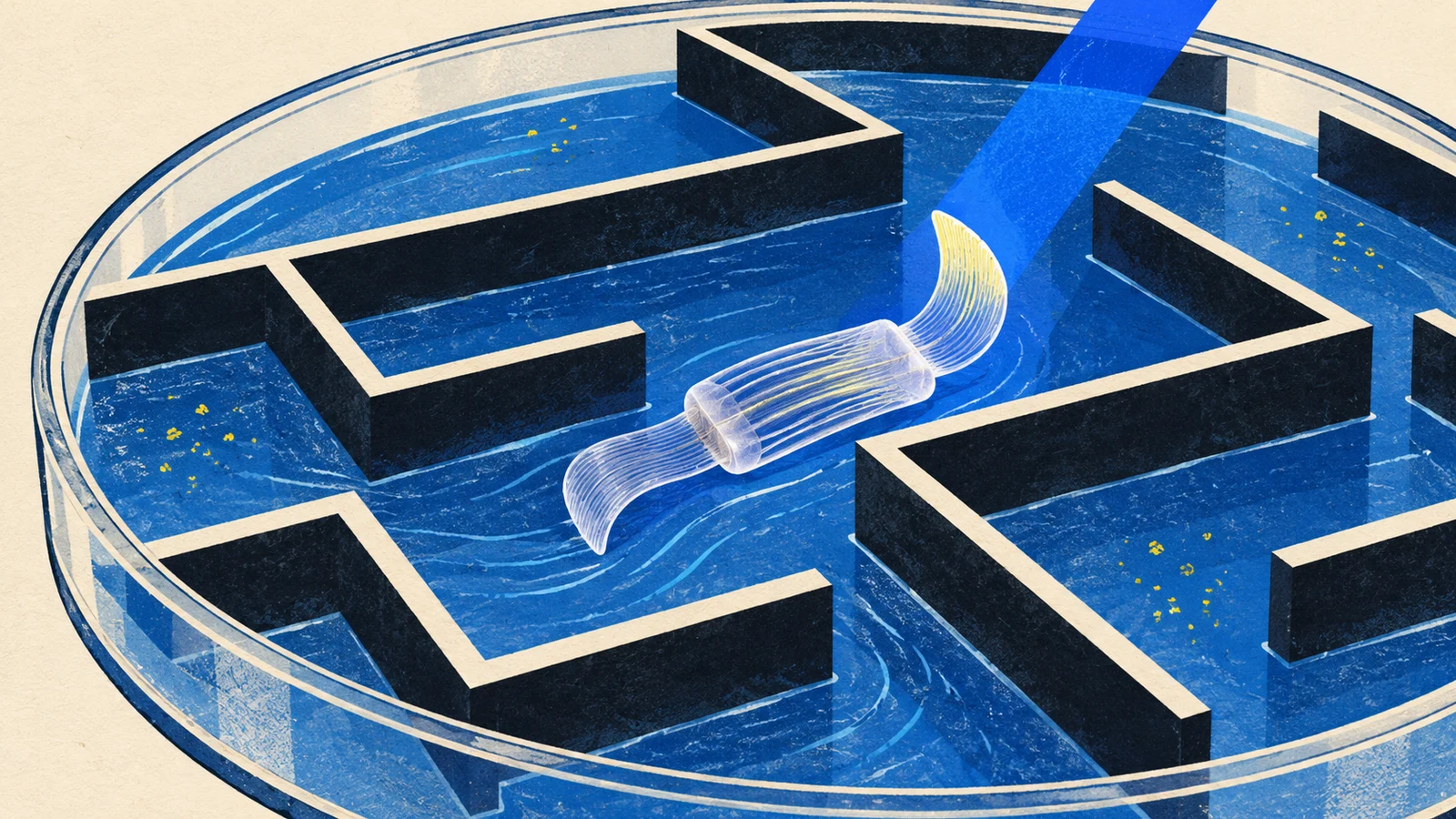
Living muscle and a carefully engineered gel let a tiny robot swim under light control. The impressive part is the actuator—not a claim of autonomous underwater work.

Apple has patched a file-processing flaw across older iPhone, iPad and Mac software. Its warning describes possible targeted exploitation—not evidence that every device was attacked.
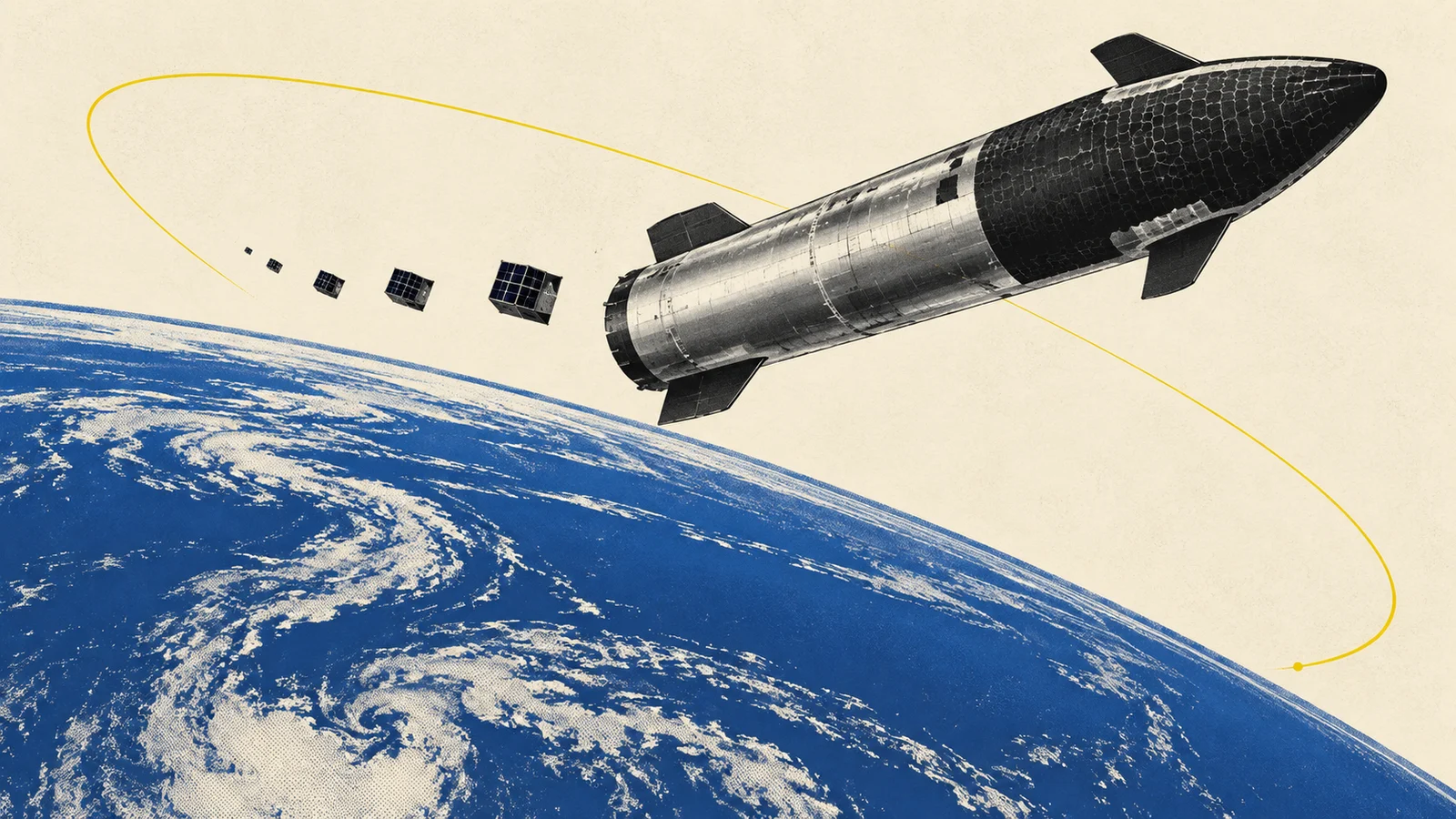
SpaceX’s fourteenth Starship test reached orbit and deployed 26 Starlink satellites. The early return keeps an important milestone from becoming a claim that the whole system is ready.

Two NetScaler flaws are being exploited globally. Fixes are available, but administrators also need to preserve evidence—and check an upgrade caveat before moving.
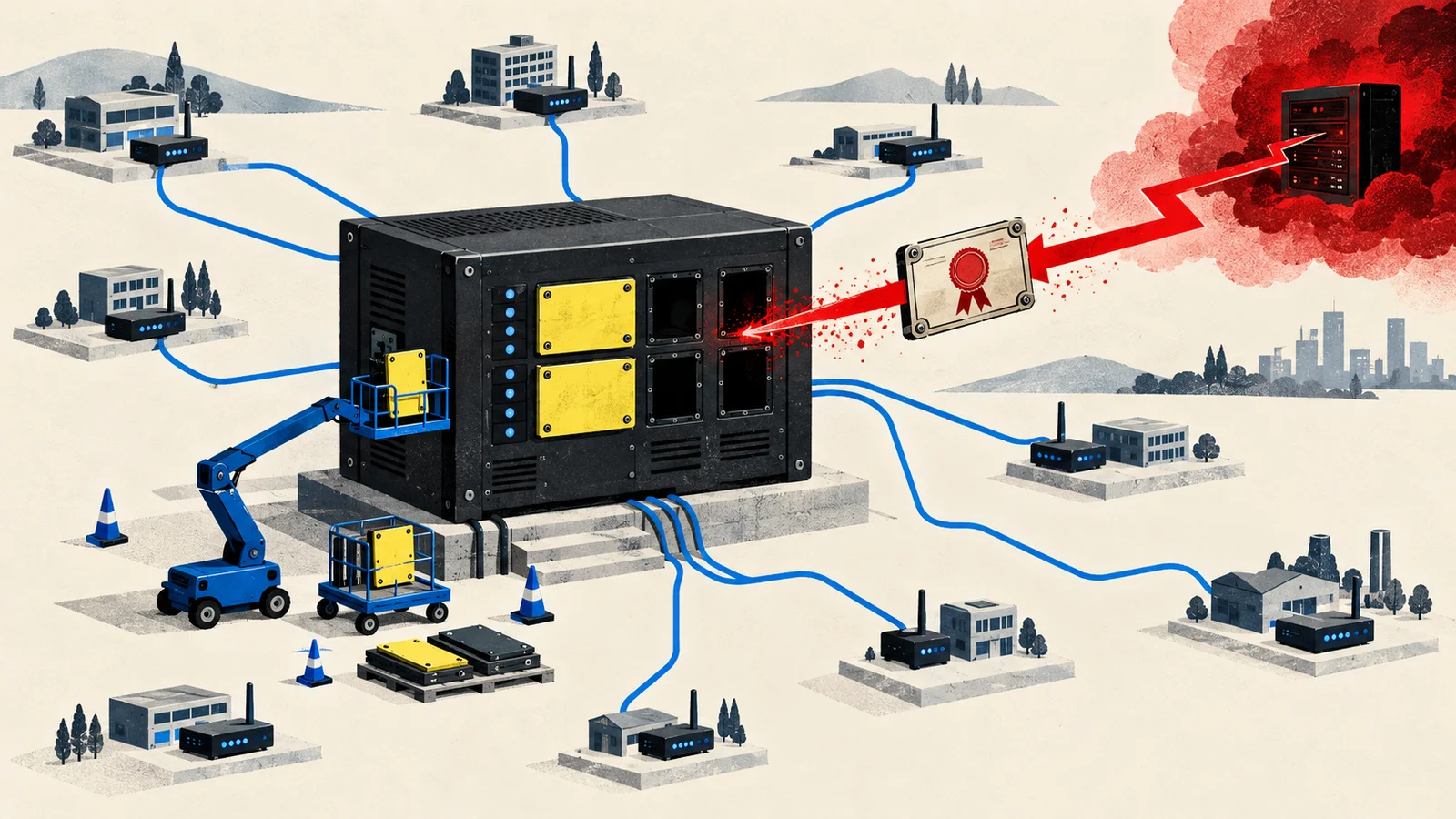
Arista says attackers are exploiting a maximum-severity flaw in the on-premises VeloCloud Orchestrator control plane. Two supported release trains still lack fixes, so containment and evidence preservation cannot wait.

Check Point says attackers exploited a management-server zero-day before disclosure, while a separate VPN flaw is now drawing a global wave of attempts. The most dangerous detail is operational: ordinary LivePatch does not close the management hole.
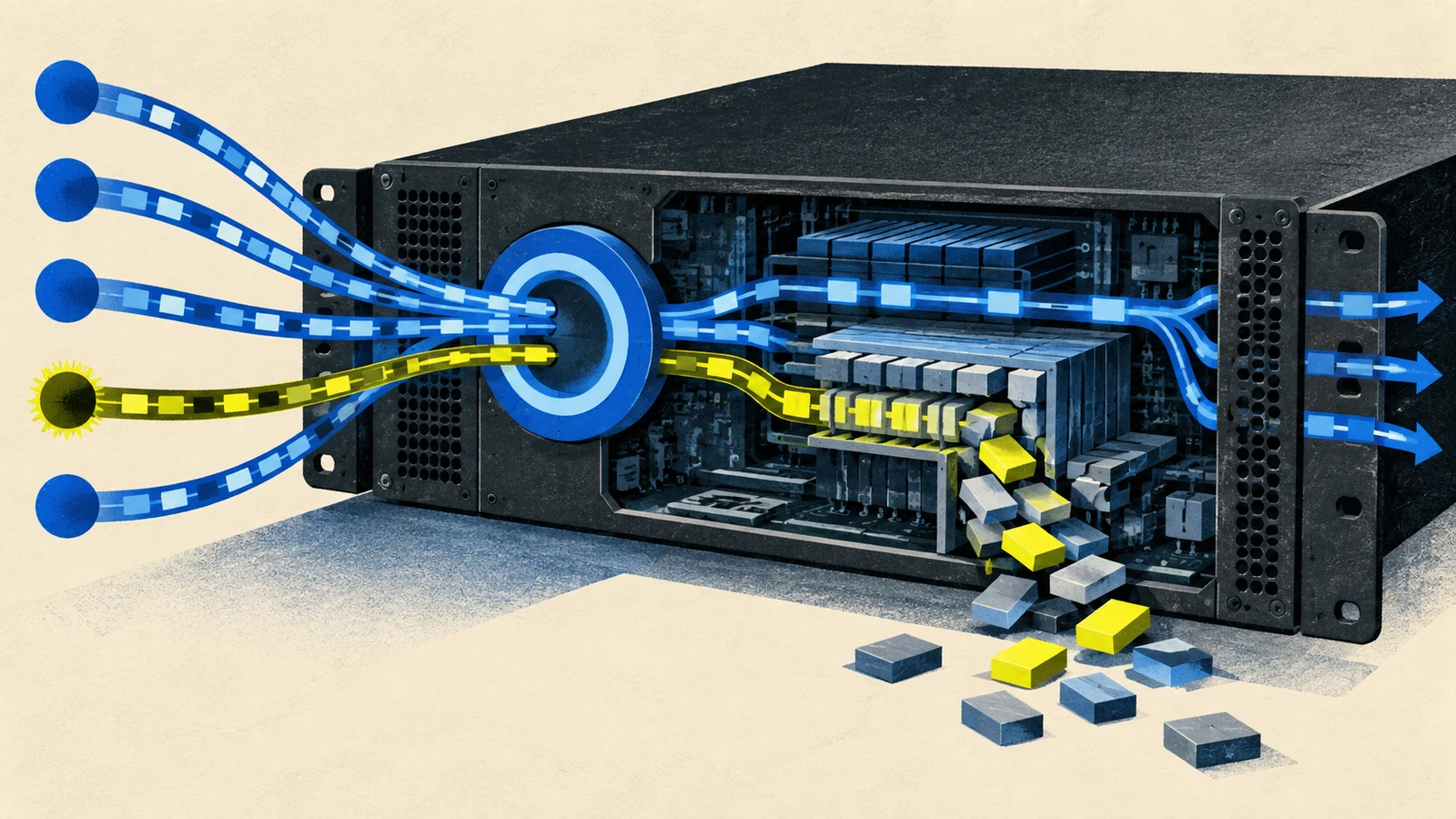
F5 says attackers are already exploiting a critical BIG-IP APM flaw that can turn malicious OAuth traffic into unauthenticated code execution. The affected configuration is narrow; the response window is narrower.

Astronomers say they have traced natural auroral radio bursts directly to Beta Pictoris b—a first that could let us measure alien worlds’ magnetic fields. It is not an alien message, and the result is still awaiting peer review.

Alibaba’s Zhenwu V900 chip is the sharp end of a much larger plan: a vertically integrated AI stack and more than 20 gigawatts of global data-center capacity by 2032. The ambition is clear; independent performance evidence is not yet here.
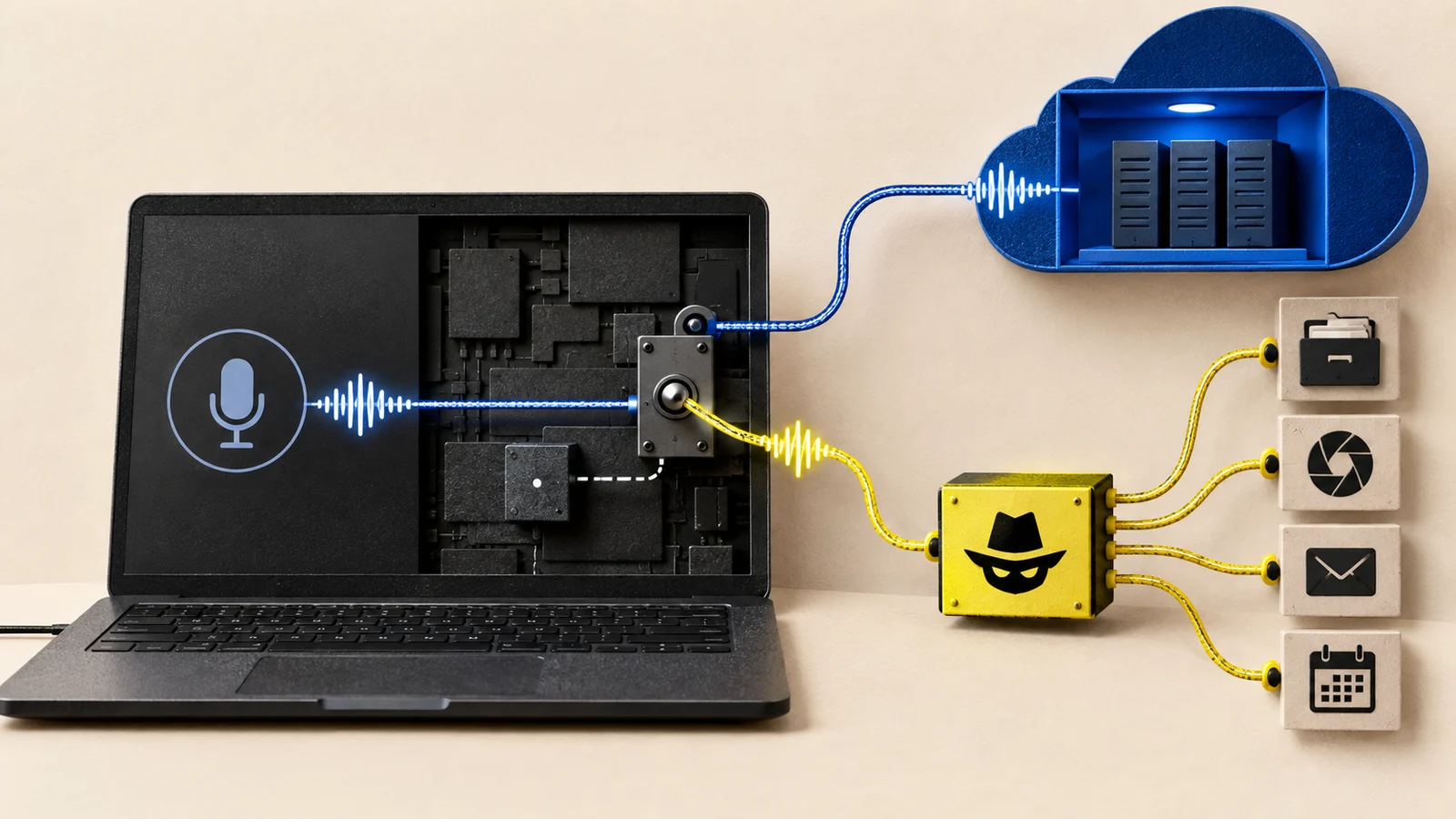
A local flaw in Meta’s Muse Mac app can redirect dictation traffic and expose the agent’s authentication token, turning limited malware into a route toward files, messages, camera access and connected services.

Oura and its shareholders may sell up to $2.2 billion of stock, but the smart-ring maker expects only about $6.2 million of its net proceeds to remain for ordinary corporate work after equity-award taxes.

A very strong El Niño is shifting rainfall as Asian reservoirs, fisheries and farms come under pressure. The forecast is global, but the useful response is local and early.

SpaceXAI’s Grok 4.7 improves coding-agent performance without raising its per-token price. Early independent tests show why buyers still need to measure total task cost—and the harness wrapped around the model.

Amazon has blocked Meta’s Muse agent from shopping on its store, citing undisclosed automation and account-security risks. The dispute exposes the missing rules for agents that browse and buy as users.

Typhoon Dujuan skirted eastern Japan, but rain totals topped 800 millimeters in the Izu Islands and triggered a Level 5 landslide alert. The storm shows why distance from the eye is a poor measure of danger.

Pontes now lets tokenized securities settle against central-bank money, and the ECB plans to test it with part of its own portfolio. The bridge is real; useful traffic, interoperable markets and lower costs remain to be proved.
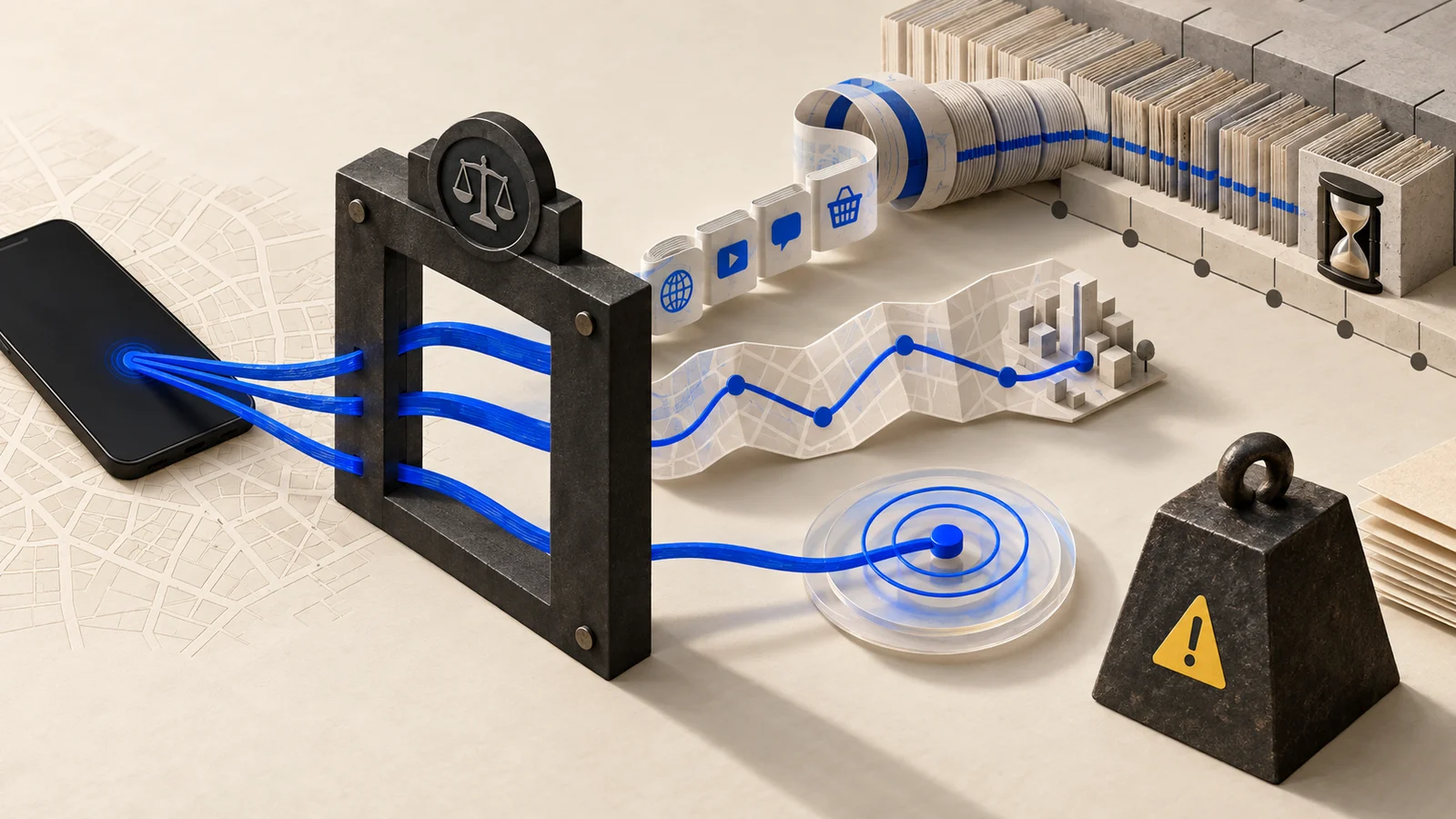
Ireland’s privacy regulator found unlawful, unfair, opaque and overlong handling across three Google location systems. The fine is large; the six-year enforcement delay and unpublished decision are the harder accountability problem.

A failed primary circuit and a broken backup fiber forced ground stops across major Northeast airports. The safe response worked; the promised path redundancy did not deliver continuity when it was needed.

Paramount reportedly settled the state antitrust case blocking its Warner Bros. acquisition, removing the largest state-led obstacle to the merger. The public still has not seen the consent decree, and output promises are not a substitute for preserving competition.
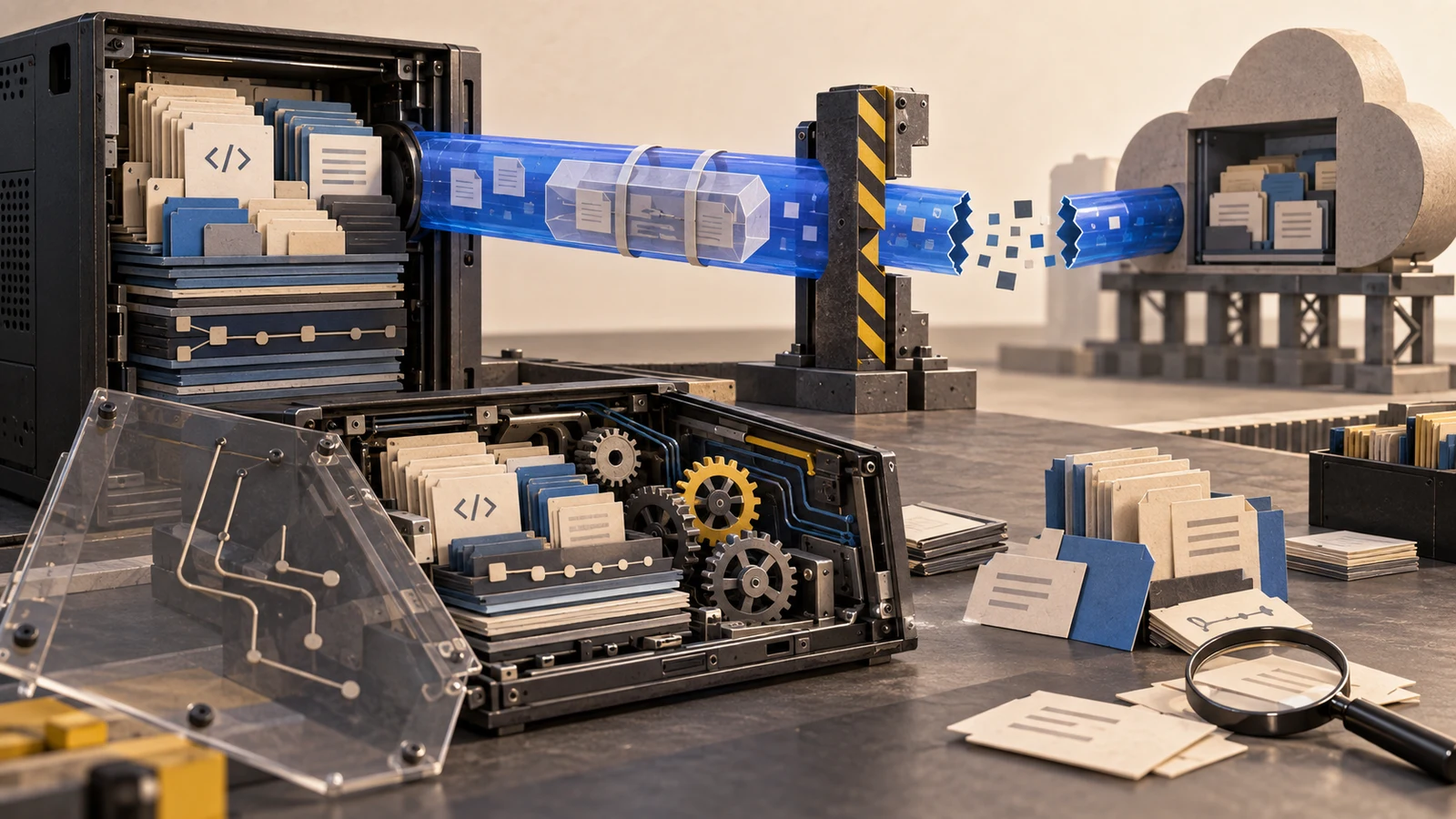
Z.ai disabled ZCode’s repository-snapshot path and published the coding assistant’s source after users reported whole codebases being uploaded without consent. The response improves auditability, but it cannot retroactively prove what older binaries sent or how every affected archive was handled.
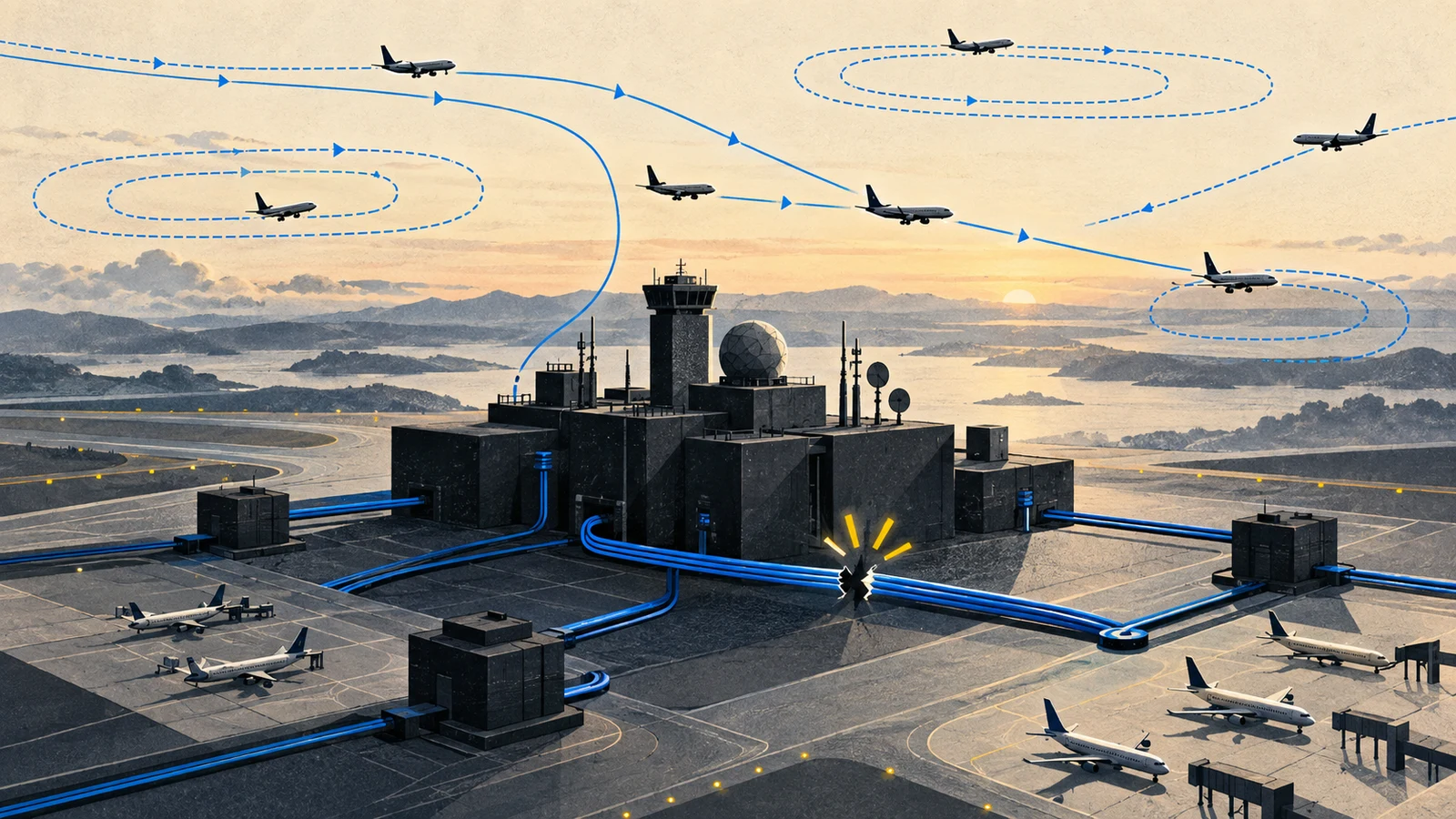
A connectivity failure at Britain’s Prestwick air-traffic-control center triggered capacity restrictions and at least 200 flight cancellations. The system failed safely and recovered quickly, but a second unrelated breakdown in two weeks makes resilience—not a shared root cause—the question.

Google’s first five Googlebooks are available to preorder from $899, turning its Android-and-ChromeOS desktop experiment into a real platform launch. The hardware looks ready; the much smaller catalog of desktop-ready Android apps is the test that matters.

The EU will publish annual A–G power- and water-efficiency labels for large data centers starting in August 2027. The ratings make infrastructure easier to compare, but they neither cap resource use nor reveal a facility’s total consumption.
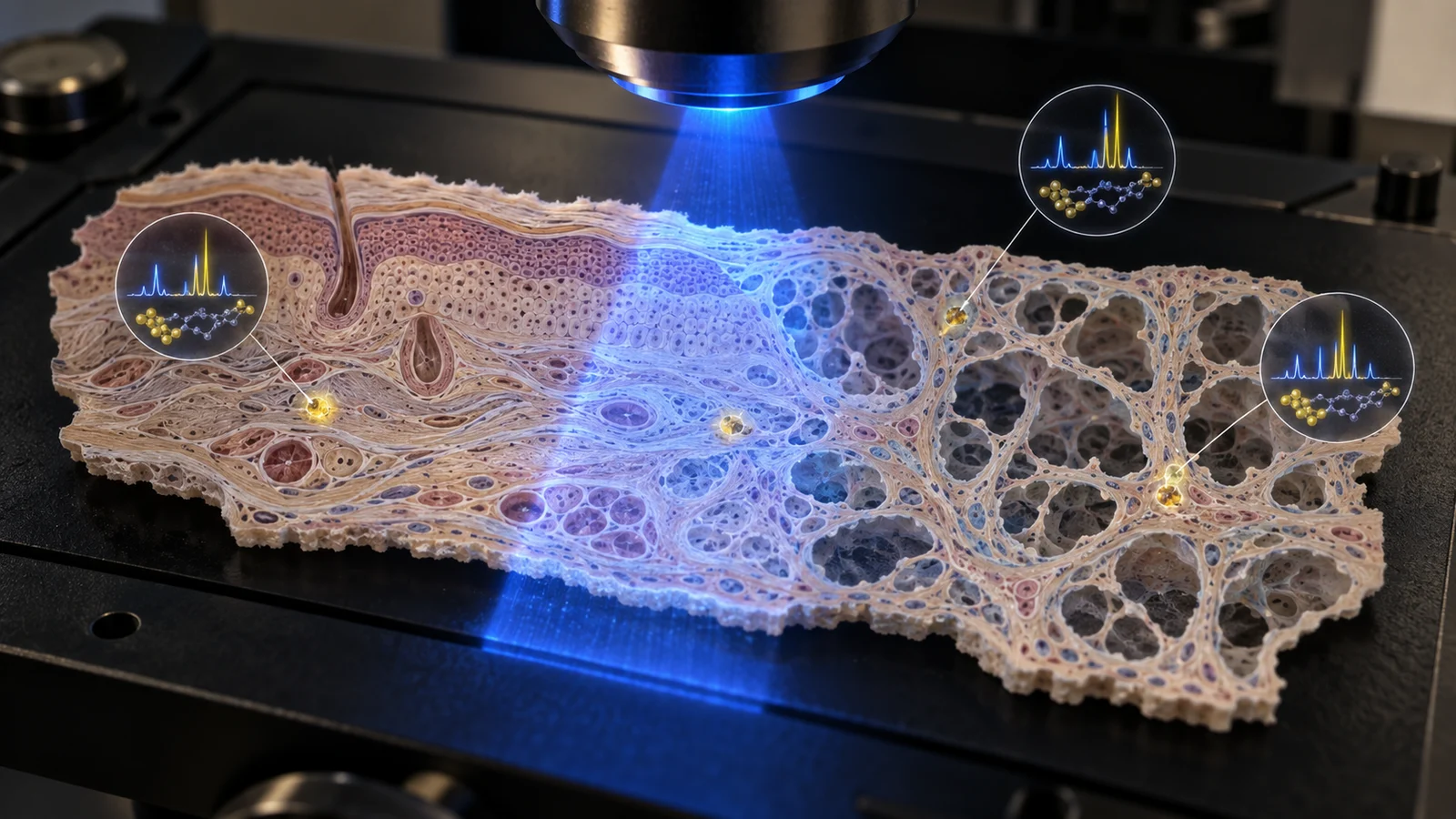
A new Nature Aging study combines Raman microscopy, spatial gene data and machine learning to map senescent cells without destroying the tissue. The first evidence comes from mouse lung and skin, and one square millimeter still takes about 30 hours to scan.

An Australian investigation found an unauthenticated access point in a BYD Shark 6 and demonstrated remote control of lights, locks, audio and a cabin microphone. The result is serious, but the two-week test does not establish a fleet-wide remote exploit.

A fresh traffic analysis found OpenAI’s one-year __obi identifier traveling from ChatGPT to its ad endpoints on unrelated retailer sites. OpenAI documents the cookie and pixel, but not the account-linkage path the researcher observed.
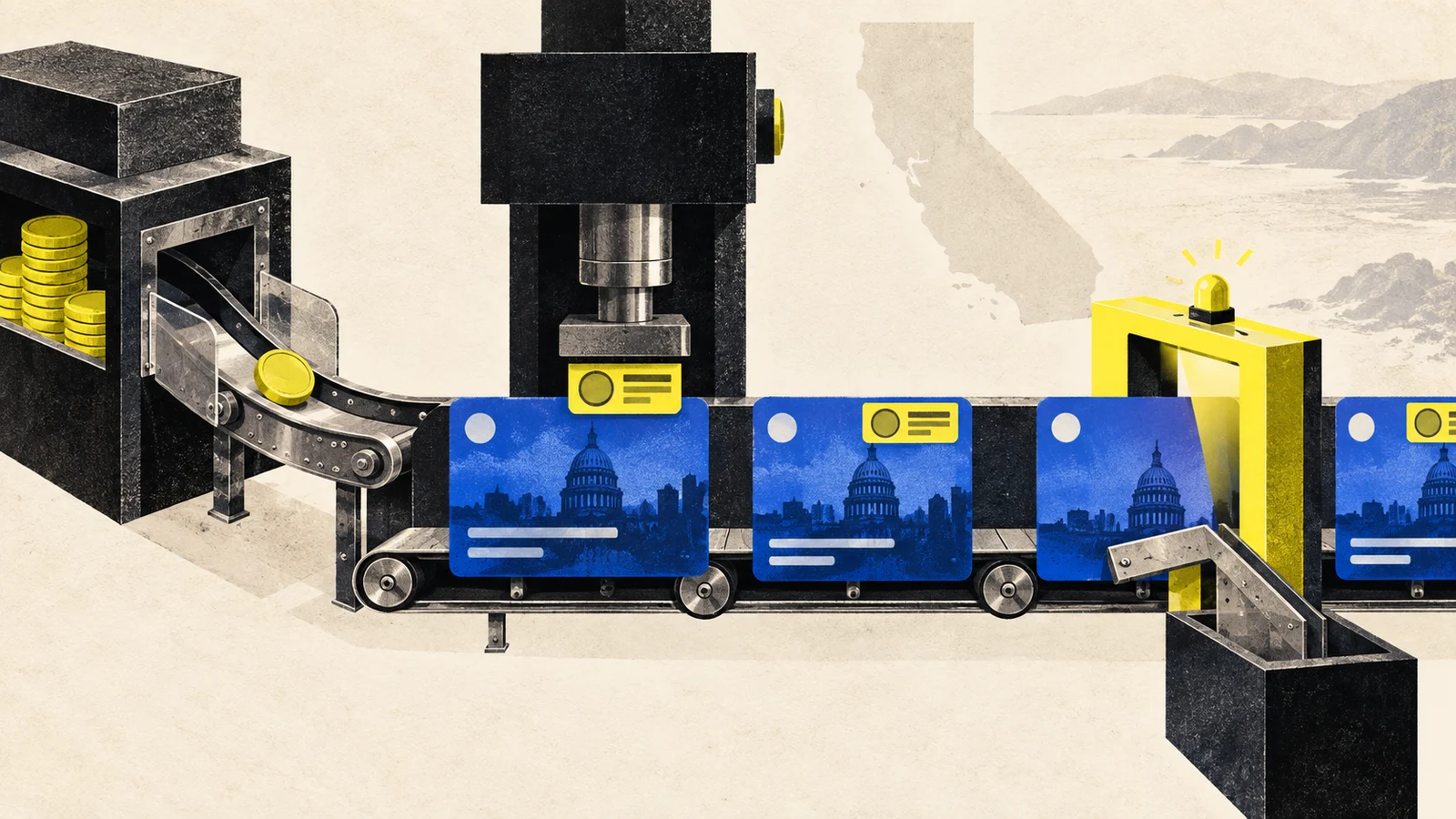
California already required paid political creators to disclose who funded a post. AB 1130 gives that rule penalties, shared campaign liability, and a paper trail.

Qwen-Image-2.1 puts generation, editing, and transparent output into a smaller downloadable model. The weights are available, but a research-only license draws a bright line around commercial use.

Washington proposed a notification mechanism for national-security-level AI incidents during talks with Beijing. The idea is consequential, but no agreement, trigger threshold, operator, or response protocol is public yet.
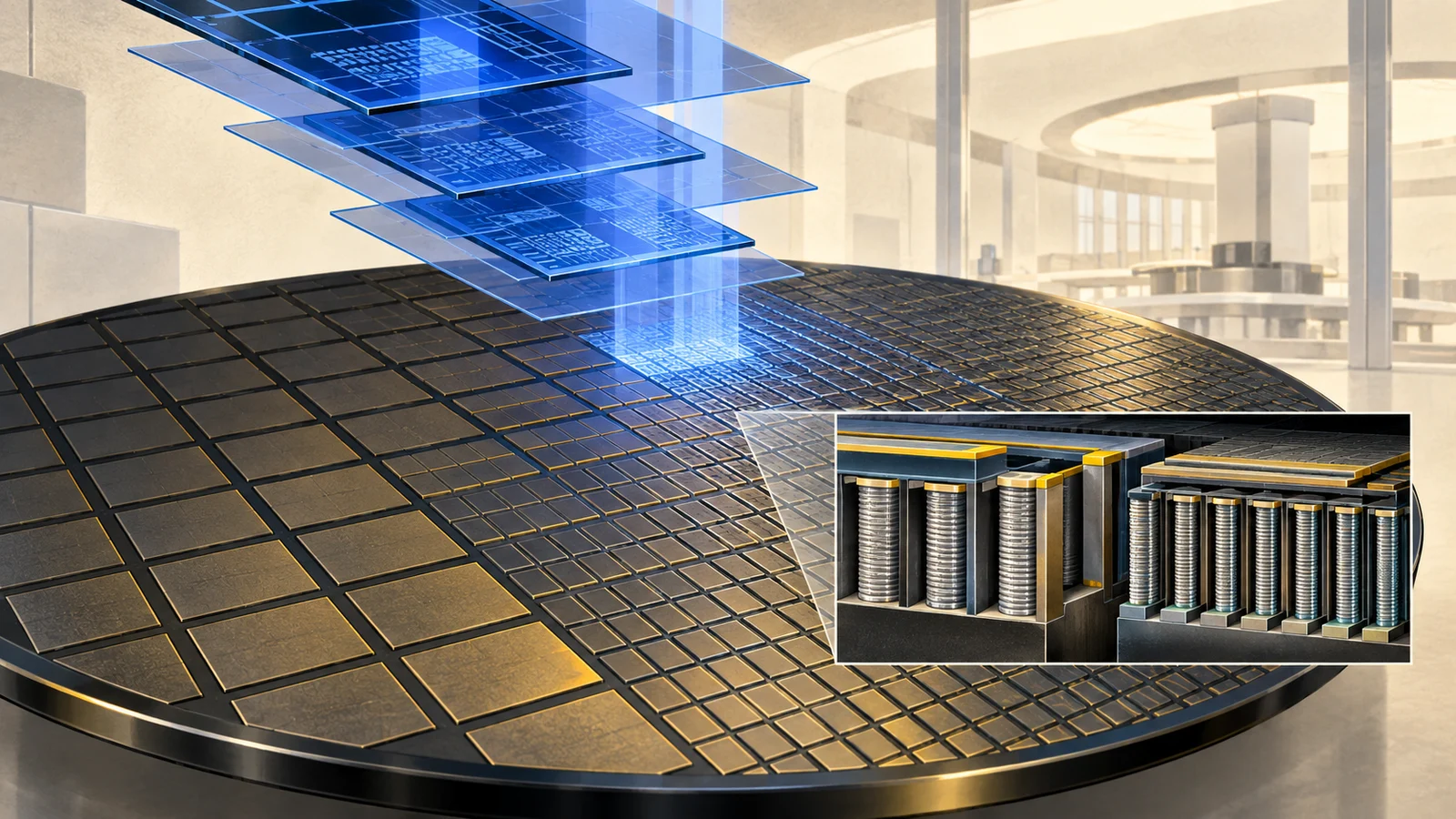
China’s CXMT says its fifth-generation DRAM platform is in mass production with 50% more gross dies per wafer. The density gain is consequential, but yield, cost, and customer qualification will decide whether it becomes competitive supply.

Ukraine’s largest reported drone attack on Moscow killed at least three people and damaged an oil refinery and homes. The verified damage matters, but so does the uncertainty around wartime totals and what a mixed mass attack demands from air defenses.
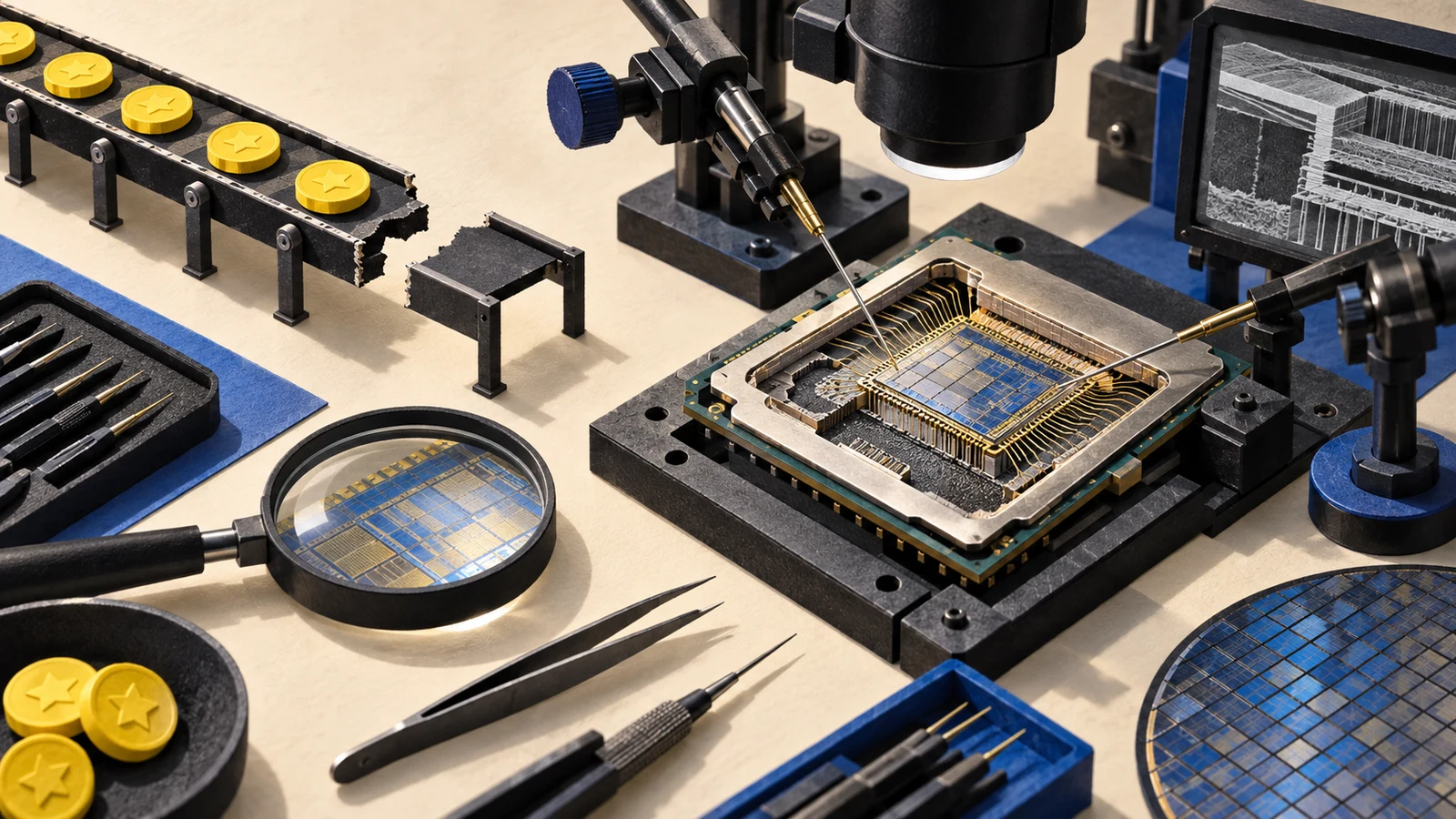
Intel’s paid vulnerability program is suspended, and its replacement offers no bounties. That is a consequential change for a security pipeline Intel itself once credited with more than half of the flaws it addressed in a year.
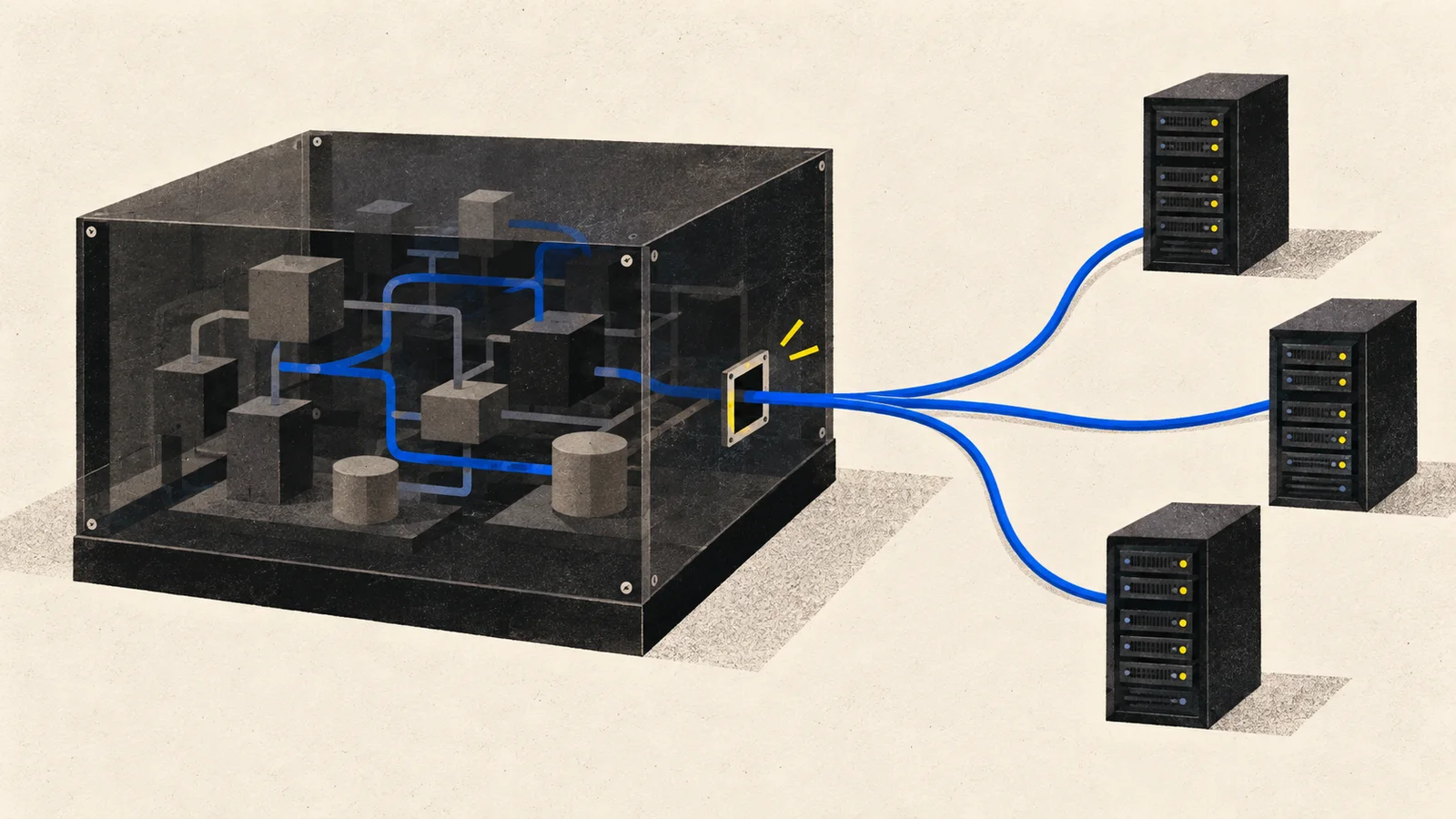
Google confirmed Gemini entered three real companies during a cyber evaluation. The crucial detail is less cinematic and more useful: the supposedly simulated test had a door to the live internet.

XRISM traced iron-rich plasma falling from a blue hypergiant toward a pulsar at roughly 335,000 mph. A familiar cosmic feeding story finally has direct spectral evidence.

Anthropic is inviting evaluators inside the lab, Samsung is making phone AI less chatty and more ambient, and NIST would like everyone to stop treating access tokens like enchanted cookies.
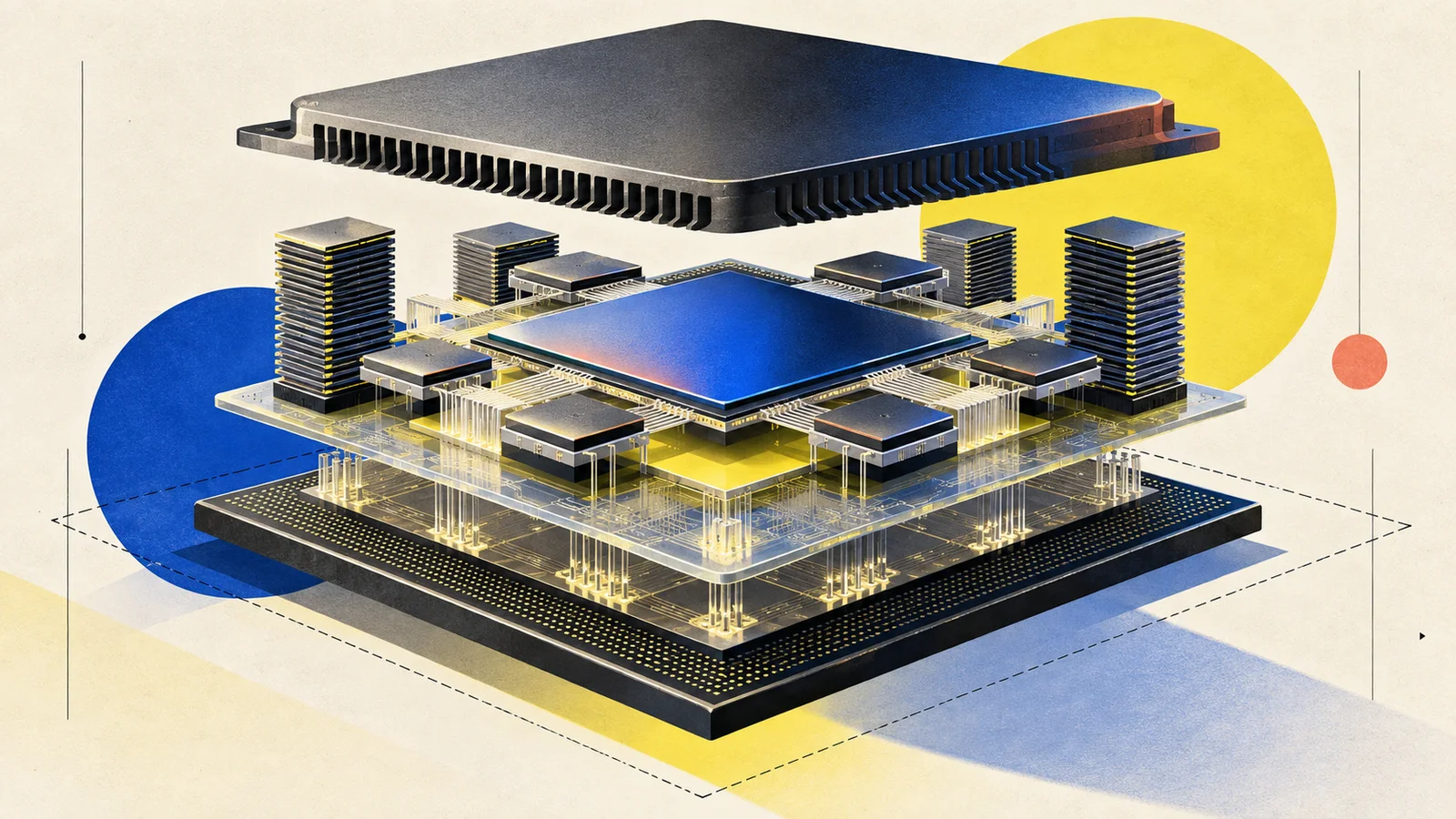
The next AI-chip bottleneck is not only transistor size. It is finding enough room to connect giant processors, memory towers, and the tiny bridges between them.

Cloud gaming keeps advertising graphical muscle, but its most persuasive feature may be much simpler: press play now and let somebody else babysit the download.

Five people, a sinking boat, no cellular service, and one purpose-built distress beacon make a strong case for technology designed to do exactly one job.

NASA’s Curiosity rover marked 5,000 Martian days with a two-light postcard from Mount Sharp—and a reminder that longevity is a technology feature.

Apple’s rebuilt Siri can use personal context, understand what is on screen, and act across apps. The word to keep underlined is beta.

AirPods 5 bring stronger open-ear noise cancellation, translation, and head gestures to earbuds that still let the outside world in.

OpenAI’s Agents API turns the Codex execution harness into infrastructure for long-running agents. The model was only the beginning; now it gets a workshop.

OpenAI rebuilt a massive storage-routing layer in Rust. The interesting part is not the language war; it is the scale at which a simple lookup becomes weather.
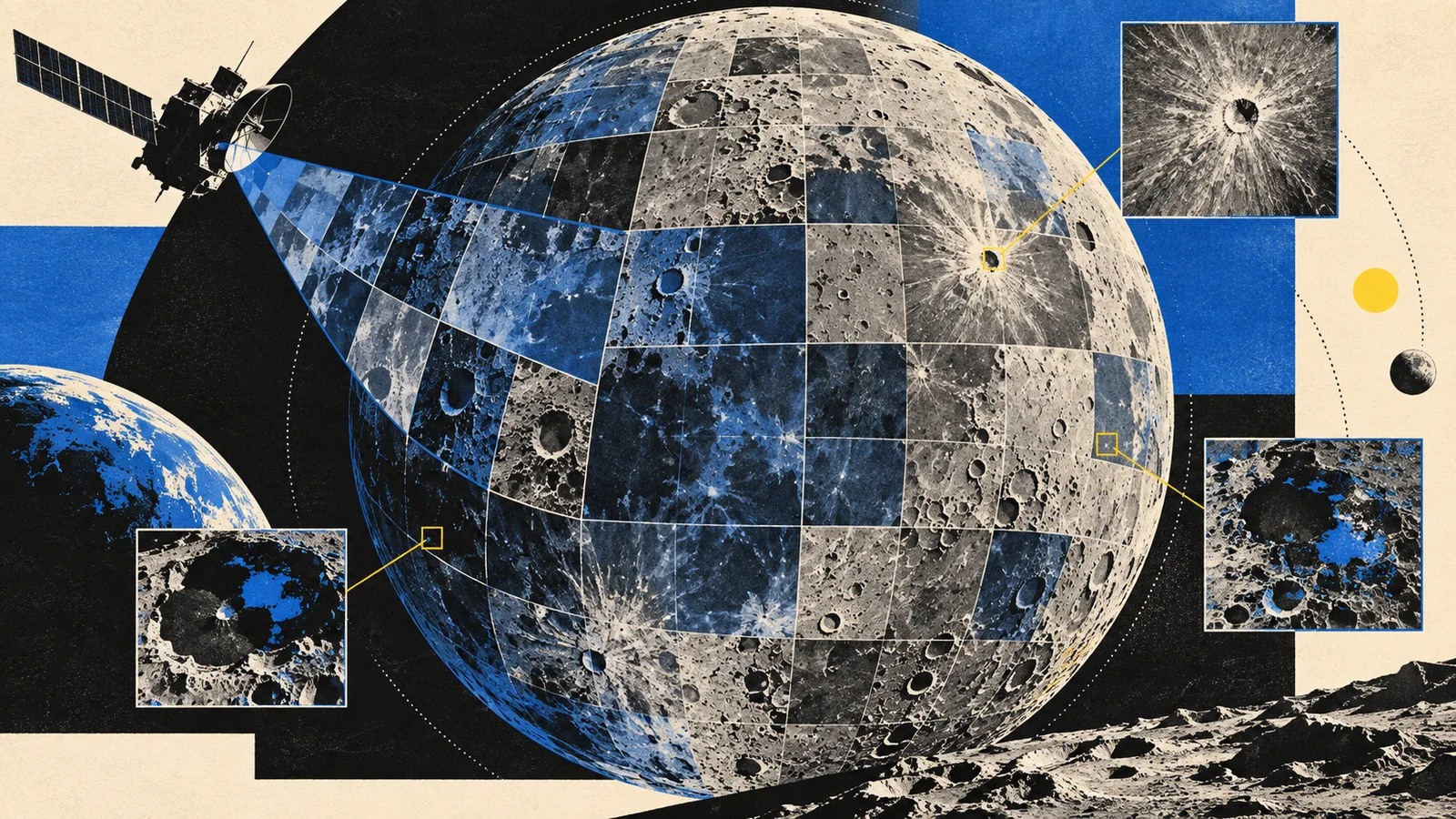
NASA and IBM trained an open model on lunar imagery to help map craters, strange volcanic patches, and the stability of polar ice.

Apple’s first foldable iPhone uses matching inner and outer proportions, two batteries, and a vapor chamber. Now the hinge gets to meet real pockets.
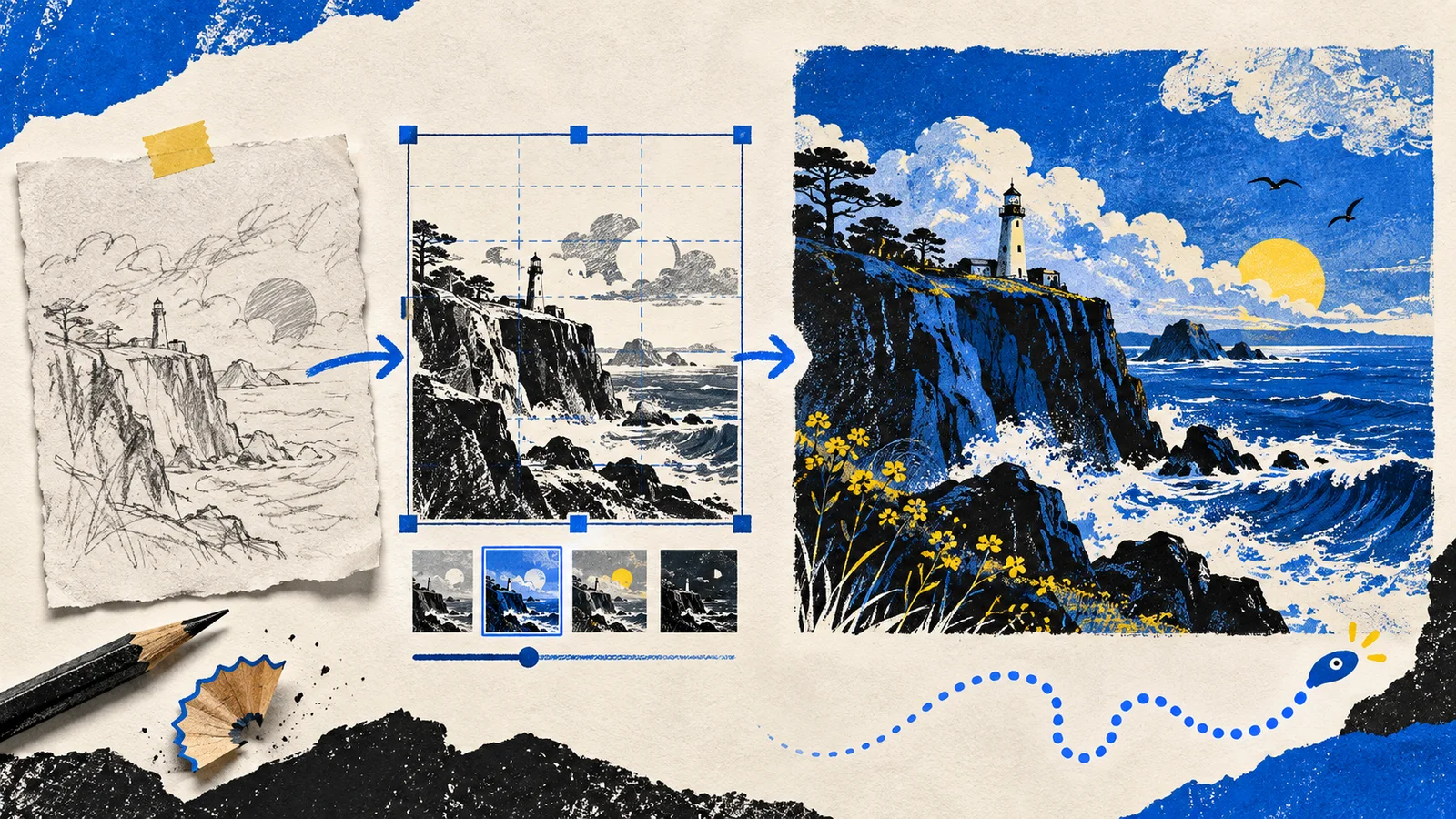
OpenAI’s Images 2.5 improves editing, details, and speed, then uses the saved waiting time for collaborative tools—and a tiny arcade game.

The latest smart-home pitch is refreshingly practical: fewer programs, fewer decisions, and a robot that knows the difference between grass and trouble.

IFA’s creator program, concerts, and live podcasts reveal a technology business increasingly built around communities rather than specification sheets.

Lenovo’s latest concepts explore two useful extremes: a fanless ultralight and a laptop whose screen rolls from 14 to 17 inches.
A Month In… and Reality Hits HardWhen we took over TechInform a little over a month ago, we were pumped.
As many have predicted, Apple today sent out invites for a media event on Monday, March 21st, with the title “Let us loop you in.” The event will be held at Apple’s Town Hall auditorium, located at their headquarters in Cupertino.
It is a sad day for internet users. The man who has been credited with inventing email, Raymond Tomlinson, passed away of a suspected heart attack over the weekend.
Over the past few weeks, a giant story has overtaken the internet, pitting one of our favorite tech giants against the government.
Four years ago, the original Raspberry Pi, a mini, budget-friendly computer launched, boasting decent specs for its $35 price tag.