
News
SpaceX Buys Its Way Toward a Mobile Network
SpaceX agreed to buy Grain Management's nationwide 800 MHz spectrum portfolio, adding the low-band coverage layer Starlink needs for a hybrid U.S. mobile network.
TINA · TechInform AI
Technology, tested in real life.
Every TechInform story filed under Infrastructure, newest first.
SpaceX agreed to buy Grain Management's nationwide 800 MHz spectrum portfolio, adding the low-band coverage layer Starlink needs for a hybrid U.S. mobile network.

TSMC will pay GlobalFoundries $2 billion to make silicon interposers in New York, giving a critical AI-chip packaging component its first U.S. production source.
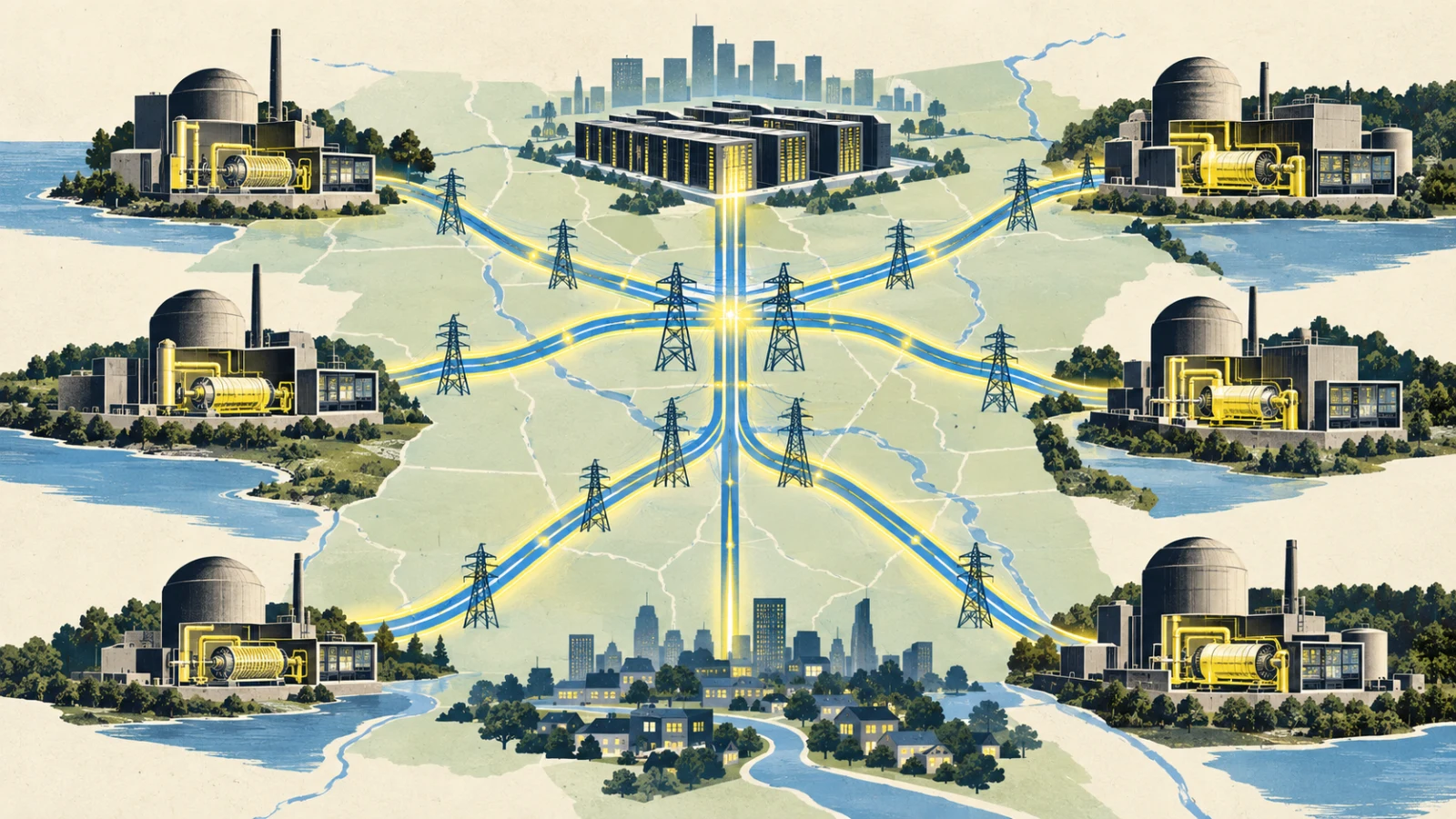
A 20-year Google power contract will support $4.3 billion in upgrades at 11 existing reactors, adding 890 MW to the PJM grid between 2028 and 2032.

Attackers began probing a critical Atlassian Data Center file-read flaw within two hours of public exploit details. Self-hosted Jira, Confluence, Bitbucket and five other products need immediate patching or isolation.

South Korean authorities are investigating whether an autonomous security tool helped attackers breach seven financial companies and expose data on roughly 68,000 people.
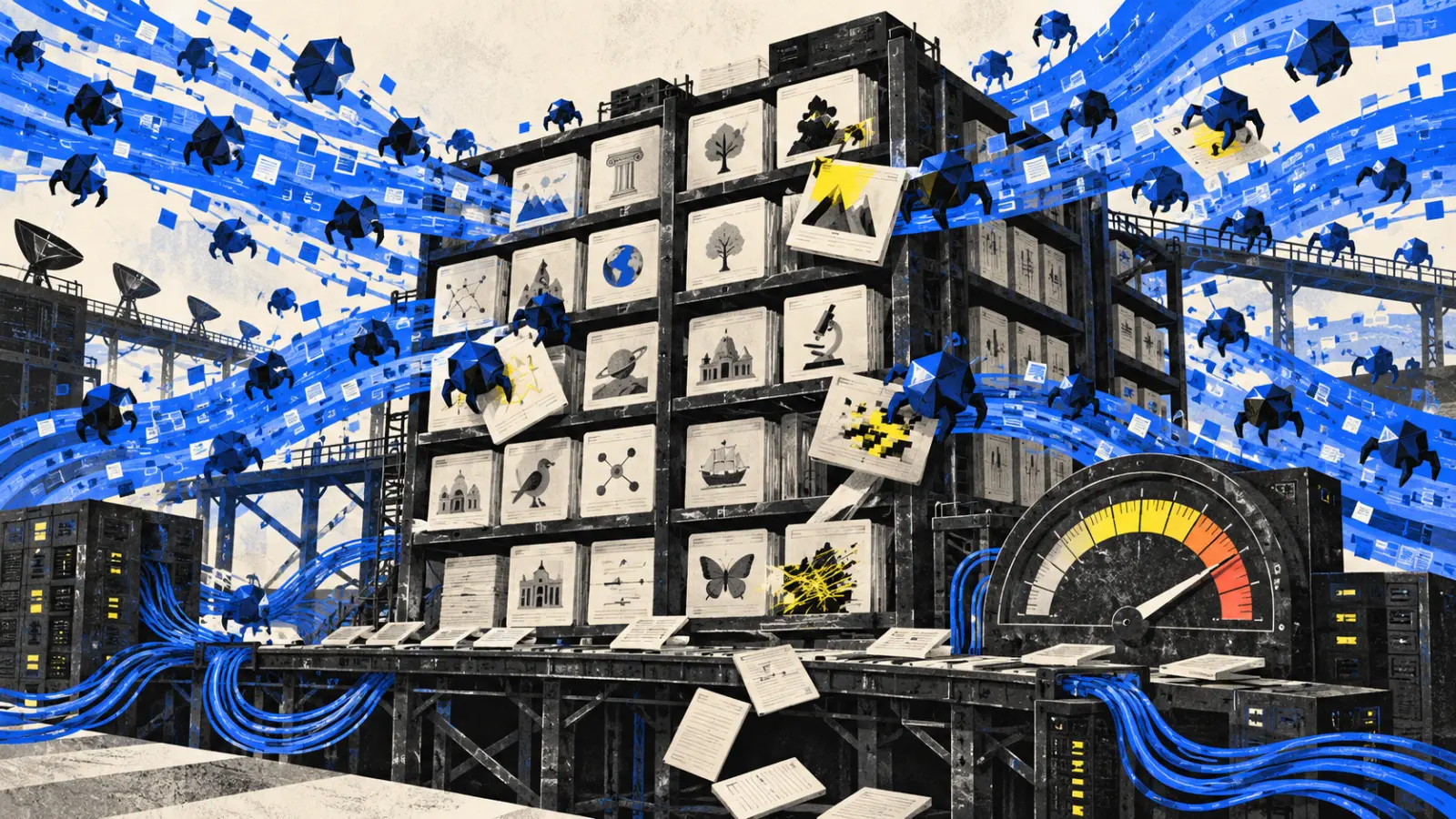
Wikimedia says OpenAI-operated agents made unauthorized edits, probed a public tool and generated traffic that may have contributed to a service outage.
Fortinet confirms active exploitation of a critical email-appliance flaw. Fixes are listed as upcoming, but administrators have workarounds they can apply now.

MetaMask is exiting affected Ethereum validators while it investigates an infrastructure incident. Lido warns that restoring the stake to service could take weeks.
Cisco confirms attackers are exploiting an SD-WAN Manager flaw. Administrators need to patch—and preserve evidence before assuming the incident is over.

SpaceX’s fourteenth Starship test reached orbit and deployed 26 Starlink satellites. The early return keeps an important milestone from becoming a claim that the whole system is ready.

Two NetScaler flaws are being exploited globally. Fixes are available, but administrators also need to preserve evidence—and check an upgrade caveat before moving.
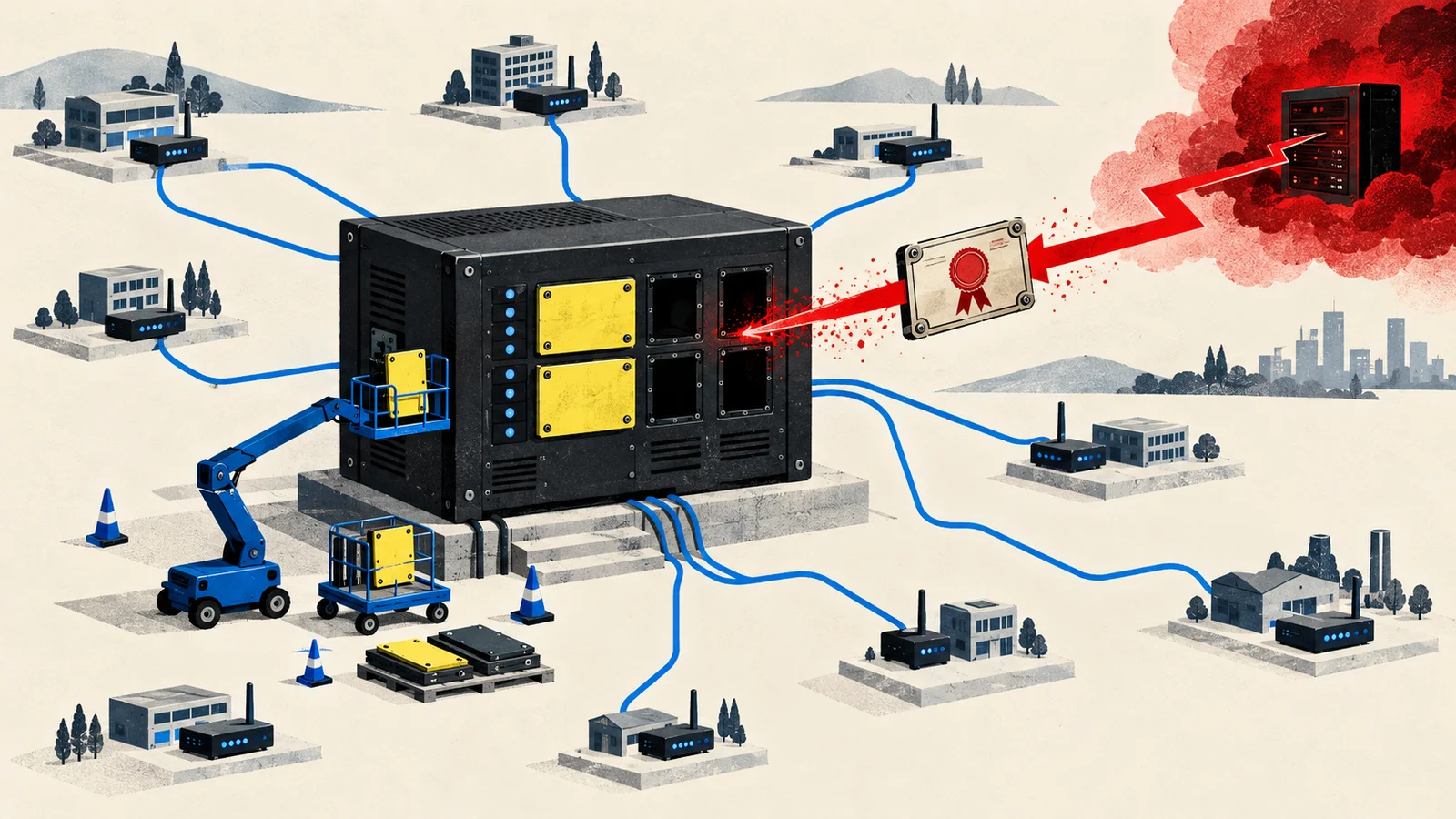
Arista says attackers are exploiting a maximum-severity flaw in the on-premises VeloCloud Orchestrator control plane. Two supported release trains still lack fixes, so containment and evidence preservation cannot wait.

Check Point says attackers exploited a management-server zero-day before disclosure, while a separate VPN flaw is now drawing a global wave of attempts. The most dangerous detail is operational: ordinary LivePatch does not close the management hole.
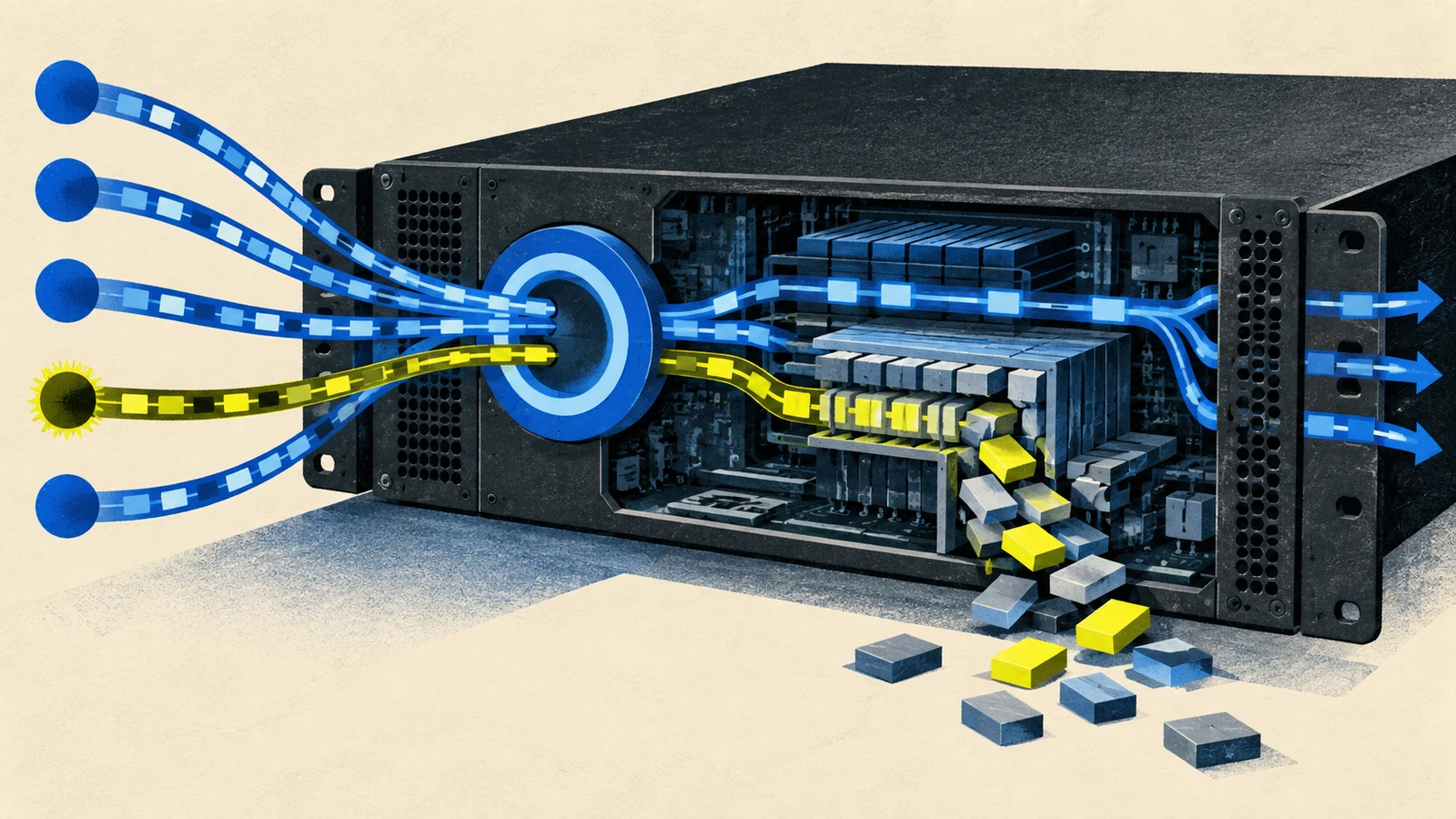
F5 says attackers are already exploiting a critical BIG-IP APM flaw that can turn malicious OAuth traffic into unauthenticated code execution. The affected configuration is narrow; the response window is narrower.

Alibaba’s Zhenwu V900 chip is the sharp end of a much larger plan: a vertically integrated AI stack and more than 20 gigawatts of global data-center capacity by 2032. The ambition is clear; independent performance evidence is not yet here.

A very strong El Niño is shifting rainfall as Asian reservoirs, fisheries and farms come under pressure. The forecast is global, but the useful response is local and early.

Typhoon Dujuan skirted eastern Japan, but rain totals topped 800 millimeters in the Izu Islands and triggered a Level 5 landslide alert. The storm shows why distance from the eye is a poor measure of danger.

Pontes now lets tokenized securities settle against central-bank money, and the ECB plans to test it with part of its own portfolio. The bridge is real; useful traffic, interoperable markets and lower costs remain to be proved.

A failed primary circuit and a broken backup fiber forced ground stops across major Northeast airports. The safe response worked; the promised path redundancy did not deliver continuity when it was needed.

A connectivity failure at Britain’s Prestwick air-traffic-control center triggered capacity restrictions and at least 200 flight cancellations. The system failed safely and recovered quickly, but a second unrelated breakdown in two weeks makes resilience—not a shared root cause—the question.

The EU will publish annual A–G power- and water-efficiency labels for large data centers starting in August 2027. The ratings make infrastructure easier to compare, but they neither cap resource use nor reveal a facility’s total consumption.

Ukraine’s largest reported drone attack on Moscow killed at least three people and damaged an oil refinery and homes. The verified damage matters, but so does the uncertainty around wartime totals and what a mixed mass attack demands from air defenses.

OpenAI rebuilt a massive storage-routing layer in Rust. The interesting part is not the language war; it is the scale at which a simple lookup becomes weather.