Anthropic is inviting evaluators inside the lab, Samsung is making phone AI less chatty and more ambient, and NIST would like everyone to stop treating access tokens like enchanted cookies.
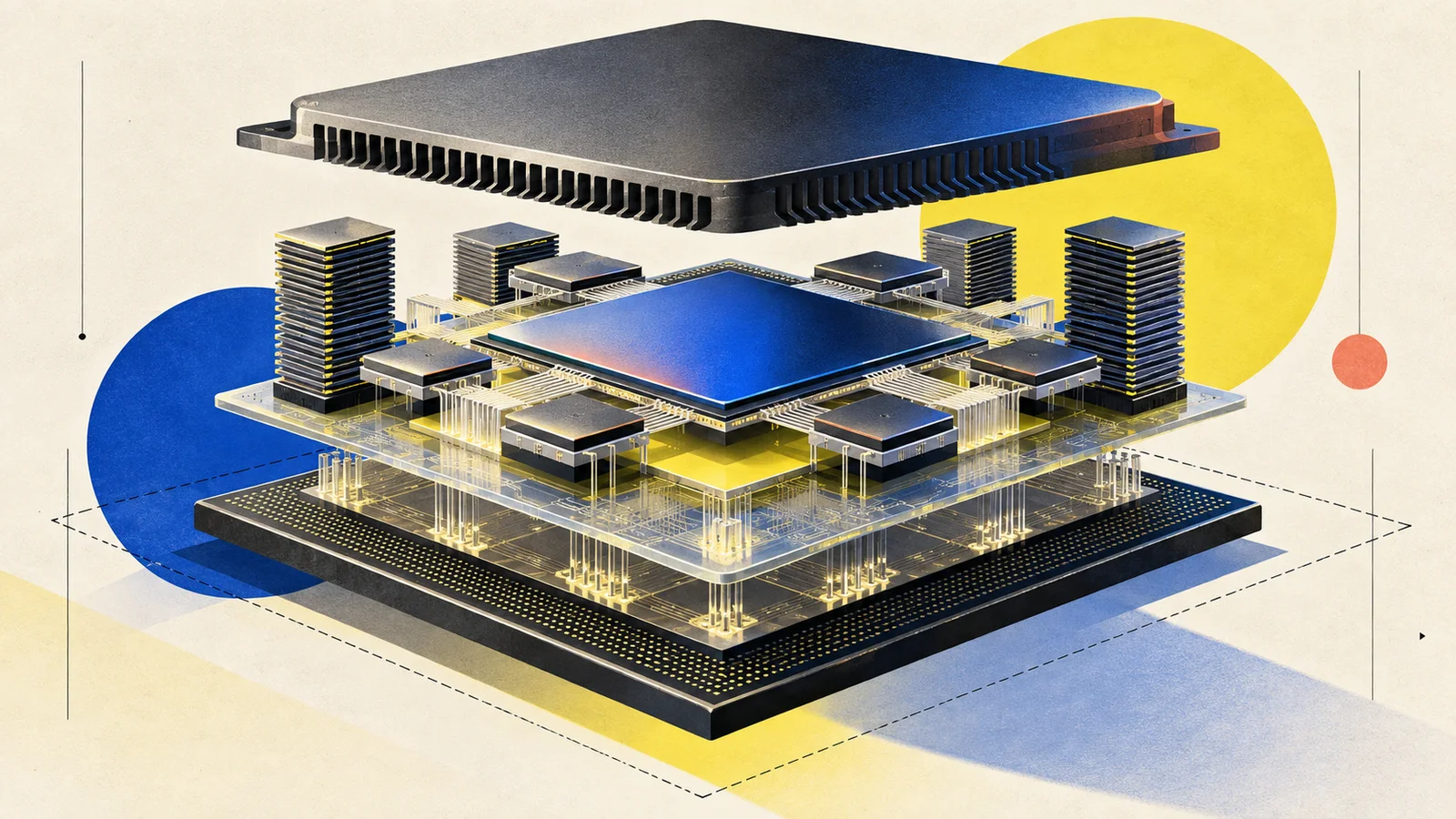
The next AI-chip bottleneck is not only transistor size. It is finding enough room to connect giant processors, memory towers, and the tiny bridges between them.
OpenAI’s Agents API turns the Codex execution harness into infrastructure for long-running agents. The model was only the beginning; now it gets a workshop.
OpenAI rebuilt a massive storage-routing layer in Rust. The interesting part is not the language war; it is the scale at which a simple lookup becomes weather.
The White House’s new AI framework makes a surprisingly smart case for balancing safety and speed. America absolutely needs AI laws, but it also can’t afford to tie its own hands while rival nations push forward.