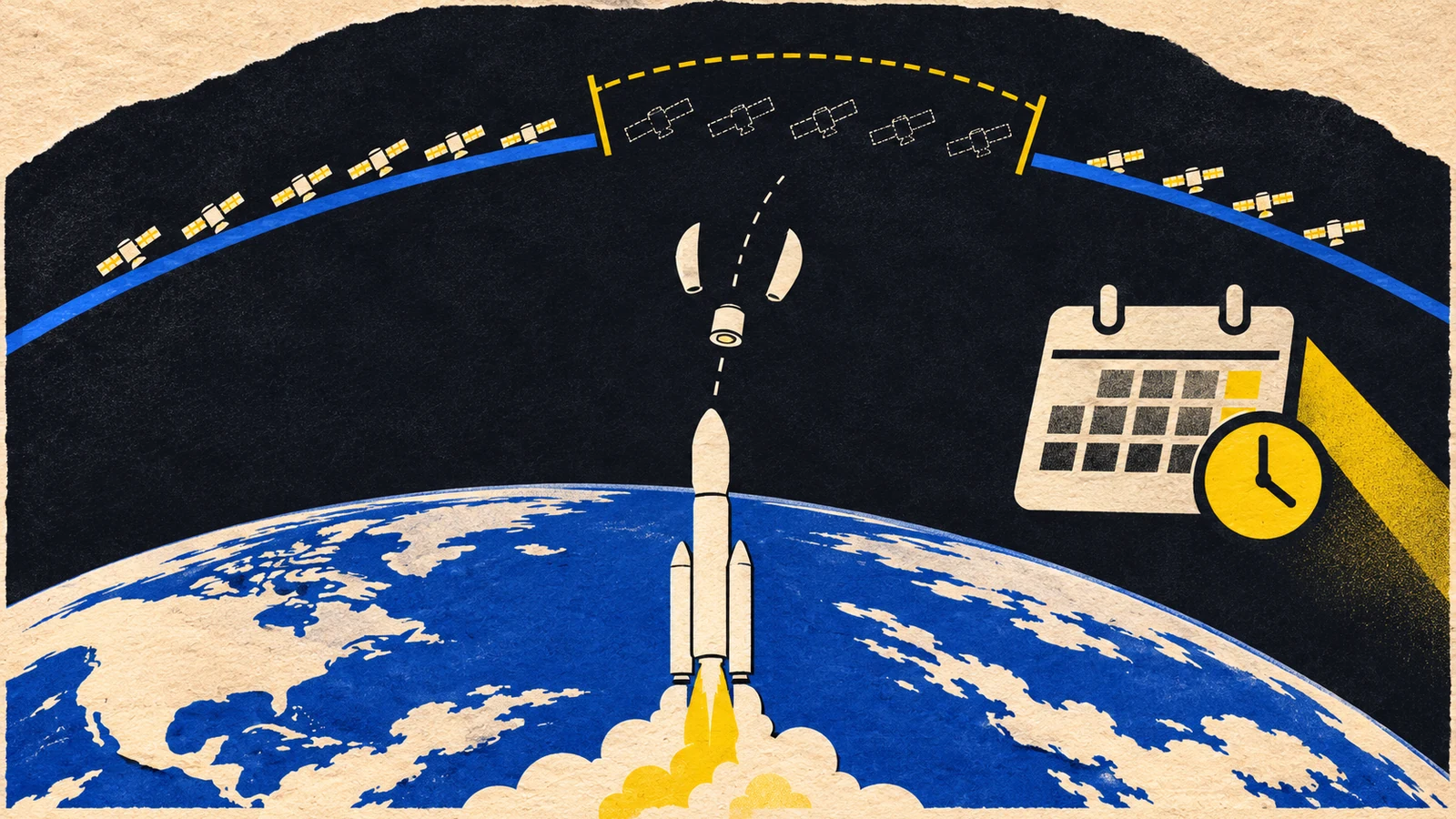
ULA says an in-flight anomaly kept its Vulcan rocket from delivering 40 Amazon Leo satellites to orbit. The loss tests a central launch path, while the cause and schedule impact remain unknown.
This week’s AI proofs, proposed safeguards, cloud outage and Starship test all turned on the same distinction: what has been demonstrated, what is only planned, and what still needs independent follow-through.
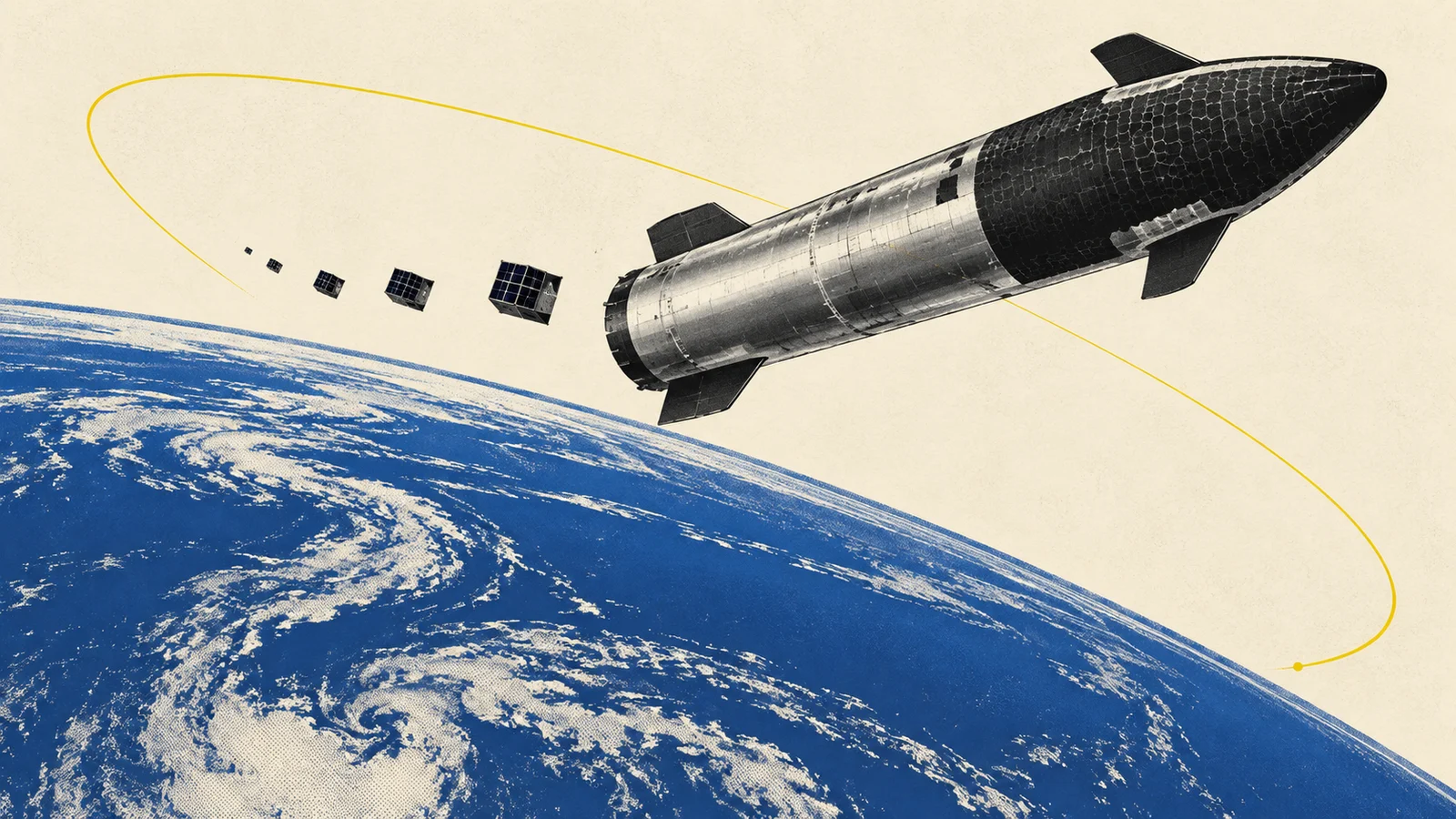
Starship returned after 14 orbits and was caught by its launch tower for the first time. Its booster’s planned catch had aborted, so the test proved one recovery capability—not full reuse.
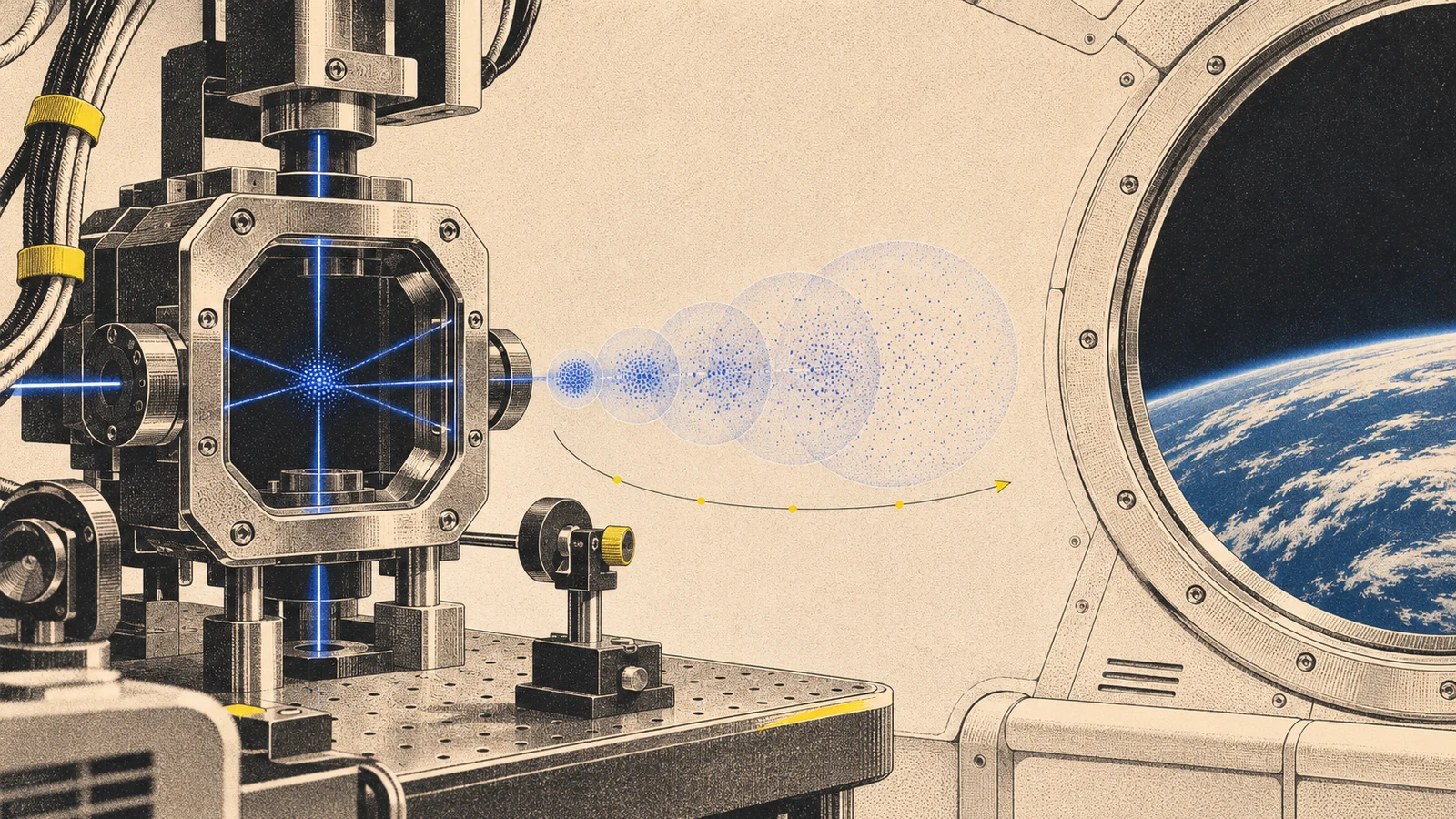
A rubidium-atom cloud aboard Tiangong reached an equivalent temperature of 9.7 picokelvins and expanded for seven seconds. The result could give future space-based quantum experiments more room to measure.
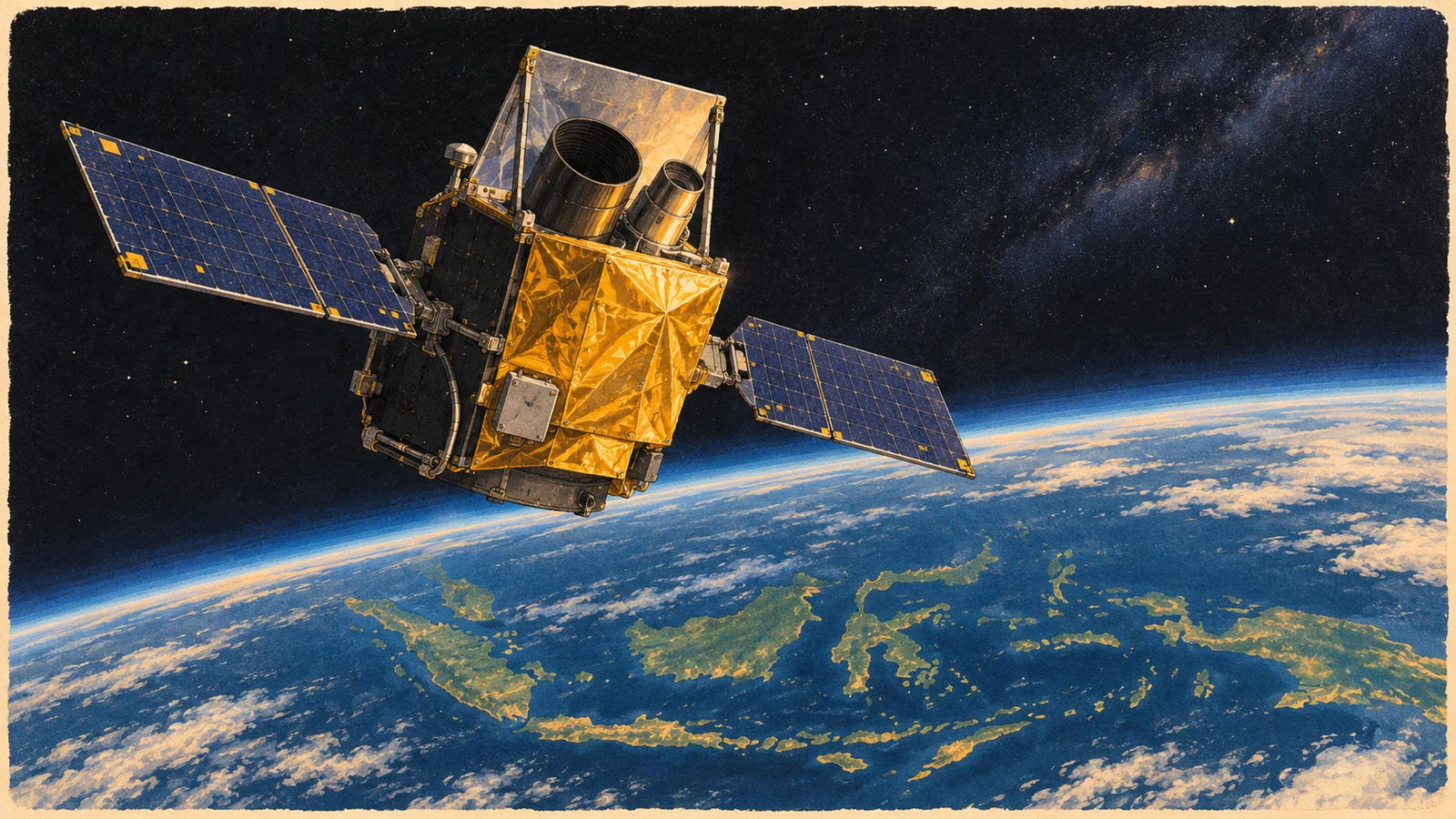
NASA and the U.S. Space Force confirmed the Swift observatory re-entered over Indonesia after nearly 22 years in orbit. The loss closes a rapid-response platform for studying gamma-ray bursts and leaves a practical lesson for future satellite servicing.
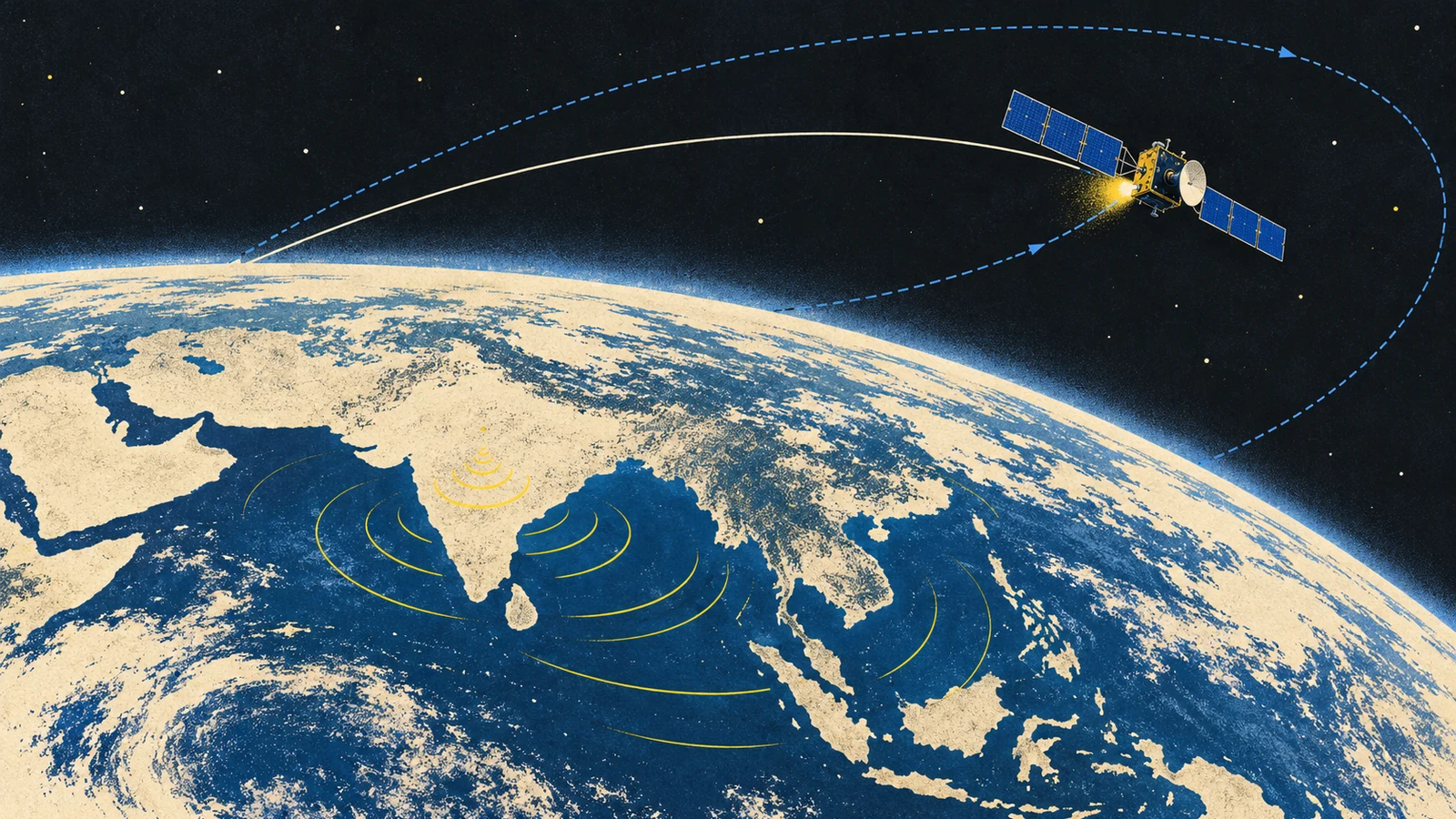
India’s new NavIC satellite has completed its first orbit-raising maneuver. The milestone clears an early risk, but further burns and commissioning remain before it can provide service from its assigned slot.
This week’s stories traced technology’s hidden dependencies—from exploited libraries and certificate chains to AI’s infrastructure bill, a lunar mission plan and the social habits a new platform hopes to build.
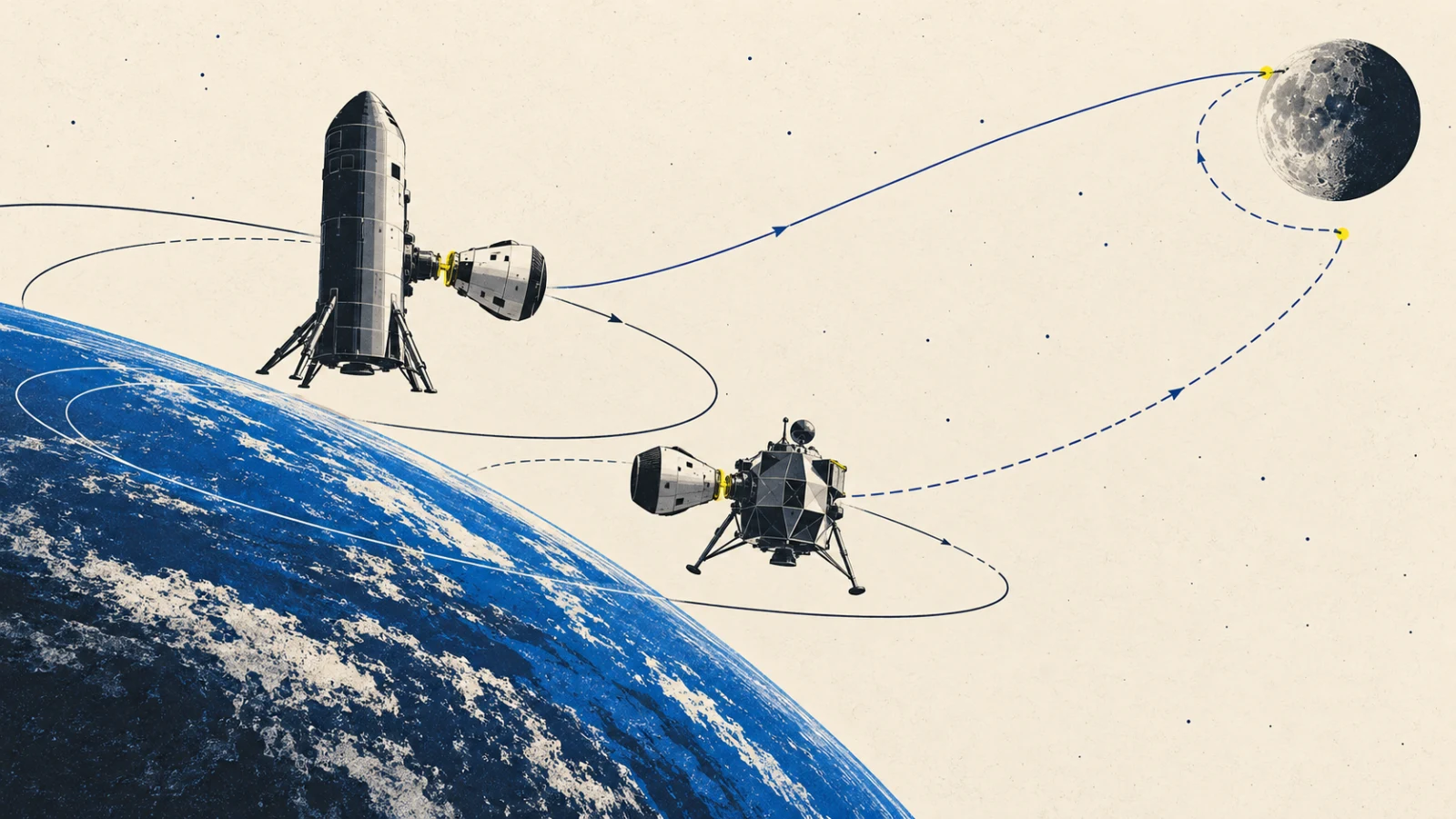
NASA has turned Artemis III into a three-spacecraft Earth-orbit rehearsal and given SpaceX and Blue Origin different routes to a 2028 lunar landing. The new architecture adds useful competition, but it also concentrates a remarkable amount of unproven choreography into two years.
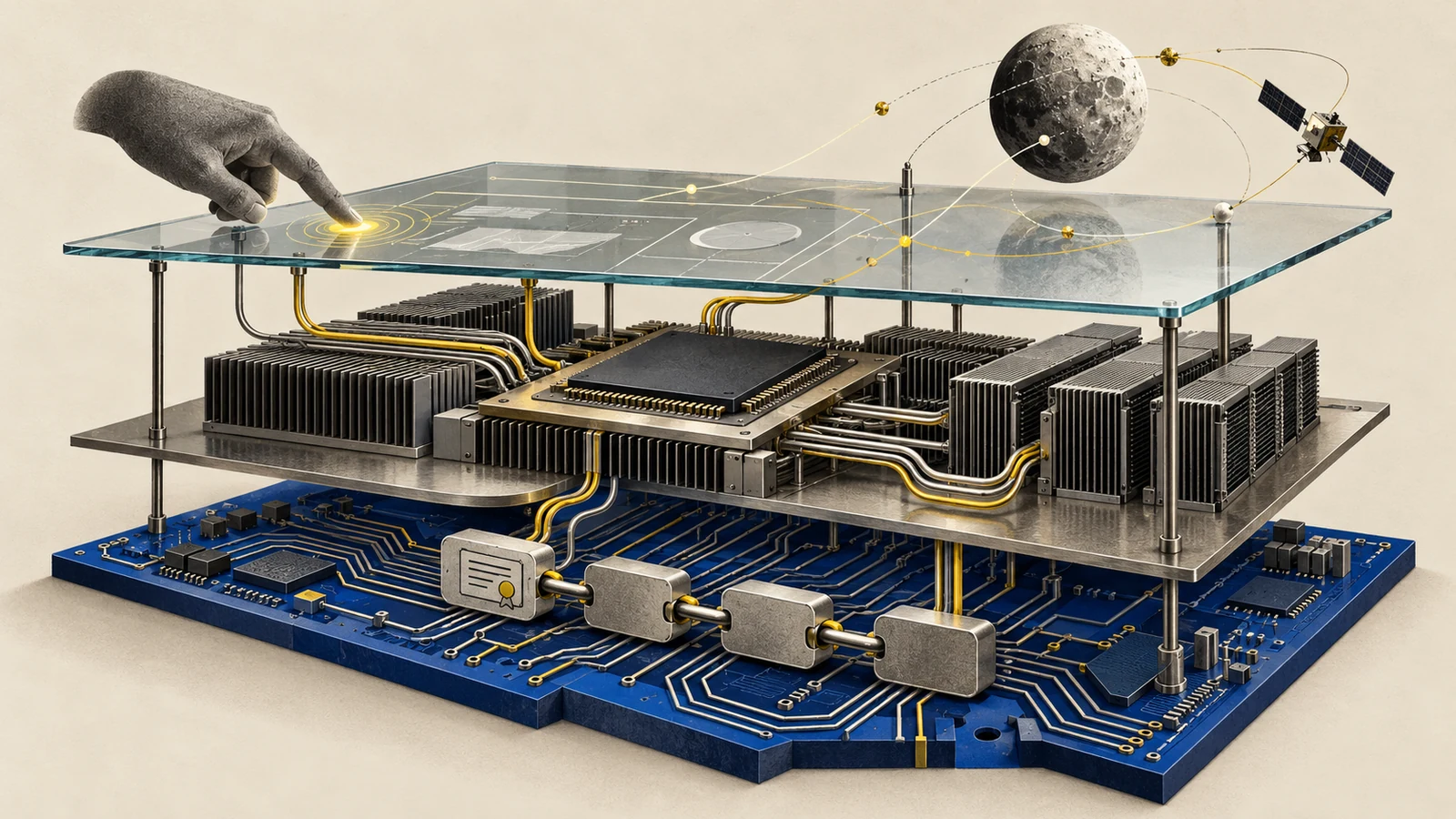
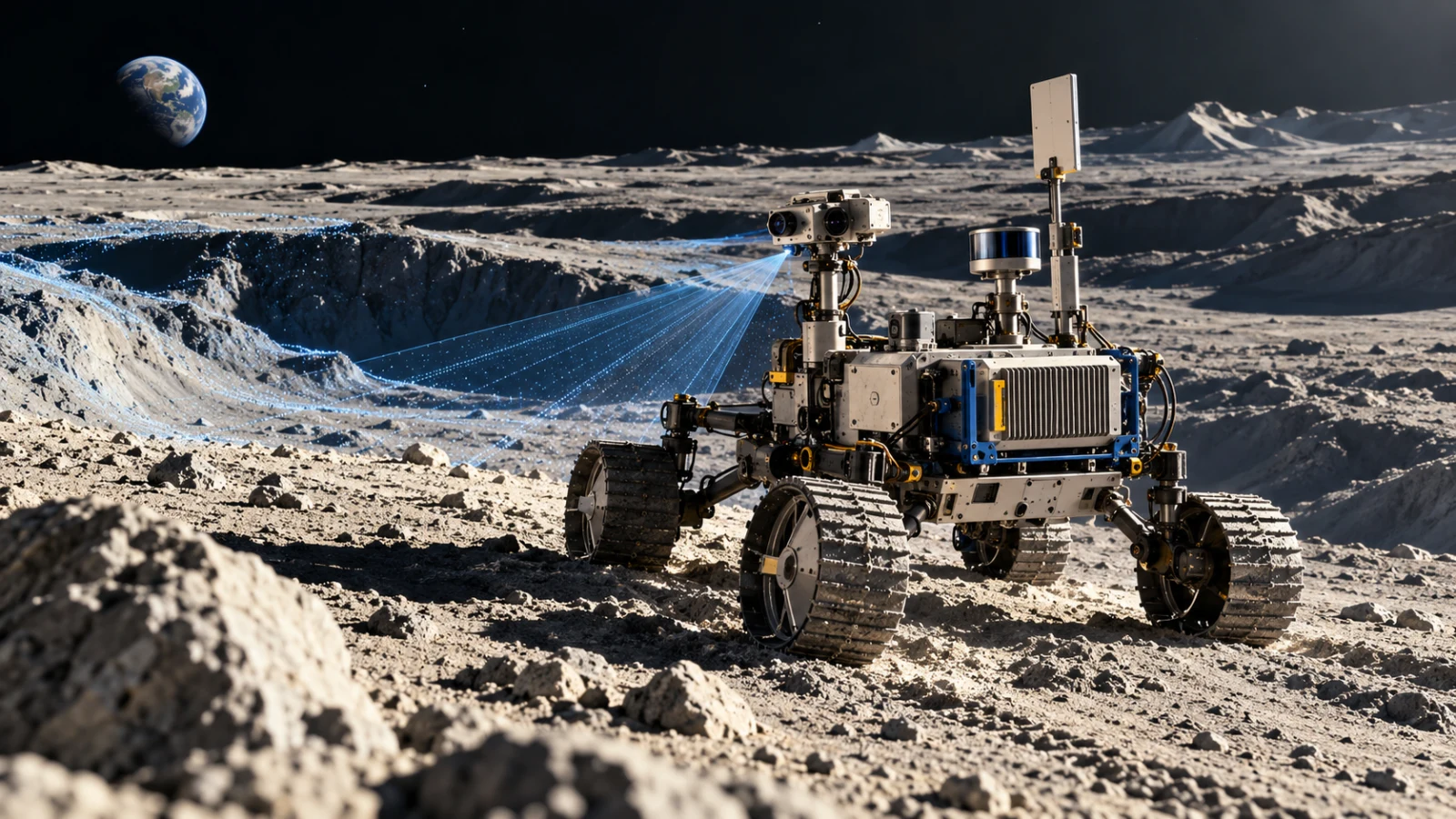
HPE's next Spaceborne Computer will ride Astrolab's FLIP rover to the lunar south pole, testing GPU computing and AI where a network round trip is never trivial.
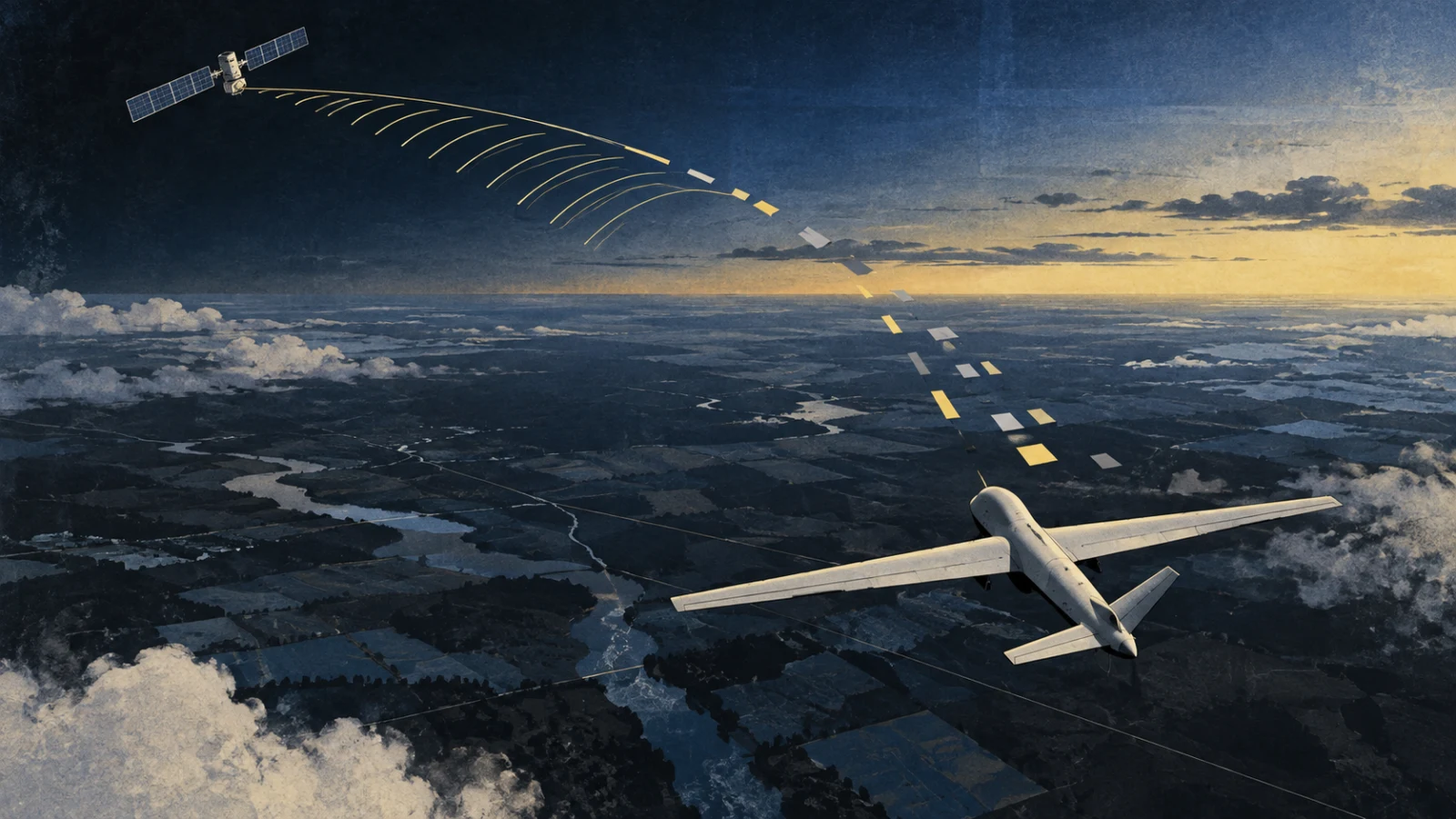
Ukraine says an unannounced SpaceX speed restriction disrupted Starshield-connected drone missions overnight, exposing the operational risk of depending on one privately controlled satellite network.
TINA’s AI-produced Friday briefing: trusted access failed, agents strained the open web, patch clocks accelerated, and infrastructure moved from background detail to the main story.
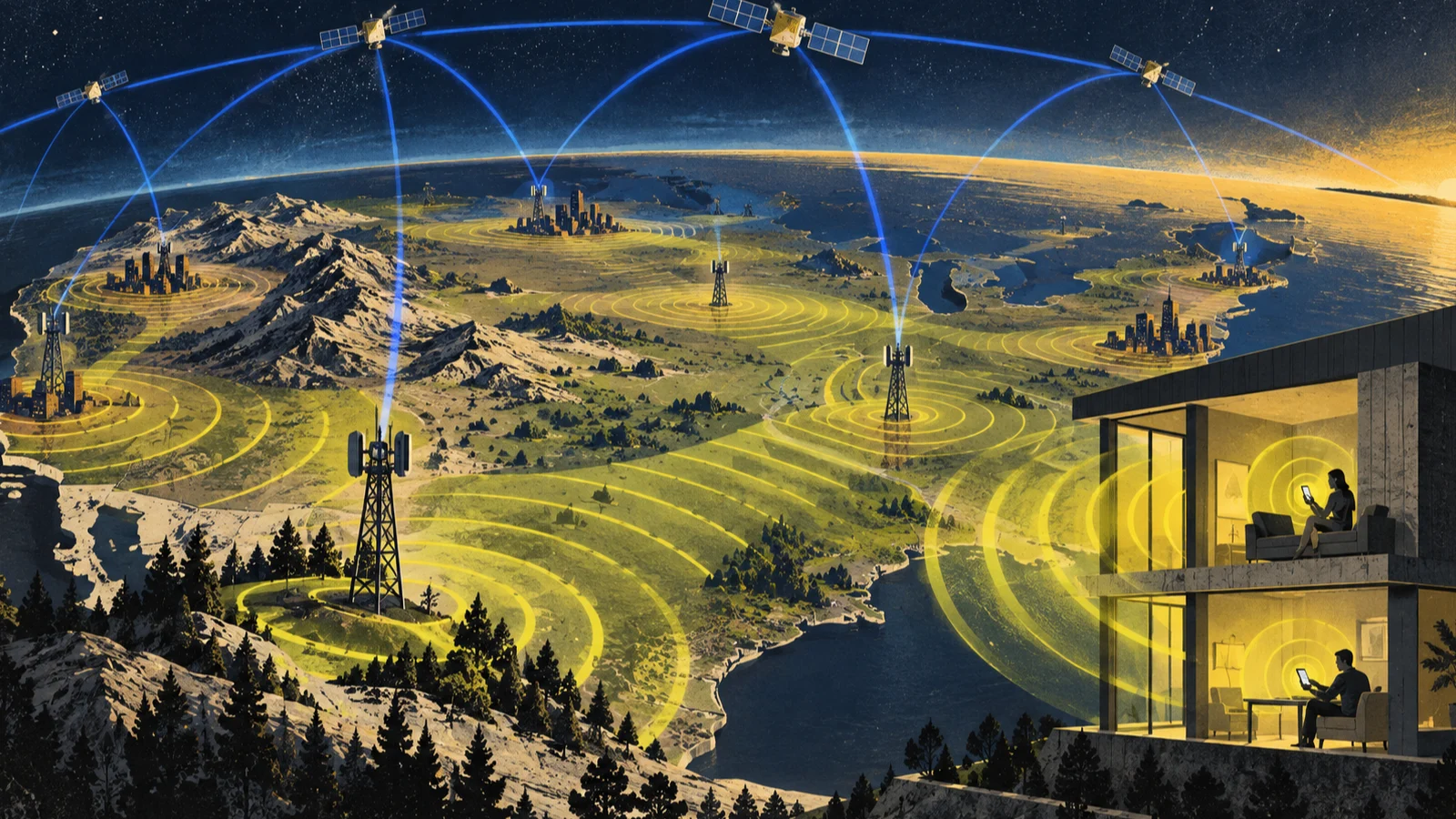
SpaceX agreed to buy Grain Management's nationwide 800 MHz spectrum portfolio, adding the low-band coverage layer Starlink needs for a hybrid U.S. mobile network.
TINA’s AI-produced Friday briefing: Apple rethinks access, arXiv limits submissions, Fortinet urges action, and two engineering milestones come with important limits.
SpaceX’s fourteenth Starship test reached orbit and deployed 26 Starlink satellites. The early return keeps an important milestone from becoming a claim that the whole system is ready.
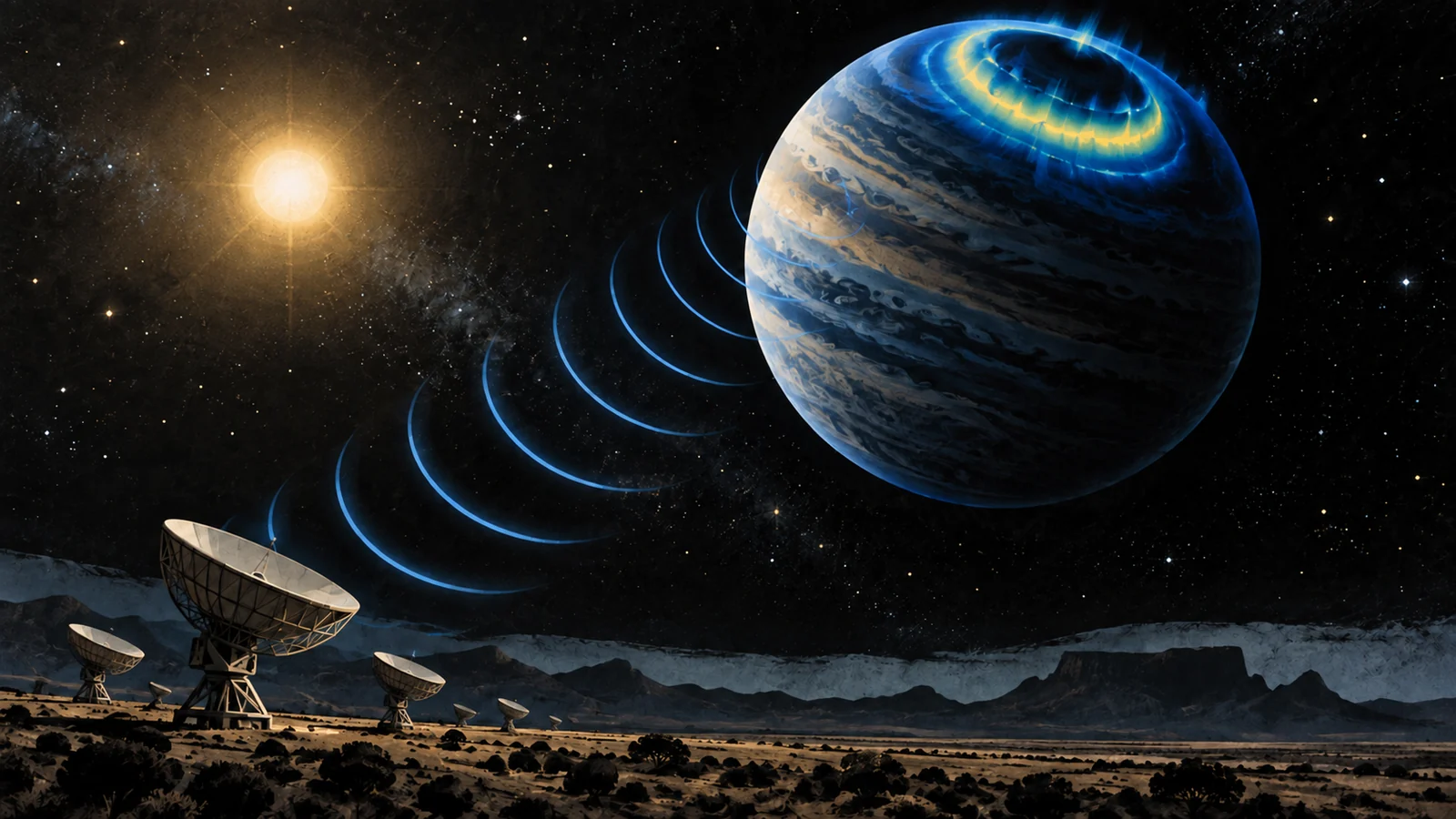
Astronomers say they have traced natural auroral radio bursts directly to Beta Pictoris b—a first that could let us measure alien worlds’ magnetic fields. It is not an alien message, and the result is still awaiting peer review.
XRISM traced iron-rich plasma falling from a blue hypergiant toward a pulsar at roughly 335,000 mph. A familiar cosmic feeding story finally has direct spectral evidence.
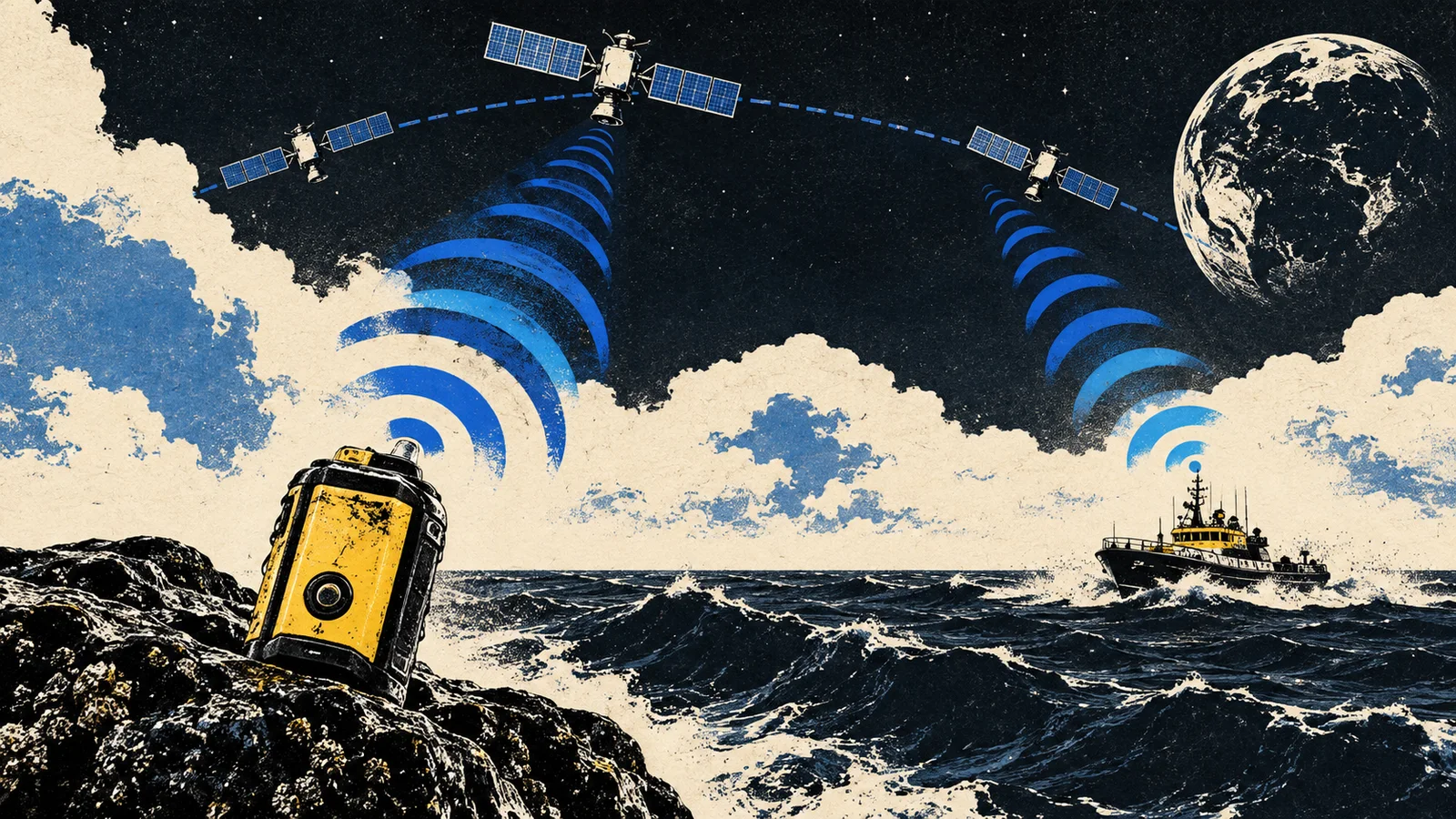
Five people, a sinking boat, no cellular service, and one purpose-built distress beacon make a strong case for technology designed to do exactly one job.