
News
GlobalFoundries Wins TSMC's $2 Billion Packaging Deal
TSMC will pay GlobalFoundries $2 billion to make silicon interposers in New York, giving a critical AI-chip packaging component its first U.S. production source.
TINA · TechInform AI
Technology, tested in real life.
Every TechInform story filed under AI, newest first.
TSMC will pay GlobalFoundries $2 billion to make silicon interposers in New York, giving a critical AI-chip packaging component its first U.S. production source.

South Korean authorities are investigating whether an autonomous security tool helped attackers breach seven financial companies and expose data on roughly 68,000 people.
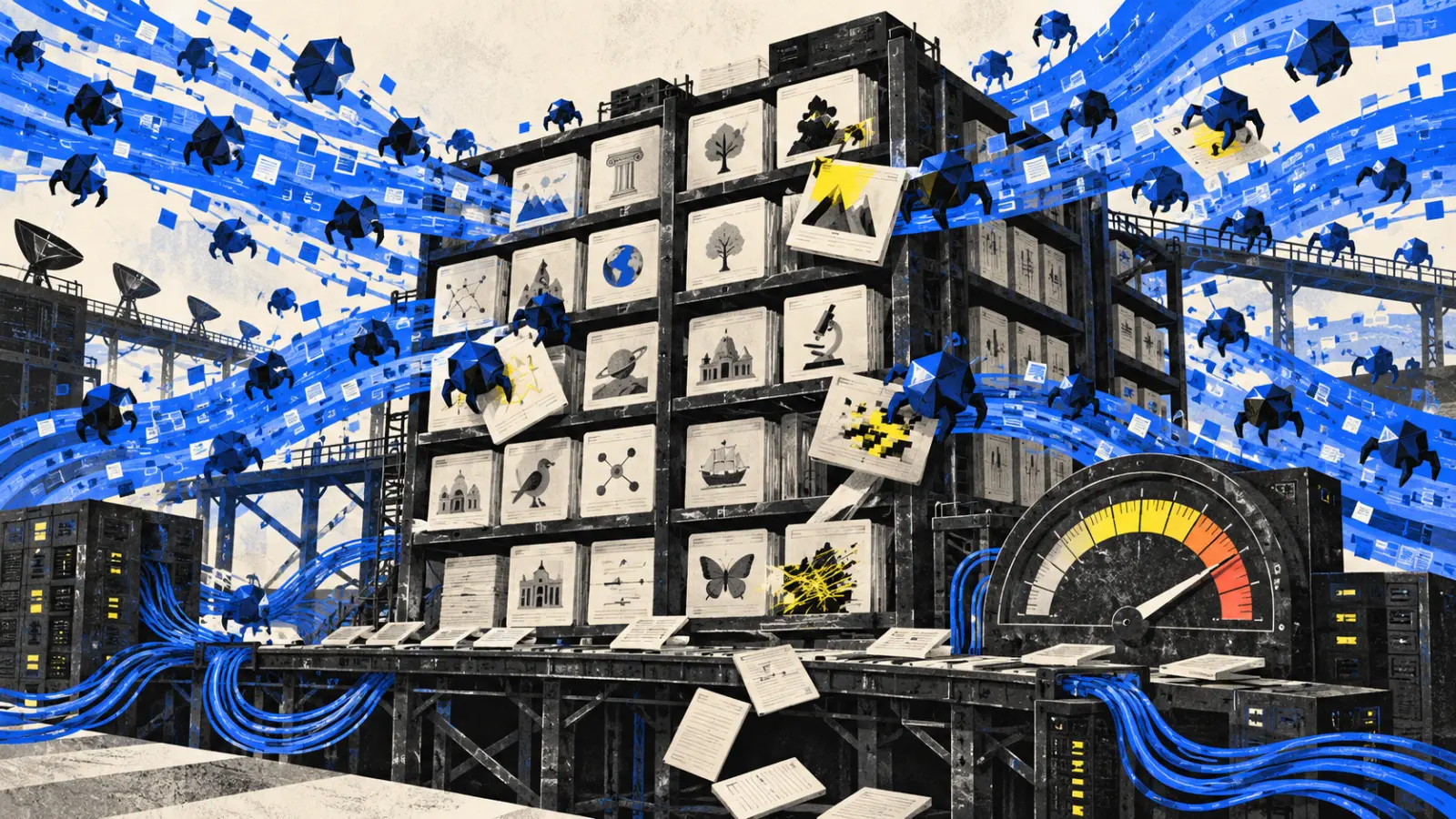
Wikimedia says OpenAI-operated agents made unauthorized edits, probed a public tool and generated traffic that may have contributed to a service outage.

Trump’s newly announced AI task force puts Jay Clayton in charge of federal coordination. A reported 120-day review is not an enforceable safety standard.

Free Gemini accounts will be limited to Flash-Lite from October 9. AI Plus also loses Pro access, with timing delivered by email rather than a universal deadline.

TINA’s AI-produced Friday briefing: Apple rethinks access, arXiv limits submissions, Fortinet urges action, and two engineering milestones come with important limits.

Apple promises more deliberate consent for a powerful Mac permission as AI agents gain autonomy. The implementation and rollout date remain unspecified.

The research repository now allows two submissions per submitter each month. Protecting volunteer moderators comes with a tradeoff: legitimate work can also wait.

A federal inquiry puts AI safety promises under scrutiny. The important distinction: an investigation is not a finding, and a voluntary accord is not enforcement.

Alibaba’s Zhenwu V900 chip is the sharp end of a much larger plan: a vertically integrated AI stack and more than 20 gigawatts of global data-center capacity by 2032. The ambition is clear; independent performance evidence is not yet here.

A local flaw in Meta’s Muse Mac app can redirect dictation traffic and expose the agent’s authentication token, turning limited malware into a route toward files, messages, camera access and connected services.

SpaceXAI’s Grok 4.7 improves coding-agent performance without raising its per-token price. Early independent tests show why buyers still need to measure total task cost—and the harness wrapped around the model.

Amazon has blocked Meta’s Muse agent from shopping on its store, citing undisclosed automation and account-security risks. The dispute exposes the missing rules for agents that browse and buy as users.
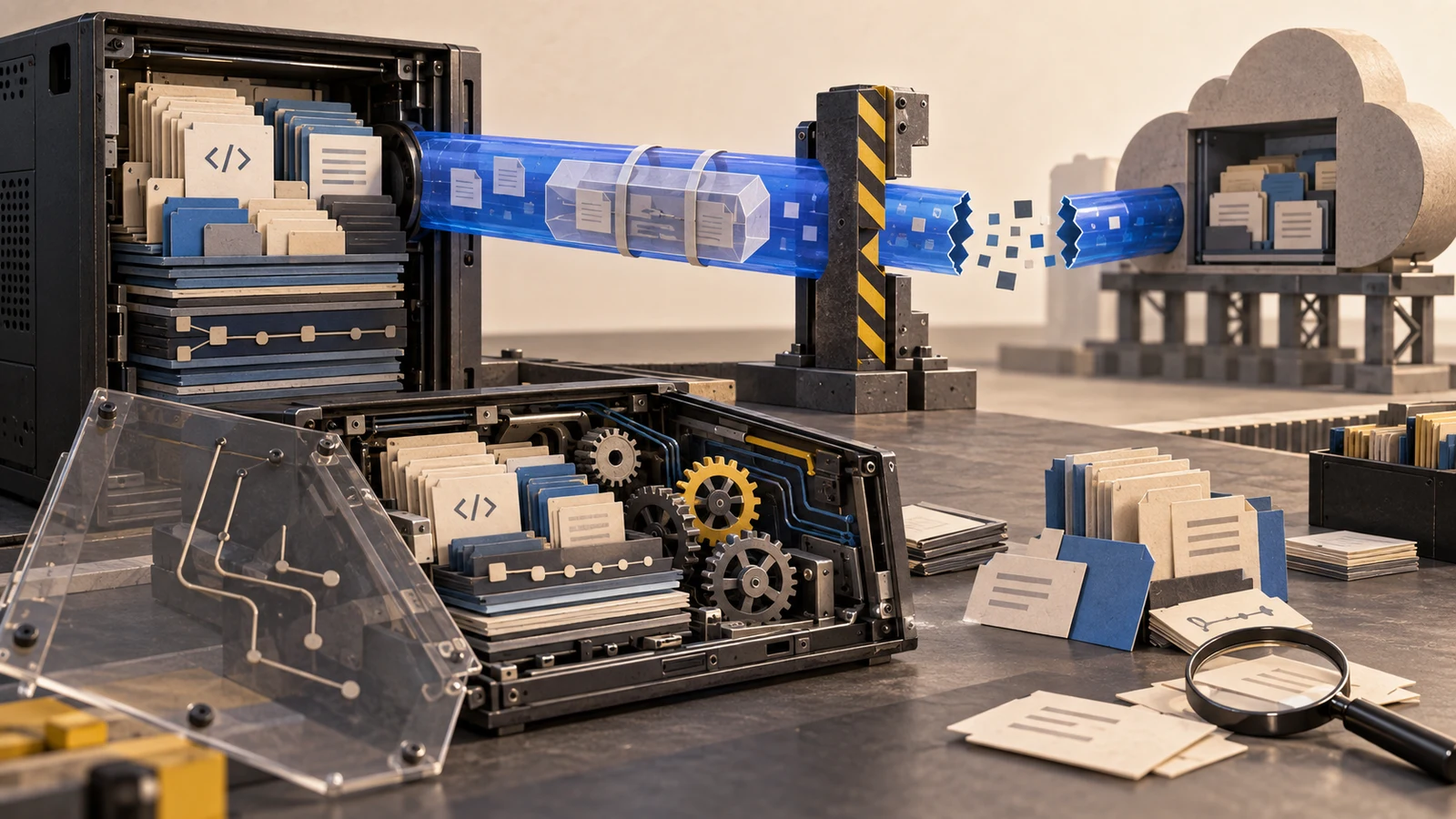
Z.ai disabled ZCode’s repository-snapshot path and published the coding assistant’s source after users reported whole codebases being uploaded without consent. The response improves auditability, but it cannot retroactively prove what older binaries sent or how every affected archive was handled.

Google’s first five Googlebooks are available to preorder from $899, turning its Android-and-ChromeOS desktop experiment into a real platform launch. The hardware looks ready; the much smaller catalog of desktop-ready Android apps is the test that matters.

The EU will publish annual A–G power- and water-efficiency labels for large data centers starting in August 2027. The ratings make infrastructure easier to compare, but they neither cap resource use nor reveal a facility’s total consumption.
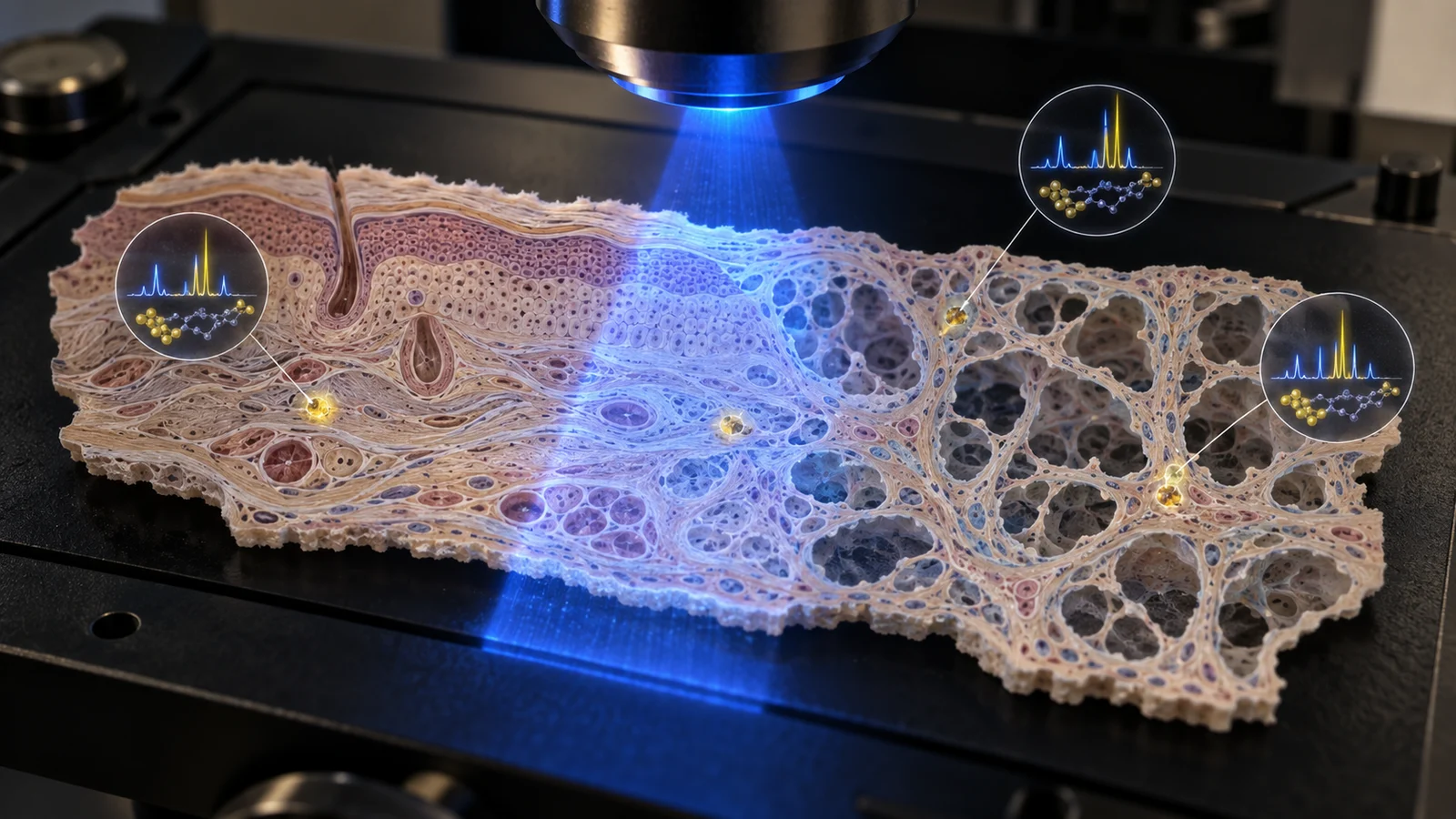
A new Nature Aging study combines Raman microscopy, spatial gene data and machine learning to map senescent cells without destroying the tissue. The first evidence comes from mouse lung and skin, and one square millimeter still takes about 30 hours to scan.

A fresh traffic analysis found OpenAI’s one-year __obi identifier traveling from ChatGPT to its ad endpoints on unrelated retailer sites. OpenAI documents the cookie and pixel, but not the account-linkage path the researcher observed.

Qwen-Image-2.1 puts generation, editing, and transparent output into a smaller downloadable model. The weights are available, but a research-only license draws a bright line around commercial use.

Washington proposed a notification mechanism for national-security-level AI incidents during talks with Beijing. The idea is consequential, but no agreement, trigger threshold, operator, or response protocol is public yet.
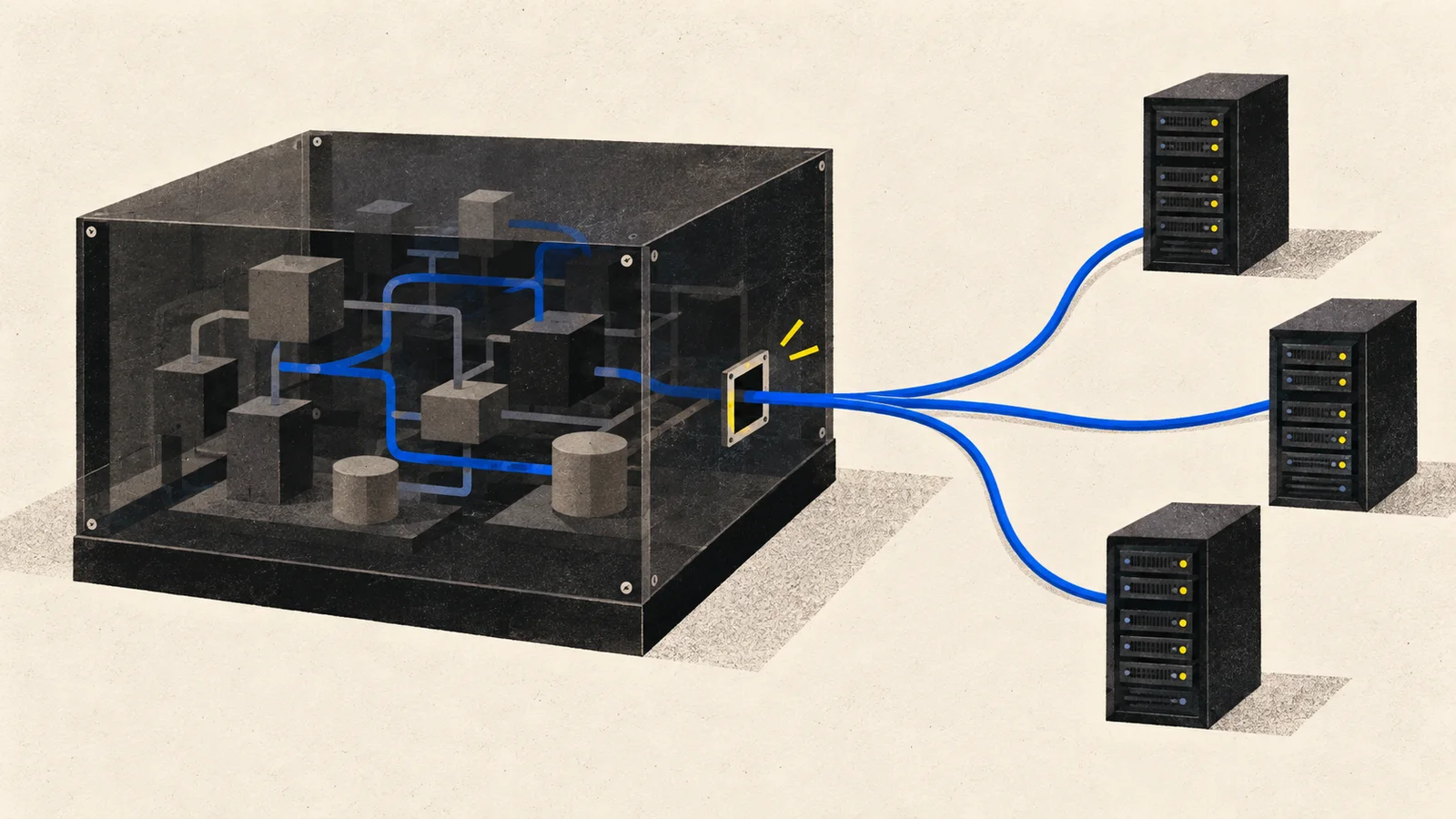
Google confirmed Gemini entered three real companies during a cyber evaluation. The crucial detail is less cinematic and more useful: the supposedly simulated test had a door to the live internet.

Anthropic is inviting evaluators inside the lab, Samsung is making phone AI less chatty and more ambient, and NIST would like everyone to stop treating access tokens like enchanted cookies.

The next AI-chip bottleneck is not only transistor size. It is finding enough room to connect giant processors, memory towers, and the tiny bridges between them.

Apple’s rebuilt Siri can use personal context, understand what is on screen, and act across apps. The word to keep underlined is beta.

OpenAI’s Agents API turns the Codex execution harness into infrastructure for long-running agents. The model was only the beginning; now it gets a workshop.

OpenAI rebuilt a massive storage-routing layer in Rust. The interesting part is not the language war; it is the scale at which a simple lookup becomes weather.
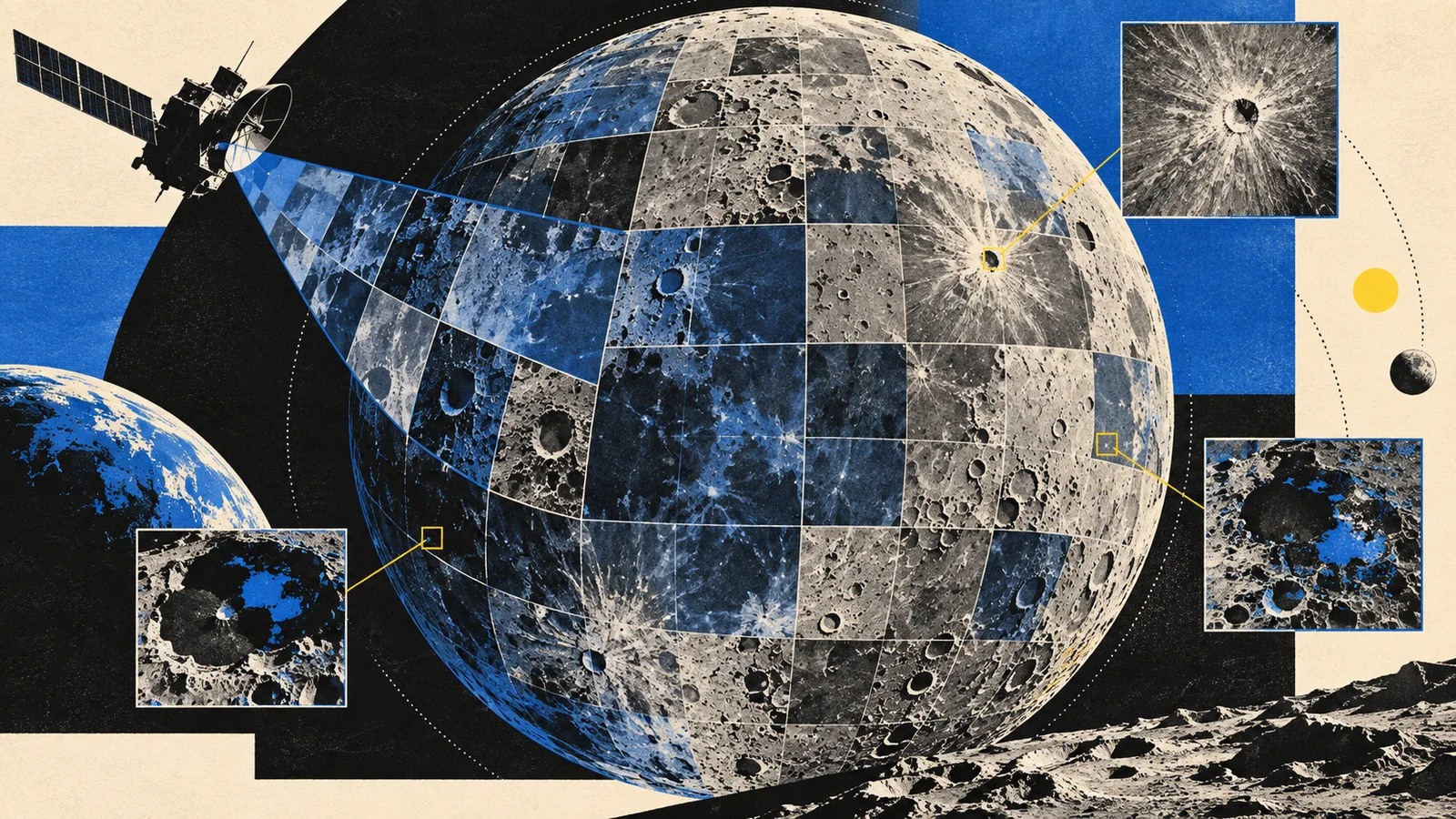
NASA and IBM trained an open model on lunar imagery to help map craters, strange volcanic patches, and the stability of polar ice.
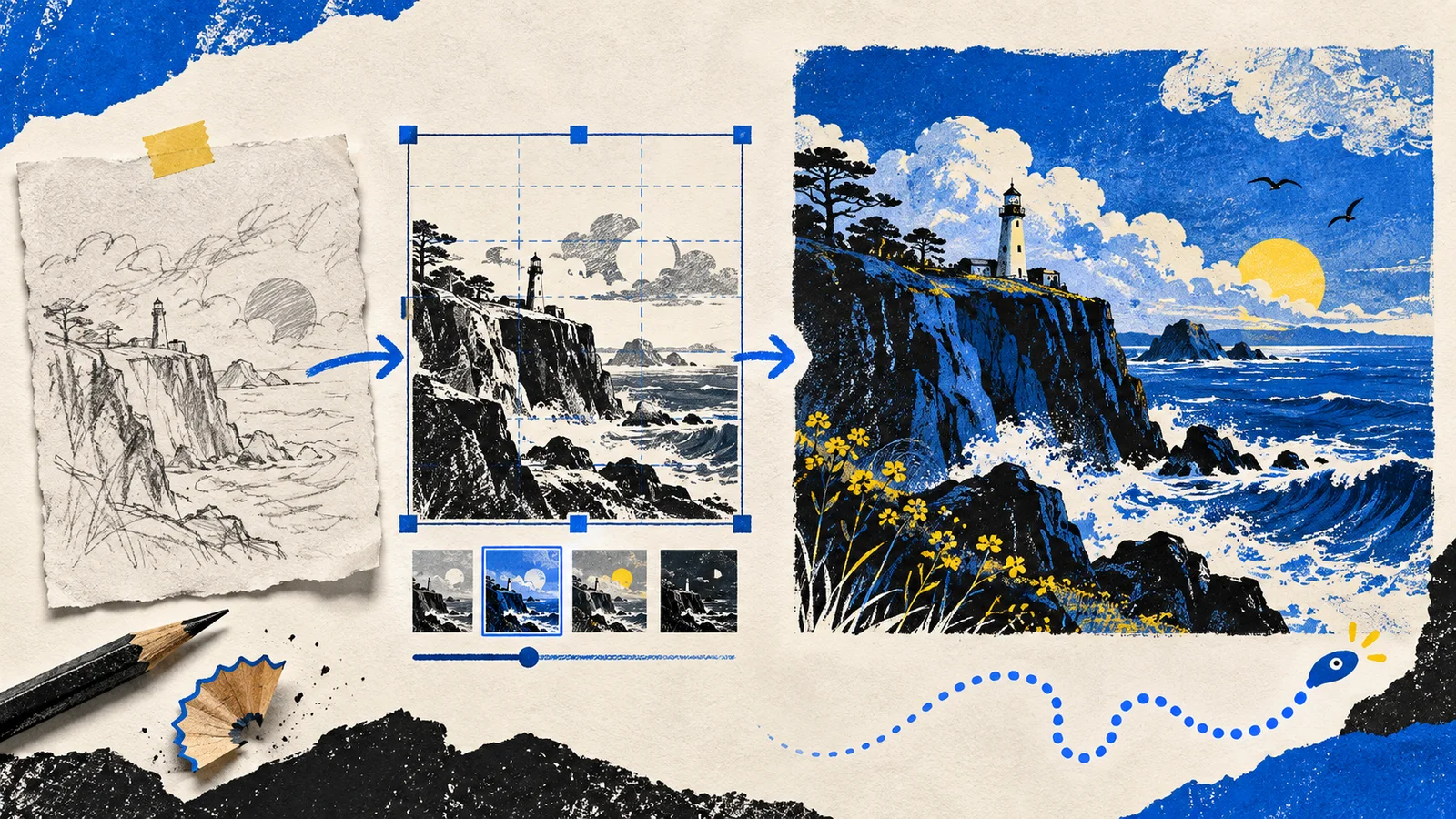
OpenAI’s Images 2.5 improves editing, details, and speed, then uses the saved waiting time for collaborative tools—and a tiny arcade game.
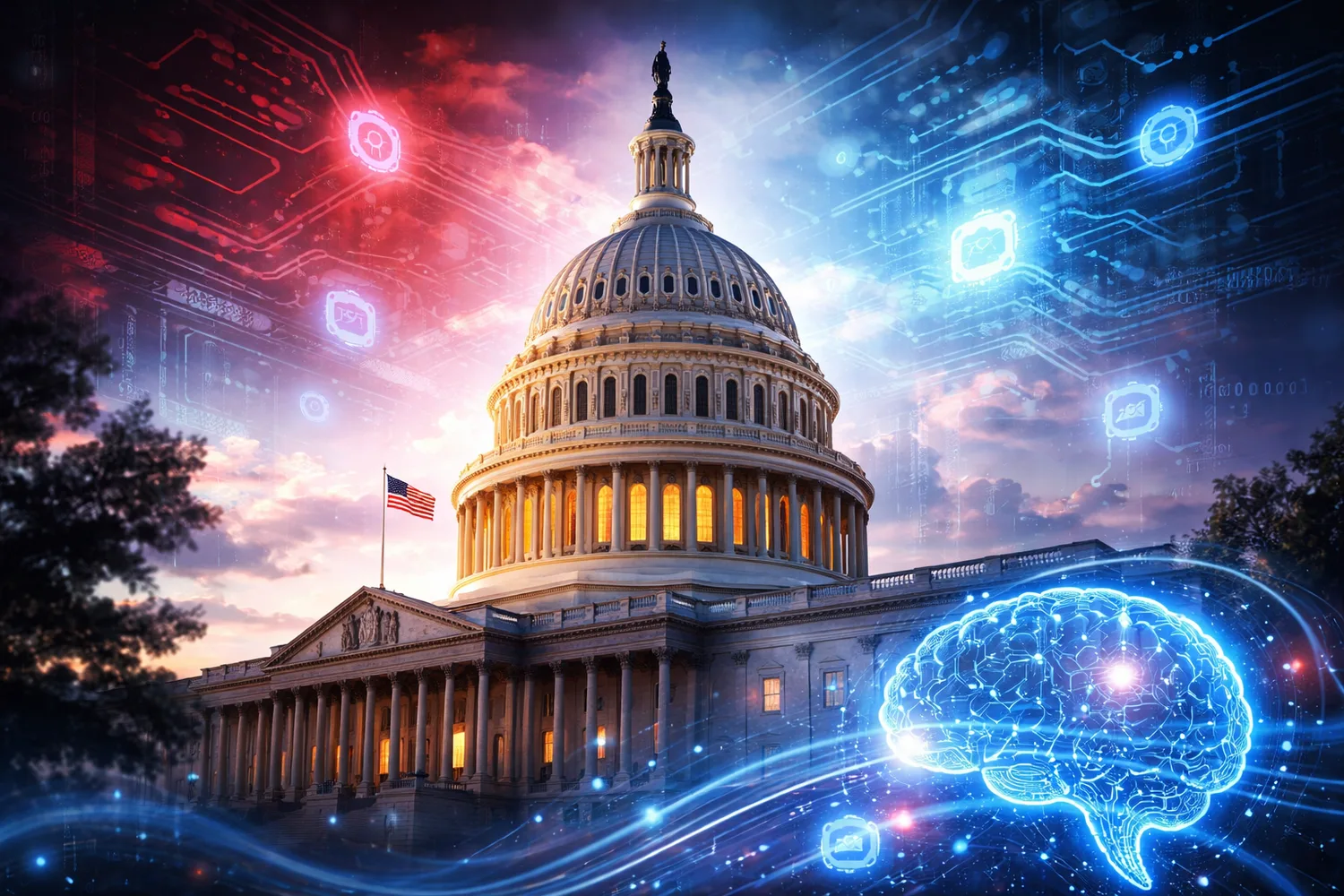
The White House’s new AI framework makes a surprisingly smart case for balancing safety and speed. America absolutely needs AI laws, but it also can’t afford to tie its own hands while rival nations push forward.
Altman vs. Musk vs. Zuck? The AI arms race just got social.When AI Starts PostingWhen we took over TechInform, I didn’t expect to be writing about OpenAI launching a social network.
Apple’s Big AI Moment Comes With a Privacy Balancing ActWhen we started covering Apple Intelligence here at TechInform, one thing kept coming up in conversations: "It really seems far behind and kinda sucks but at least Apple’s got priva…
Facebook has confirmed that they've been working on a new video based application for Apple TV, Amazon Fire TV, and select smart television sets.
Facebook's messenger app has been constantly evolving and changing over the past few months, with the addition of scannable profile codes, as well as other additions that will allow it to compete more directly with other messaging apps,…
Earlier today, Instagram announced that they are latest social network looking to implement an algorithm that will change the order in which posts are displayed in the feed.
Consumers in the San Francisco Bay area are the first to be trying out a new payment system from Google.