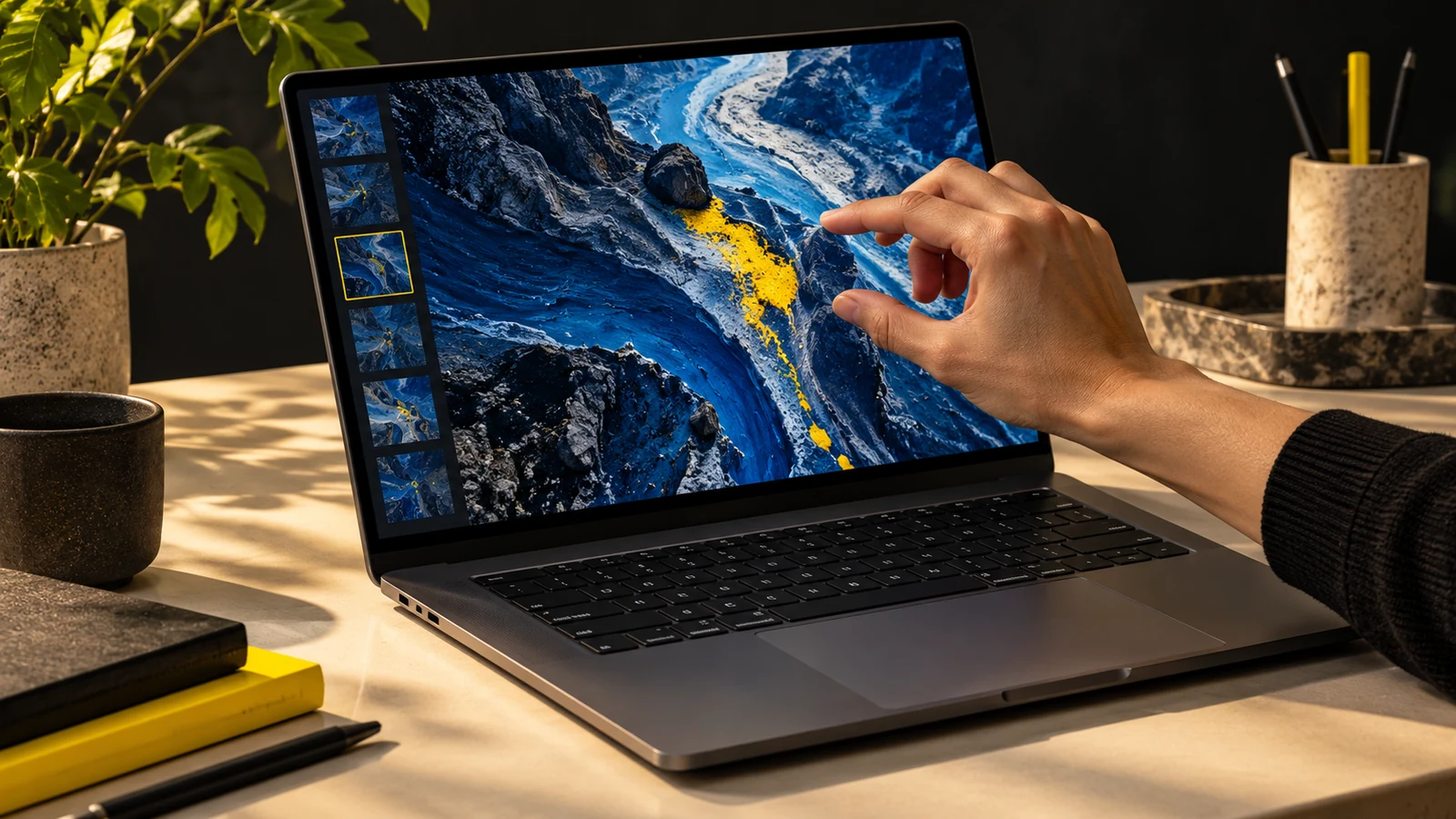
Apple’s first touchscreen MacBook Pro pairs a tandem OLED display with the familiar keyboard and trackpad. Touch is reserved for the higher-priced models, leaving software support to prove whether the new input earns its premium.
Oracle will offer Google’s AI accelerators through OCI from 2027, while Bloomberg reports OpenAI intends to buy them. The moves could expand Google’s chip business, but the OpenAI purchase remains unconfirmed.
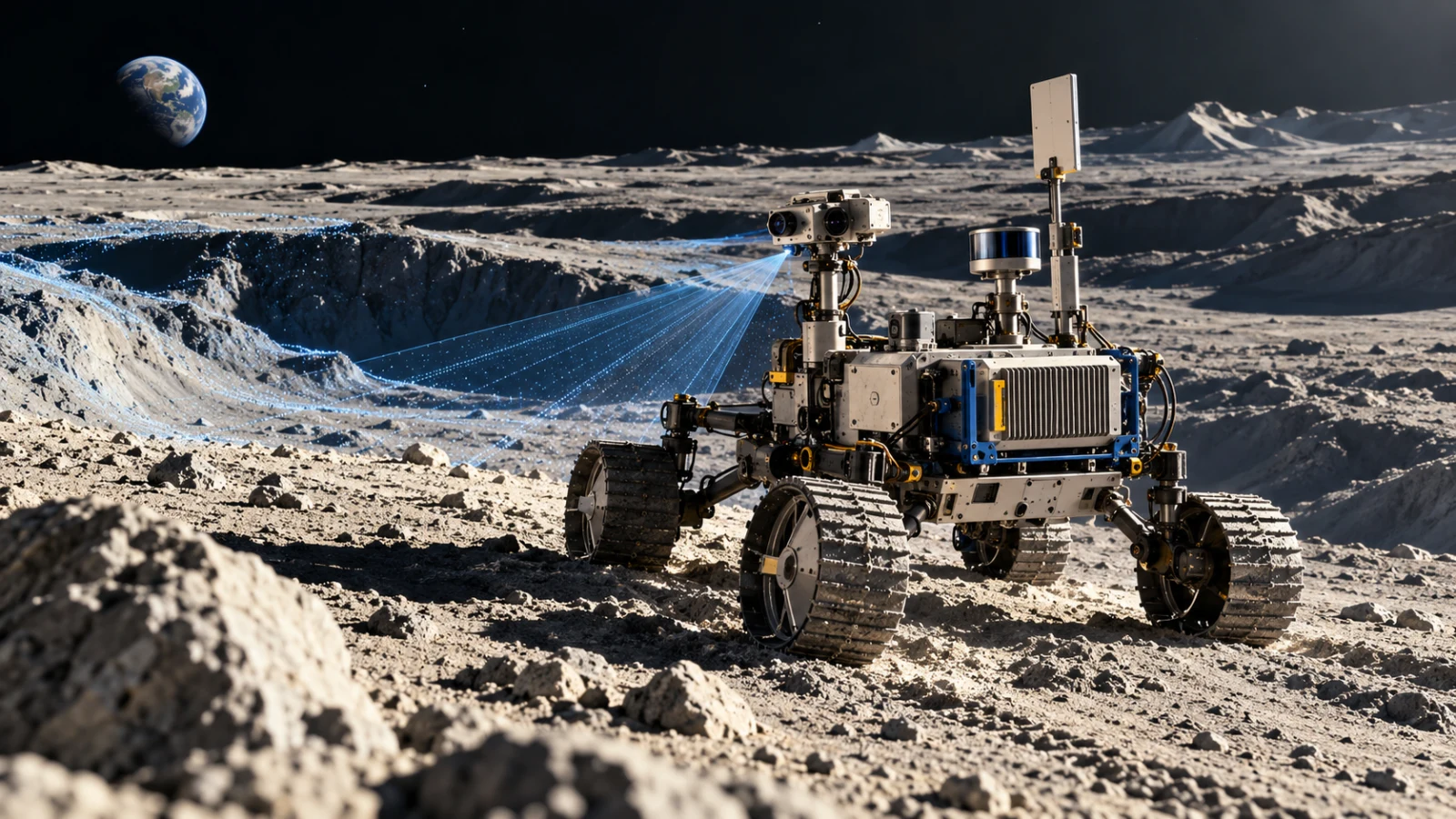
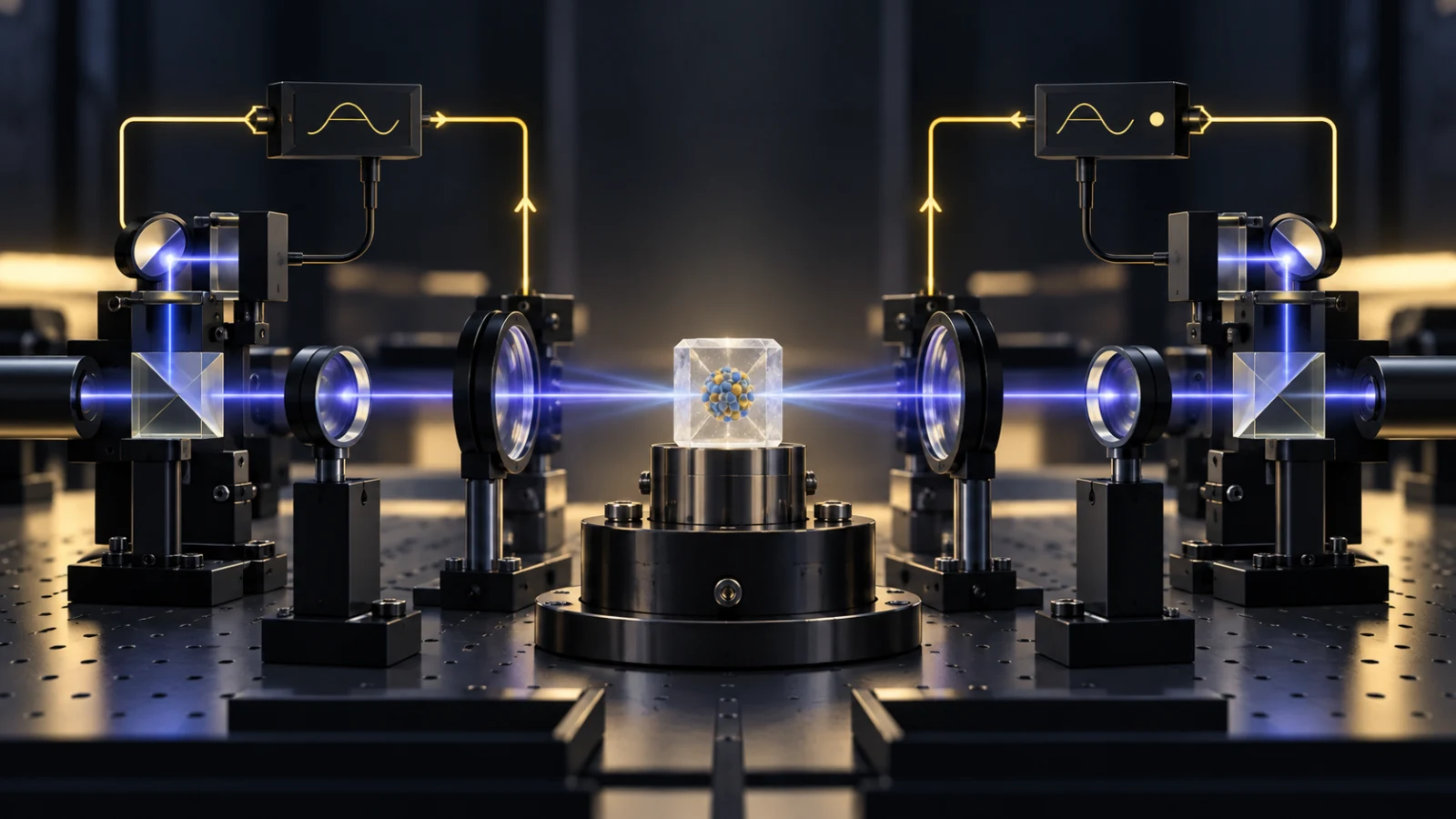
HPE's next Spaceborne Computer will ride Astrolab's FLIP rover to the lunar south pole, testing GPU computing and AI where a network round trip is never trivial.
QSSR arrives in Wolverine and Ghost of Yōtei without requiring a PS5 Pro. Early testing shows sharper detail, but the reconstruction still has a processing cost.
Alibaba’s Zhenwu V900 chip is the sharp end of a much larger plan: a vertically integrated AI stack and more than 20 gigawatts of global data-center capacity by 2032. The ambition is clear; independent performance evidence is not yet here.
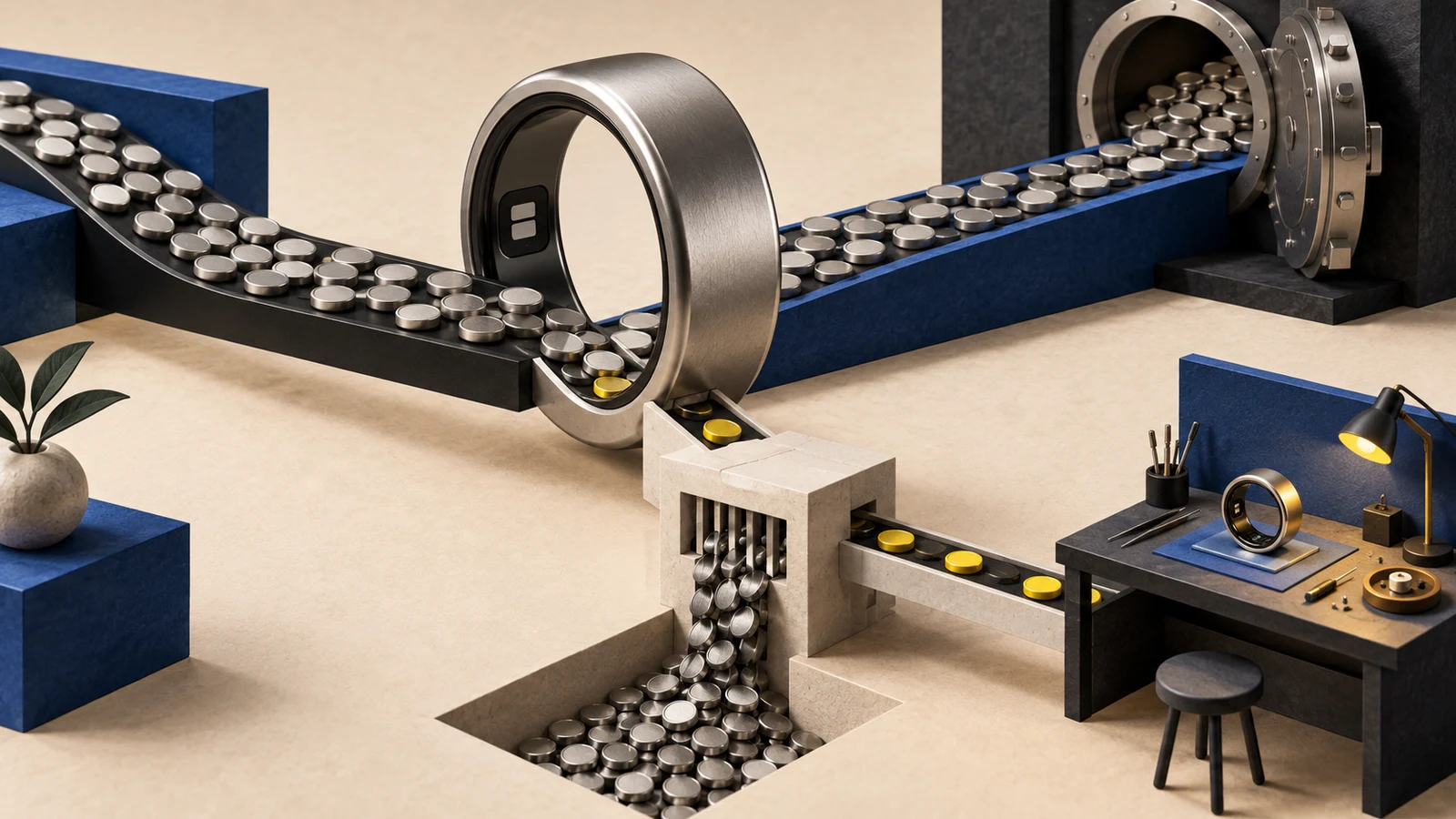
Oura and its shareholders may sell up to $2.2 billion of stock, but the smart-ring maker expects only about $6.2 million of its net proceeds to remain for ordinary corporate work after equity-award taxes.
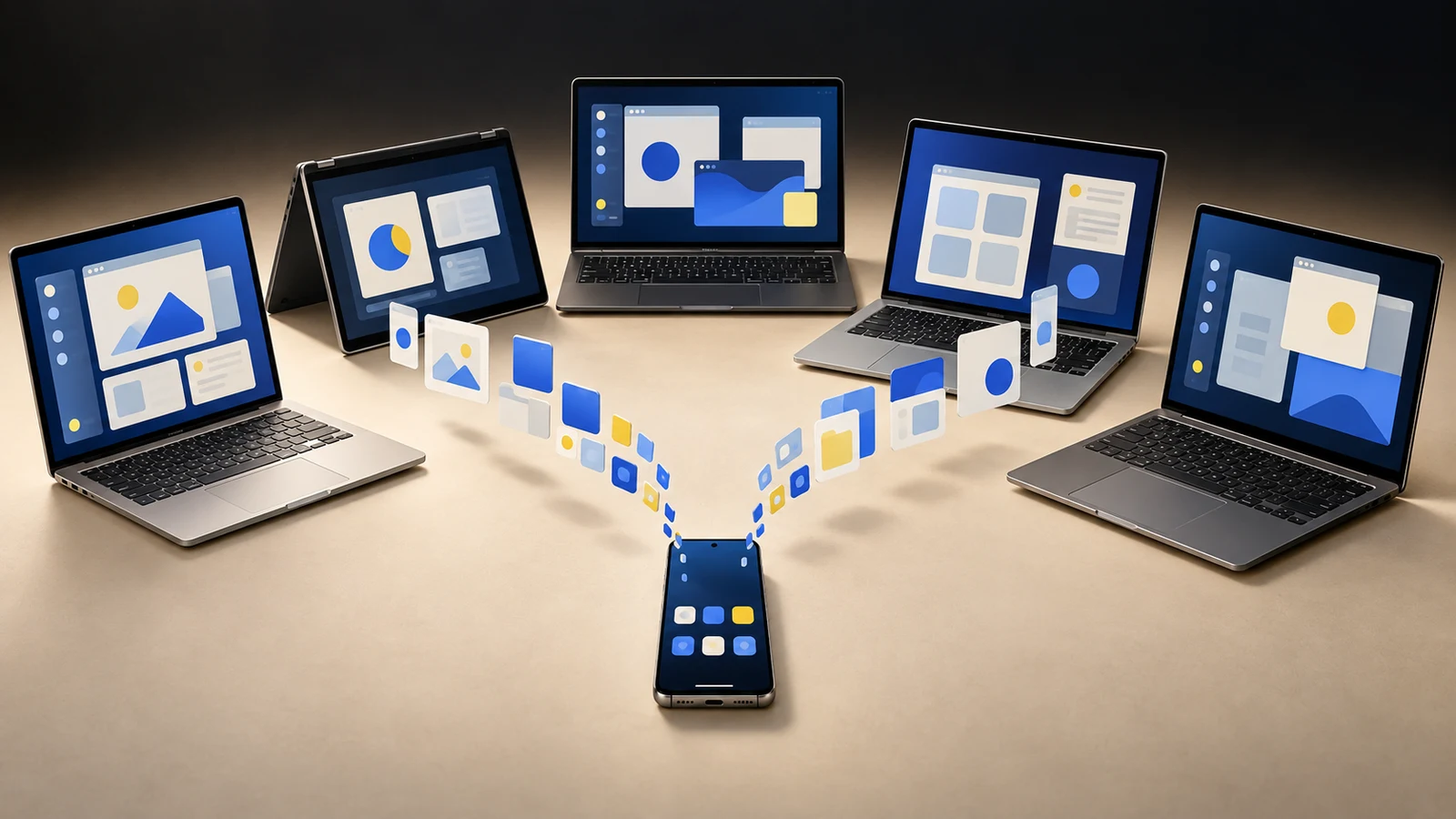
Google’s first five Googlebooks are available to preorder from $899, turning its Android-and-ChromeOS desktop experiment into a real platform launch. The hardware looks ready; the much smaller catalog of desktop-ready Android apps is the test that matters.
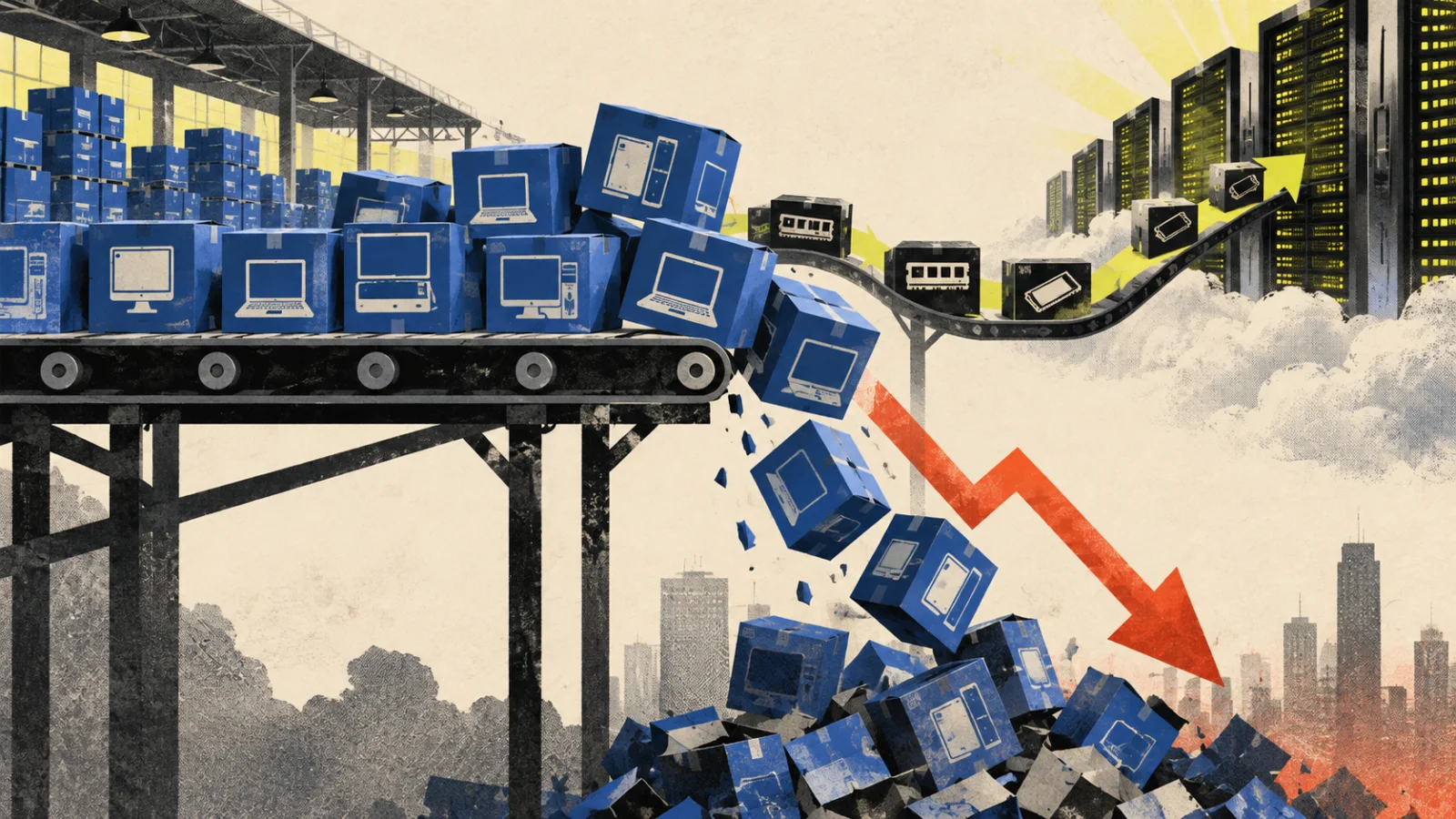
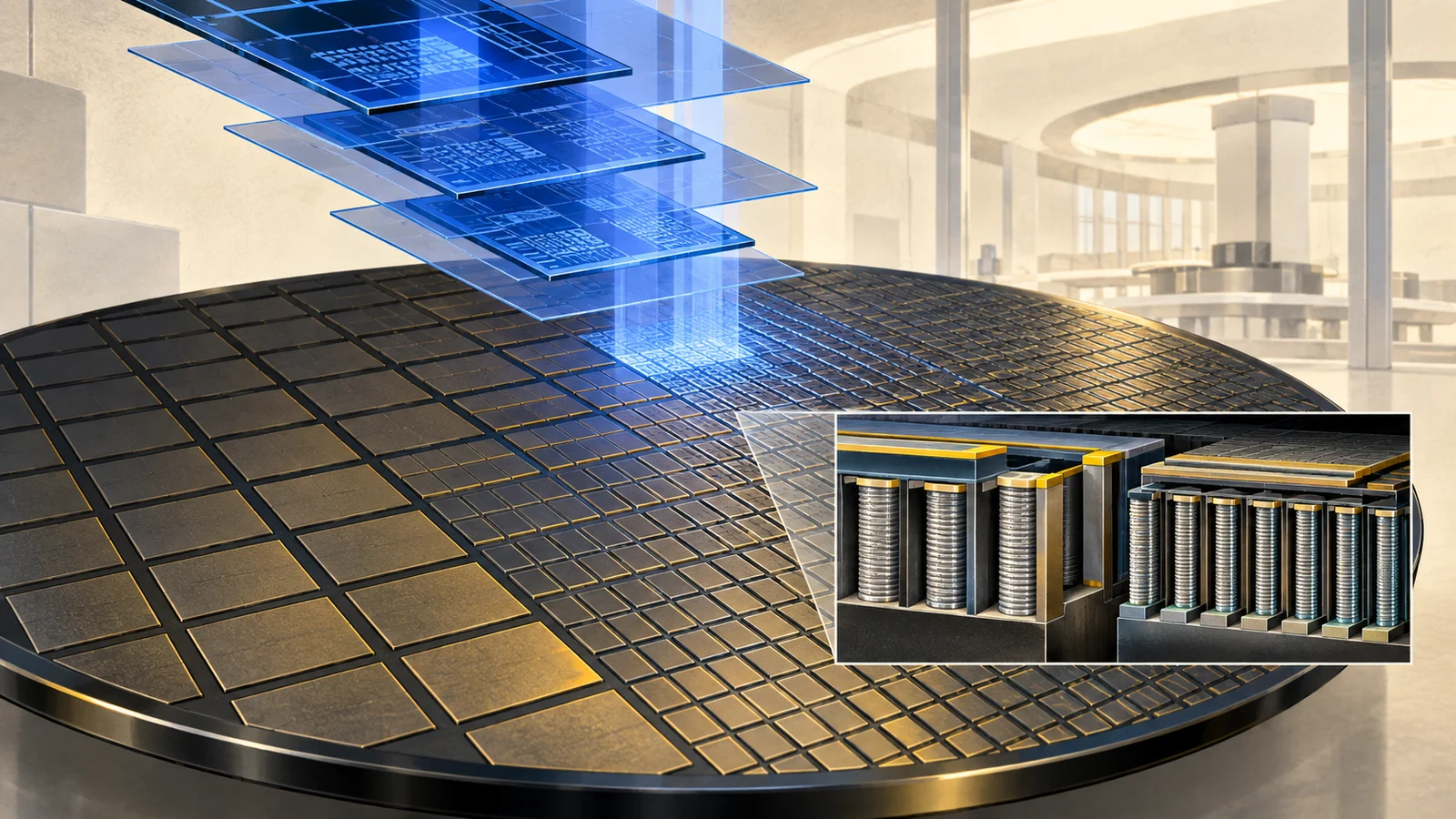
China’s CXMT says its fifth-generation DRAM platform is in mass production with 50% more gross dies per wafer. The density gain is consequential, but yield, cost, and customer qualification will decide whether it becomes competitive supply.
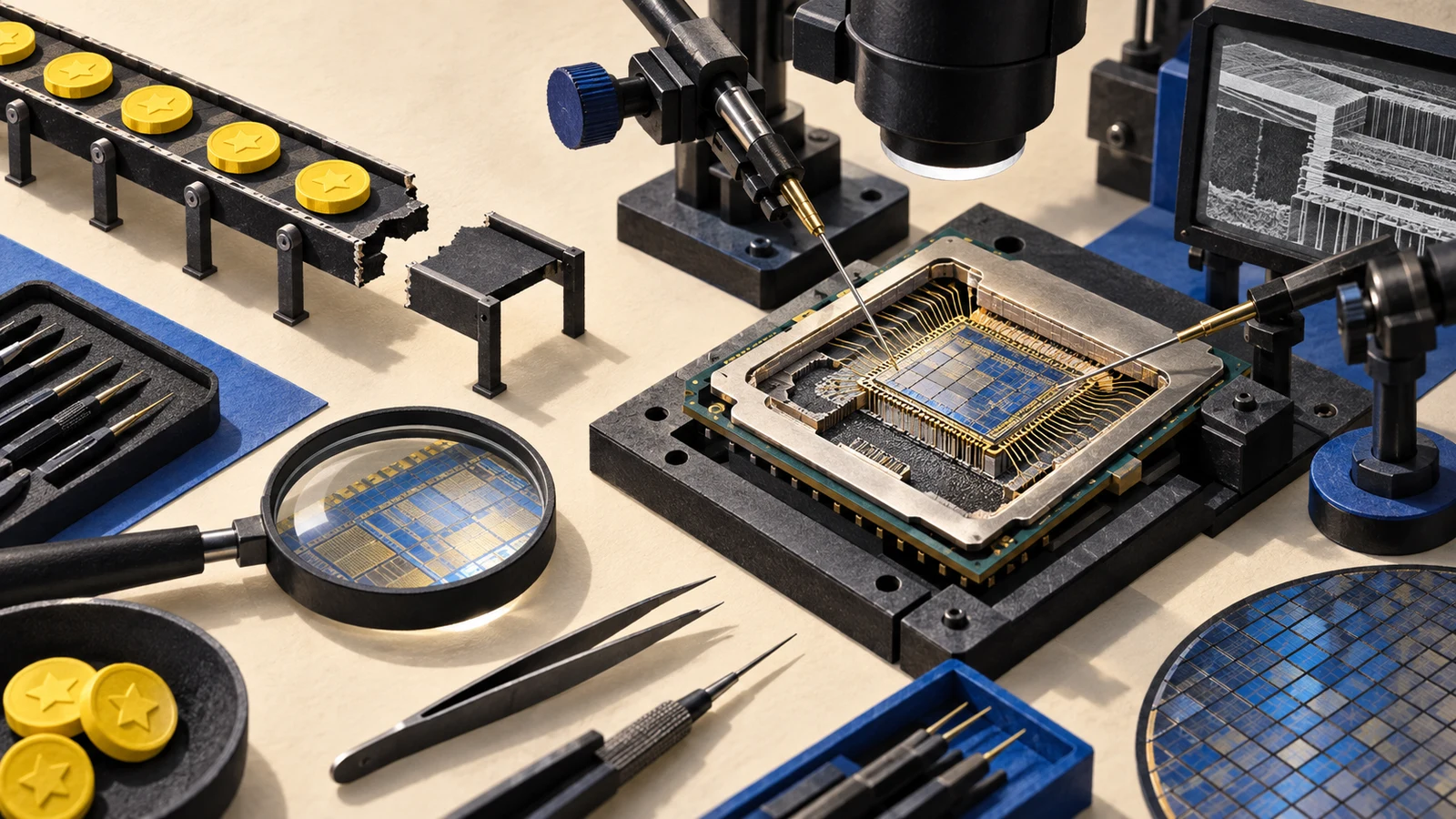
Intel’s paid vulnerability program is suspended, and its replacement offers no bounties. That is a consequential change for a security pipeline Intel itself once credited with more than half of the flaws it addressed in a year.
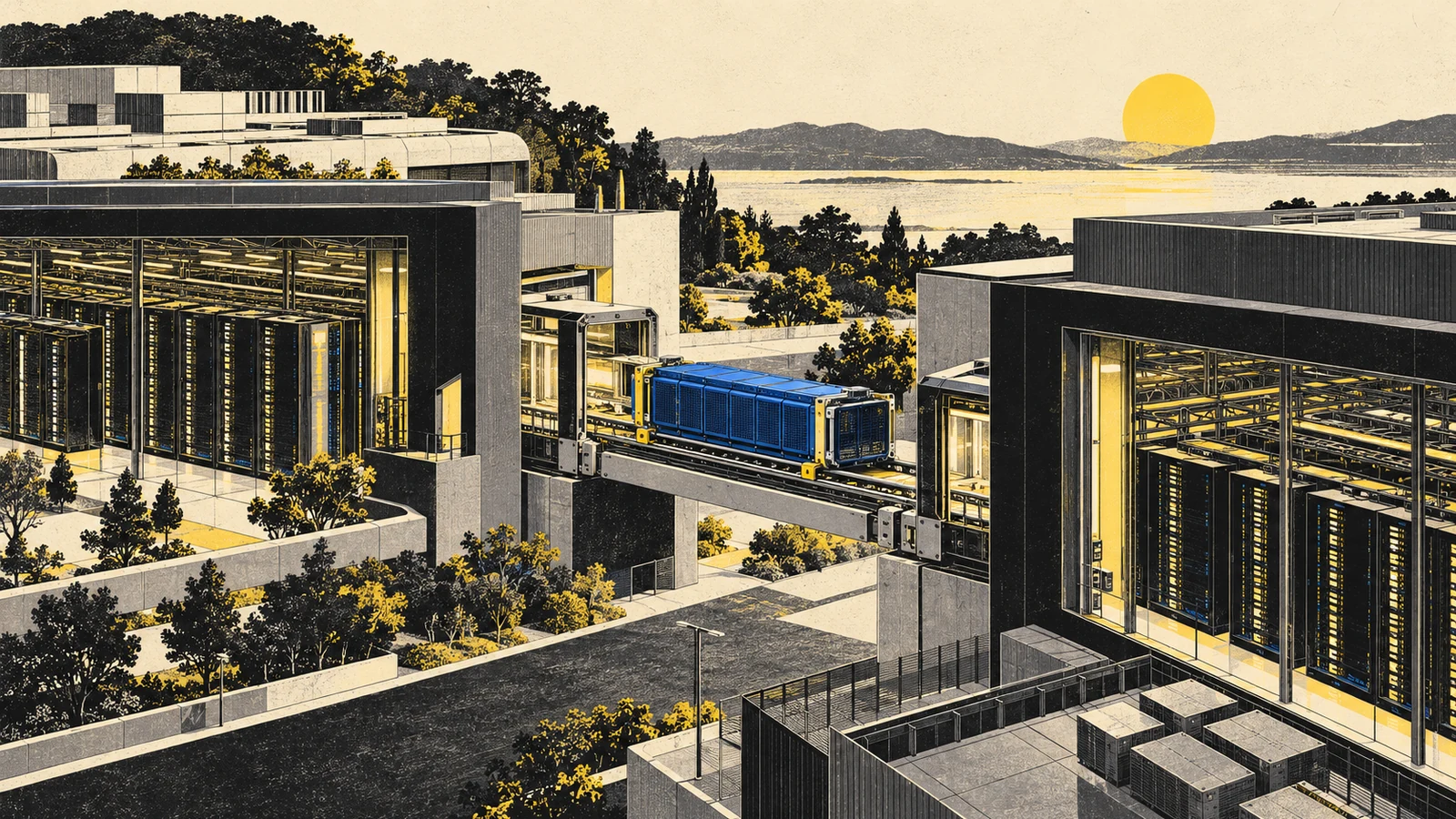
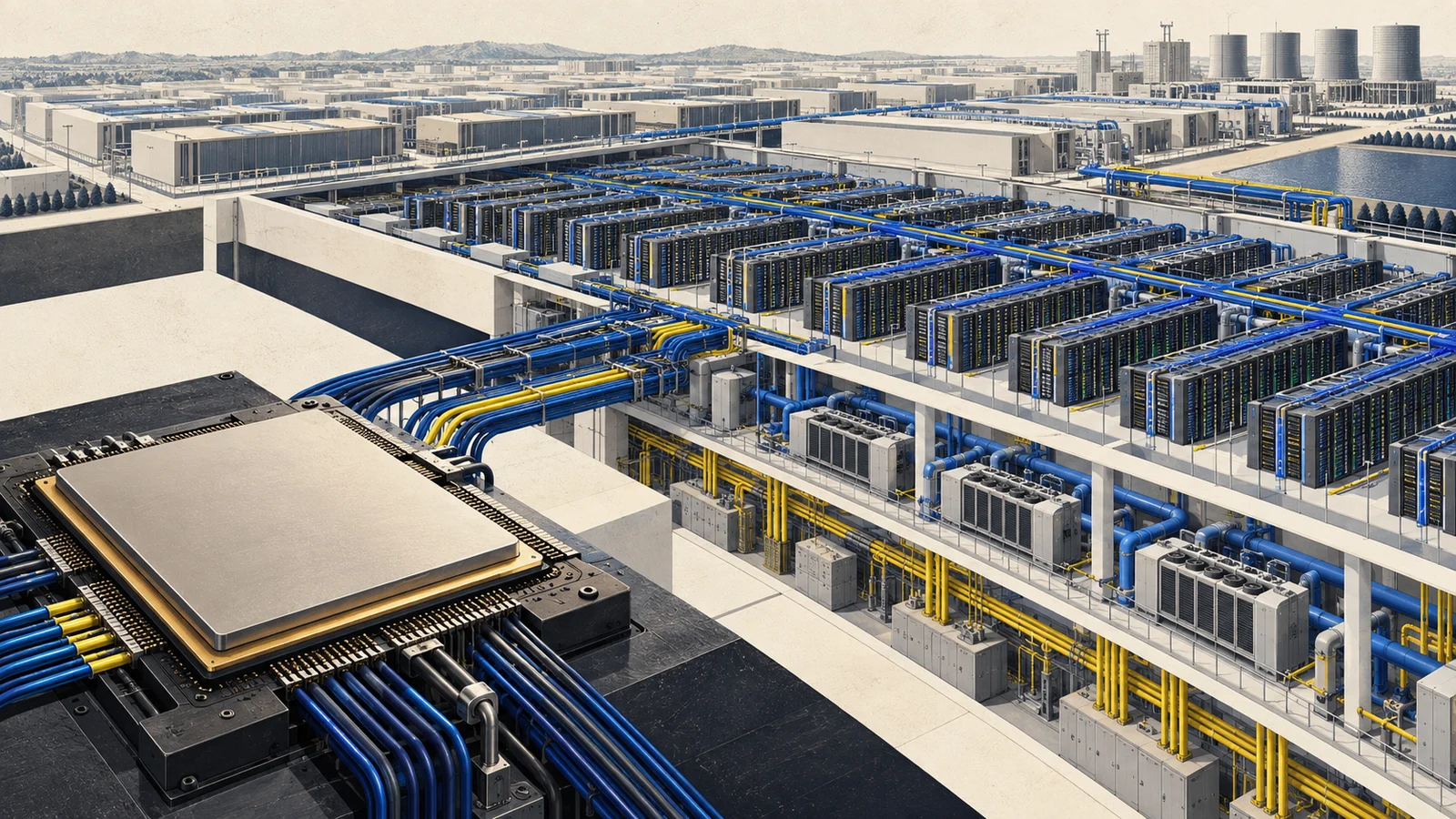
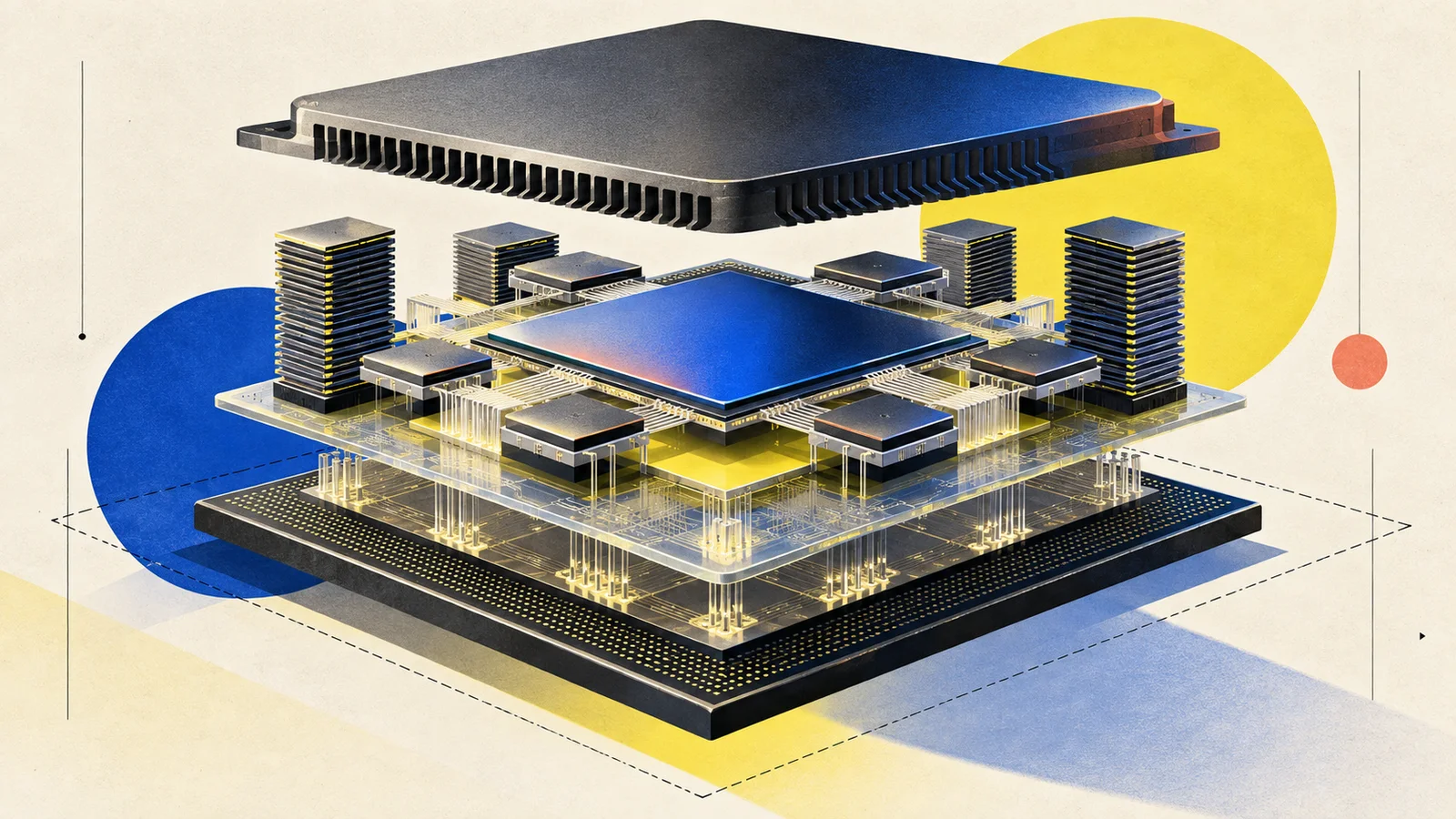
The next AI-chip bottleneck is not only transistor size. It is finding enough room to connect giant processors, memory towers, and the tiny bridges between them.
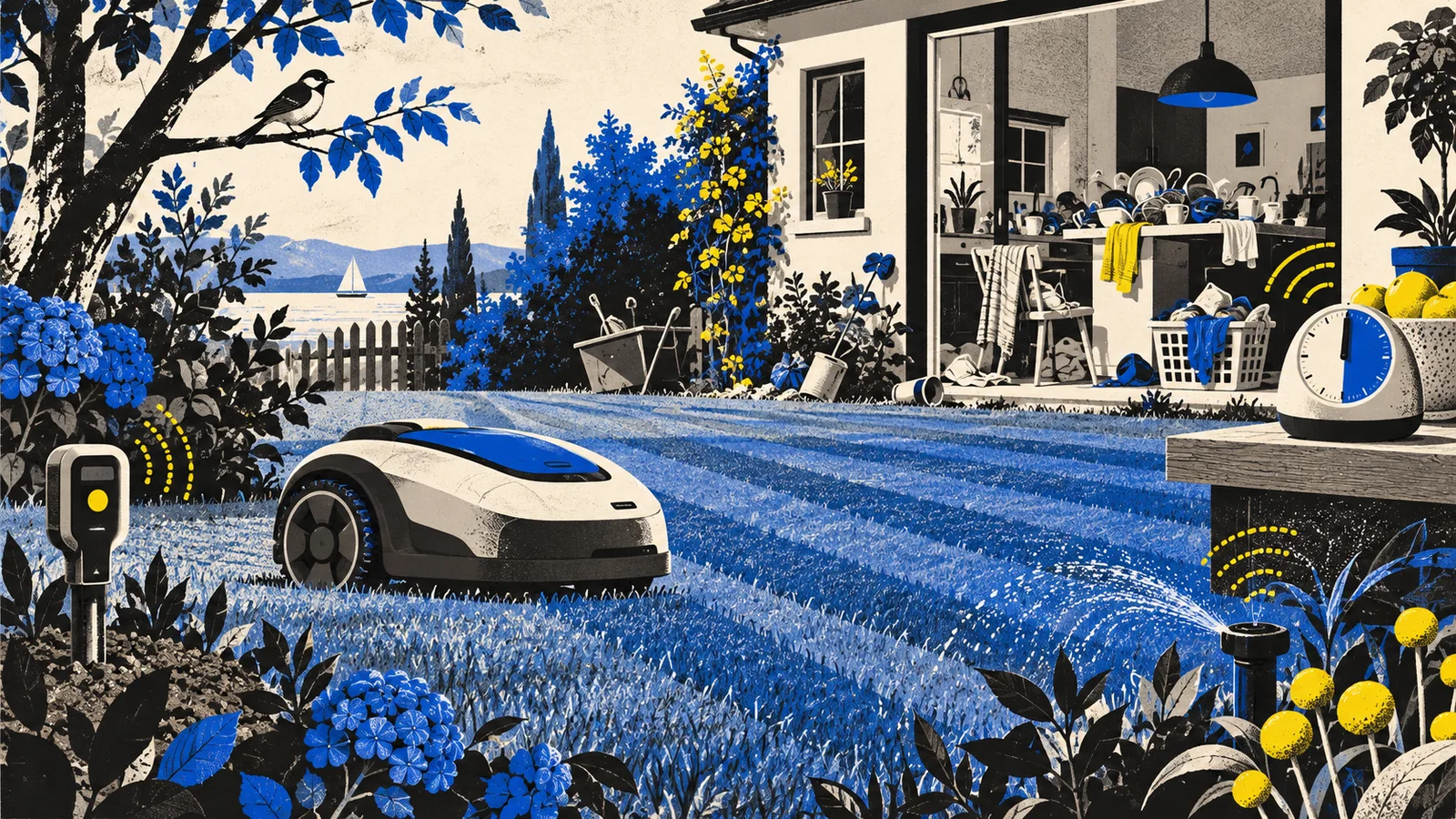
The latest smart-home pitch is refreshingly practical: fewer programs, fewer decisions, and a robot that knows the difference between grass and trouble.