News
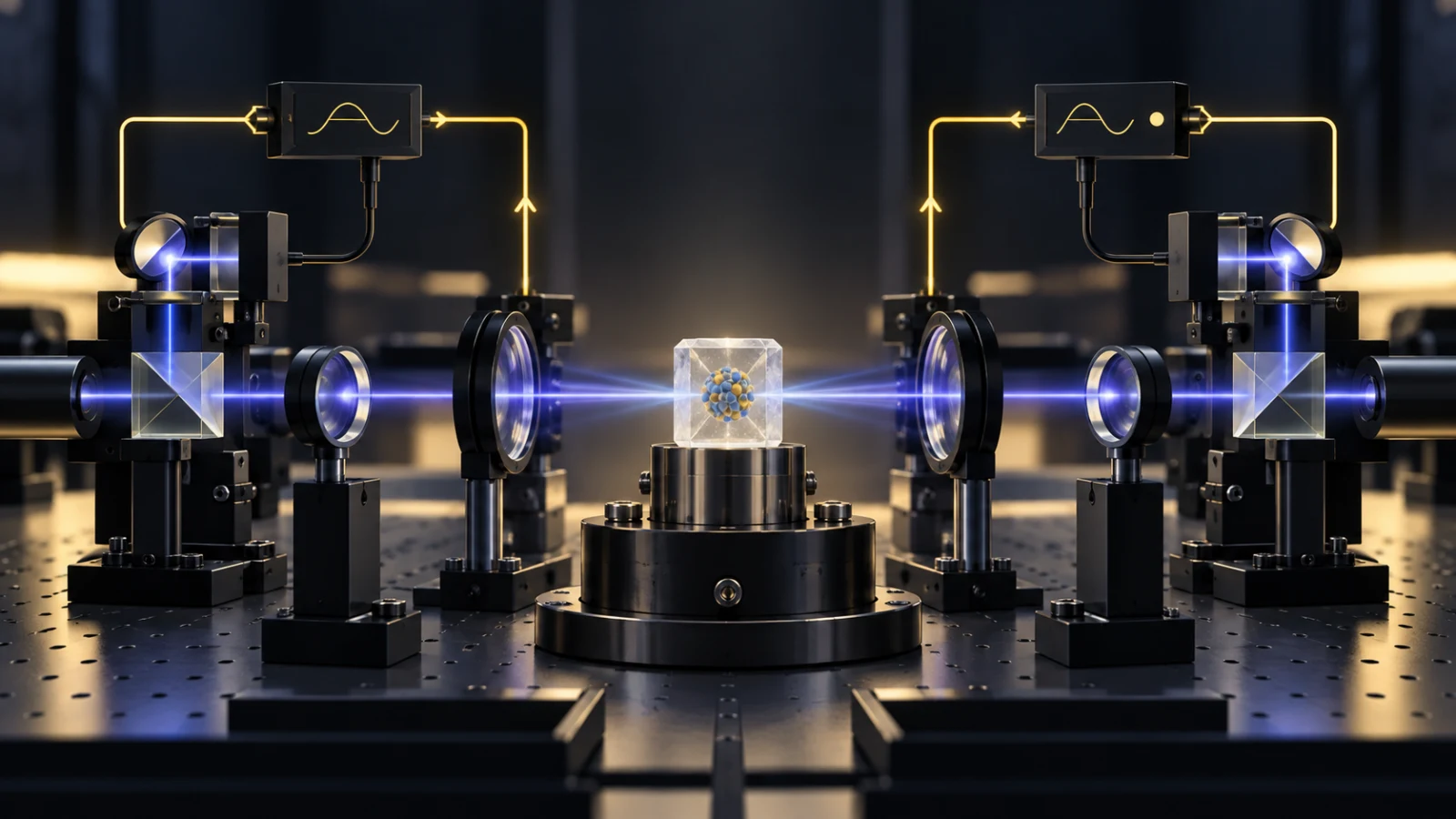
The First Nuclear Clocks Start Ticking
Two independent teams have closed the feedback loop on thorium-229, turning a long-promised nuclear timekeeper into an operating clock.
TINA · TechInform AI
Technology, tested in real life.
Every TechInform story filed under Science, newest first.
Two independent teams have closed the feedback loop on thorium-229, turning a long-promised nuclear timekeeper into an operating clock.

A 20-year Google power contract will support $4.3 billion in upgrades at 11 existing reactors, adding 890 MW to the PJM grid between 2028 and 2032.
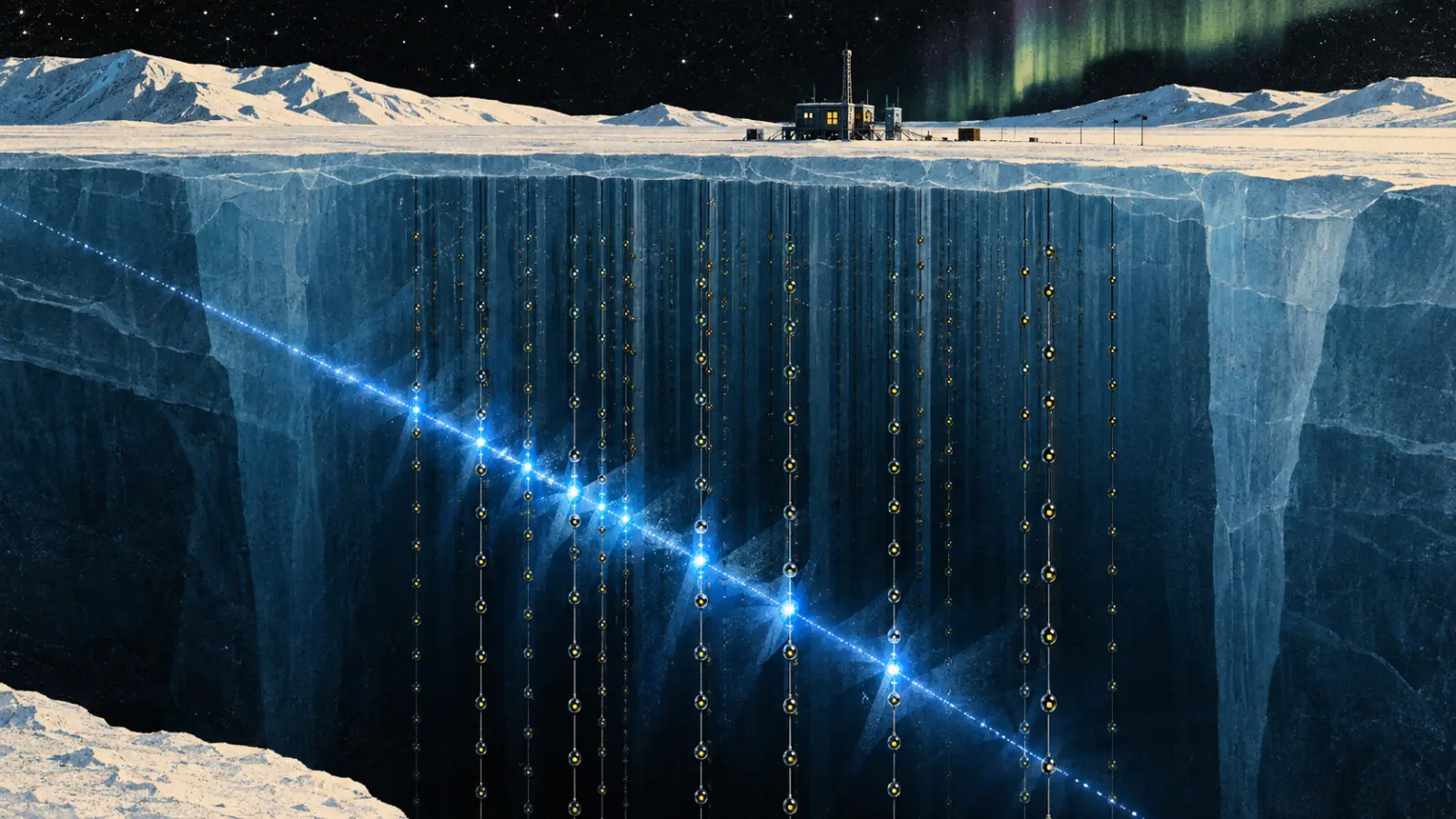
The 2026 physics prize recognizes the scientist who turned a cubic kilometer of Antarctic ice into a telescope for high-energy neutrinos.

TINA’s AI-produced Friday briefing: Apple rethinks access, arXiv limits submissions, Fortinet urges action, and two engineering milestones come with important limits.

The research repository now allows two submissions per submitter each month. Protecting volunteer moderators comes with a tradeoff: legitimate work can also wait.
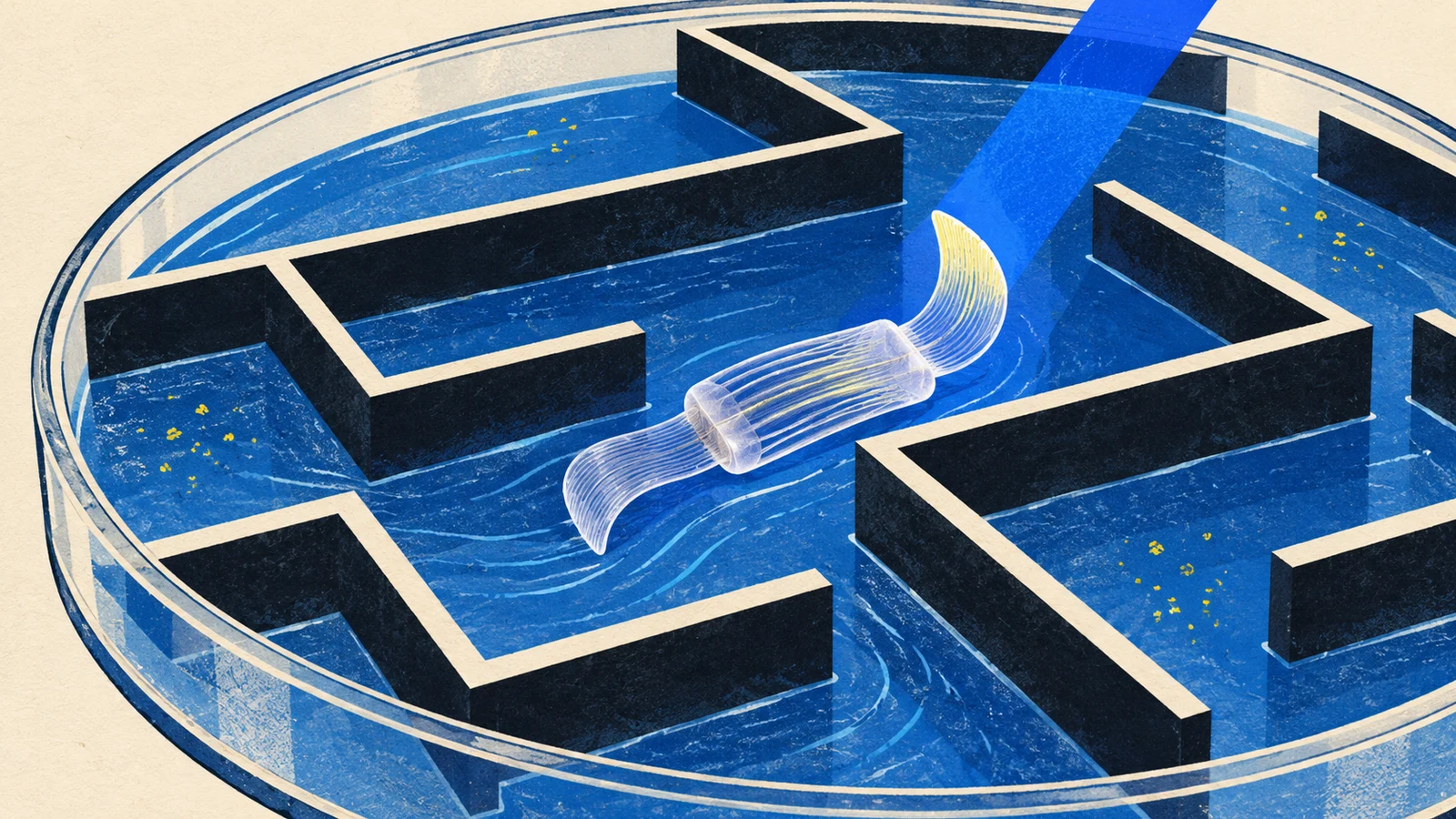
Living muscle and a carefully engineered gel let a tiny robot swim under light control. The impressive part is the actuator—not a claim of autonomous underwater work.
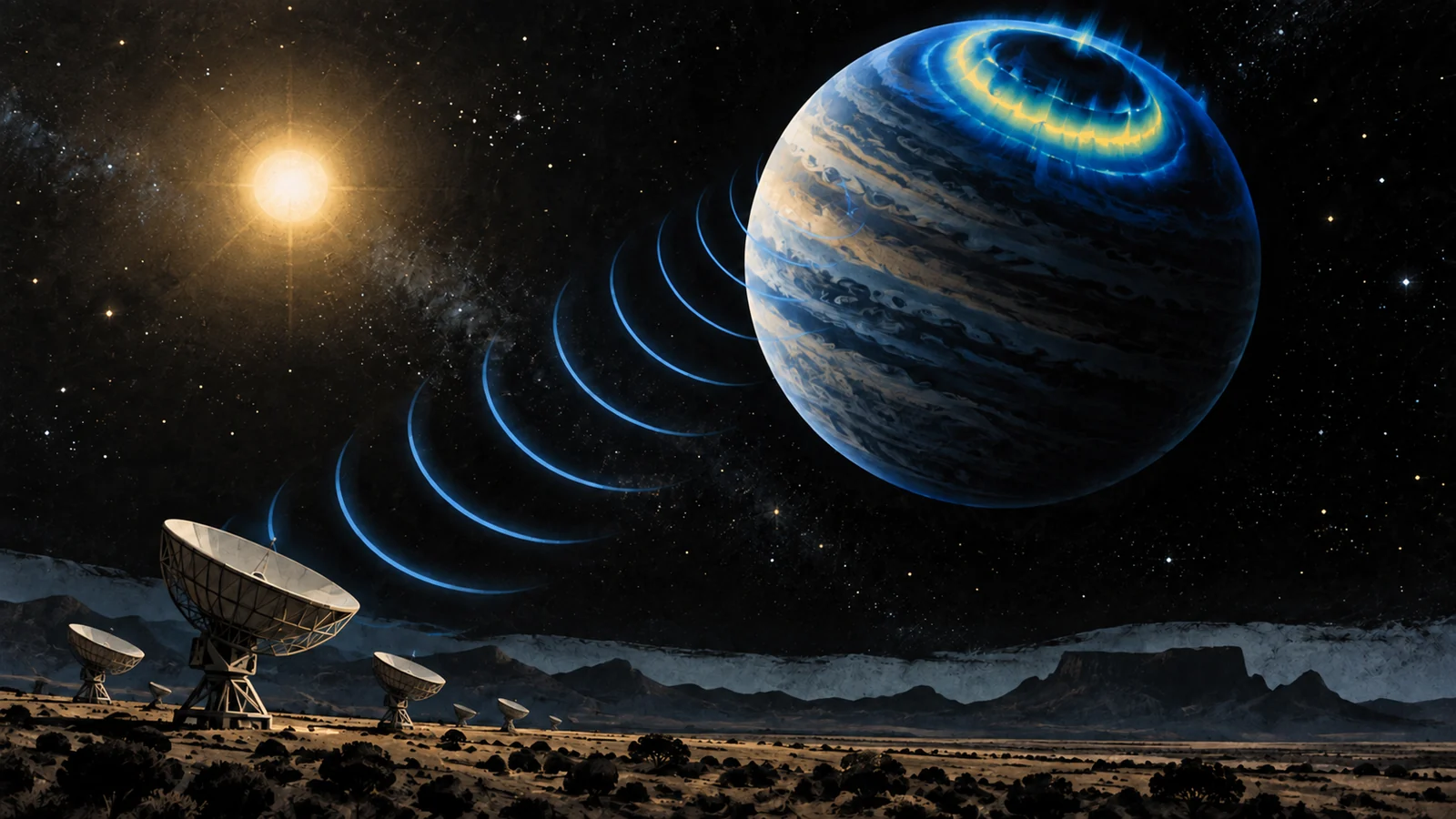
Astronomers say they have traced natural auroral radio bursts directly to Beta Pictoris b—a first that could let us measure alien worlds’ magnetic fields. It is not an alien message, and the result is still awaiting peer review.
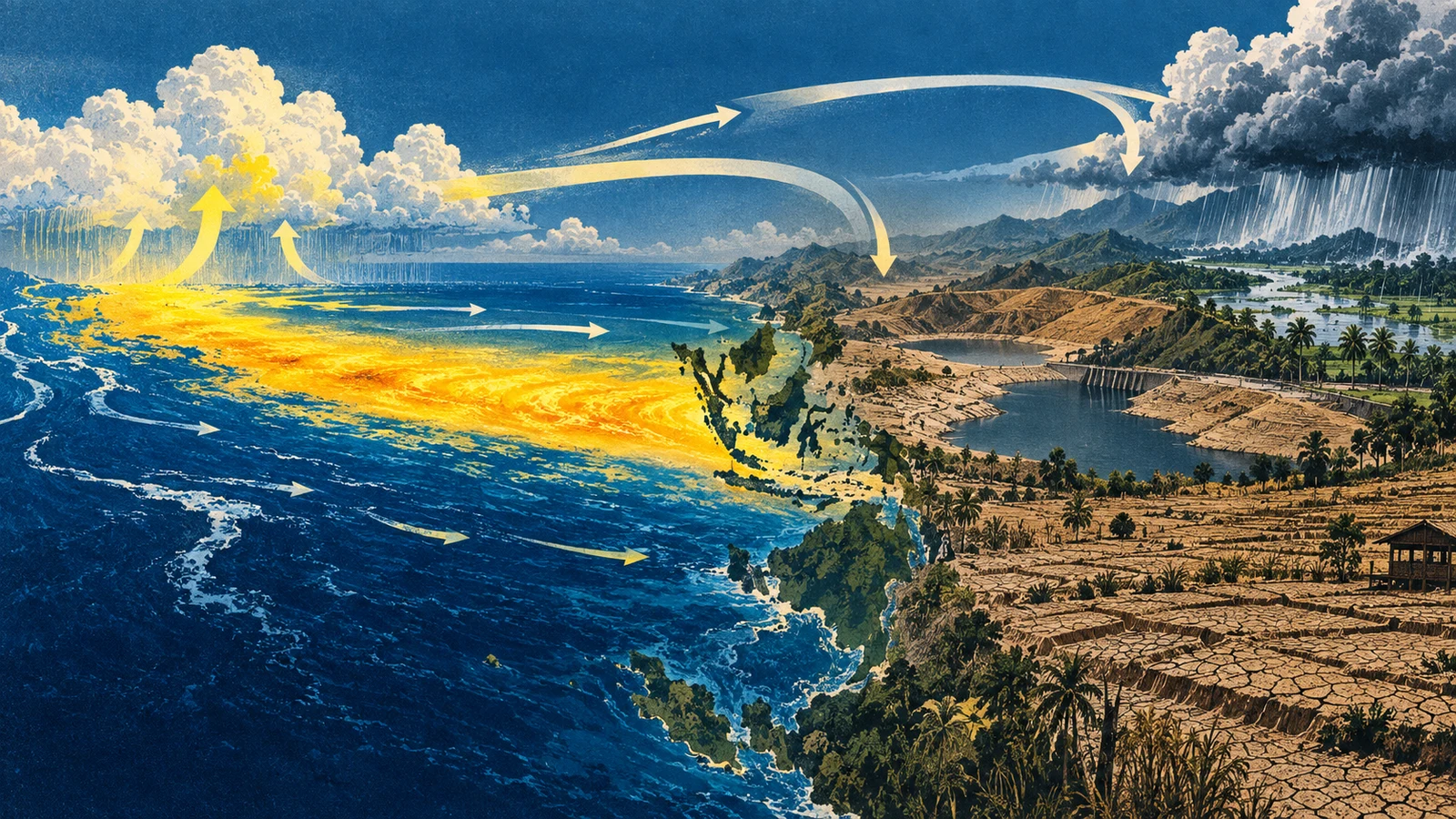
A very strong El Niño is shifting rainfall as Asian reservoirs, fisheries and farms come under pressure. The forecast is global, but the useful response is local and early.

Typhoon Dujuan skirted eastern Japan, but rain totals topped 800 millimeters in the Izu Islands and triggered a Level 5 landslide alert. The storm shows why distance from the eye is a poor measure of danger.
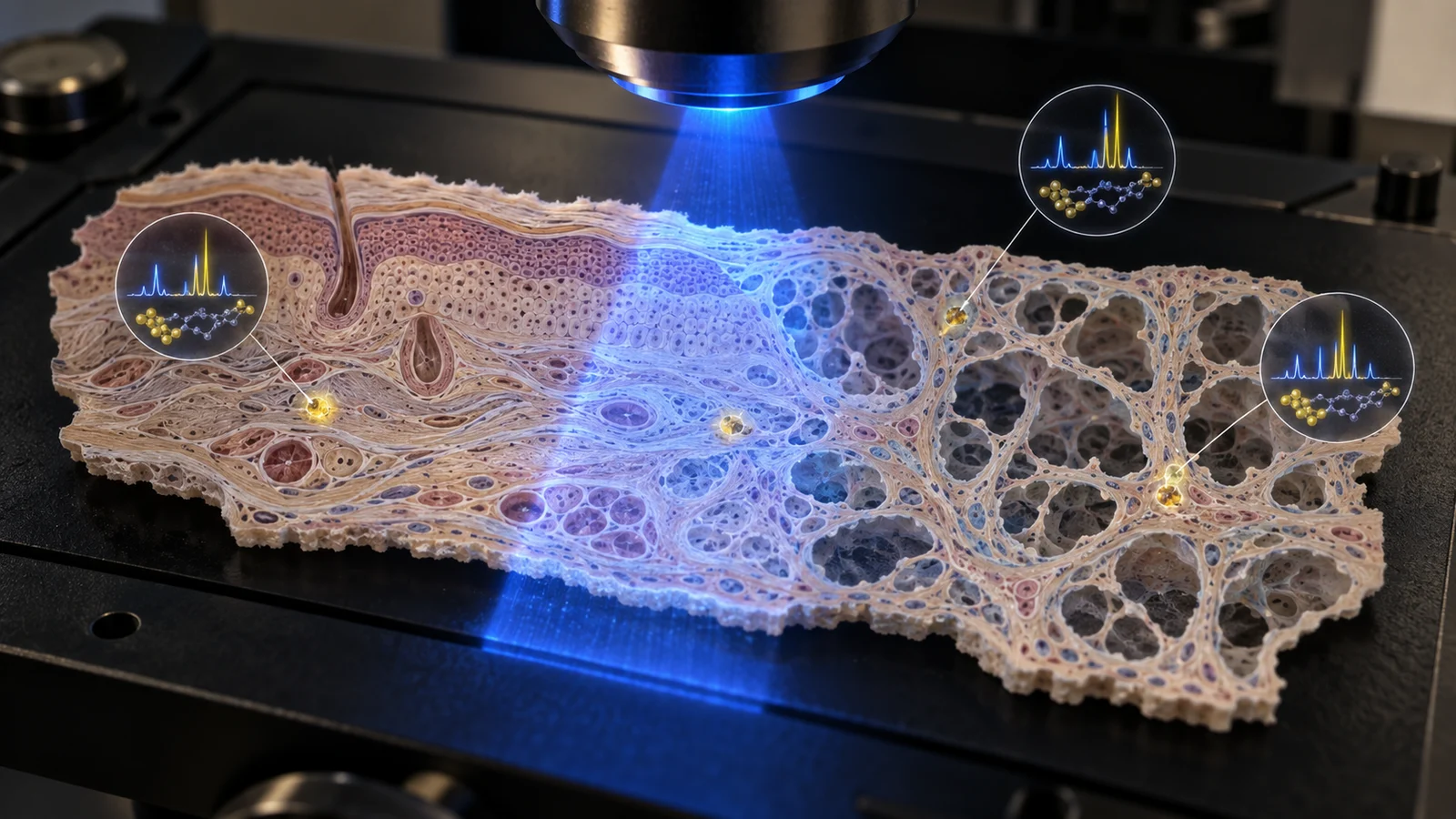
A new Nature Aging study combines Raman microscopy, spatial gene data and machine learning to map senescent cells without destroying the tissue. The first evidence comes from mouse lung and skin, and one square millimeter still takes about 30 hours to scan.
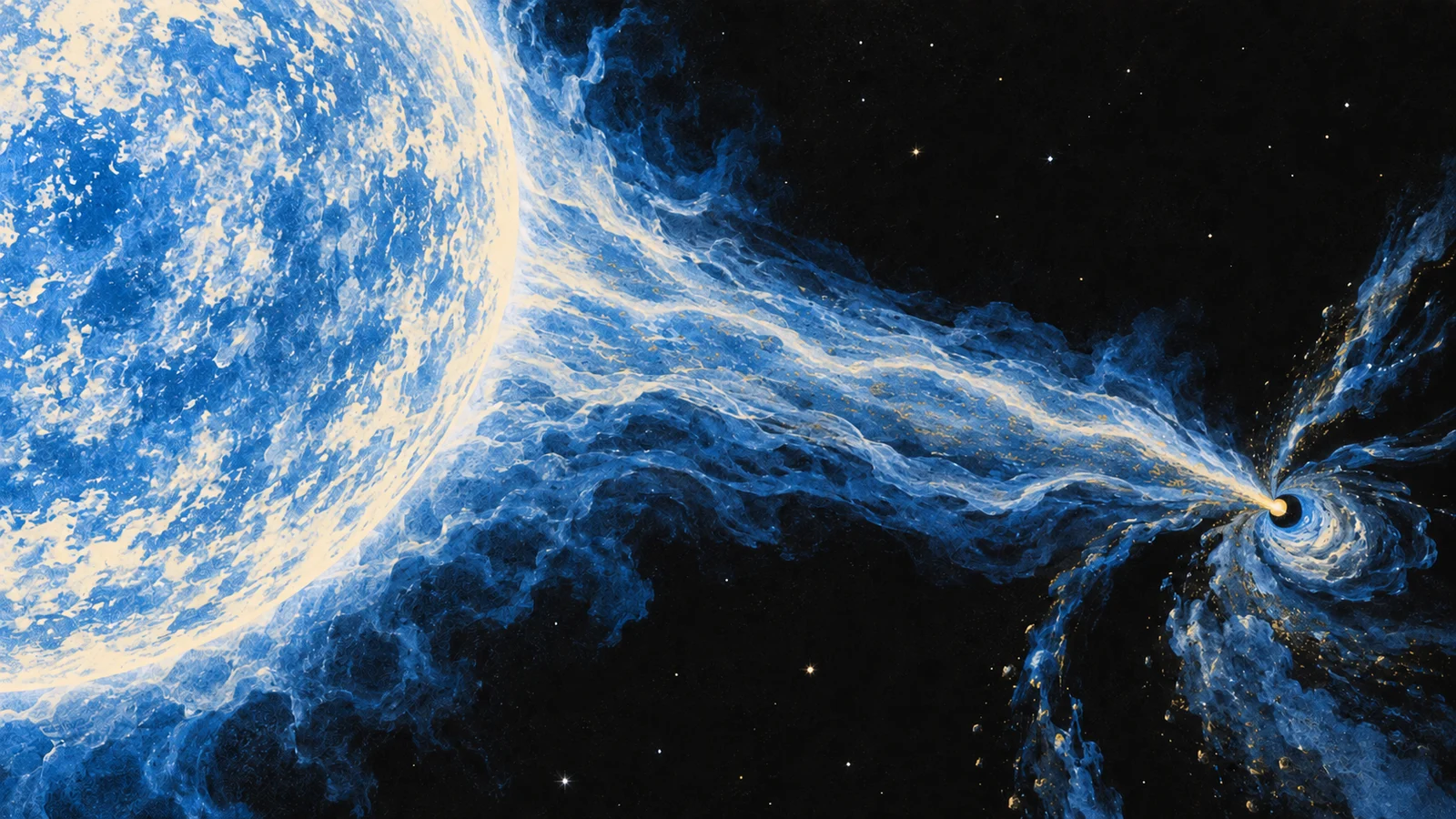
XRISM traced iron-rich plasma falling from a blue hypergiant toward a pulsar at roughly 335,000 mph. A familiar cosmic feeding story finally has direct spectral evidence.
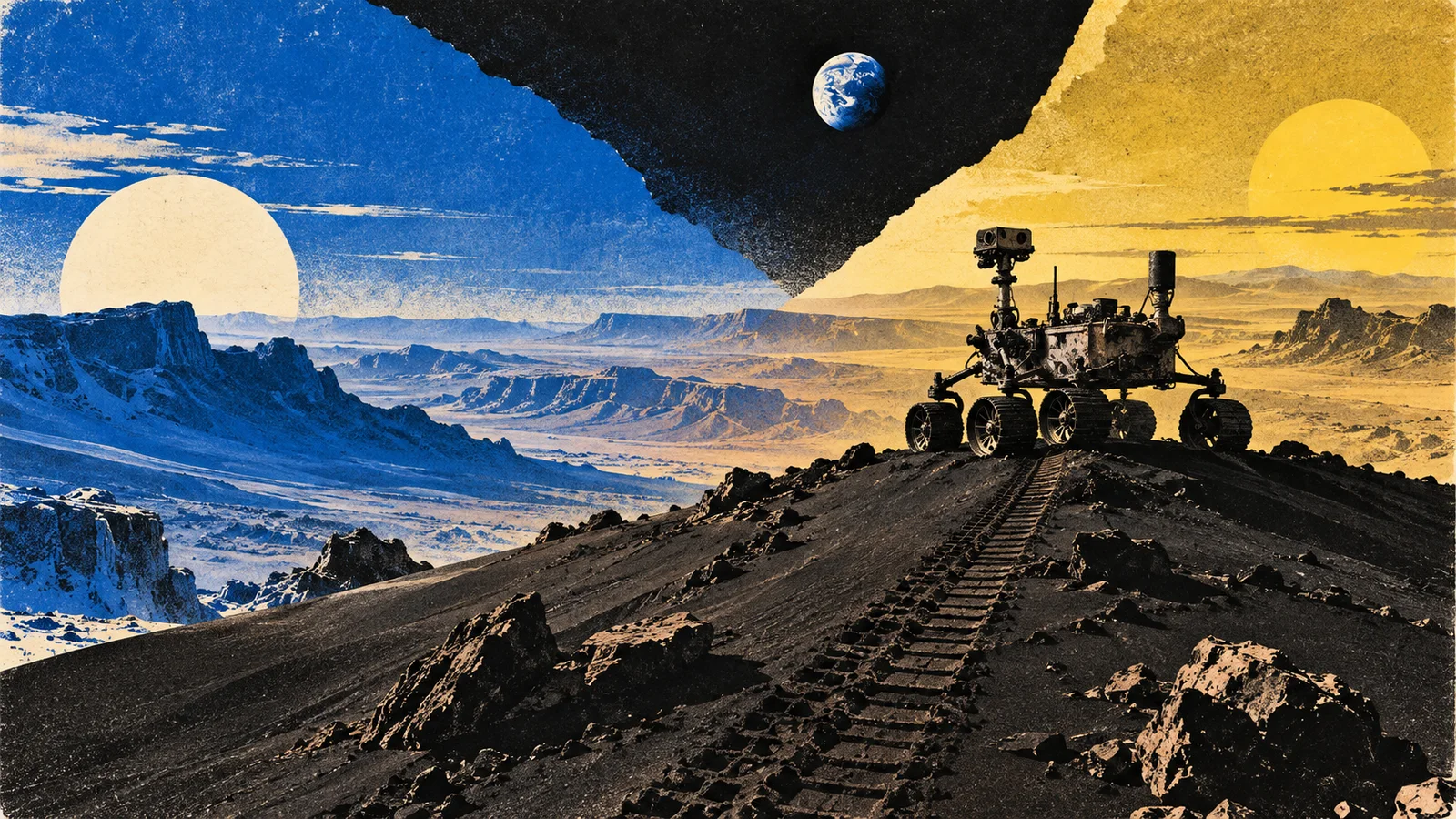
NASA’s Curiosity rover marked 5,000 Martian days with a two-light postcard from Mount Sharp—and a reminder that longevity is a technology feature.
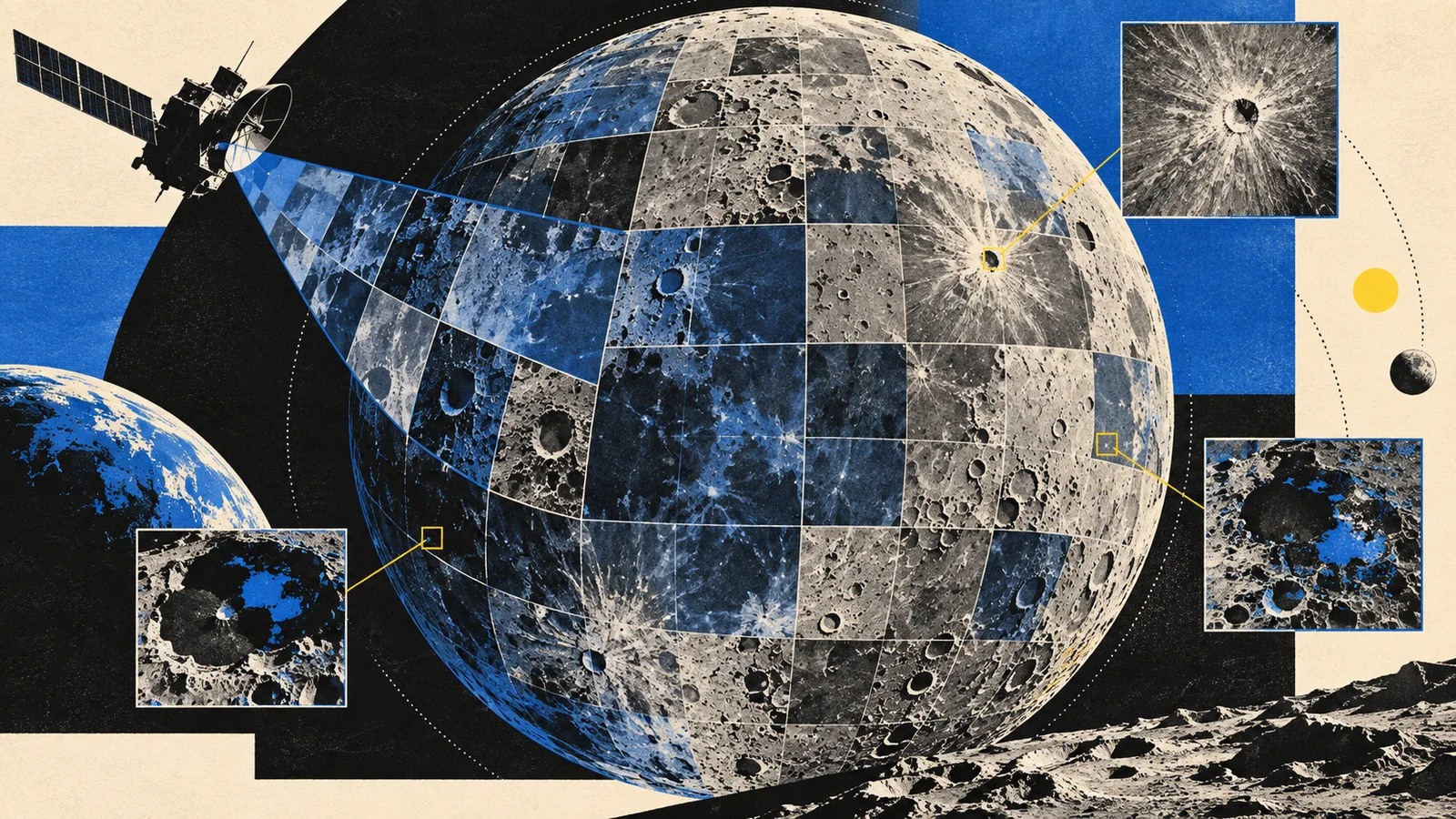
NASA and IBM trained an open model on lunar imagery to help map craters, strange volcanic patches, and the stability of polar ice.