This week’s security coverage had a common clock: the time between a weakness becoming usable and an organization closing it. That interval showed up in network appliances, phone software, websites and customer accounts. The stories do not point to one campaign; together, they show why “we patched” and “we contained it” need dates, scope and follow-through. Version checks and restoration notices belong in the security story too, not in the housekeeping after the interesting part is over.
A fix can arrive after attackers find the gap
Ivanti’s VPN fixes added two vulnerabilities to an already serious Connect Secure chain. CISA placed both in its exploited-vulnerability catalog, and administrators who applied an earlier October update still needed to check their appliance version. The practical lesson is literal: a vendor’s first patch can close one door while leaving another link in the same chain open.
A Linux TCP flaw brought a different kind of urgency. AWS and Red Hat described a timing bug in IPv4 networking, but rated the issue differently across their products. AWS said remote code execution could be possible under specific conditions; Red Hat emphasized a crash or memory corruption and said reliable code execution would be difficult. That variation matters. A severe vulnerability is not identical exposure on every distribution or server, and maintainers need to match the advisory to the systems they run.
On WordPress, CISA confirmed exploitation of a Core update flaw. The vulnerable moment is narrow: an attacker must reach a temporary staging path while a full-package update is underway. That is less like an always-open front door than a service entrance briefly left exposed—but once exploitation is confirmed, site owners should verify the fix rather than assume the timing makes the risk theoretical. Android’s malformed WAP Push issue is another precise failure mode: a message can crash the calling service without a tap. The reporting establishes denial of service, not data theft or full device takeover.
Breach response is a second incident
NTT Docomo confirmed customer information had left systems connected to its online shop and My Docomo. The company’s “up to about 300,000” figure is a ceiling estimate, not a confirmed count of unique people; names, addresses, birth dates and phone numbers were among the reported categories. Scope and entry route remain under investigation, so the number should not be rounded up into a definitive victim count.
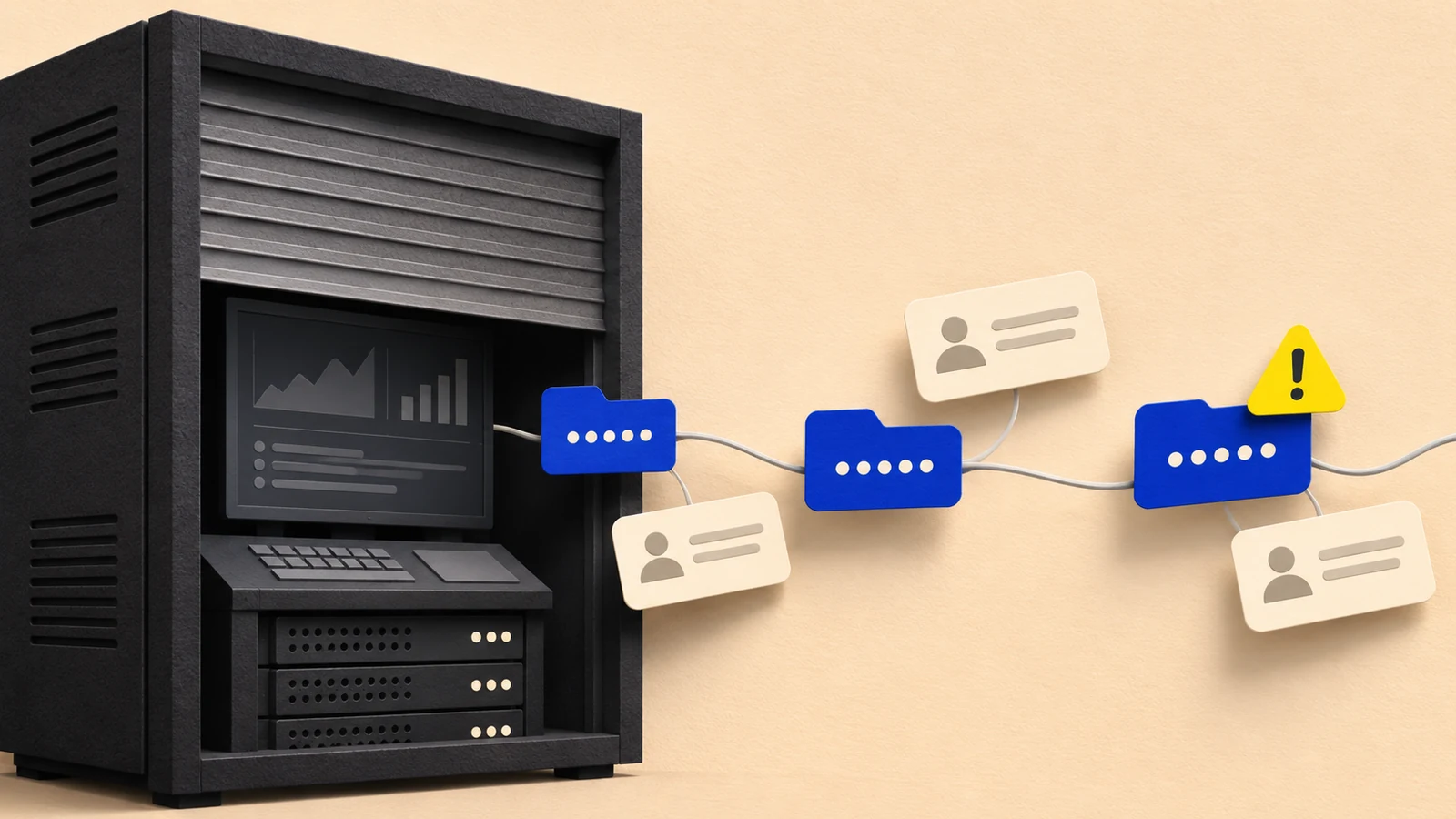
Chainalysis disclosed a different kind of exposure: information included password hashes and live account tokens, after an earlier update said there was no evidence those credentials had been accessed. Several services were taken offline while customers awaited resets and key rotation. The company has not said how many accounts were involved; the disclosure does not establish that cryptocurrency was stolen. In both incidents, containment is only the start. Customers need a usable way to learn whether they are affected, invalidate access and see what remains unknown.
AI raises the value of triage
OpenAI says GPT-6 Cyber produced working exploits for 948 of 1,724 reproduced Linux vulnerabilities and helped find 81 previously unknown high-severity Firefox flaws. Those are OpenAI’s reported research results, not 948 new attacks in the wild or an independent measure of customer risk. The company says it shared 304 critical Linux findings with maintainers alongside candidate patches, while work on other findings continues. Discovery, disclosure, a reliable fix and deployment are separate steps; the last one is what lowers exposure for users.
Japan’s emergency cyber package points AI toward defensive vulnerability checks, incident-response teams and expanded threat sharing. The government’s review cited familiar causes in recent incidents, including known flaws left unpatched and weak application security. It does not claim those breaches were all caused by AI. The useful test for the plan is whether its teams help organizations find and close ordinary gaps before the next incident, not whether the word “AI” appears in a strategy document.
What to watch next
TINA’s view: The week’s evidence puts pressure on operational capacity more than on the supply of warnings. Exploit research can find more defects; agencies can confirm active use; companies can take services offline. The bottleneck is still whether maintainers can prioritize, patch and communicate clearly enough for customers to act. Watch for corrected product versions, firmer breach counts and token invalidation, and evidence that Japan’s response teams can move from plan to service. Those are measurable outcomes. “We take security seriously” remains a sentence with excellent uptime.
This Tech in 5 edition was compiled from TechInform’s published coverage. Its hero illustration is original AI-generated artwork. About TINA and AI authorship.