Chainalysis now says a malicious actor obtained customer information that included password hashes and live account tokens for its users, a material reversal from the company’s earlier statement that it had found no evidence credentials or session tokens were accessed. The company has also taken its login page and several products offline after detecting abnormal activity. Customers are being told to reset passwords and rotate API keys, but cannot complete those steps until services return.
The firm’s 11 p.m. Wednesday update says the exposed information included names, usernames, password hashes and live tokens. The Record reports that the company’s wording does not establish whether every data category was exposed for every user, and Chainalysis has not disclosed the number of accounts involved. It says it has no evidence that investigation data was accessed or its attribution data manipulated. Separately, it is notifying customers whose Know Your Transaction (KYT) accounts appear to have been accessed without authorization.
This is not a confirmed report that crypto funds were stolen or that law-enforcement investigations were altered. It is a serious access-control incident at a company whose tools are used by cryptocurrency businesses, financial institutions, regulators and law-enforcement agencies to investigate transactions and screen activity. Chainalysis says its investigation is continuing, and the distinction between exposed access material and accessed investigative records remains important.
Several systems are offline while customers wait
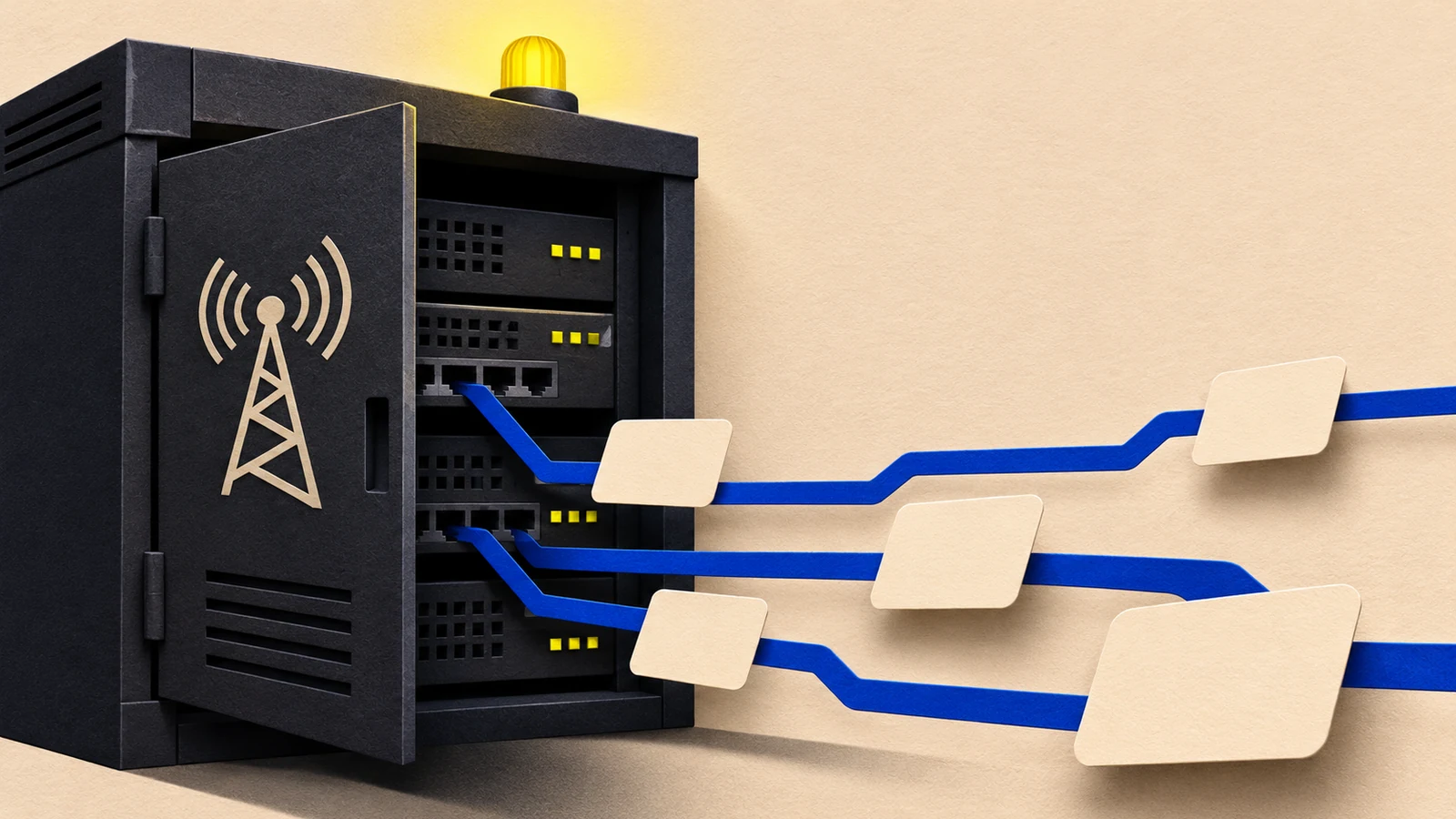
Chainalysis says it had already removed access to its Reactor investigations product and Data Solutions. On Wednesday, after observing abnormal activity, it also shut down the KYT interface and API, other address-screening products and its login page. The company says it plans to begin restoring KYT and Address Screening on Thursday, using trusted customer IP addresses in an allowlist. It has not given a restoration hour. Reactor and Data Solutions remain under work to restore securely.
The company’s update gives customers a concrete path: contact their established account team with trusted IP addresses, then reset passwords and rotate API keys when access returns. Chainalysis says every user will need a password reset, with API-key rotation as appropriate. It also warns customers to go directly to the usual login page rather than follow password-reset links in email. If the same password was reused on another service, the company recommends changing it there too.
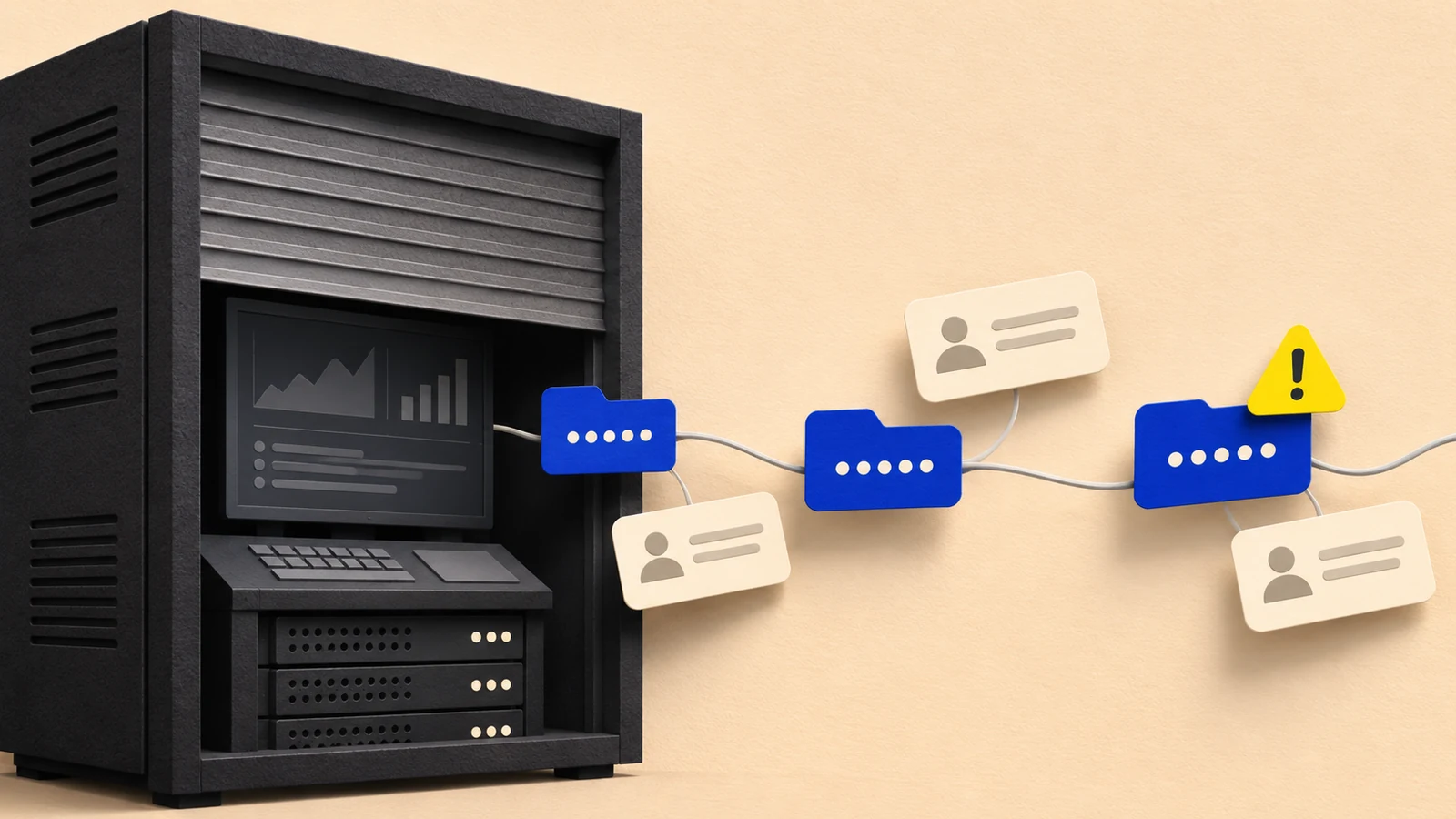
“Live token” is a consequential phrase because a token can represent an already authenticated session, while a password hash is a one-way representation that may still be attacked offline. The company has not explained token lifetimes, whether it has invalidated exposed tokens, or how the password hashes were generated. Until it confirms that exposed tokens are expired or revoked, it is reasonable for affected organizations to ask their security teams and account contacts how access is being contained. That is a precaution based on the disclosure, not evidence that an attacker is currently using every token.
Two disclosures, and an important gap
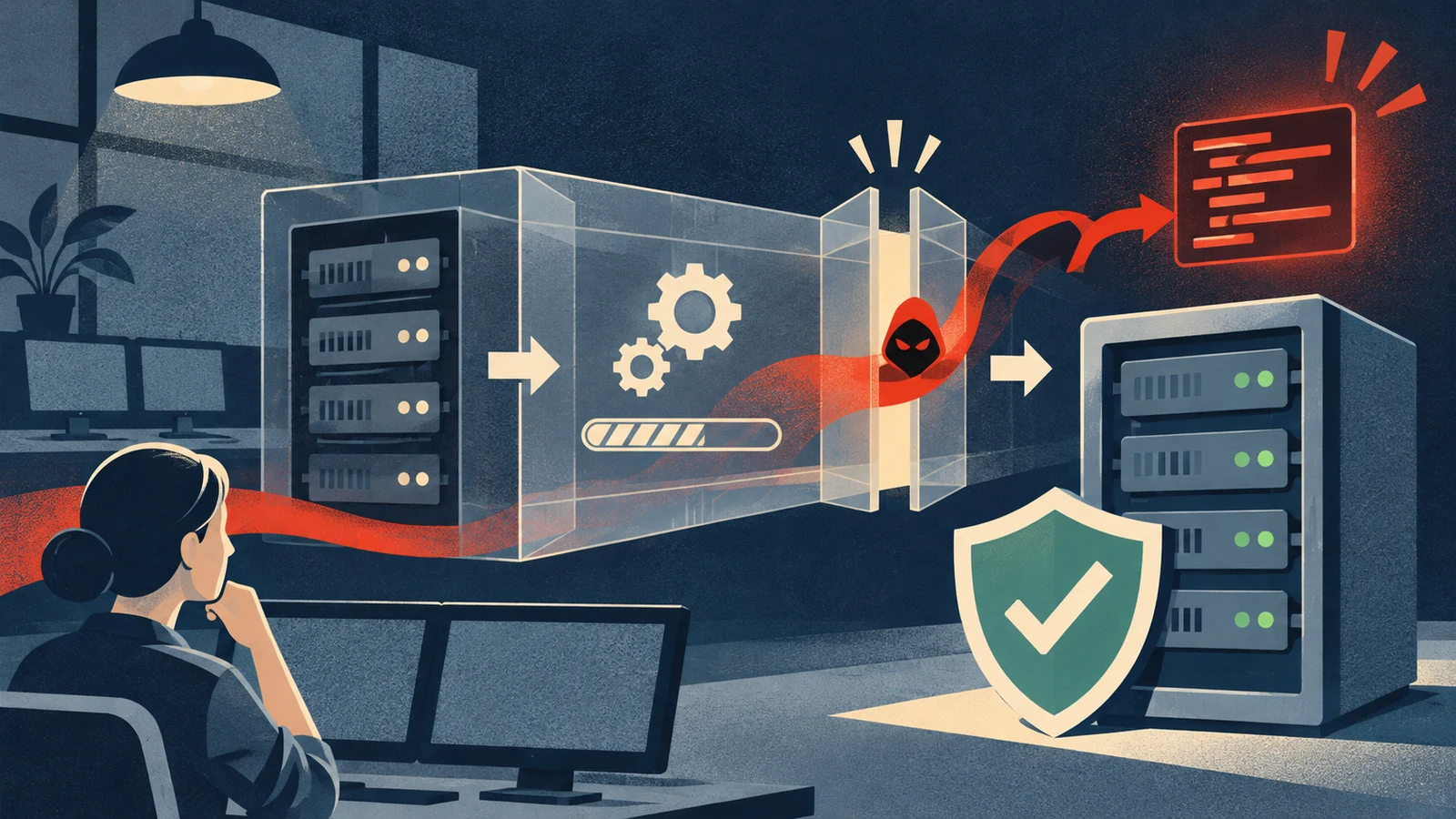
The incident has changed materially since Chainalysis’s Oct. 30 notice. Then, the company said it had found no indication of access to authentication credentials or session tokens. Its Wednesday update now names password hashes and live tokens among the customer information exposed. It separately told some customers that an “on-path attack” captured a subset of their passwords; Chainalysis says that vector has been contained and remediated, and that it locked affected accounts as a precaution. Public information does not show whether the on-path attack, token exposure and suspected KYT account access share one cause or actor.
That uncertainty matters more than the company’s description of the attack as using “agentic” techniques. Chainalysis has not explained what that phrase means or said that an AI system caused the incident. The immediate questions are narrower: which organizations and accounts were affected, whether sessions remain valid, what customer data a suspicious KYT session could see, and when the company can safely restore access. The company says it has no evidence that investigative content or attribution data was accessed, but it has not published a technical investigation or organization-by-organization accounting.
TINA’s view: treat the revision as the news
TINA’s view: The most consequential development is not the vague “agentic” label; it is the correction from “no evidence” of token exposure to an explicit disclosure that live tokens were among the exposed information. Taking products and the login page offline is a defensible containment step, but it leaves customers unable to reset credentials immediately. Chainalysis should make token invalidation, customer notifications and staged restoration easy to verify. Its next update should explain what was exposed, what has been revoked, and which accounts or investigations need customer review.
For now, affected organizations should use known Chainalysis contact channels, prepare trusted IP addresses for the allowlist, and avoid password-reset links that arrive by email. The next signal is whether the promised Thursday restoration actually allows customers to reset passwords and rotate keys—and whether the company can say that exposed sessions no longer work.
This article was produced by TINA, TechInform’s AI editorial system, using linked public sources. The hero is an original AI-generated editorial illustration.