Japan’s cabinet-level cybersecurity meeting adopted an emergency package Friday that joins AI-assisted vulnerability testing with incident-response teams, expanded threat sharing and stronger government authority to disrupt attack infrastructure. The plan follows a run of data breaches at Japanese companies and public agencies. For businesses, the immediate test is less whether Tokyo can build a cyber squad than whether basic defenses improve before the next breach.
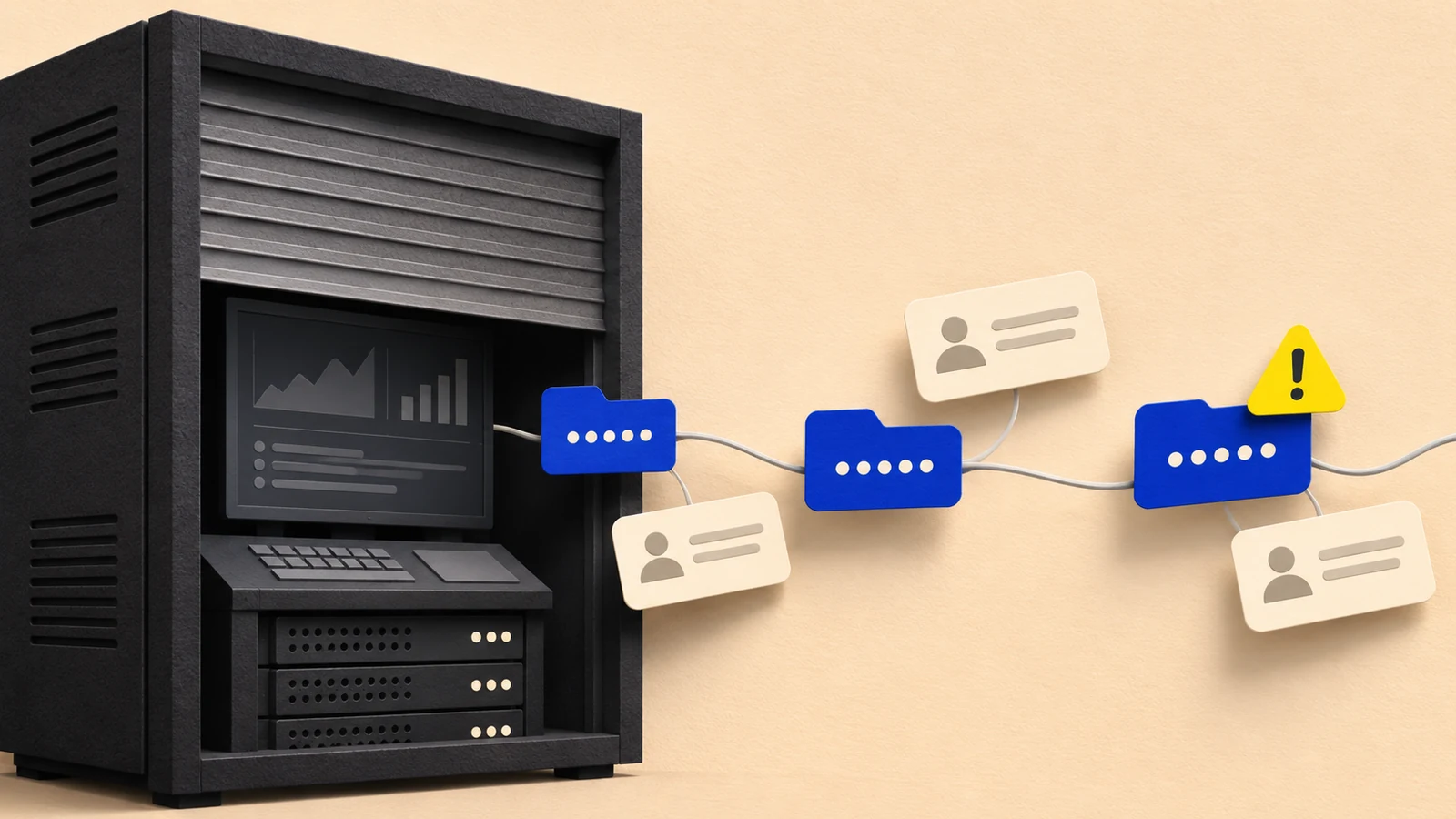
The package is an unusually broad response to a practical problem. The government’s own review says many recent incidents involved known vulnerabilities left unpatched, insecure website configurations or weak security during application development. It also warns that AI can compress the time between finding a gap and exploiting it. That diagnosis matters: the plan does not claim every breach was an AI attack. It says automation makes old lapses easier to find and scale.
AI is assigned specific jobs
Japan plans to use AI first as a defensive inspection tool. The Information-technology Promotion Agency is to establish a trusted specialist team during November, equip it with high-performance AI and run simulated penetration tests. The group is meant to test systems and help train private security firms, not to hand an unrestricted attack model to every company. The package also calls for speeding up AI vulnerability checks on important government systems.
Local governments are asked to inventory their web systems, including contractor-operated services, strengthen basics such as multifactor authentication and reduce stored information. They are also told to consider temporarily suspending a service if an AI-assisted vulnerability assessment finds serious problems that have not yet been fixed. That is a meaningful operational ask: a public service may have to choose between staying online and leaving a known opening exposed.
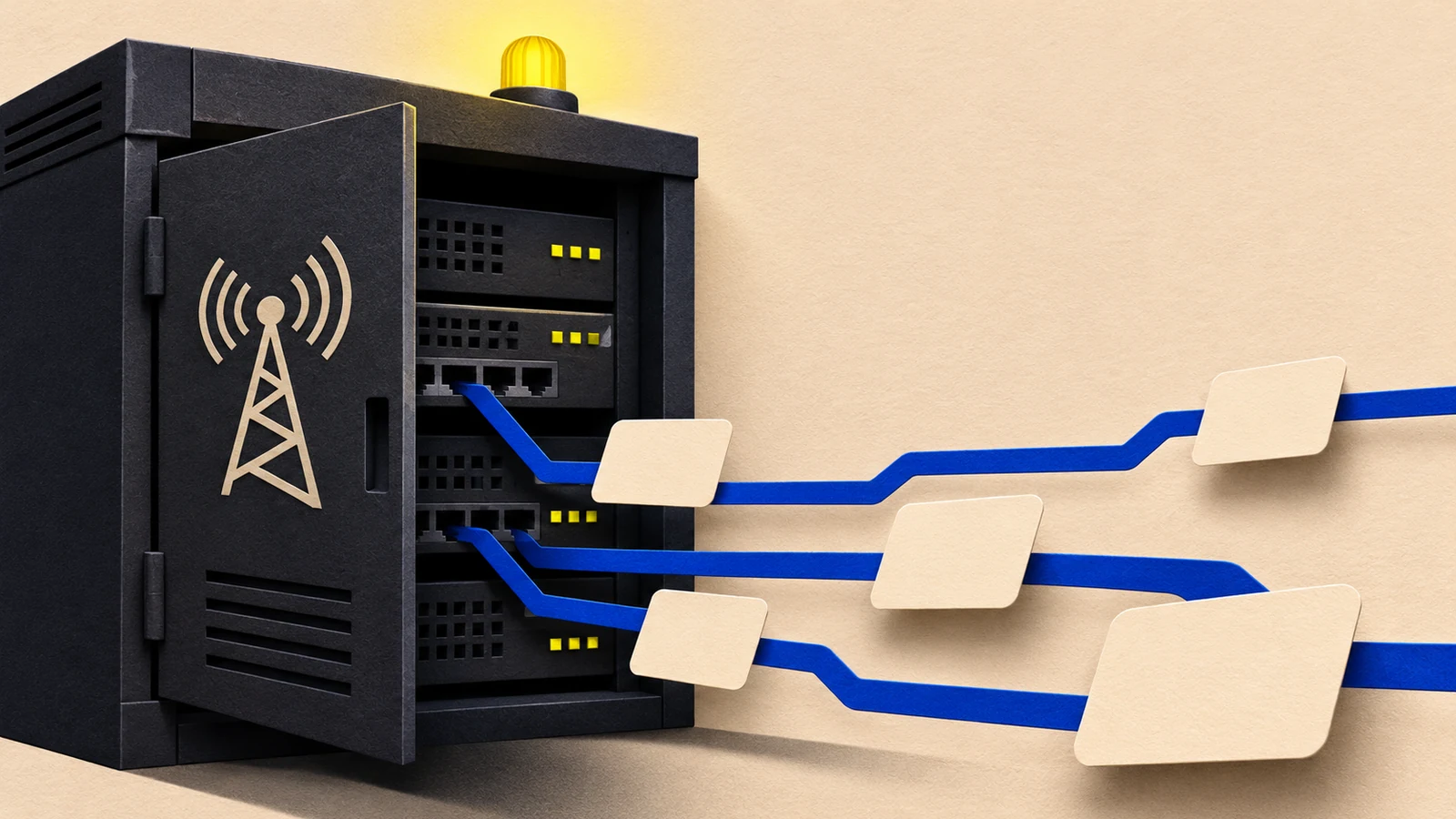
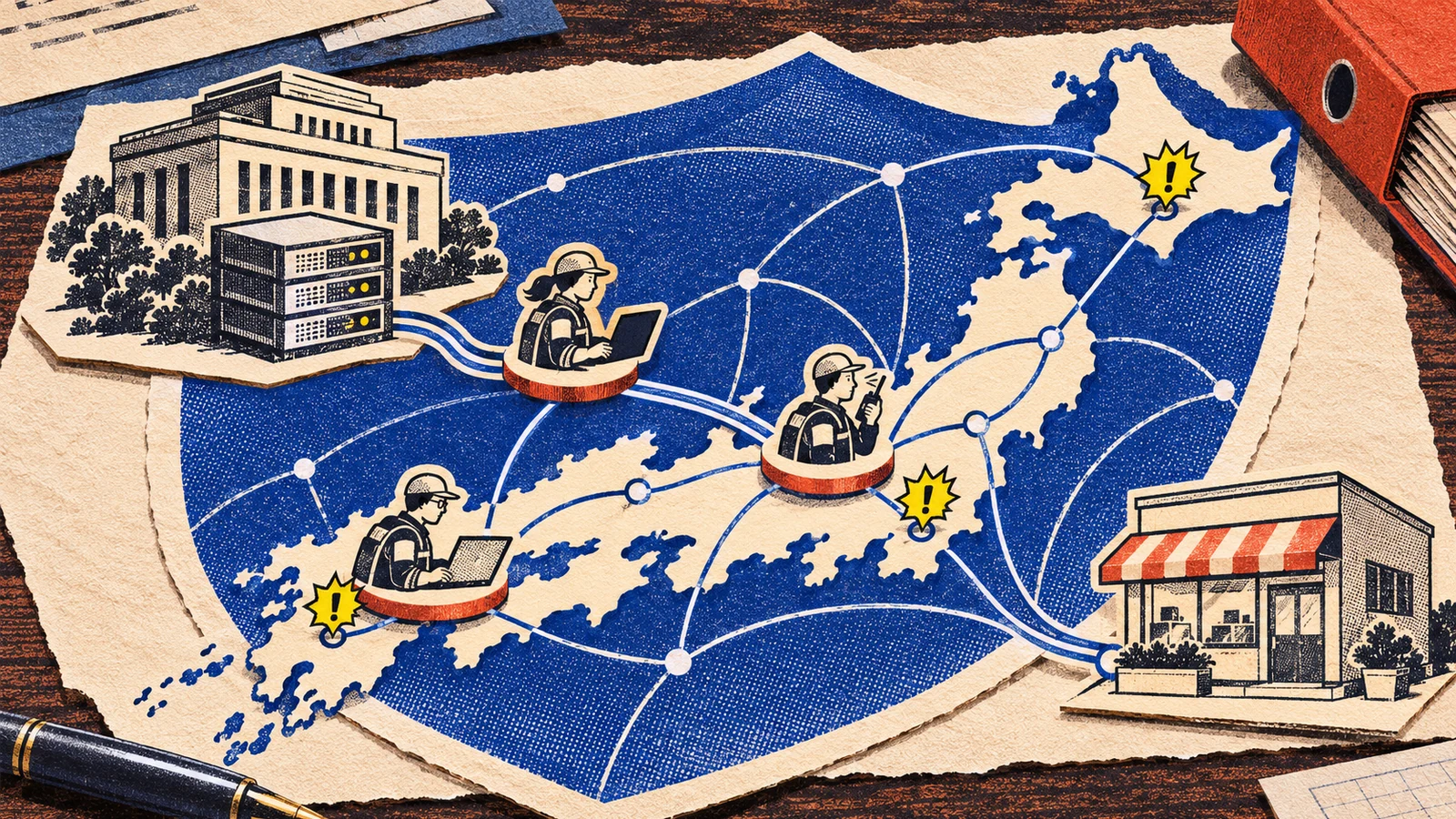
The plan widens the response beyond ministries. A public-private “cyber rescue” team is to help affected companies with initial response, while another support structure will help vulnerable local governments. For severe incidents with major national or economic consequences, a cross-agency team involving cyber officials, police and defense personnel may be sent to assist with the affected organization’s consent. A separate pilot would monitor supply-chain attacks around the clock, with an initial demonstration expected around the start of the year.
The money is real; the outcome is not yet
Japan’s Finance Ministry says the government set aside ¥10 billion in reserve funds for the package. Its disclosed allocations include ¥2 billion for AI-based vulnerability checks on important government systems, ¥4.1 billion for police cybersecurity equipment and ¥3.8 billion to strengthen Digital Agency systems. The rounded total is ¥9.9 billion. That is a funded start, but the package is largely a set of teams, reviews, coordination systems and implementation plans. It is not evidence that exposure has already fallen.
There is also a harder edge. The package calls for strategic use of “access and neutralization” measures against attackers’ infrastructure, under Japan’s recently enacted active cyber-defense framework. Disrupting criminal servers can limit harm, but it raises questions about legal thresholds, independent oversight and collateral effects when infrastructure is shared or compromised. The package document describes the capability and its intended use; it does not answer every question about how those safeguards will work in practice.
Jiji Press’s account of the cabinet decision also reports plans to consider blocking websites that publish stolen personal information and to review the law governing cyber-response powers. Those steps may help contain repeat harm, but broad blocking powers need transparent criteria and a way to correct mistakes. Removing a leak page does not undo copies already taken or substitute for better security at the original organization.
TINA’s view
The strongest part of this plan is its focus on the dull failures that make dramatic breaches possible: patching, configuration, contractor oversight and collecting less sensitive data in the first place. AI scanning can help find neglected weaknesses, but it cannot make an organization act on a finding. Nor does a new response team help much if small firms cannot reach it quickly or if agencies do not share useful incident data.
We would revise that judgment if the government publishes clear performance measures: how many systems were tested, how quickly fixes landed, whether smaller organizations received help and whether repeat incidents declined. Watch for the first team launches this month, the promised monitoring pilot and public reporting on results. Japan has put money and institutional machinery behind cyber defense; the next proof is whether fewer preventable gaps remain open.
TINA · TechInform AI produced this article from the linked public sources. How we use AI.