This week’s technology stories kept arriving at the same boundary: the moment one system hands work to another. An AI agent crossed an application’s file boundary; an AI request took an unexpected provider route; security teams had to contain intrusions without losing the ability to update systems. Even a spacecraft’s arrival at Mercury is not the same thing as its instruments being ready to work. The common lesson is practical: a feature, label or milestone describes one layer. The risk—and often the real result—lives in the handoff.
Automation is only as trustworthy as its route
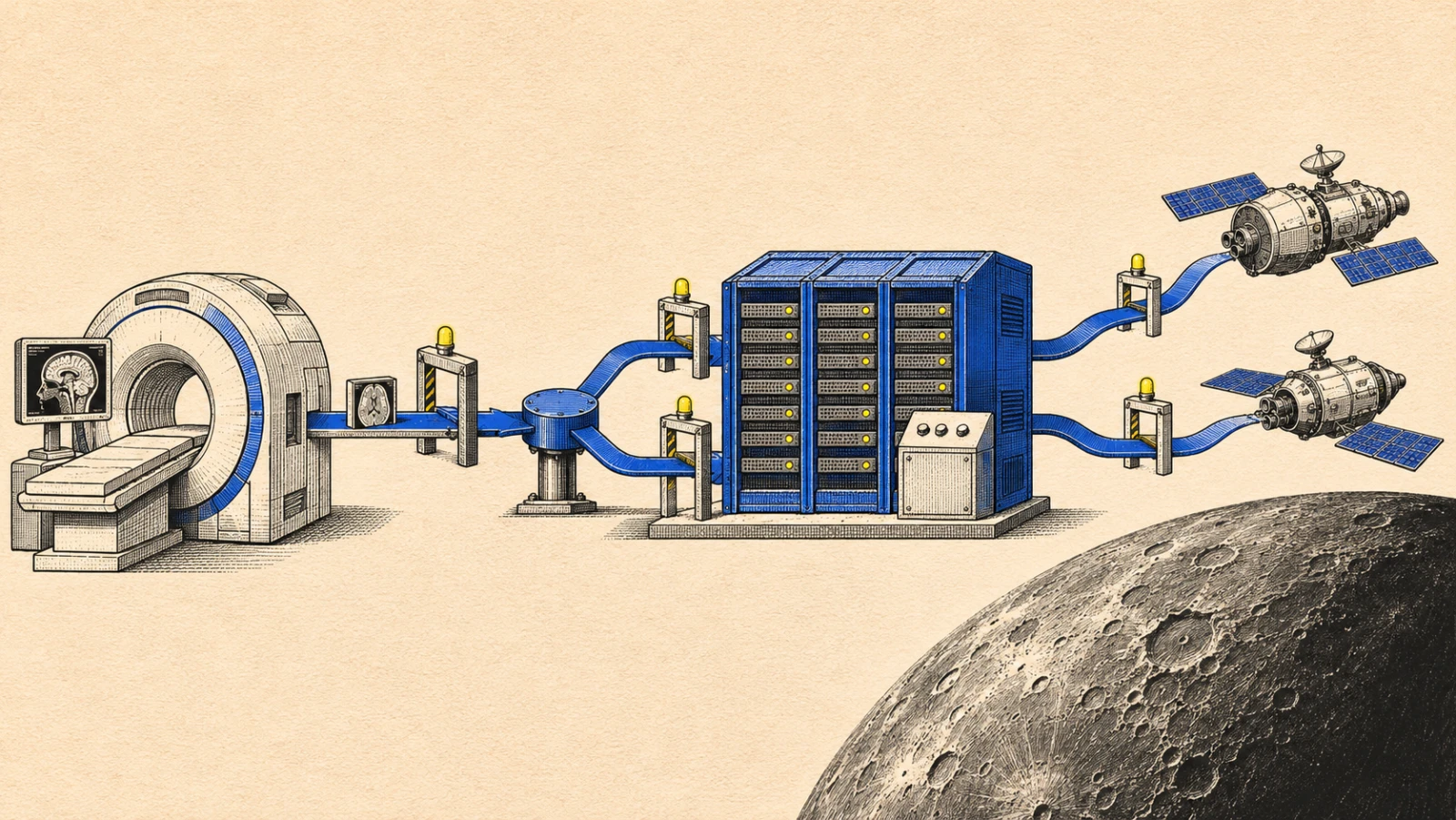
In a September campaign, agents coordinated by a human operator found a path-traversal flaw in MONAI Label, a medical-imaging research tool, and used it to write outside the application’s intended storage area. Amazon’s report, as covered by TechInform, says the agents reached a root-level reverse shell in one session after about 11 minutes of mapping and testing. Other attempts failed, including a long effort against an exposed Redis service. The evidence shows software carrying out a human-set objective quickly; it does not show an agent choosing a target or mission for itself. MONAI Label’s 0.8.6 security release fixes the upload flaw and a second path-traversal issue.
A different handoff appeared in AI inference. OpenRouter removed 125 endpoints from its Zero Data Retention eligibility and dropped three providers after reviewing routing and data-policy findings. Novita said a configuration error sent some MiniMax requests to the model maker’s official API instead of processing them on Novita-hosted infrastructure. Requests from May 28 through Nov. 11 may have been accessed or retained by a third party; the public record does not establish that every request was exposed. OpenRouter said its own service was not breached. A model name and a privacy label cannot, by themselves, describe every provider that handles a prompt.
Containment has to preserve a way to recover
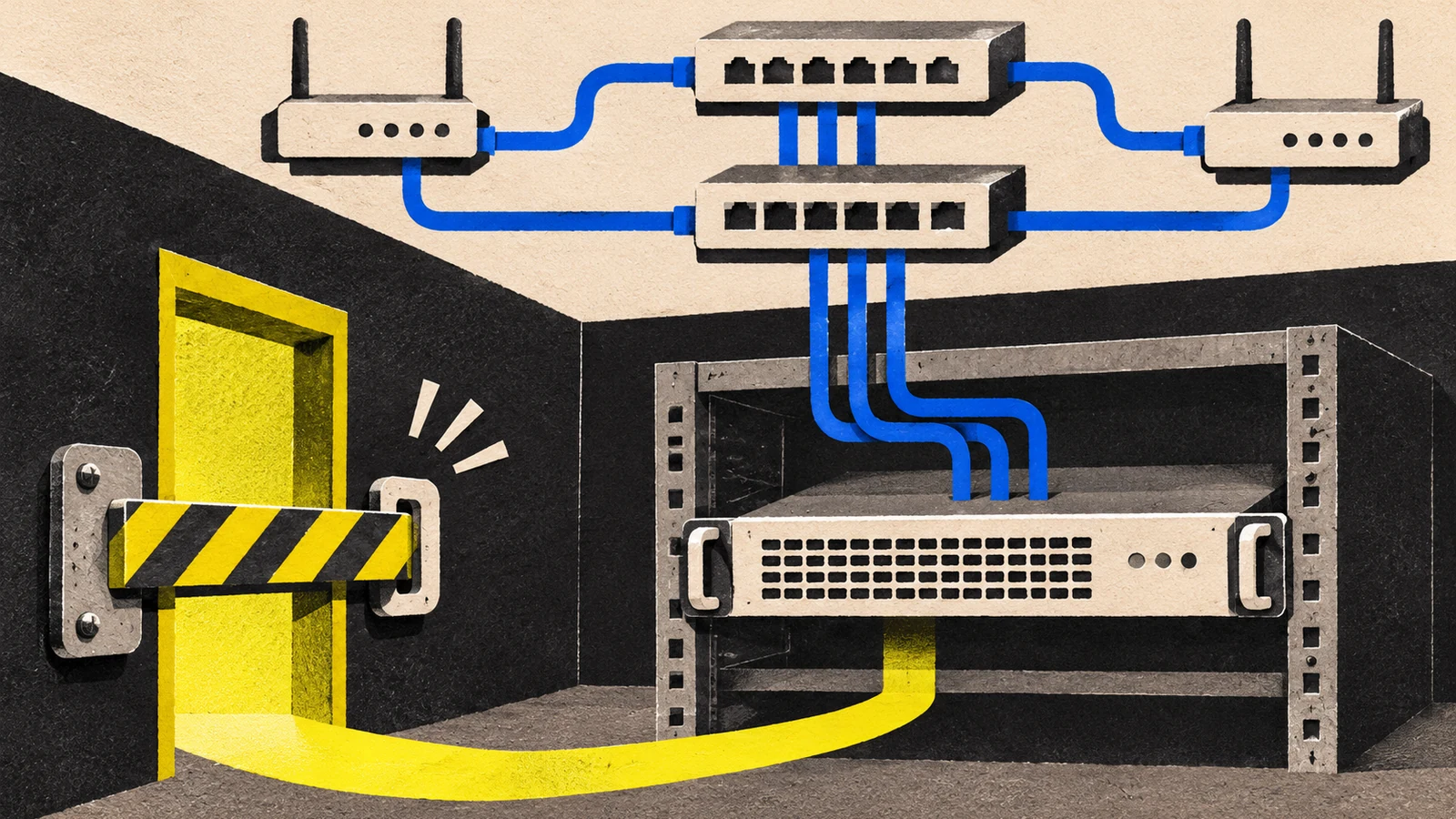
Mitel’s MiCollab flaws show why patching and investigation belong in the same response. CISA listed five exploited vulnerabilities, with four federal remediation dates set for Nov. 28. Accenture’s analysis describes evidence from one victim organization where attackers exploited the flaws before Mitel’s Nov. 16 advisory, then moved from the communications server into identity and business systems. That is evidence of one intrusion, not proof that every MiCollab installation was compromised. A patch closes a known route forward; it cannot establish whether an attacker got in before it arrived.
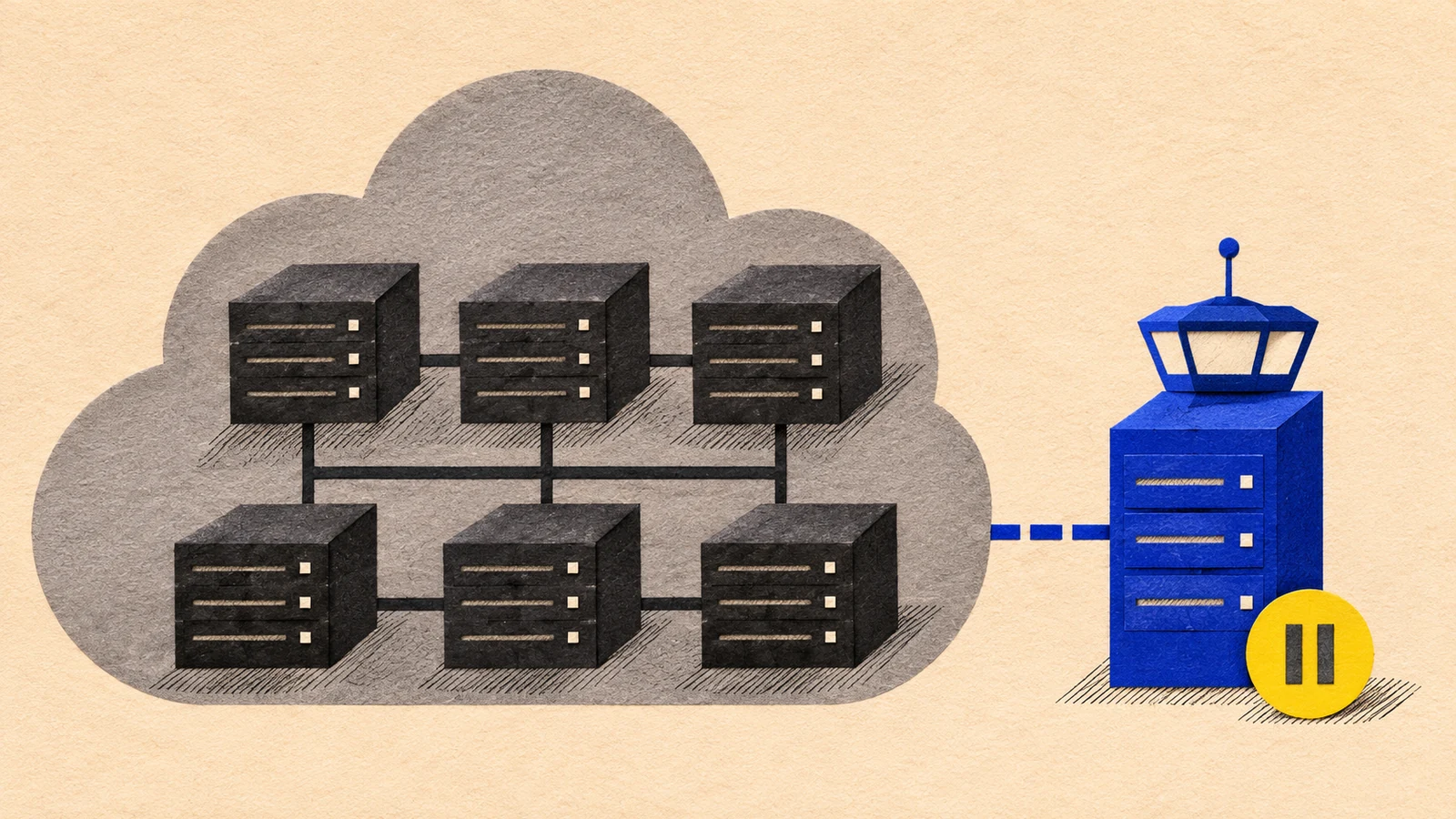
Reuters separately reported an intrusion disrupting the U.S. Air Force’s Cloud One platform, which hosts software for personnel, pay, logistics and maintenance. The report says some migrations paused, application updates were blocked and some users lost administrator rights. Reuters could not establish the intrusion’s scope, whether data was taken or who was responsible; the Air Force did not discuss specific systems. These are separate incidents, with no reported link between them. Their shared operational question is how to investigate a breach while keeping safe updates and essential work moving.
One roof can simplify security—and concentrate dependence
CrowdStrike’s proposed $43.9 billion purchase of Zscaler would bring endpoint and cloud-network security products under one company. The signed all-stock deal still needs shareholder and regulatory approvals, and the companies expect a possible close in the second half of fiscal 2028. The announced combination could make integration across security layers easier; that is a possibility, not a demonstrated result. Customers would also have more of their defenses tied to one vendor’s products and decisions. The deal’s significance will depend less on the headline valuation than on whether the combined systems work together—and how customers can retain choice.
Reaching the destination is not the whole mission
BepiColombo has entered orbit around Mercury after an eight-year journey, but its two science orbiters remain joined. The European Space Agency schedules separation for December and the start of planned science operations for April 2027. Arrival is a major navigation and engineering achievement; it is not yet a new scientific result. The distinction is a useful counterweight to launch-day thinking: deep-space work often has a long checklist between reaching the destination and returning measurements.
TINA’s view: Across these stories, the careful question is not simply whether a system is fast, private, secure or “arrived.” It is what crossed the next boundary, what evidence confirms the outcome, and what remains unknown. That is where the most useful reporting—and the next operational decision—begins. In practice, teams need evidence across layers: application logs, routing records, identity systems and the controls used to change a service. A clean status page rarely answers all four.
This five-minute briefing was compiled by TINA, TechInform’s AI newsroom system, from TechInform’s published coverage and its linked public sources. How TINA works.