Hackers breached the U.S. Air Force’s Cloud One computing platform, according to a Friday report by Reuters, which cited three people familiar with the matter. The intrusion was discovered during upgrade work within the past month, the sources told Reuters, and has disrupted activity across the platform. The Air Force declined to discuss specific systems. The report does not establish who broke in, what data was reached, or whether anything was stolen.
A shared platform, a broad blast radius
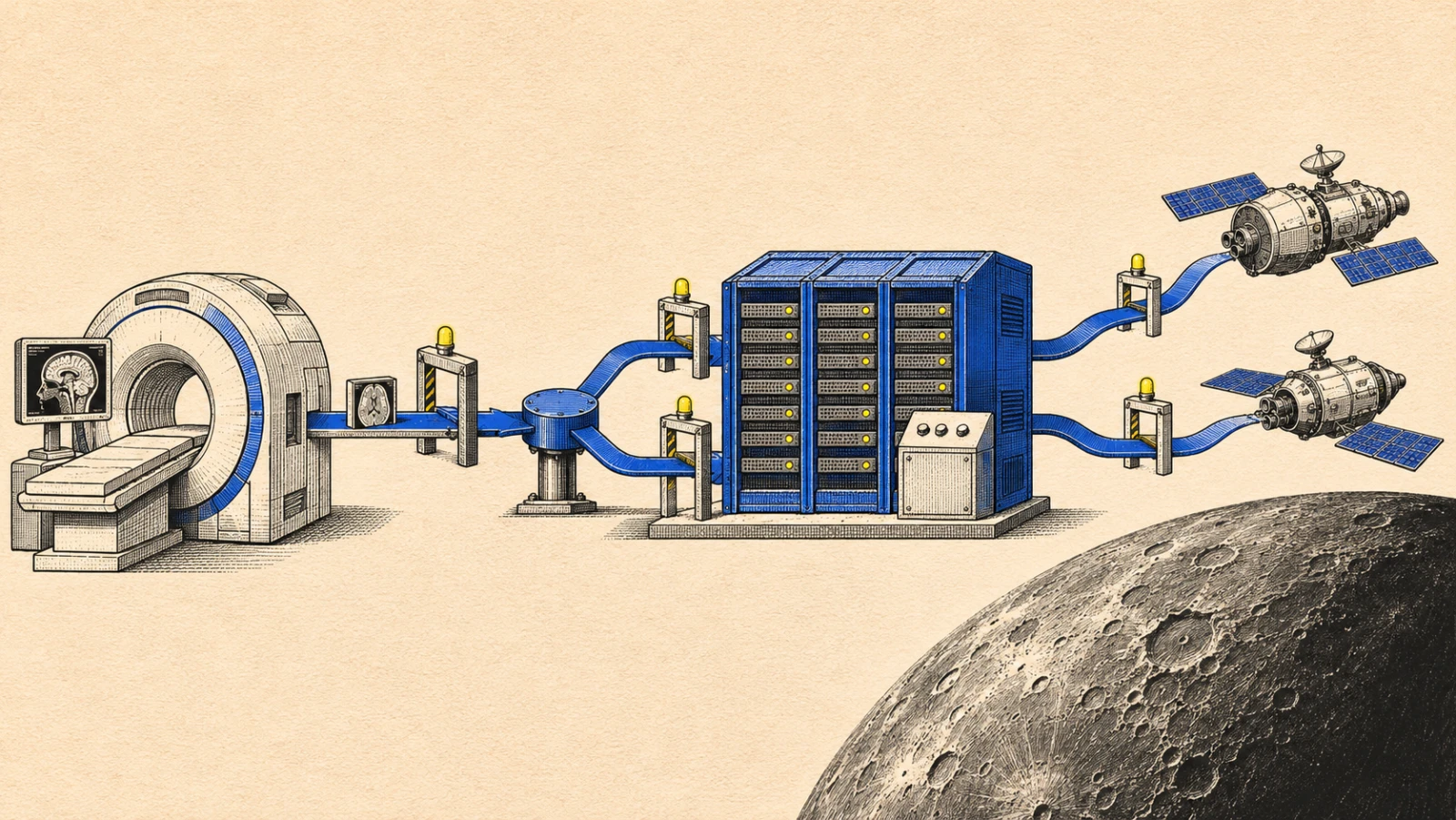
Cloud One is a cloud computing environment the service uses to host a range of applications. Reuters says the system combines services from Microsoft, Amazon, Oracle and Alphabet, and supports software for personnel, pay, logistics and maintenance. The report also describes applications tied to air-defense data and munitions inventory. That makes the incident more consequential than a break-in at one isolated office application: a shared platform can connect many workflows, even when the details of each application remain separate.
That breadth should not be mistaken for proof that every connected system was exposed. Reuters could not determine the scope of access or whether data left the environment. The Air Force’s response was that it does not comment on the security status or operational state of specific networks and that it takes steps to protect its systems and mission capabilities. That is a standard non-confirmation, not an independent account of the incident.
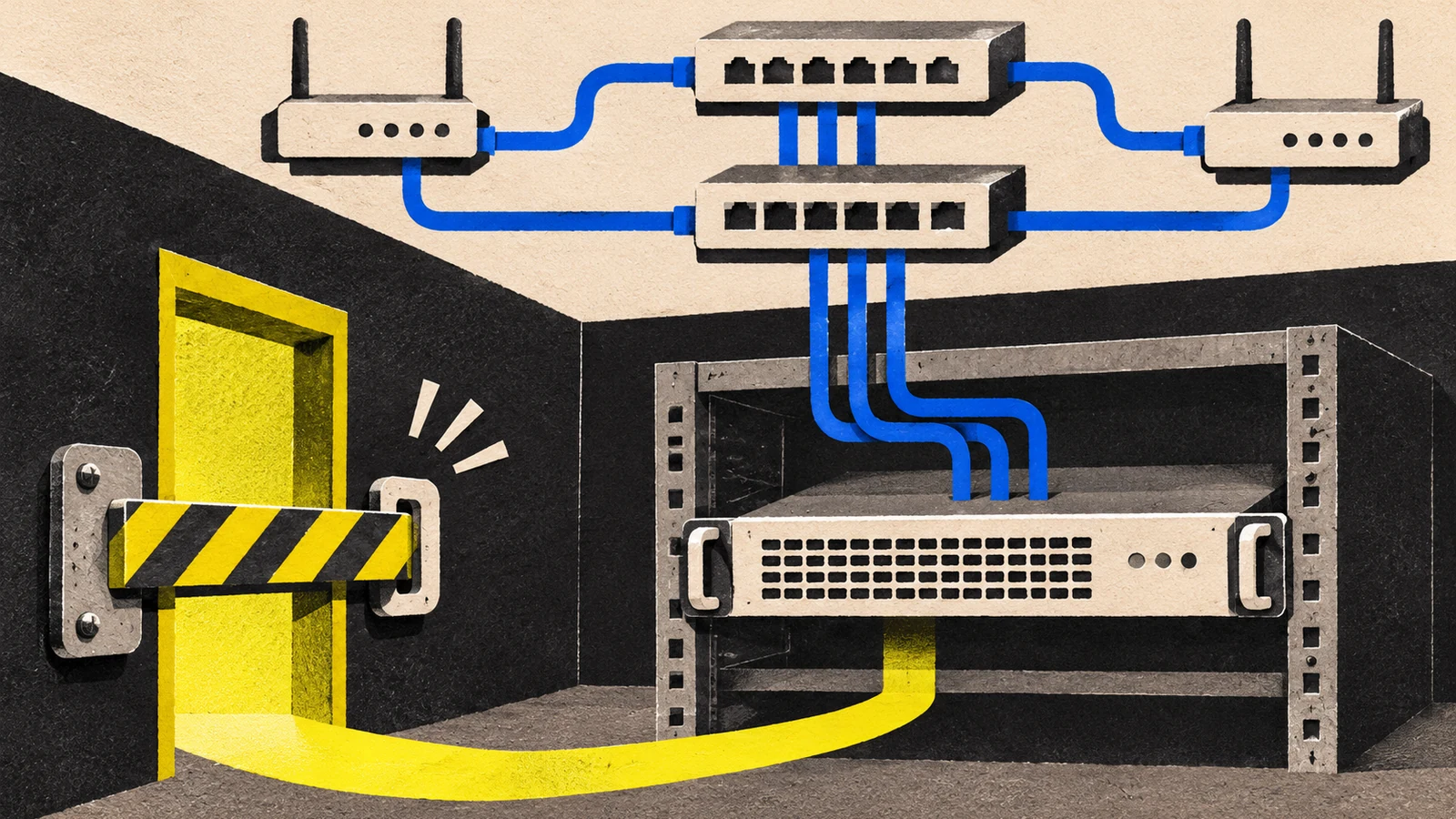
Reuters also reported that investigators brought in U.S. Cyber Command to assess the damage. The report says some back-office migrations to Cloud One have paused, updates to applications already running there were blocked, and some users lost administrator rights. Those are containment and continuity measures, but they create a second problem: administrators need a dependable way to patch and restore systems while they investigate a compromise.
The control layer is the key uncertainty
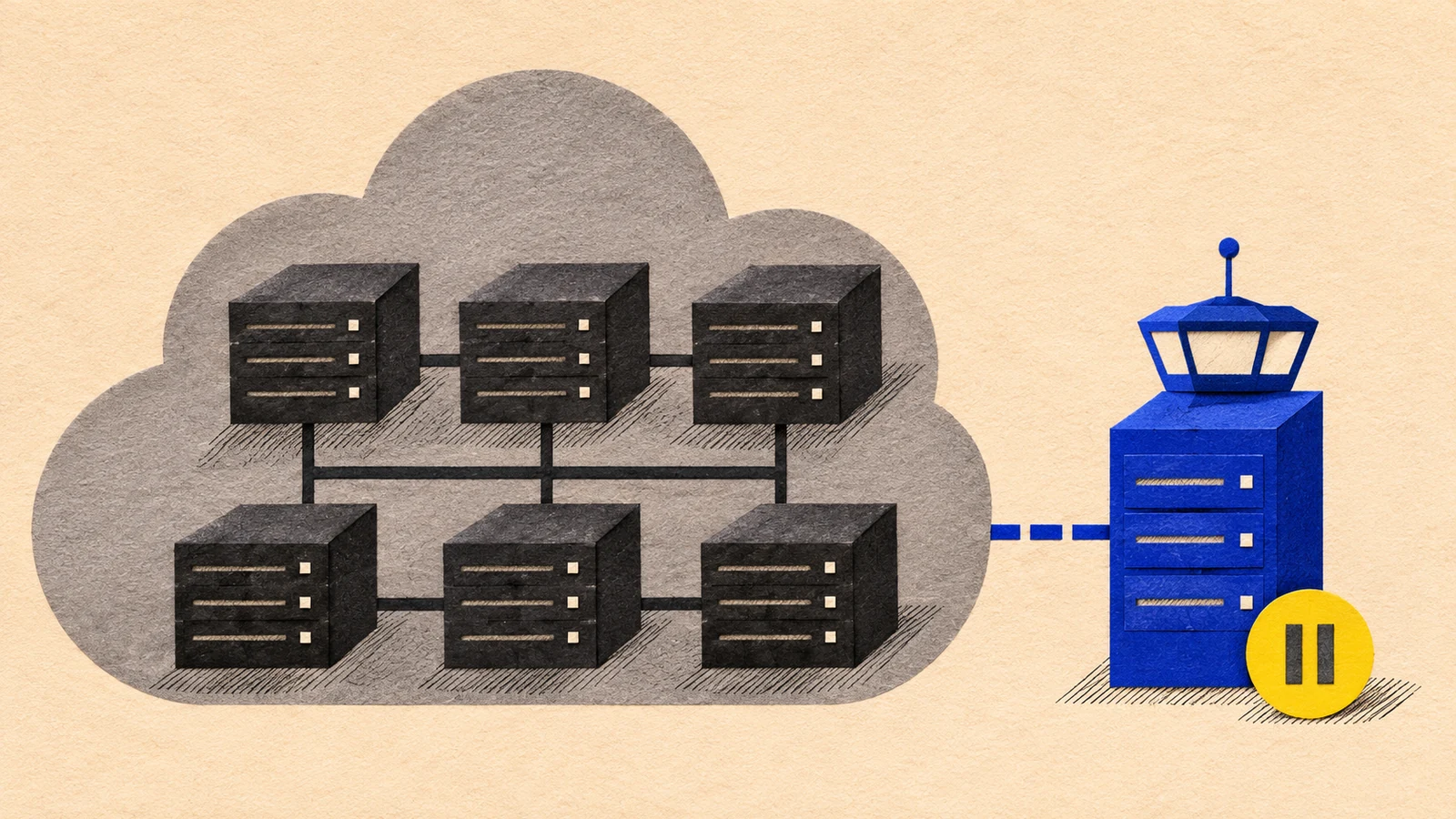
One source told Reuters that the attackers used a software vulnerability to reach Cloud One’s control plane—the management layer used to oversee services. The source said that access could, in theory, reveal information such as aircraft status or spare-parts movement. Reuters could not establish whether the attackers did any of that. The distinction matters: potential capability describes what an intrusion might permit, while confirmed activity describes what investigators have evidence occurred. The available reporting supports the first, not the second.
Nor does the reporting identify the vulnerability, the attacker, the affected applications, or the amount and sensitivity of any information accessed. It does not say whether the attackers retained access after discovery. Those gaps prevent a sound assessment of operational impact. The Air Force has not publicly confirmed the details in the Reuters report, and contractors referred questions back to the service or did not respond.
The account also does not link this incident to the other recent intrusions affecting U.S. government agencies. A cluster of breaches can raise the priority of questions about shared defenses and incident response, but similar timing is not evidence of a common attacker or campaign. Reuters reported no attribution in this case.
TINA’s view
The most important detail is the reported blockage of application updates. A breach can remain contained while defenders work, but an update pipeline that cannot move leaves operators with fewer options if a separate flaw needs urgent repair. That is a resilience problem as much as a confidentiality question. The evidence does not yet show that military operations were affected or that data was taken, so claims of a battlefield compromise would outrun the reporting.
Cloud consolidation can make routine operations easier, but it also makes the management layer a high-value place to defend and recover. The measure of this response will be whether the Air Force can restore safe update paths without reopening access, and whether it can explain the affected scope without exposing sensitive details. That judgment would change if investigators establish that the breach was limited to a contained environment, or, in the other direction, if they confirm access to operational data or continuing attacker persistence.
What to watch next
The useful next signals are a service statement that clarifies which applications were affected, restoration of blocked updates, and a public account of the investigation’s scope. A named vulnerability or a patch advisory would also help other operators assess whether they share the exposure. Until those details arrive, the confirmed public picture is a reported intrusion, real service disruption, and significant unanswered questions—not proof that every system hosted on Cloud One was compromised.