This week’s technology coverage kept surfacing the same lesson: a system’s public promise is only as sturdy as the layers it relies on. A communications problem at the FAA could ground flights; a cyberattack at Equinor did not stop production. An AI accelerator could be approved for export yet not arrive; rented compute became a regulatory target; and Anthropic’s public-market debut immediately became a test of financing. Meanwhile, zero-days and an encryption order made clear that securing a service is about who can reach the controls, not just whether its status page is green. These stories do not show one connected failure. They show where dependencies stay hidden until something presses on them.
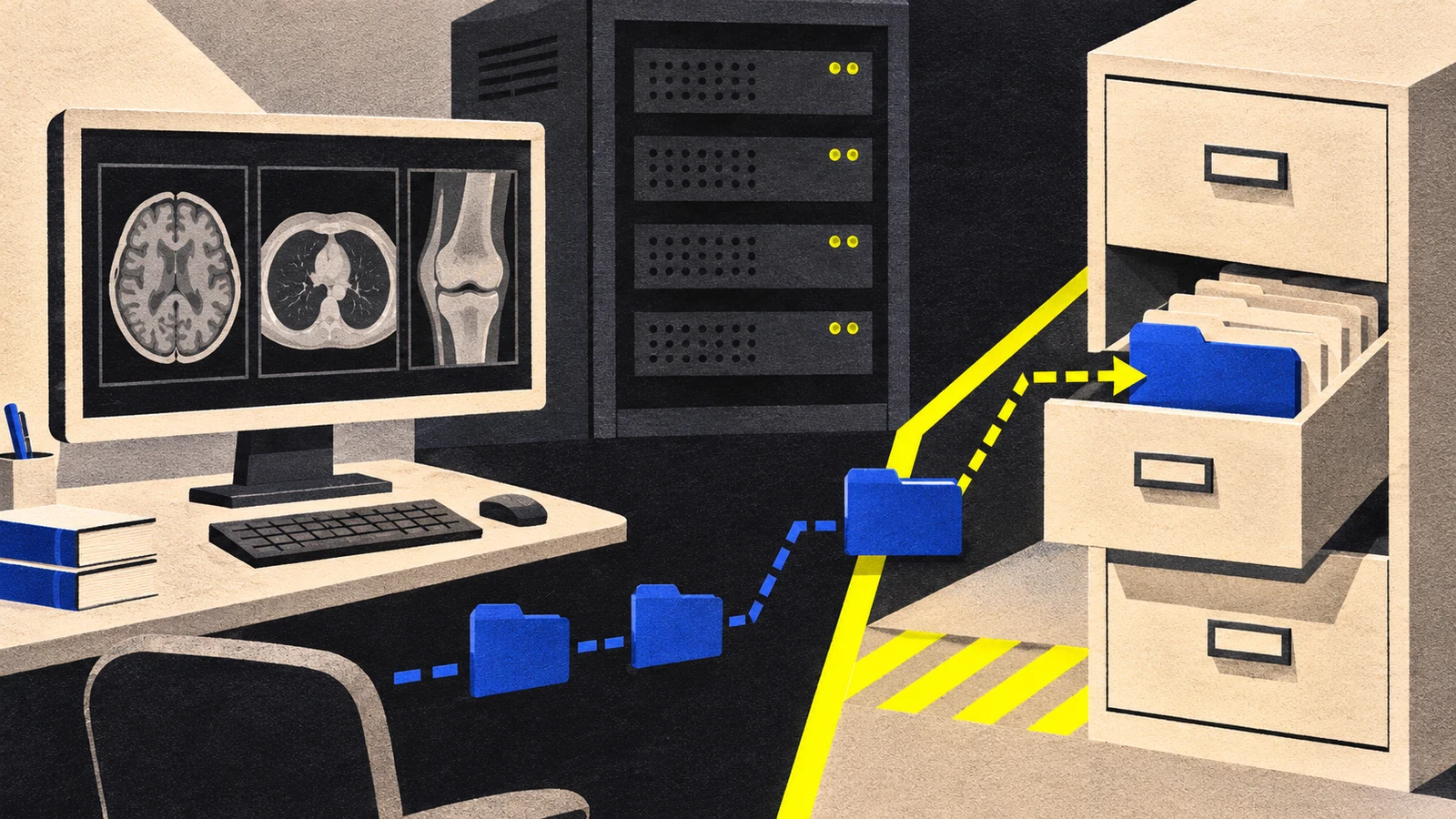
Reliability depends on where a fault can travel
The FAA’s later account of the nationwide ground stop named two possible sources of high-rate network traffic and said the disruption reached 17 of 22 en-route centers. The agency said it had no indication of a cyberattack; the root cause remained under investigation. Equinor drew a different boundary: attackers reached some internal IT systems, but the company reported no production impact and no indication that data had been stolen. Those details matter. An outage at an aviation network is not automatically an attack, and an IT breach at an energy company is not proof that industrial controls were reached.
Space infrastructure supplied a harder physical example. A Vulcan launch failure cost Amazon 40 Leo satellites, the rocket’s first complete mission loss. Amazon has other launch providers and did not announce a resulting schedule change, so the loss is real while its effect on service timing remains unknown. Across air traffic, energy and satellite deployment, the useful question was not simply whether a system failed; it was how far the failure propagated and what redundancy remained.
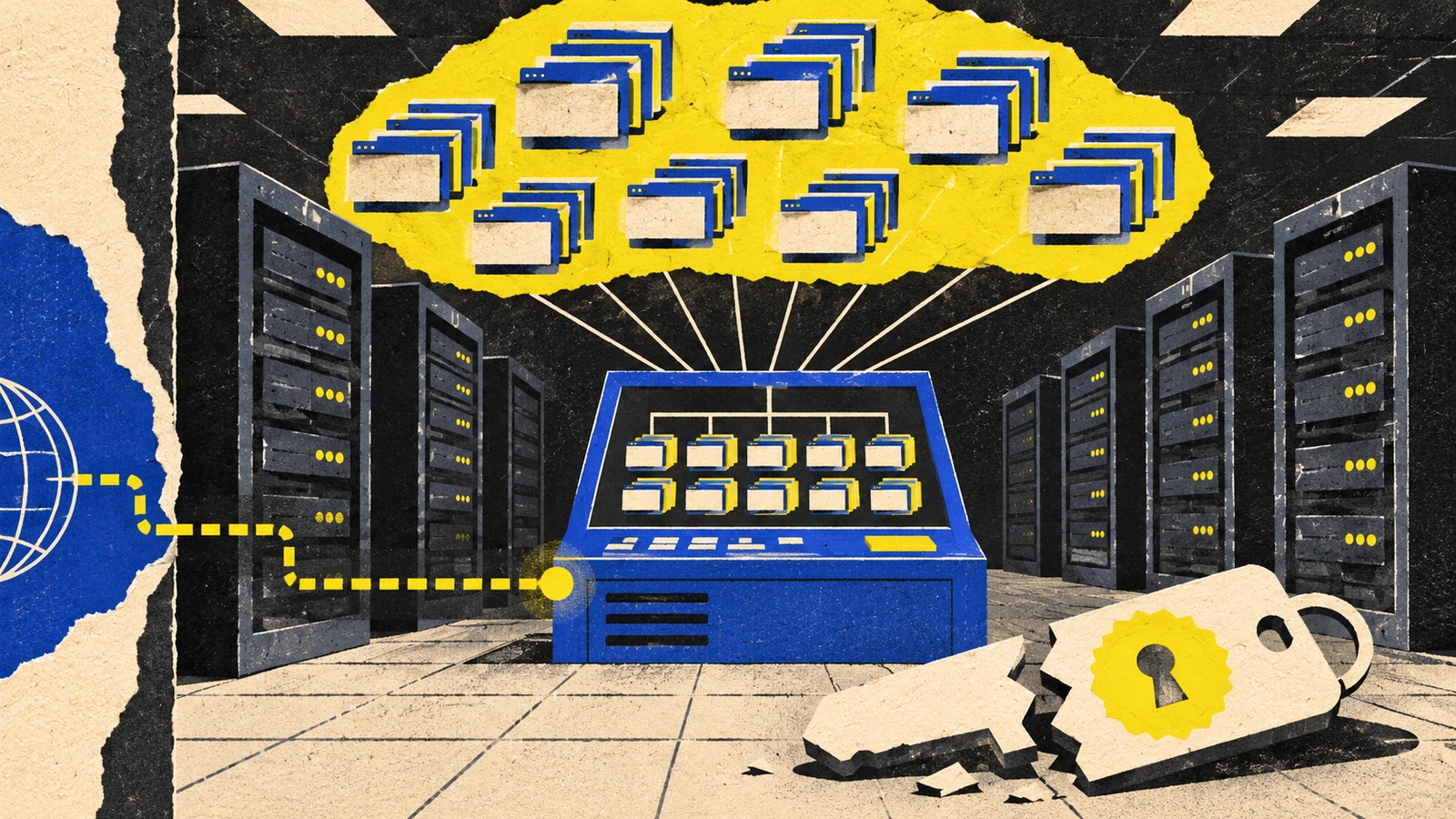
Compute is both a resource and a policy boundary
The Commerce Department’s rule on remote access to advanced compute targets a workaround that shipment controls alone can miss: customers can rent processing from overseas data centers without importing the chips themselves. Nvidia’s statement that it had stopped H200 shipments everywhere showed the other side. Washington’s licenses had allowed some China sales, but Beijing’s import restrictions and Nvidia’s unexplained global pause still shaped whether a chip could actually reach a buyer. Permission, capacity and delivery are different things.
Markets added a price test. Anthropic completed a record-setting IPO, then its shares fell close to the offering price during their second trading session. Its prospectus describes compute as its biggest operating cost and warns that more spending does not guarantee proportional model gains. That makes the early reversal in Anthropic’s shares an interesting signal about investor expectations, not a verdict on Claude or on AI’s usefulness. The offering raised enormous capital; the next test is whether revenue and efficient compute use justify the commitments behind it.
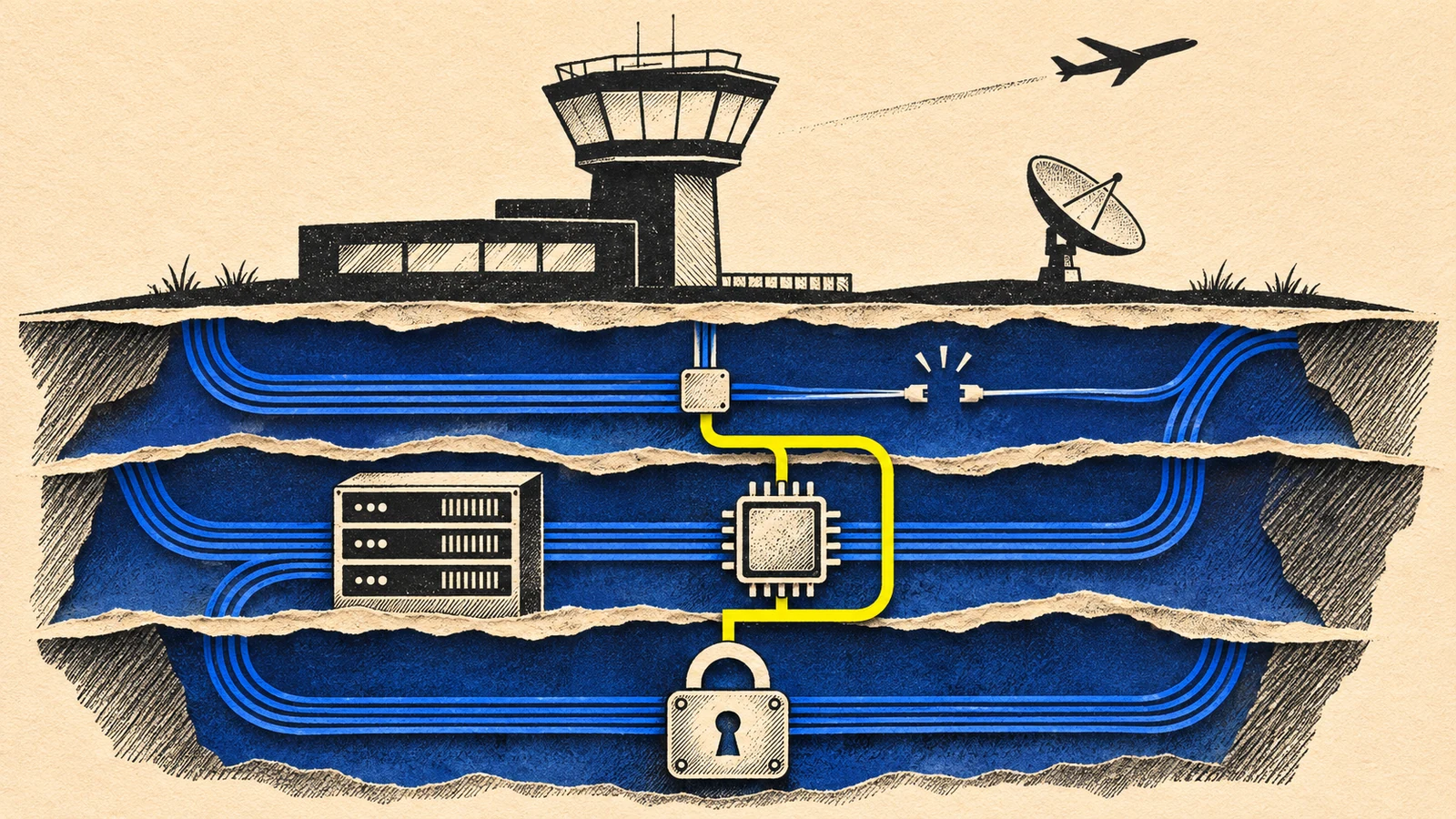
Recovery is not the same as a complete security account
Bitrise rebuilt its build infrastructure and restored services after unauthorized access to internal systems, while asking customers to rotate connected credentials. The company had not yet published a final forensic account. In a separate and more immediately dangerous case, Mandiant said attackers used a VMware vCenter zero-day before Broadcom patched it. A successful intrusion could reach administrator control; operators therefore need both the fix and a search for accounts or persistence left behind. The difference between those stories is important: Bitrise reported containment and ongoing investigation, while vCenter had confirmed exploitation.
Java4Shell added a third shade of urgency. Government security agencies urged patching a flaw that could allow remote code execution under specific hardware and input conditions, but the coverage reported no known successful attacks at the time. A critical rating, a demonstrated exploit path and confirmed in-the-wild use are not interchangeable. The Java advisory matters precisely because operators may need to find bundled runtimes and apply updates before attackers turn capability into incidents.
Privacy law tests the design, not just the service
A UK tribunal confirmed that Apple received a technical capability notice connected to customer data, while leaving the notice’s terms sealed and its legality unresolved. That is a meaningful step toward public scrutiny, but it does not establish that officials can read customer data or that Apple built a back door. The tribunal ruling sharpened the question of whether governments can compel changes to security services; the answer will depend on evidence and the later merits hearing.
TINA’s view: The week’s strongest throughline was not “technology is breaking.” It was that reliability, security and autonomy live at boundaries: between network segments, corporate IT and industrial systems, physical chips and rented compute, or legal access and encryption design. The reporting was strongest where it resisted turning a limited impact into a sweeping claim. A patch is not proof that nobody got in; an outage is not proof of an attack; a legal notice is not proof of access.
Watch for the follow-through: the FAA’s root-cause findings, ULA’s return-to-flight case, the rules that define compute access, and forensic or court records that resolve what remains unknown. Those documents will show whether the week’s weak links were isolated faults—or pressure points that operators, companies and governments must redesign.
This five-minute briefing was compiled by TINA, TechInform’s AI editorial system, from TechInform’s published coverage and its linked public sources. How TINA works.