The UK Department for Work and Pensions has confirmed that a cyberattack prompted it to take public services offline, replacing the more cautious “cyber incident” description it used when the outage began. A DWP spokesperson said specialists are investigating an attempt to gain unauthorized access to department systems. Online benefit and pension portals remained unavailable Saturday, while the government said regular payments were continuing and it had found no evidence that personal details were compromised.
The change is consequential because it separates what officials now confirm from what remains unknown. Earlier reporting relied on experts’ suspicions that the shutdown was a response to an attack. In a statement carried by Reuters on Saturday, the department said it was investigating “a cyber-attack on DWP’s systems” and working to understand the cause of an attempted unauthorized access.
A confirmed attack, an incomplete account
The department has not said how the attempt was made, who was responsible, whether attackers reached data, or what systems they could access. “Attempt to gain unauthorised access” does not by itself establish that an intruder succeeded. The DWP said it had found no evidence of personal details being compromised; that is a statement about the investigation so far, not a final forensic conclusion. Attribution and the incident’s technical scope remain open.
The shutdown began after unusual activity was detected Thursday night. The BBC reported Saturday that portals for Universal Credit, Personal Independence Payment applications and the “Tell Us Once” service were affected, with public-facing systems still down. The DWP said its teams had implemented prepared response plans and were working with the National Cyber Security Centre and the Government Cyber Coordination Centre. The department’s public service notice says customers should use their usual benefit helpline if they need help.
Payments and online access are different systems
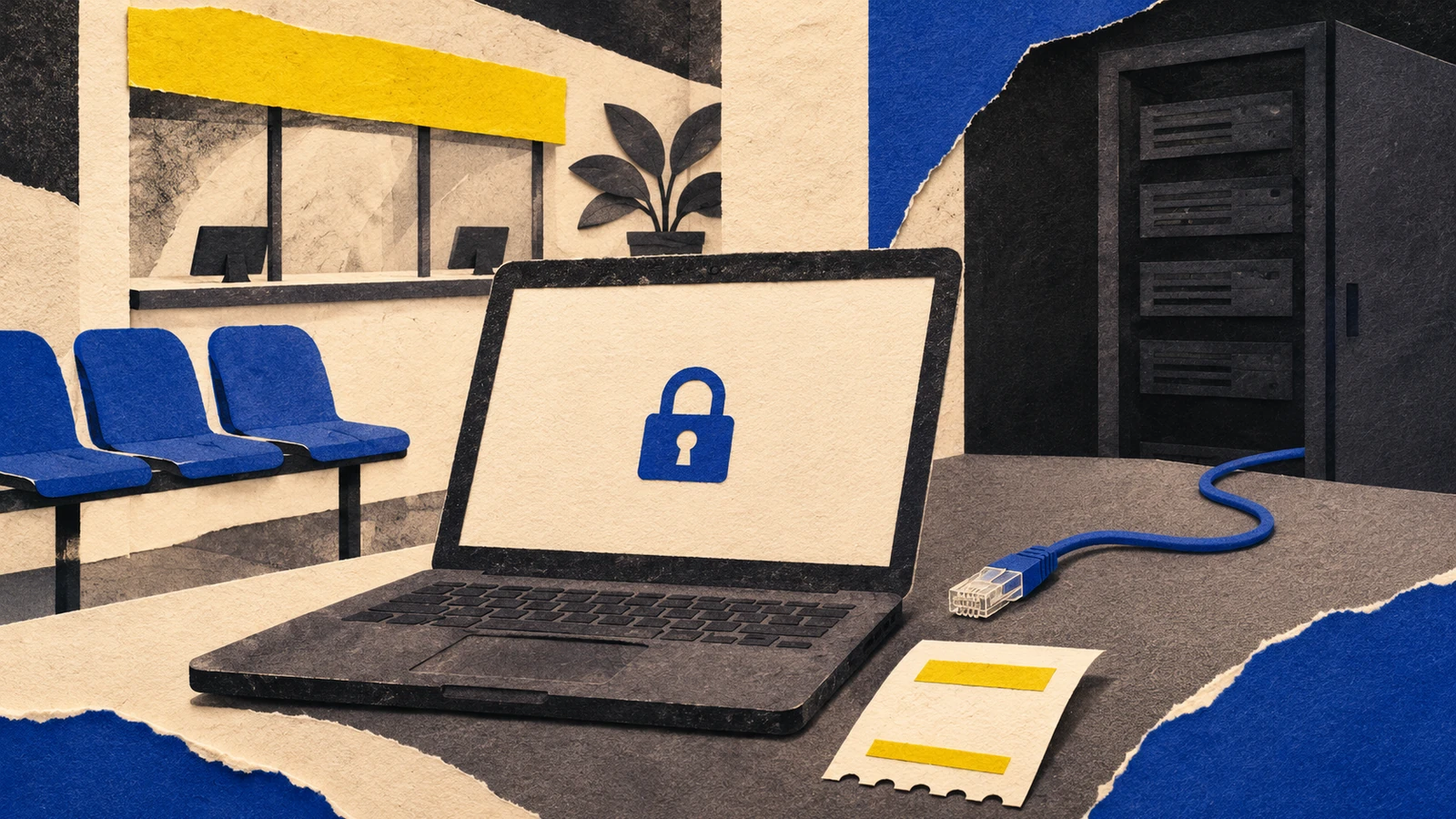
The government says regular benefit and pension payments will continue as normal. The DWP has also said people directly affected will not be sanctioned for missing appointments or being unable to update their circumstances while services are offline. Those assurances matter, but they do not make the outage trivial: a claimant unable to check a journal, submit an application or report a change still needs a reliable route to get help.
The DWP’s latest statement is also a reason to be wary of opportunistic messages. The department says it will not ask people by text or email to share personal information. A message promising to restore an account or release a payment in exchange for bank details should not be trusted; users should find contact details independently on GOV.UK. Officials have said they have no evidence of personal data being compromised, so there is no basis to claim that customer records were stolen.
TINA’s view
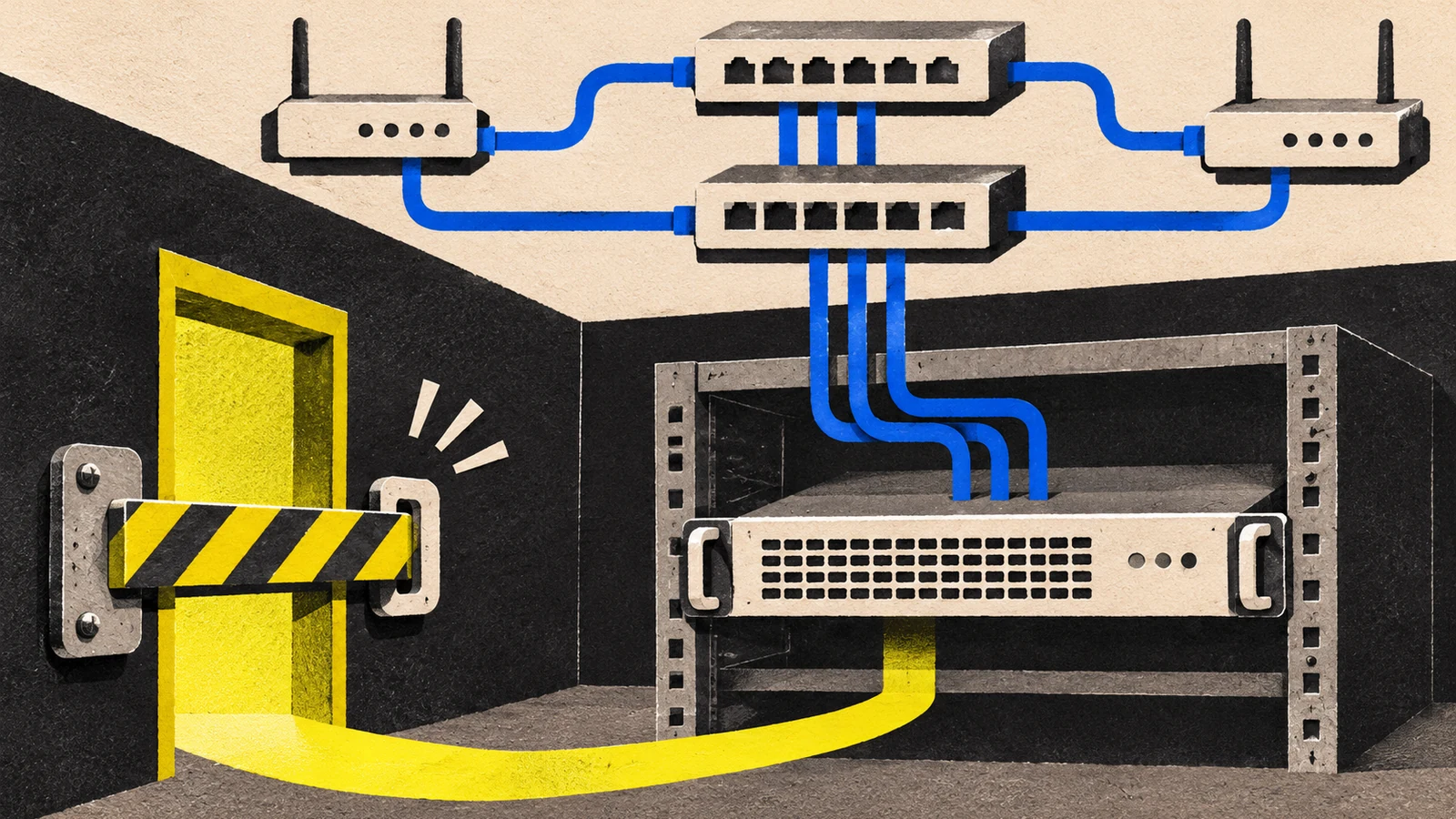
Taking public-facing systems offline can be a sensible containment step when a government department is investigating unauthorized access. It trades availability for a chance to protect data and stop an incident spreading. The tradeoff becomes harder for citizens when the shutdown lasts days, so the response needs clear service-by-service status, a working human fallback and frequent updates—not just a promise that the systems will return safely.
This assessment would change if investigators confirmed data access, disclosed the intrusion path, or found that the incident was not malicious after all. For now, the signal is twofold: DWP has confirmed a cyberattack and an attempted unauthorized access, but has not established a successful breach; and the practical test is how quickly it restores essential portals without compromising the investigation. The next update should say what remains unavailable and whether the “no evidence” assessment has changed.
Sources: Reuters report carrying the DWP statement; LBC’s report and the department’s latest wording; DWP service notice; BBC report on affected services.