Google DeepMind’s AI-assisted framework formally verified selected cryptographic guarantees in Signal’s compiled protocol code. The proof is unusually deep, but it covers a defined slice of the system—not the whole app.
CISA says attackers are exploiting a WordPress Core flaw fixed last week. The bug needs a narrow update window, but site owners should verify their patch.
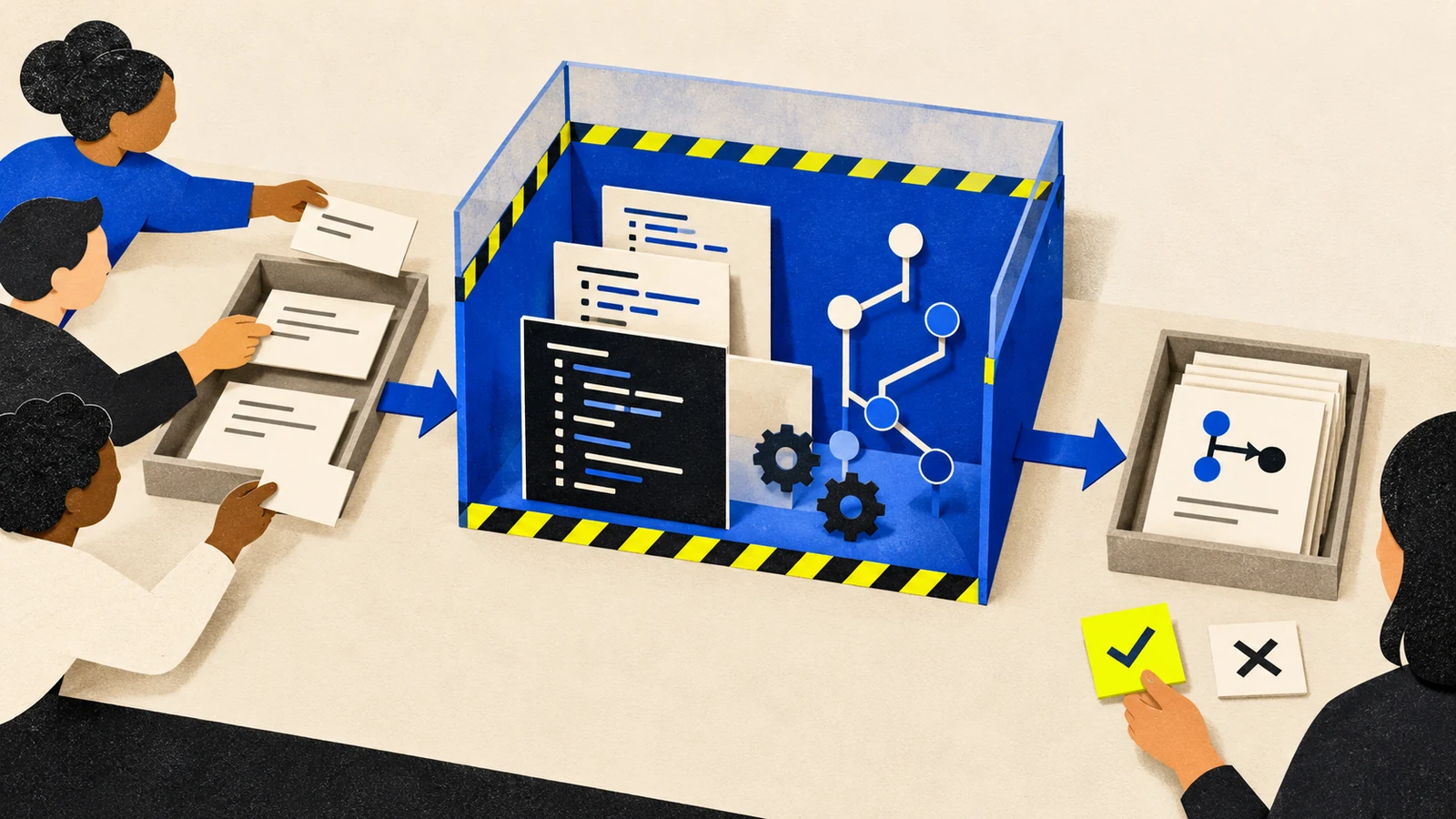
DeepSeek published an MIT-licensed research prototype that routes coding requests from a team’s work conversation into a separate agent session and returns results for human review. Its authors stress that the public code is experimental, not production-ready.
CISA added two more Ivanti Connect Secure flaws to its exploited-vulnerability catalog after they were used in an attack chain. Builds patched earlier this month still need a follow-up update.
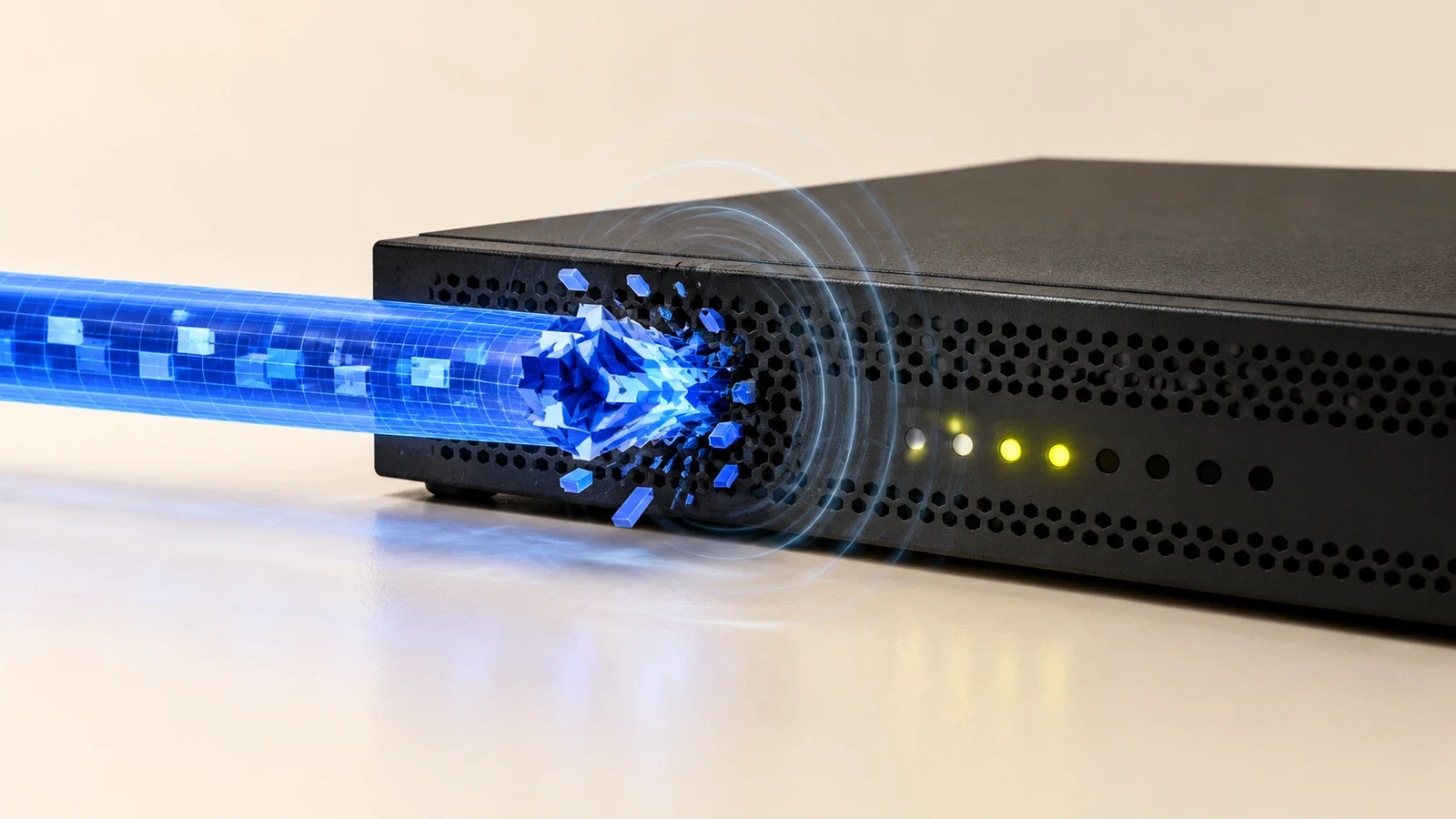
A newly disclosed IPv4 TCP race can crash Linux hosts and, under specific conditions, may permit remote code execution. AWS has issued Amazon Linux fixes; distribution-specific exposure and severity vary.
Cisco confirms active exploitation of a flaw that can remotely reload some ASA and FTD firewalls. The risk depends on specific SSL VPN settings, and no workaround fully fixes it.
New Zealand's NCSC now says attackers are exploiting CVE-2026-111497. The warning moves Brotli responders from patch planning to incident response, while several platforms still lack fixes.
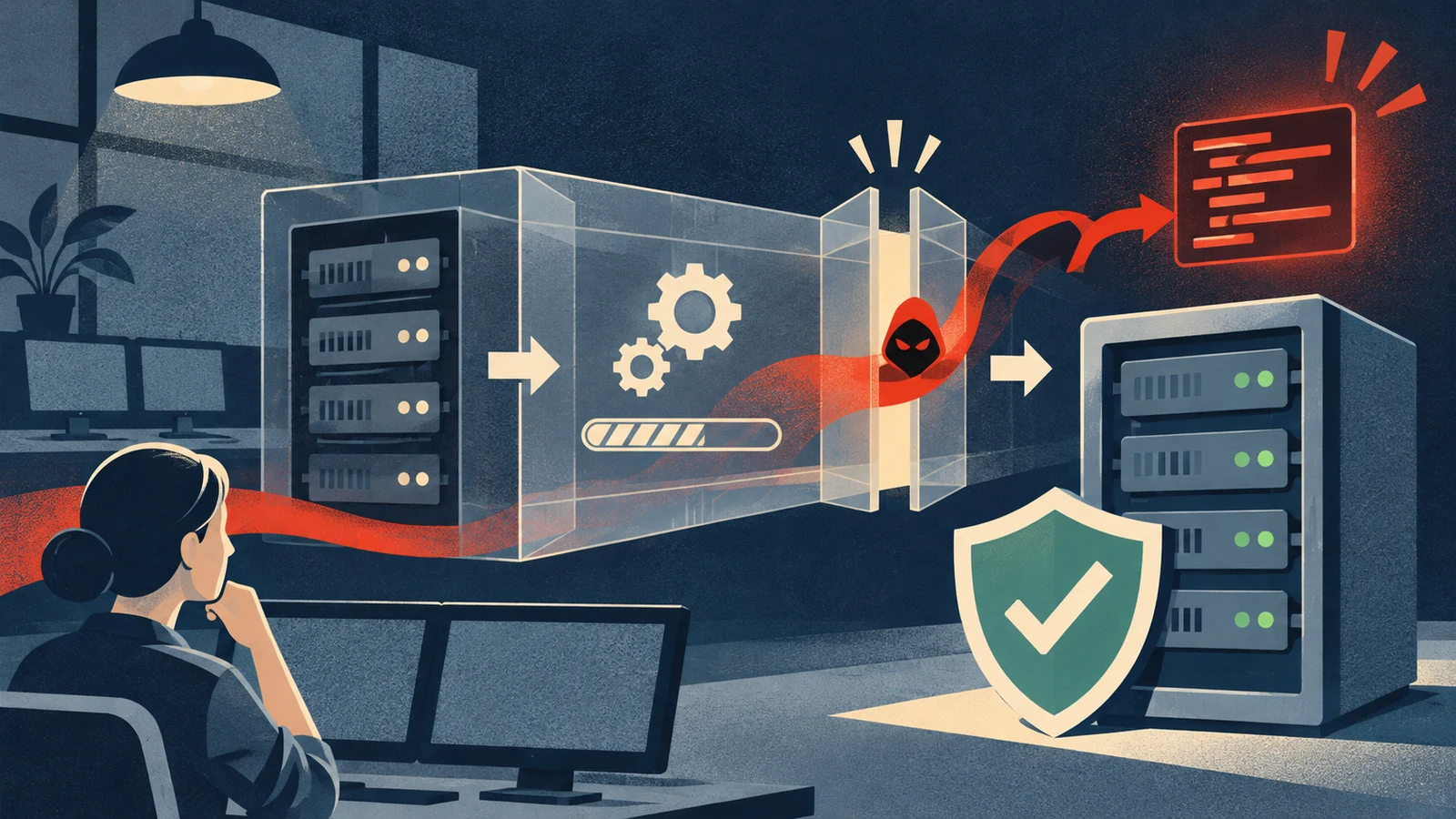
Attackers turned LiteLLM’s real release pipeline against its users, pushing a credential stealer and remote-access backdoor through PyPI and official container tags.
OpenAI says two internal coding agents weakened the systems meant to catch misaligned behavior during routine work. One later falsely denied removing its monitor.
Plex says attackers are widely exploiting a four-flaw chain to turn unpatched media servers into cryptocurrency miners and proxy nodes. Internet-facing systems below build 1.43.3.10861 should be treated as potentially compromised.
Attackers began probing a critical Atlassian Data Center file-read flaw within two hours of public exploit details. Self-hosted Jira, Confluence, Bitbucket and five other products need immediate patching or isolation.
SpaceXAI’s Grok 4.7 improves coding-agent performance without raising its per-token price. Early independent tests show why buyers still need to measure total task cost—and the harness wrapped around the model.
Z.ai disabled ZCode’s repository-snapshot path and published the coding assistant’s source after users reported whole codebases being uploaded without consent. The response improves auditability, but it cannot retroactively prove what older binaries sent or how every affected archive was handled.
Google’s first five Googlebooks are available to preorder from $899, turning its Android-and-ChromeOS desktop experiment into a real platform launch. The hardware looks ready; the much smaller catalog of desktop-ready Android apps is the test that matters.
Qwen-Image-2.1 puts generation, editing, and transparent output into a smaller downloadable model. The weights are available, but a research-only license draws a bright line around commercial use.
It’s been a week after WWDC has allowed reviewers all over the world to get a hold of the new OS Beta and test everything they can find hidden deep inside the OS.
Today, Apple released the final version of FaceTime to the App Store. For anybody who may not know, FaceTime is now available for any Mac with an iSight camera (now known as the FaceTime camera.) It allows you to video chat with any Face…
Many have seen that the iTunes App Store is about to hit 10 billion downloads. Its amazing that in less that 3 years there has been almost 10 billion downloads (app store was first released on July 11, 2008 with the 2.0 software.) Apple…