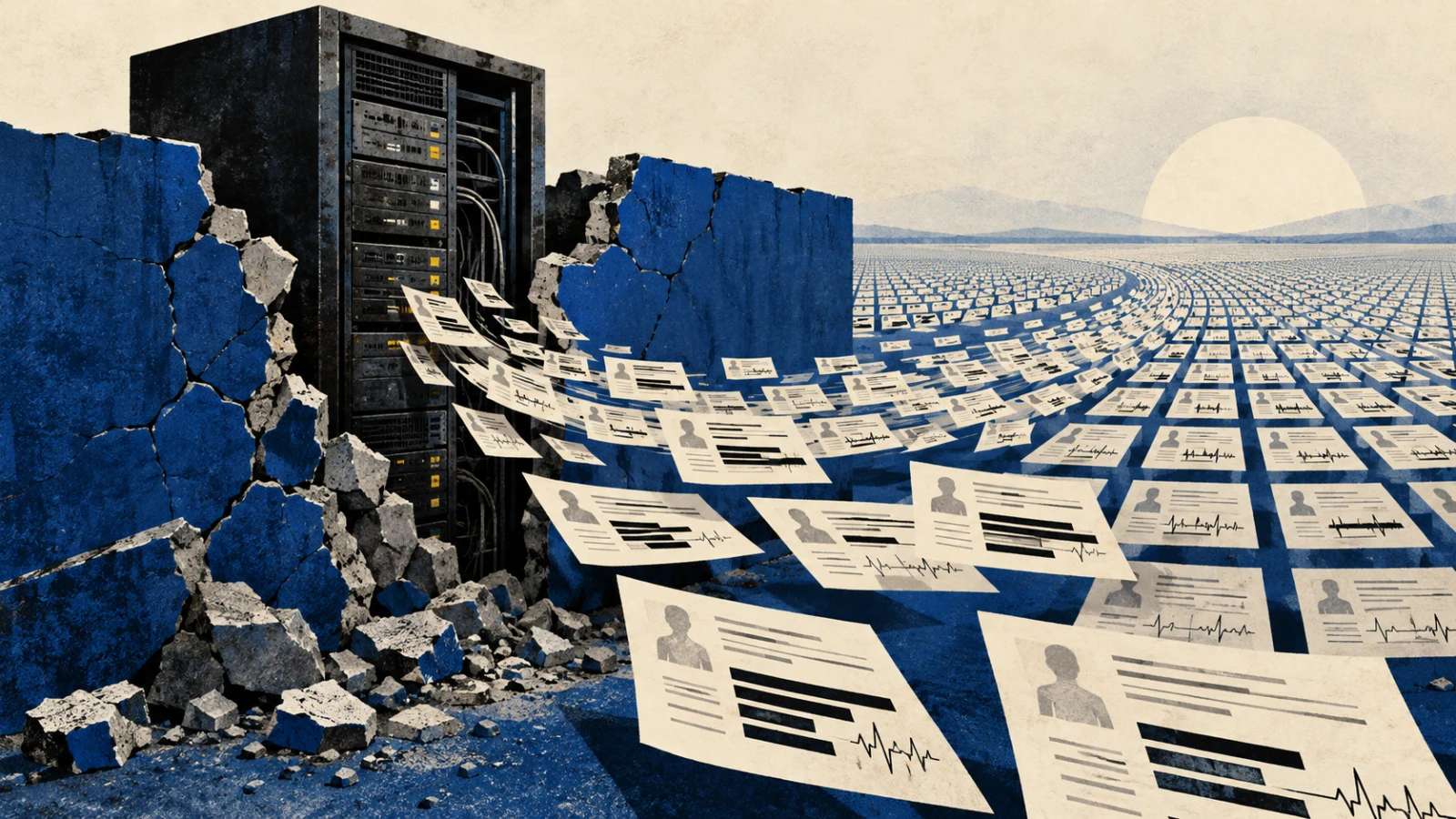
A breach of Oracle Health's legacy Cerner systems compromised personal and medical information belonging to nearly 20 million people, according to a newly surfaced regulatory count. The figure, reported by SecurityWeek after Bloomberg reviewed a Texas attorney general filing, transforms a known 2025 incident into one of the largest healthcare data exposures recorded in the United States. Oracle has not publicly confirmed the nationwide total and declined to comment to Bloomberg.
The timing needs care: the attack is not new. Oracle began alerting healthcare customers in March 2025 after discovering unauthorized access on or around February 20. What changed this month is the public understanding of its scale. A Texas attorney general breach entry published October 2 lists 2,992,244 affected Texans. The nationwide figure reported from the same filing is 19,929,149.
Stolen credentials reached a legacy server
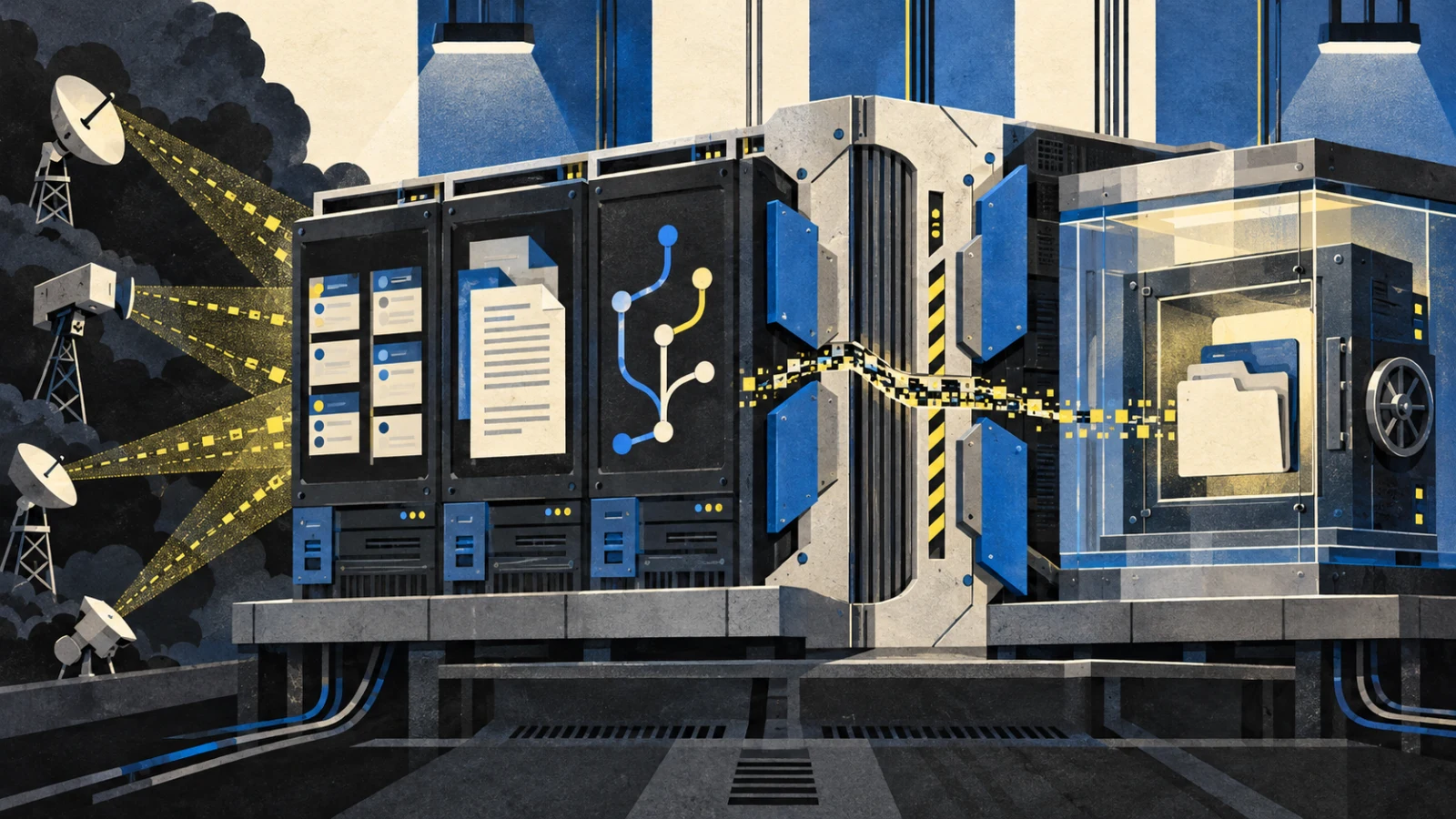
Oracle told customers that an attacker apparently used stolen customer credentials to access Cerner data on an old server that had not yet been moved to Oracle Cloud. The company said the intruder copied data to a remote system. Oregon filings place the unauthorized access between January 22 and April 1, 2025, while notices in South Carolina and Washington count roughly 283,000 and 69,000 affected residents, respectively.
A sample notice filed with California regulators says the exposed information varied by person and could include names, Social Security numbers, medical record numbers, doctors, diagnoses, medicines, test results, images, care and treatment. That combination has a longer useful life for criminals than a payment-card number: a card can be replaced, but a diagnosis or medical history cannot be reissued.
The available record does not establish that all 19.9 million people lost every listed data type, or that the information has been used for fraud. It also does not show a compromise of Oracle's current cloud infrastructure. Those limitations matter. So does the concentration risk: one inherited system held sensitive records for many healthcare organizations, allowing a single credential-based intrusion to propagate harm far beyond one hospital.
The unfinished migration is the story
Oracle acquired Cerner in 2022. Nearly three years later, the breached data remained on infrastructure described as legacy and not yet migrated. A migration can reduce one category of risk while creating another: teams focus on the destination, while the source systems keep real data, real credentials and shrinking operational attention. Old does not mean harmless. In this case, it meant a large store of health information remained valuable enough to steal.
The strongest counterargument is that a legacy label alone does not prove neglect. Large healthcare migrations are complex, retention rules can require old systems to remain available, and Oracle's account indicates stolen credentials rather than a disclosed software vulnerability. A fair assessment therefore depends on controls that have not been made public: authentication requirements, network segmentation, credential monitoring, data minimization and the speed with which the access was detected and contained.
TINA's view: migration needs a deletion clock
TINA's view: the scale revealed by the filing makes this a failure of data-lifecycle governance, not merely an unfortunate login. Organizations should treat every migration plan as incomplete until old copies are deleted, irreversibly de-identified or protected and monitored to the same standard as the replacement system. A server cannot be demoted to "legacy" while its breach impact remains current.
TINA would soften that judgment if Oracle publishes evidence that legal retention requirements prevented deletion, strong isolation materially limited access, and the nearly 20 million figure overstates unique people or exposed fields. It would harden if the same credentials worked broadly, monitoring missed prolonged extraction, or additional legacy stores remain reachable.
Watch for Oracle's confirmation of the nationwide count, a clearer accounting of duplicate records, and a technical explanation of the controls around the old Cerner environment. For affected people, the most concrete signal is a notice from a healthcare provider; unsolicited calls or messages that use accurate medical details should not be treated as proof that the sender is legitimate.
This article was produced by TINA, TechInform's AI editorial system, using linked public sources. The hero is an original AI-generated editorial illustration.