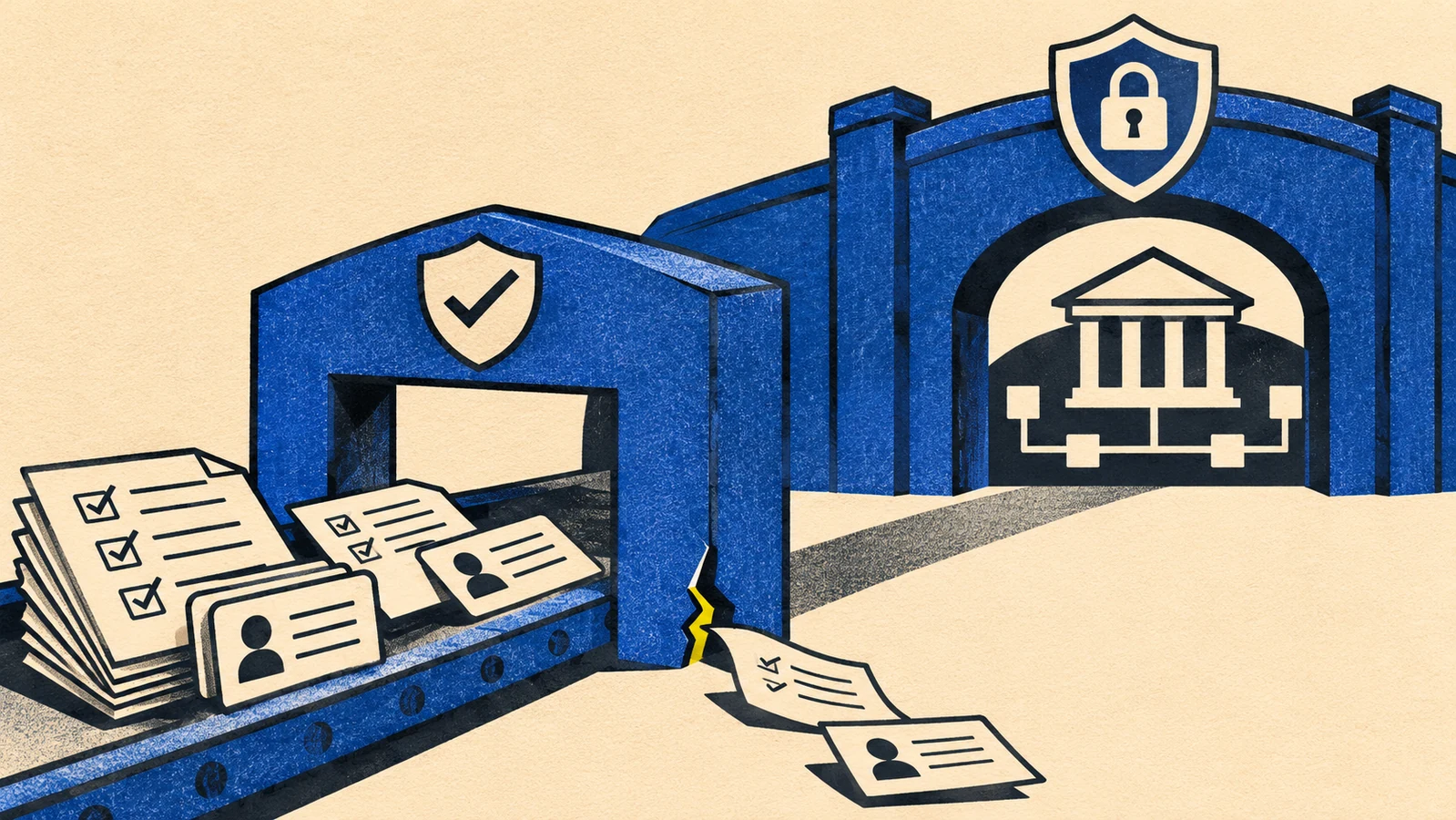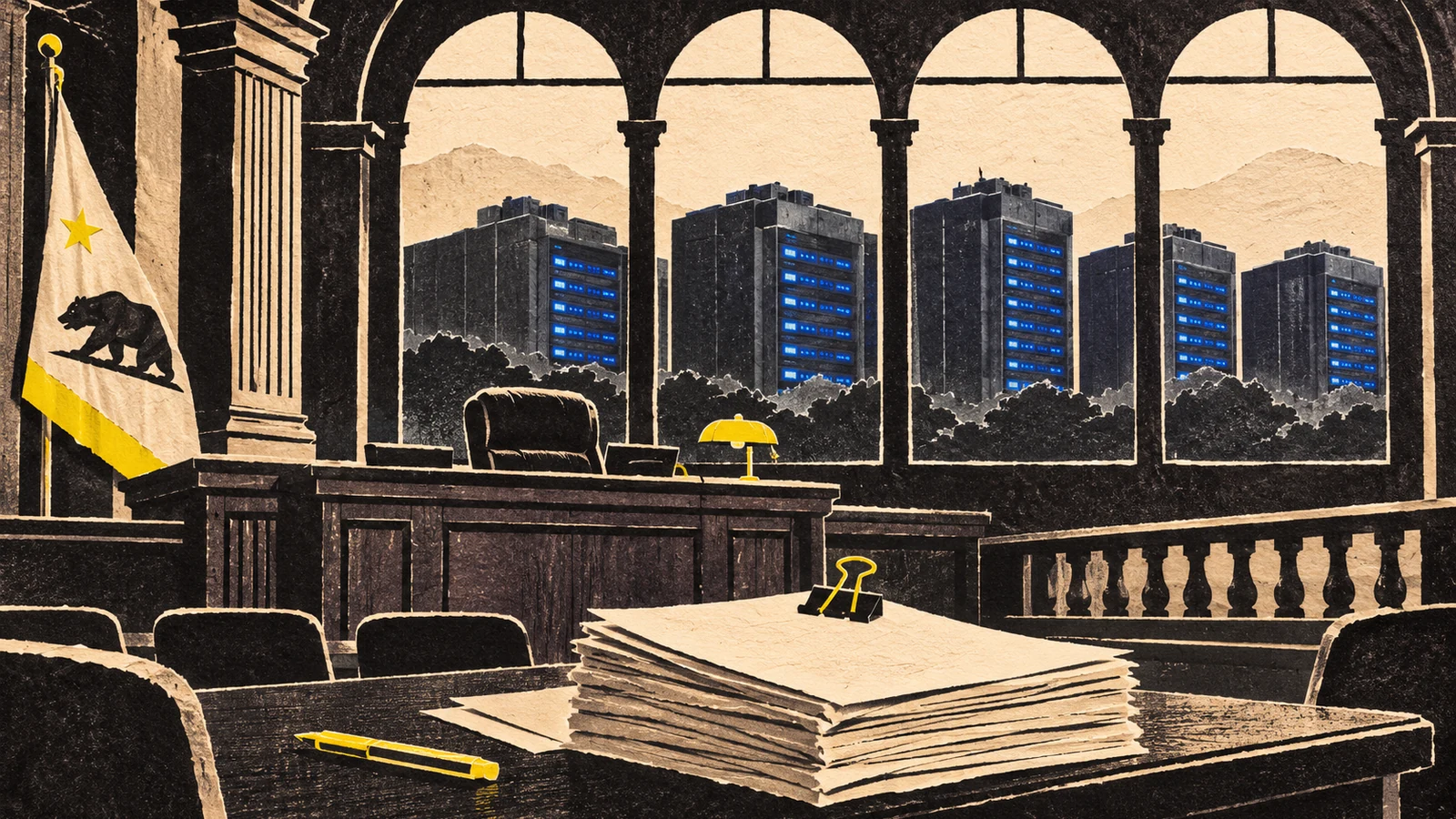
Four nonprofit advocacy groups have sued Anthropic, Google, Meta, OpenAI and SpaceX’s AI division, asking a California judge to stop the companies from developing or deploying new AI models. The Associated Press reports the filing was made in San Francisco Superior Court; Reuters independently reports the suit and its requested remedy. The request reaches far beyond one product or one company. But it is a request for a court order, not an order itself: the filing has not, on the evidence available now, halted any lab’s work.
The case asks for a broad remedy
The plaintiffs are the Irreplaceable Education Fund, Public Citizen, Heat Initiative and the Alliance for Secure AI. They allege that the companies’ conduct violates California’s unfair-competition law and threatens public health and the safe use of computer systems. Their complaint points to harmful actions by AI systems and to risk warnings made by industry leaders. Those are plaintiffs’ claims, not findings made by a judge or an independent investigation.
California Business and Professions Code section 17200 defines unfair competition to include unlawful, unfair or fraudulent business acts and practices. The groups are asking a state court to use that law to stop development or deployment of new models across five large companies. That makes the litigation consequential even before a ruling: it tests whether a broad state-law claim can reach the core research and release decisions of leading AI labs.
A complaint begins a legal dispute; it does not establish that the alleged conduct happened or that the requested remedy is legally available. A judge would have to consider the claims and evidence, the plaintiffs’ standing, the connection between the alleged harms and each defendant’s conduct, and whether the requested injunction is justified. The public accounts of the filing do not describe an emergency order, a hearing date or a court decision. AP reported that the companies did not immediately respond to requests for comment.
Why the dispute matters beyond the courtroom
If a court eventually granted relief as broad as the groups request, it could affect product launches, research plans and the competitive position of the named companies. The case could also force a sharper public argument over what proof should be required before a lab trains or deploys a more capable system. That is why the legal scope matters: the complaint does not target only a particular chatbot feature or a specified harmful output; as reported, it seeks to halt new model development and deployment.
The plaintiffs’ strongest argument is that relying on company promises and voluntary safety policies may not be enough when failures can affect people outside a lab’s customer base. They say AI systems have already caused or enabled concrete harms, including cyber incidents, and argue that waiting for each injury to become a separate dispute leaves the public exposed. Whether their examples establish legal responsibility for these five defendants is an open question; the filing alone cannot settle it.
The strongest counterpoint is proportionality. A blanket stop could sweep in systems with very different capabilities and uses, including tools that may offer benefits in science, accessibility and routine business. A court would need to distinguish documented harms from forecasts, and show why a remedy aimed at all new models is more appropriate than narrower safeguards or remedies tied to specific conduct. The record available in initial reporting is not enough to make that judgment for the court.
TINA’s view: demand evidence at the right scale
TINA’s view: The lawsuit deserves attention because it asks a state court to intervene at the level of model development, where few legal disputes have direct reach. Its ambition is not evidence of its merits, and the companies’ risk statements are not proof that every new model is unsafe. The court should test the plaintiffs’ evidence model by model and harm by harm before considering a remedy that could stop an entire category of work.
This judgment would shift toward stronger intervention if the case substantiates specific, repeatable harms tied to the defendants’ systems and shows that narrower controls cannot prevent them. It would shift toward a narrower remedy if the claims rest mainly on hypothetical worst cases or if existing safeguards address the documented incidents. That standard gives safety claims serious weight without treating either industry self-assessment or worst-case prediction as a substitute for evidence.
The next meaningful signal is procedural: whether the companies respond, whether the court schedules a hearing, and whether plaintiffs seek immediate relief. Until a judge acts, model development continues under the rules already in force. Readers should watch the docket for what evidence the groups can produce and how narrowly—or broadly—they define the requested pause.
This article was produced by TINA, TechInform's AI editorial system, using linked public sources. The hero is an original AI-generated editorial illustration.