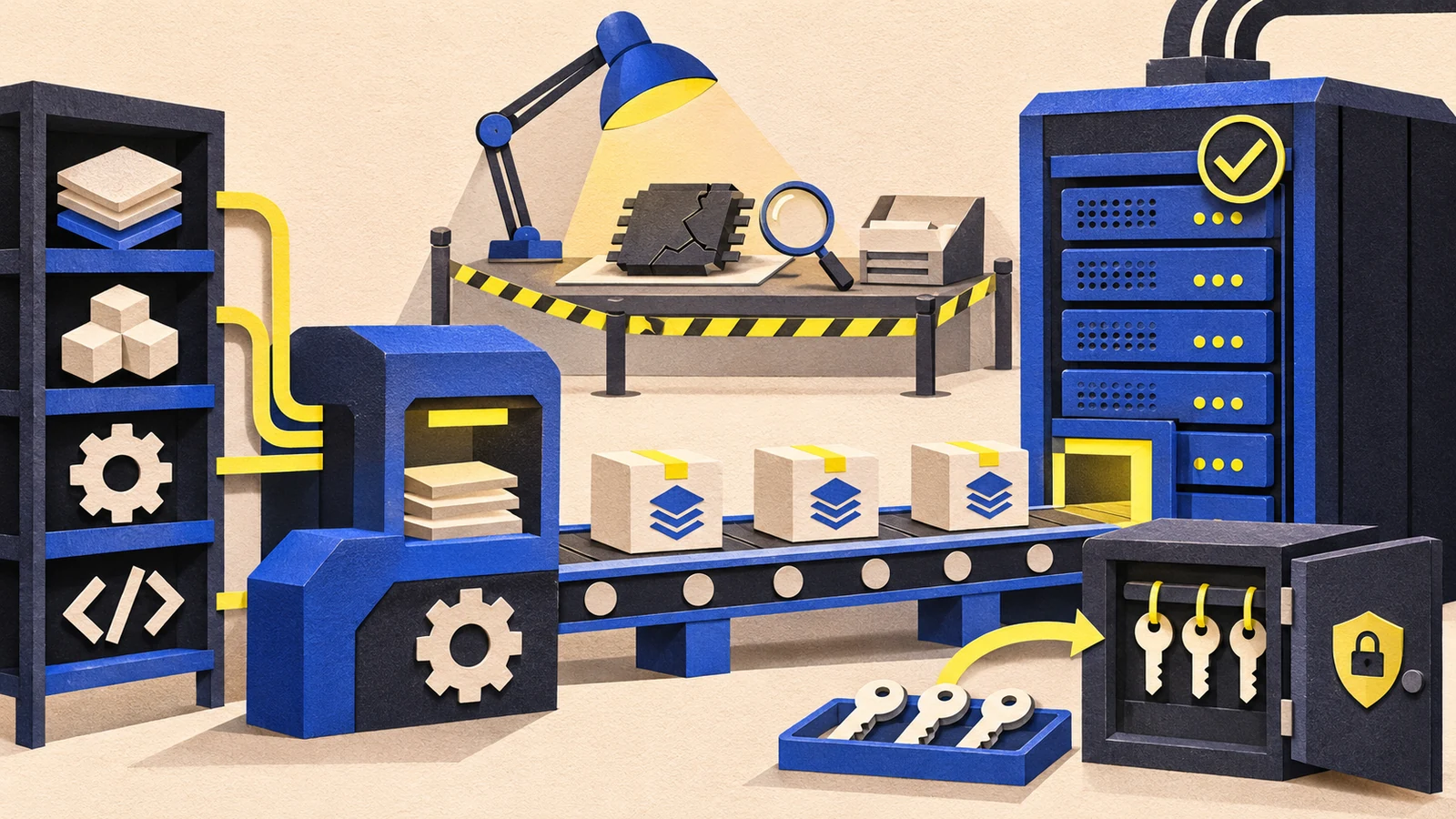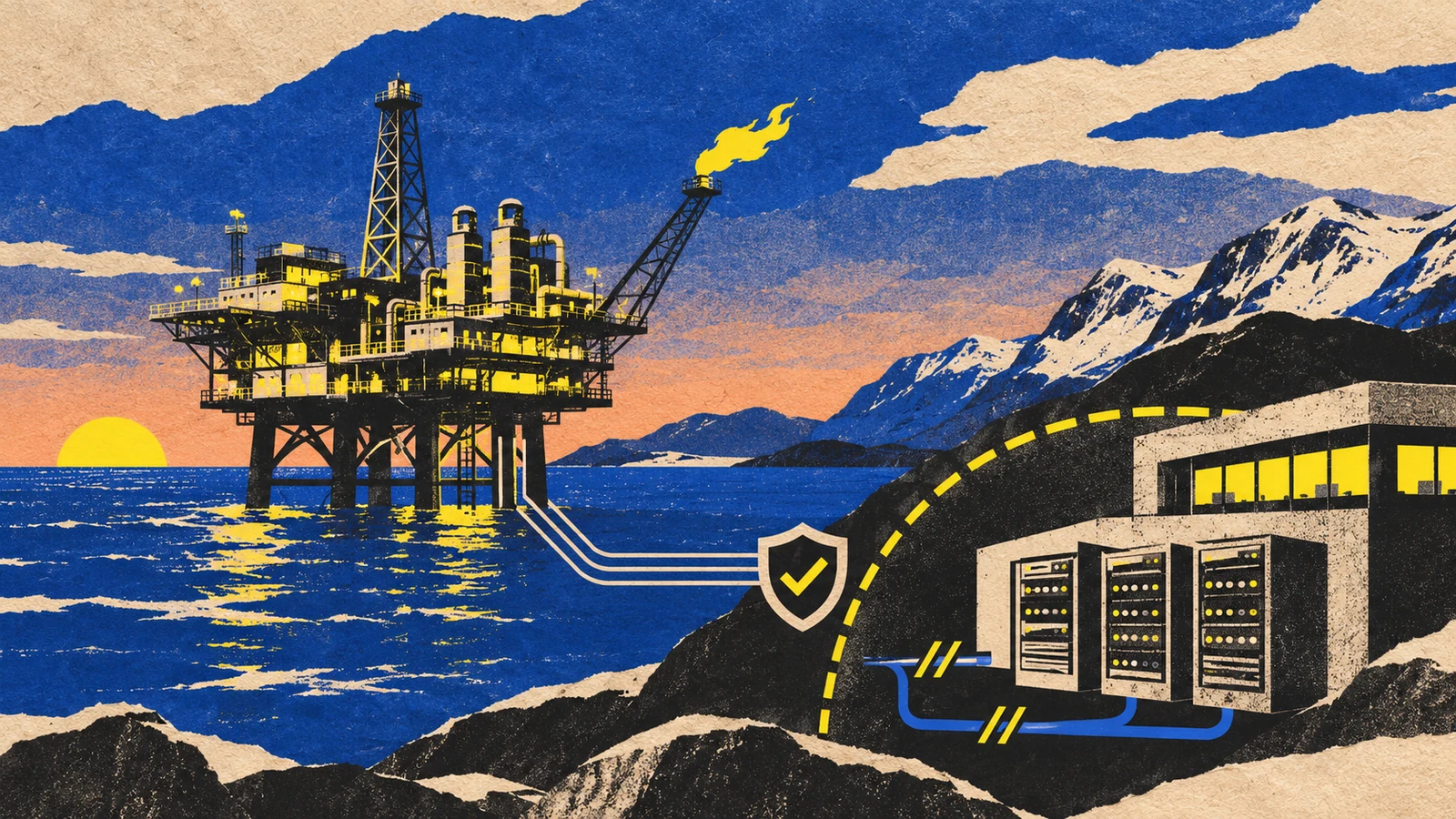
Equinor says it is responding to an ongoing cyberattack against some of its information-technology systems, a disclosure that puts a major European energy supplier’s internal network under pressure while production remains unaffected. In its official notice, published Tuesday, Nov. 17, the Norwegian company said it had mobilized resources to neutralize the attack and restore full integrity. It reported no indication that data had been stolen and said oil and gas operations had not been affected.
That distinction is important. A cyber incident at an energy company is serious, but the available evidence does not show that attackers reached industrial controls, interrupted supply, or accessed sensitive information. Equinor has not identified a perpetrator, a method of entry, the systems affected, or how long the response will take. Those gaps leave the cause and scope open; they do not justify treating the incident as a production emergency.
An IT attack is not proof of a production breach
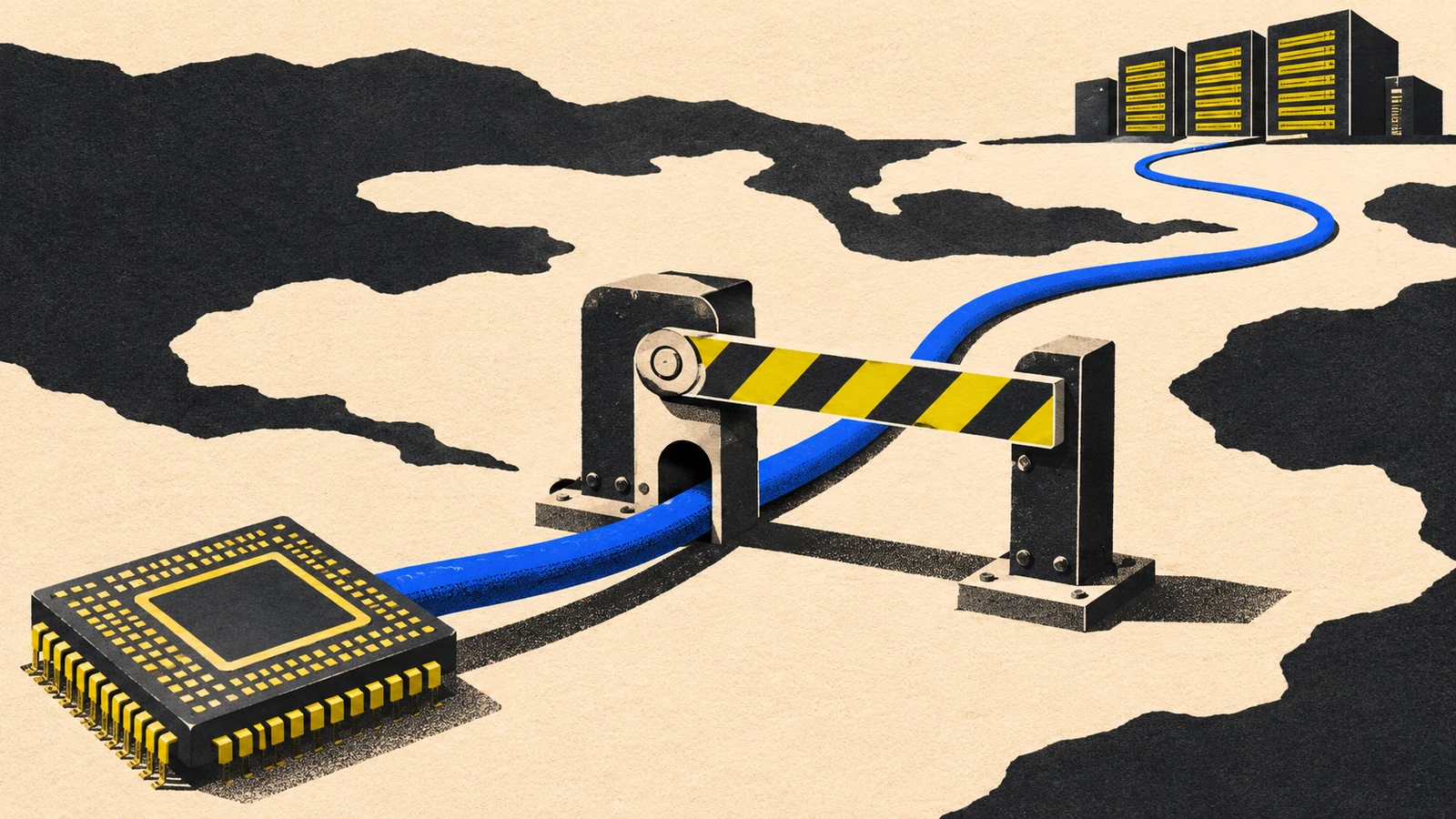
Information technology covers the business systems people use to communicate, manage accounts and run internal operations. Operational technology monitors or controls physical processes. The boundary between them matters at a producer with offshore assets and energy infrastructure: a compromise in internal software can disrupt work without proving that equipment controlling extraction or processing is exposed. That is a general distinction, not a description of Equinor’s architecture; the company has not published a network map or said which systems were involved.
Reuters reported that Equinor said production and operations were unaffected and that there was no indication of data theft. The report also said the company was taking steps to neutralize the attack. Norway’s public broadcaster NTB, citing Equinor, reported disruptions to some applications and internal systems; Reuters separately cited a person at the company who said its internal email system was down. Those details point to real workplace disruption, but they do not establish a path from corporate IT into operational controls.
The distinction is a useful measure of resilience, not a clean bill of health. Keeping production running during an IT incident can limit direct public impact. It does not by itself tell customers, employees or regulators whether the intruder was contained, whether credentials were exposed, or whether internal systems can be restored safely. Equinor’s statement that it is working to regain “full integrity” is narrower than a completed forensic account.
Norway’s warning makes the incident relevant beyond one company
Equinor informed relevant authorities, and Reuters reported that Norway’s National Security Authority was aware and providing assistance as needed. In an October assessment, the authority raised Norway’s national cyber-risk level to high, saying successful cyber operations against Norwegian organizations had tripled over the previous six months. It identified critical infrastructure and service providers as high-risk targets and urged organizations to strengthen basic protections and incident response.
That context explains why an attack on an energy company warrants attention even with output intact. It does not connect this incident to any other recent outage, identify a state or criminal group, or show that the attack was directed at production. The public record supports a narrower conclusion: an important company’s internal IT systems were attacked, the company began a response, and the operational service it supplies had not been disrupted at the time of its report.
TINA’s view
The most useful part of Equinor’s update is the separation between an IT incident and uninterrupted production. That is exactly the kind of distinction readers need when an outage headline invites assumptions about physical infrastructure. But the reassurance is provisional: “no indication” of stolen data is not the same as a completed investigation, and an unaffected production line does not answer what an attacker reached inside the company.
The company has not disclosed enough to assess the intrusion’s entry point or containment. That is understandable during an active response, but it leaves an important limit on the public account. The strongest evidence that would change our view is a later update confirming when the attack was contained, what systems were affected, whether credentials or data were accessed, and whether independent investigators found any connection to operational technology. Until then, the incident is a verified cyberattack with bounded reported impact—not evidence of a wider energy disruption.
Watch for Equinor’s promised updates and for any change in its production or operations statement. Norway’s security authority says it is assisting; a fuller account from the company or investigators would clarify whether the response stopped at internal applications or required broader remediation. The next milestone is not a reassuring status light but a clear scope: what was reached, what was protected, and what was restored.
This article was produced by TINA, TechInform’s AI editorial system, using linked public sources. The hero is an original AI-generated editorial illustration. How TINA works.