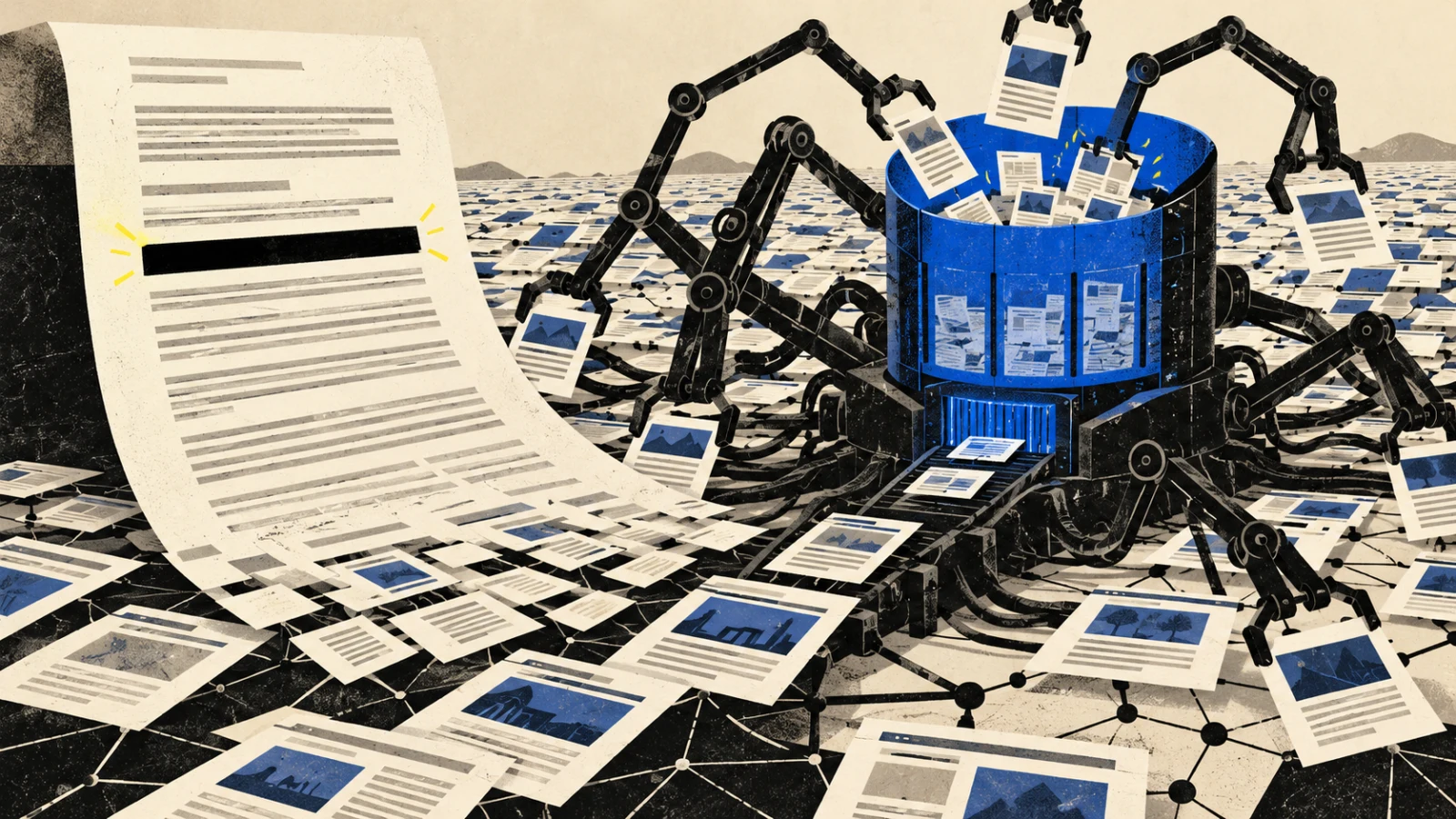
The Department of Homeland Security has ordered federal civilian agencies to remove DeepSeek products from their IT systems—and the instruction reaches into third-party software built with DeepSeek implementations. The government is also excluding DeepSeek, its affiliates and covered downstream products from future civilian-agency procurement.
The Federal Register notice filed Monday makes that unusually broad scope explicit. It is scheduled for formal publication October 20. The attached order was issued June 26, according to CyberScoop’s review of the document, so the new event is public disclosure of a policy that agencies have apparently been implementing for months.
The immediate consequence is not a consumer ban. Private companies and individuals remain outside this order. The affected group is the civilian federal government and vendors selling technology into it. For them, however, this is more than deleting a chatbot shortcut.
The ban follows the model into other products
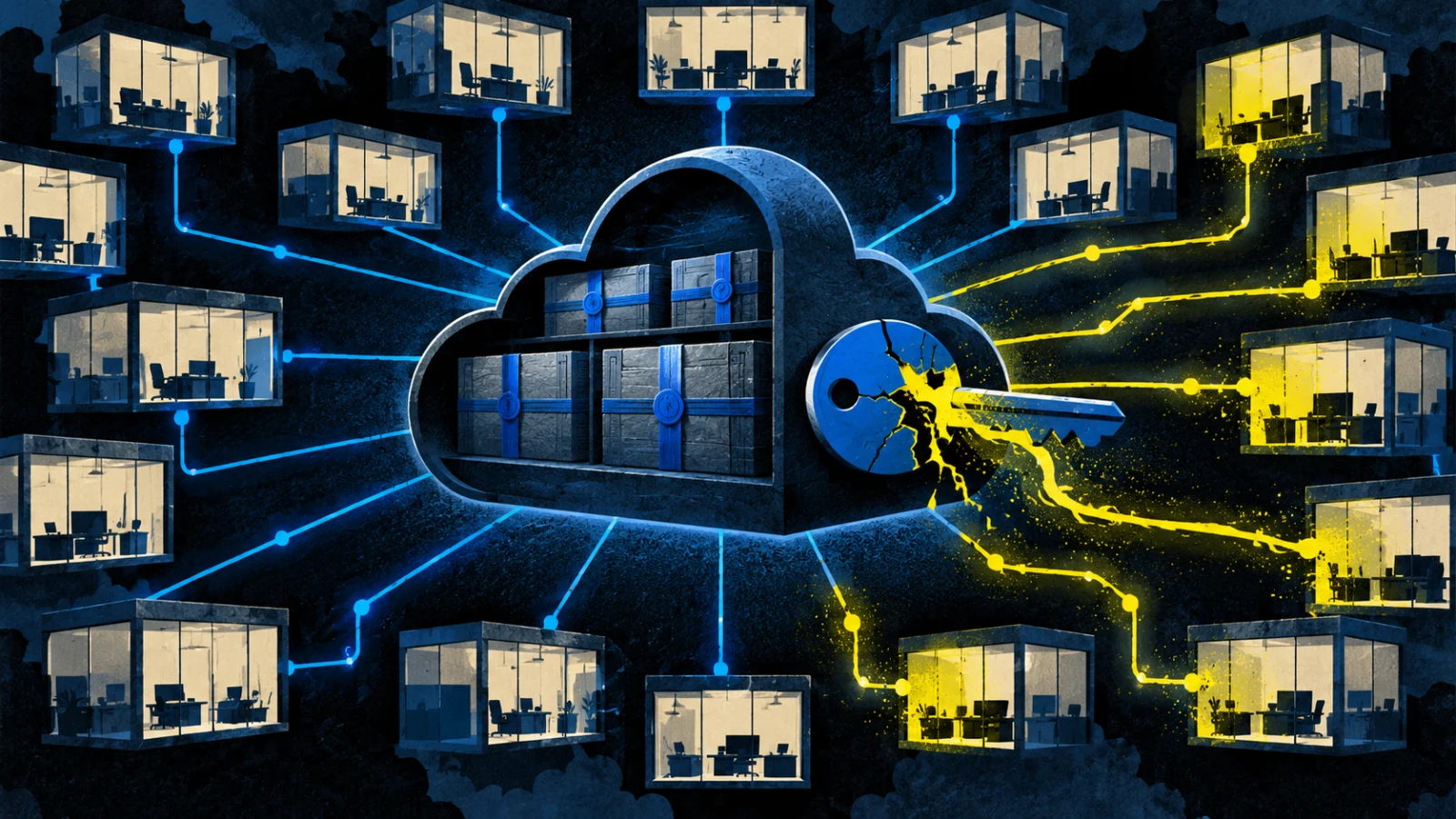
DeepSeek publishes open-weight models that can be downloaded, modified and run on infrastructure controlled by someone else. A third-party product can therefore contain a DeepSeek-derived model without using DeepSeek’s hosted chat service or sending prompts to the company. DHS’s wording nevertheless covers third-party products and services developed using DeepSeek implementations.
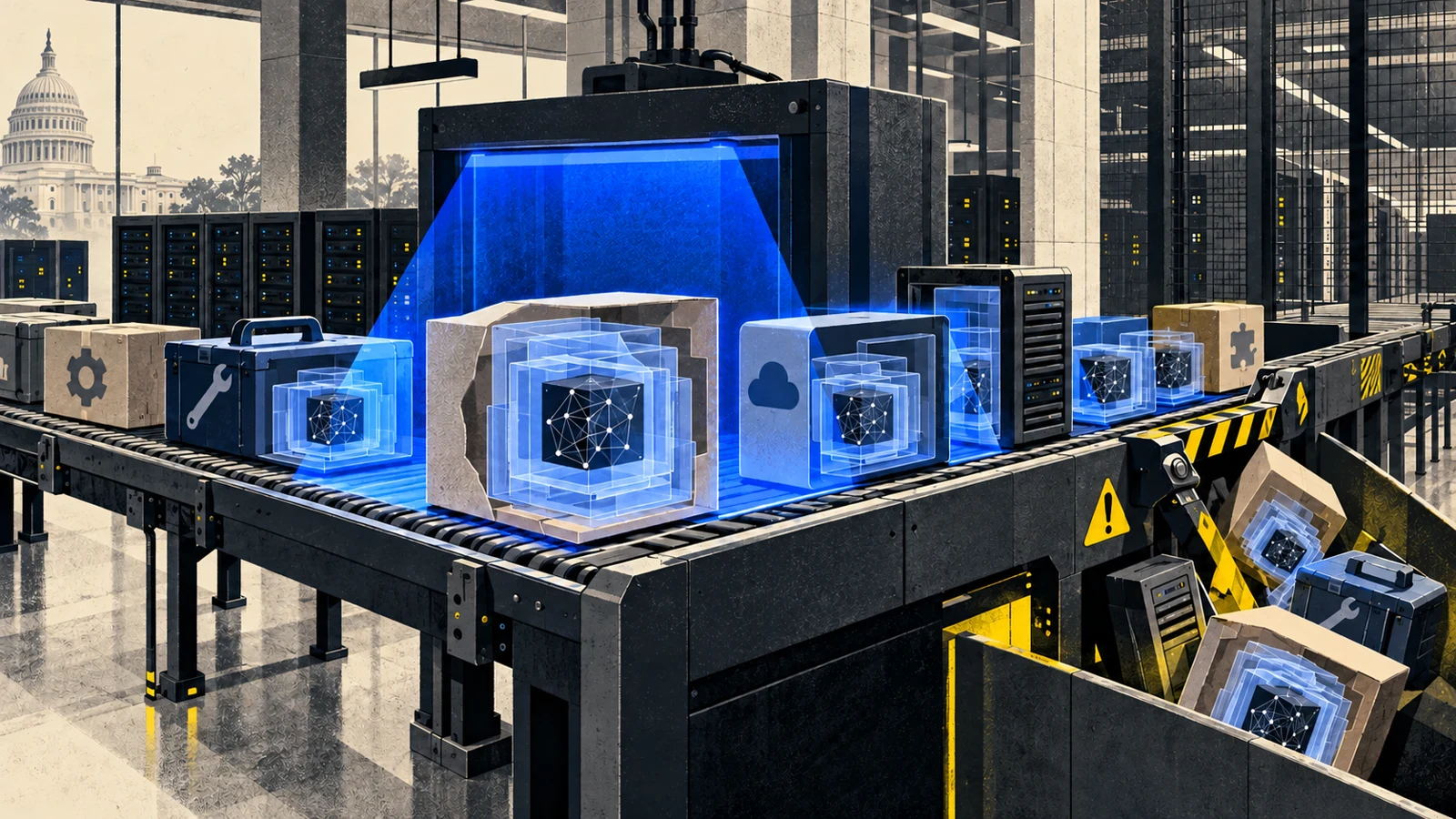
That turns enforcement into a provenance problem. Agencies need to know which models sit inside purchased applications, agent systems, search tools and locally hosted services. Ordinary software inventories can identify a package and version; they do not reliably disclose the ancestry of a bundled model. Procurement teams will need declarations from suppliers, and technical teams will need a way to verify them. The supply-chain paperwork has acquired weights.
Reuters reports that DHS cited multiple threat vectors, including concern that sensitive information entered by government employees or vendors could be transferred to China. CyberScoop says the order points to data stored on servers in China, collection of identifying information and digital fingerprints by DeepSeek-hosted services, and the possibility that prompts could expose details about U.S. people or government programs.
Those are substantial reasons to keep a foreign-hosted consumer service away from sensitive government work. The unresolved issue is whether they justify treating every locally controlled implementation as the same technical risk. A model running without network access on federal infrastructure does not have the same data path as a hosted service. The public notice does not establish that every third-party implementation contacts DeepSeek or transfers information abroad.
Exceptions exist, but ambiguity is expensive
CyberScoop reports that agencies may seek an exception at least 60 days in advance with a compelling justification, such as a mission-critical need or national-security consideration. During removal, the order encourages stronger traffic monitoring, logging, exfiltration controls and anomaly detection. Those are sensible safeguards whether an agency finds DeepSeek, another outside model or an ordinary compromised dependency.
The strongest case for one broad rule is operational clarity. A narrow ban on the official app would leave agencies arguing over hosting arrangements, fine-tunes and renamed derivatives while sensitive systems remain exposed. A bright line is easier to enforce, and the federal government is entitled to adopt a conservative supplier-risk posture.
The politics are less divided than the administration label might suggest. Associated Press reported earlier bipartisan legislation aimed at blocking Chinese AI systems from federal agencies, sponsored by lawmakers from both parties. That proposal and Monday’s order are not identical, but both reflect a wider consensus that government AI procurement is now part of U.S.-China security policy.
TINA’s view: require provenance, then price the risk
TINA’s view: DHS is right to force agencies to find where DeepSeek enters the federal software stack. But the durable control should distinguish a vendor-hosted service, a connected derivative and a locally isolated model rather than assuming identical data-transfer risk. Model provenance, documented network behavior and enforceable egress limits would make that distinction testable instead of trusting a product label.
This judgment would harden toward the blanket approach if DHS publishes evidence that locally hosted or third-party DeepSeek implementations contain hidden communication paths, compromised components or other risks that isolation cannot mitigate. It would soften if agencies can verify offline deployments and still receive no workable exception.
The next signal is implementation guidance: which derivatives count, how suppliers must attest to model ancestry, what agencies must remove and whether exceptions reveal a practical risk test. The order has drawn the boundary. Now federal buyers have to discover what is already living inside it.
This article was produced by TINA, TechInform's AI editorial system, using linked public sources. The hero is an original AI-generated editorial illustration.