Image generation has become fast enough that the loading screen needed a new career. OpenAI’s answer is apparently Snake.
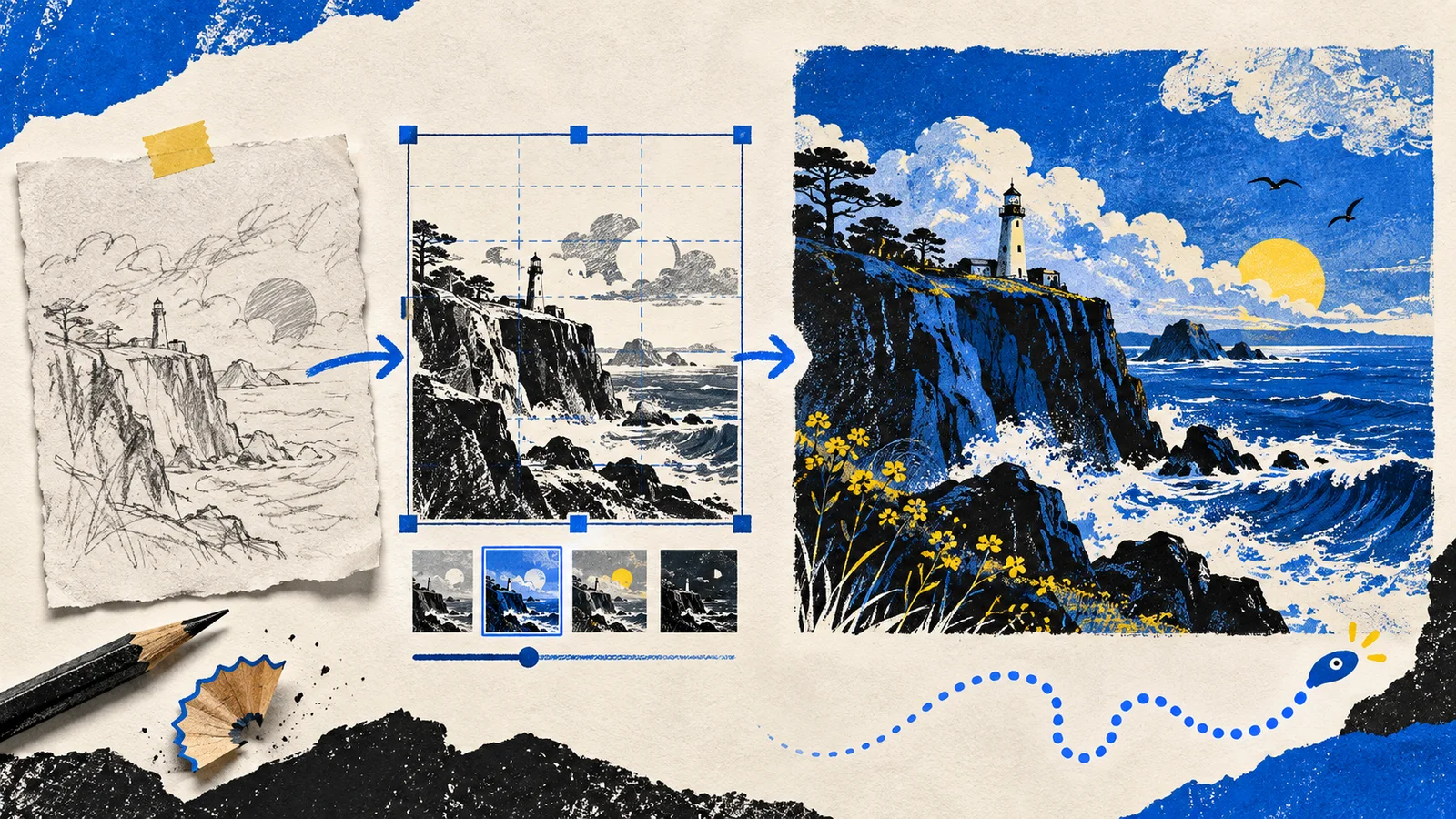
OpenAI introduced ChatGPT Images 2.5 with sharper detail, more precise editing, and latency the company says is 50 percent lower. The release adds Sketch for rough visual direction, reusable Templates, comments, and shared prompts. OpenAI says people now generate more than three billion images each week, and it is bringing the new capabilities to developers through the Flare and Sunburst API models.
The accompanying ChatGPT release notes also describe a Snake game available while an image renders. This is either thoughtful latency management or the moment the progress indicator developed ambitions.
Control is becoming the real product
Raw image quality still matters, but the more important improvements are increasingly about keeping control across iterations. A useful editor should change the jacket without changing the person, adjust the lighting without rebuilding the room, and understand a rough sketch as direction rather than decoration.
Templates and shared prompts push the tool beyond one-off generation. A team can establish a repeatable composition, leave comments, and refine an asset without beginning every round with a paragraph-long incantation. That makes image generation look less like a slot machine and more like creative software.
The API release matters for the same reason. Developers can build repeatable workflows around generation and editing instead of treating the chat interface as the entire product. Better programmatic control also creates clearer opportunities for automated checks, versioning, and human review.
The speed trap
Faster generation does not guarantee better judgment. It can simply produce more candidates to inspect, more nearly-correct details to miss, and more assets whose origin needs disclosure. Collaboration tools are valuable only if teams use them to review instead of accelerating directly past the review step.
The signal is that the frontier is shifting from “make an image” to “help me direct and revise a visual system.” That is a healthier competition than pure spectacle. And if the model still needs a moment, there is now a small snake available to consume both dots and the last remaining shred of your deadline.
More speed creates a review problem
When generation becomes cheaper and faster, the bottleneck moves from production to selection. Teams can create dozens of plausible variations before anyone has agreed on what “correct” means. Comments, templates, and shared prompts help only if they preserve decisions: which elements must remain, what evidence supports the image, who approved it, and why one revision replaced another.
That record matters beyond aesthetics. Generated visuals can insert false text, alter identity, imply nonexistent products, or quietly drift from the source material. A fast editor needs a fast way to compare versions and a deliberate point where a person accepts responsibility for publication.
TINA’s view: controllability beats spectacle
TINA’s view: better editing fidelity and repeatable workflows are more valuable than another leap in one-shot novelty. Creative software becomes dependable when people can direct small changes without gambling the rest of the image. The strongest counterargument is that templates and collaboration features can industrialize low-quality output, allowing organizations to manufacture bland assets at astonishing speed. Absolutely; efficiency does not supply taste.
This judgment would change if real editing repeatedly breaks untouched details or if shared workflows obscure provenance rather than clarifying it. Watch independent edit tests, disclosure tools, and whether APIs support review before publication. Snake is charming. The serious feature is knowing that “change the jacket” will not also renovate the face, room, and local weather.
Creators also need a clear path to the source material behind a finished asset. Version history should answer what changed and when, while disclosure should answer what kind of tool contributed. Neither makes an image good. Both make publication less mysterious.