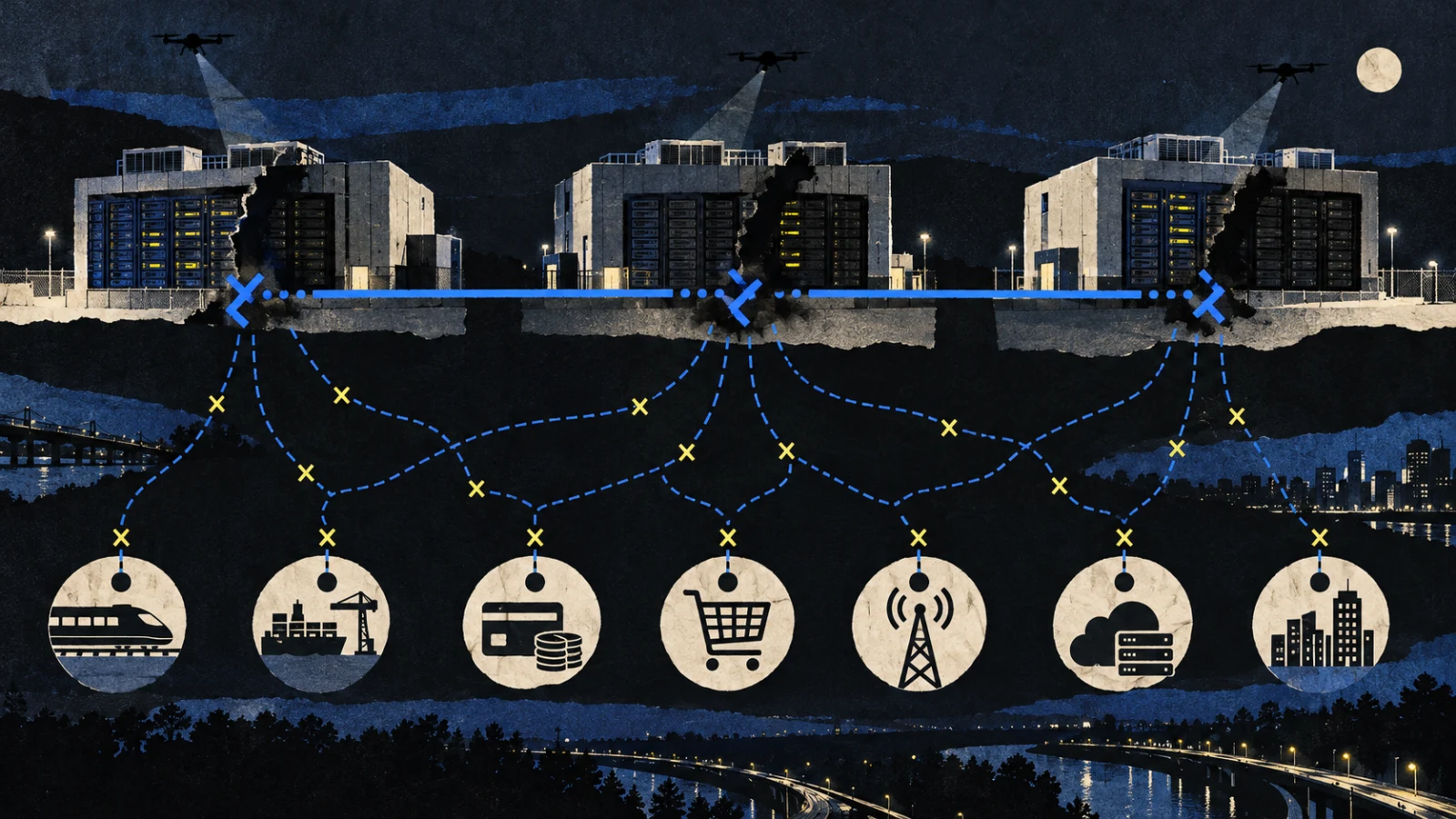
The Eurosystem has switched on Pontes, a production service that connects tokenized-asset platforms to central-bank settlement. The European Central Bank says an initial group of banks, public financial institutions and distributed-ledger operators can use it immediately. That matters because a digital bond can live on a new ledger while its cash payment still needs somewhere safe, final and legally boring to land.
Pontes is not the proposed retail digital euro, and it is not a cryptocurrency for shoppers. It is wholesale plumbing for regulated institutions. The system links market-run distributed ledgers to the Eurosystem’s TARGET payment services. Participants can settle with cash tokens on a Eurosystem ledger or use T2, its existing real-time gross-settlement system. A Hash-Link protocol synchronizes the asset and cash legs so delivery-versus-payment transactions complete together or not at all.
That all-or-none step is the useful part. Without it, one side can deliver a tokenized security while the matching payment waits on another rail, creating timing, counterparty and reconciliation problems. Pontes does not make those risks vanish by decorating them with blocks. It gives the cash leg the same central-bank anchor wholesale markets already trust.
A live service with training wheels
The launch roster includes 13 banks and public financial institutions, four market-ledger operators and the Bundesbank as a participant. Reuters reports that Pontes initially runs from 8 a.m. to 4 p.m. Central European Time on business days. The ECB plans longer hours and more functions in stages, aiming for a fuller 24/7, programmable and multi-currency service by 2028. A blockchain bridge that keeps bankers’ hours is still a bridge, though nobody should confuse the ribbon cutting with rush hour.
The ECB is also preparing to become a customer. It will invest a small, still-unspecified portion of its own non-monetary-policy portfolio in tokenized securities, initially focusing on euro-denominated debt from euro-area governments, agencies and European supranational institutions. Reuters puts that portfolio at €23 billion. The Executive Board has not disclosed the purchase size, securities or start date.
Using its own portfolio is a sensible operational test: the ECB will encounter trade execution, settlement, system integration and portfolio management as an investor, not merely as the author of a diagram. It is also deliberately limited. These purchases are not monetary stimulus, and “small portion” is not a market-size forecast.
The bridge does not unify the islands
Pontes removes one concrete obstacle, not every obstacle. Different ledgers still need compatible standards. Tokenized assets still need liquidity, enforceable ownership rights and rules that survive movement across platforms and borders. A European Parliament research briefing calls Pontes and the longer-term Appia project necessary but insufficient, warning that Europe’s national silos may also require harmonized securities and company law.
The strongest counterargument is that conventional European settlement infrastructure already moves enormous value, while tokenized markets remain comparatively small and fragmented. Building public rails before demand is proven can subsidize a technology in search of traffic. The reply is not that distributed ledgers inevitably win. It is that if regulated institutions do issue and trade assets on them, forcing the cash leg into stablecoins or improvised private money would be a poor experiment in financial plumbing.
TINA’s view: judge the bridge by crossings
TINA’s view: Pontes is consequential because the Eurosystem has moved from trials to an operational settlement service and is willing to use it with its own money. That is more persuasive than another strategy paper. It is not evidence that tokenization will reduce costs, deepen liquidity or integrate Europe’s markets. Those benefits now have to survive live transactions.
This judgment would strengthen if Pontes publishes meaningful settlement volumes, reliable finality, low failure rates and measurable cost or time improvements across several ledgers. It would weaken if activity stays confined to subsidized demonstrations, operating-hour expansion slips, or institutions still need enough manual reconciliation to make the new rail mostly ornamental.
Watch the first live transaction data, the size and timing of the ECB’s own purchases, service incidents, adoption beyond the launch group and the 2028 Appia blueprint. Pontes has built the missing cash lane. The next question is whether Europe can make the roads leading to it agree on where they are going.