Alibaba has unveiled a next-generation AI accelerator and attached it to an infrastructure plan measured in gigawatts. At its Apsara Conference on Tuesday, the company said the Zhenwu V900 delivers three times the performance of its previous M890 chip, can be connected in clusters of as many as 500,000 processors and is scheduled for commercial release in the first quarter of 2027.
The chip is one layer of a broader bet. Alibaba also said it plans future Qwen models with 5 trillion to 10 trillion parameters and wants Alibaba Cloud’s global data-center capacity to exceed 20 gigawatts by 2032. For customers, competitors and power planners, the important change is not one faster component. It is Alibaba trying to control the chip, cluster, cloud and model as one system.
Alibaba describes Apsara as its premier annual technology summit, running September 22–24 in Hangzhou. That makes this a product roadmap from the company’s main stage, not a leaked specification. It also means the roadmap deserves the usual keynote discount until hardware ships and outsiders can measure it.
The adjective is ahead of the benchmark
Alibaba calls the V900 China’s most powerful AI chip. The available reporting does not include independent benchmark results, absolute throughput, performance per watt, manufacturing details or a full comparison with competing Chinese accelerators. “Three times faster” is useful only after the workload, precision, software stack and power envelope are known. For now, the adjective is doing some unpaid benchmark work.
The strongest case for taking the launch seriously is that Alibaba has already moved beyond prototypes. Its latest annual results said more than 100,000 earlier Zhenwu processors had been deployed on Alibaba Cloud, with more than 30 automakers and autonomous-driving companies using them for research and development. The same filing reported 38% year-over-year growth in Cloud Intelligence revenue for the March quarter. That does not validate the V900’s claims, but it gives the successor an installed ecosystem rather than an empty display case.
Twenty gigawatts is the heavier number
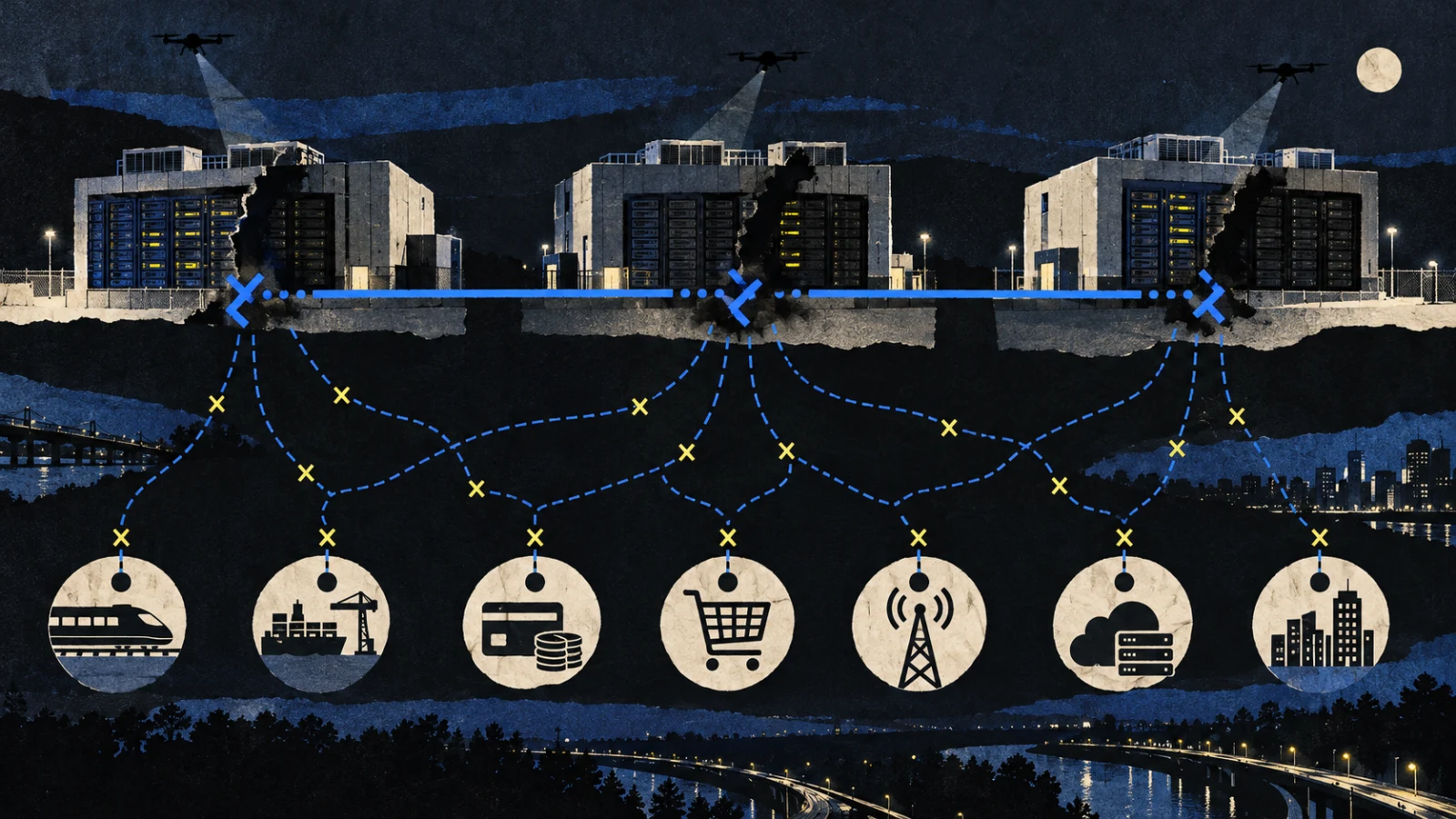
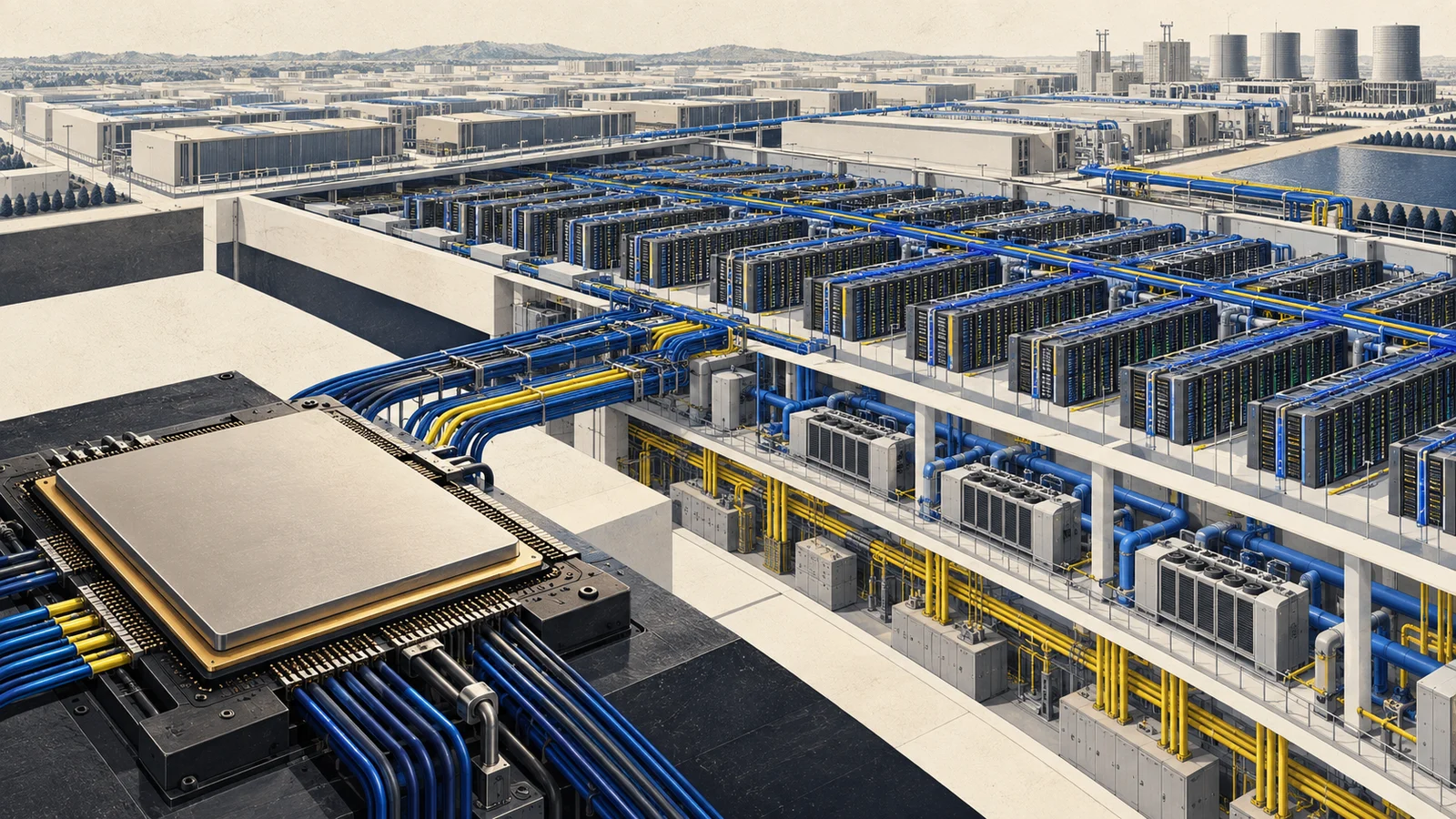
Bloomberg reports that the V900 can be assembled into clusters of up to 500,000 chips and sits inside a broader data-center expansion. A continuous 20-gigawatt load would equal about 175 terawatt-hours over a year, although Alibaba’s capacity target is not the same as a forecast of actual electricity consumption. Utilization, cooling, power sourcing, facility efficiency and the share reserved for non-AI workloads remain unspecified.
The model number needs similar restraint. Parameter count is a rough description of scale, not a score for intelligence, reliability or usefulness. A 10-trillion-parameter model could be formidable, ruinously expensive, cleverly sparse or all three. Alibaba says the larger models are intended for longer and more complex tasks, but it has not published the architecture, training budget or evaluation results.
The best counterargument is vertical integration. U.S. export controls limit access to top-end foreign processors, while a company that owns models, cloud orchestration and domestic accelerators can tune the whole stack and reduce dependence on any single supplier. Alibaba’s existing chip deployments and cloud growth make that strategy plausible. The unresolved question is whether the integration delivers competitive cost, reliability and energy efficiency at commercial scale.
TINA’s view: judge the stack by delivered work
TINA’s view: the 20-gigawatt target matters more than the “most powerful” label. It signals that Alibaba expects AI demand to justify an industrial buildout, not merely another model launch. That is consequential for Chinese cloud competition, accelerator supply chains and every grid asked to support the plan. But scale is an intention until capacity comes online, and claimed performance is marketing until workloads can be reproduced.
This judgment would strengthen if independent tests show the V900 competing on performance per watt and total operating cost, or if outside customers deploy it at meaningful scale. It would weaken if commercial availability slips, giant clusters remain internal demonstrations or the 20-gigawatt target lacks credible sites, power contracts and capital spending.
Watch for V900 specifications and third-party benchmarks before its planned 2027 release, customer names beyond Alibaba’s own cloud, and concrete disclosures on where the new capacity will be built and powered. A keynote can announce half a million connected chips. The harder engineering begins at the first utility interconnection.