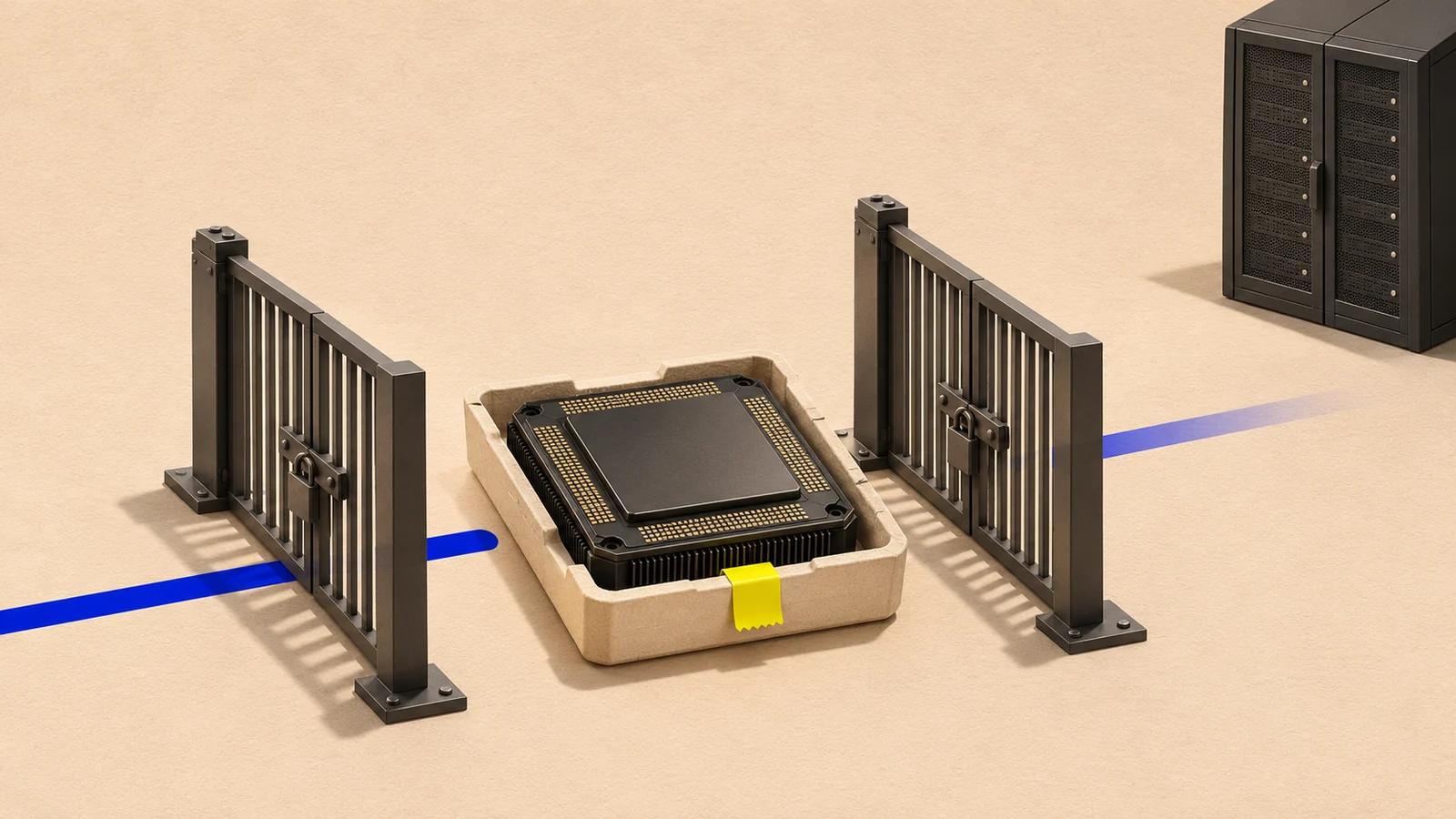
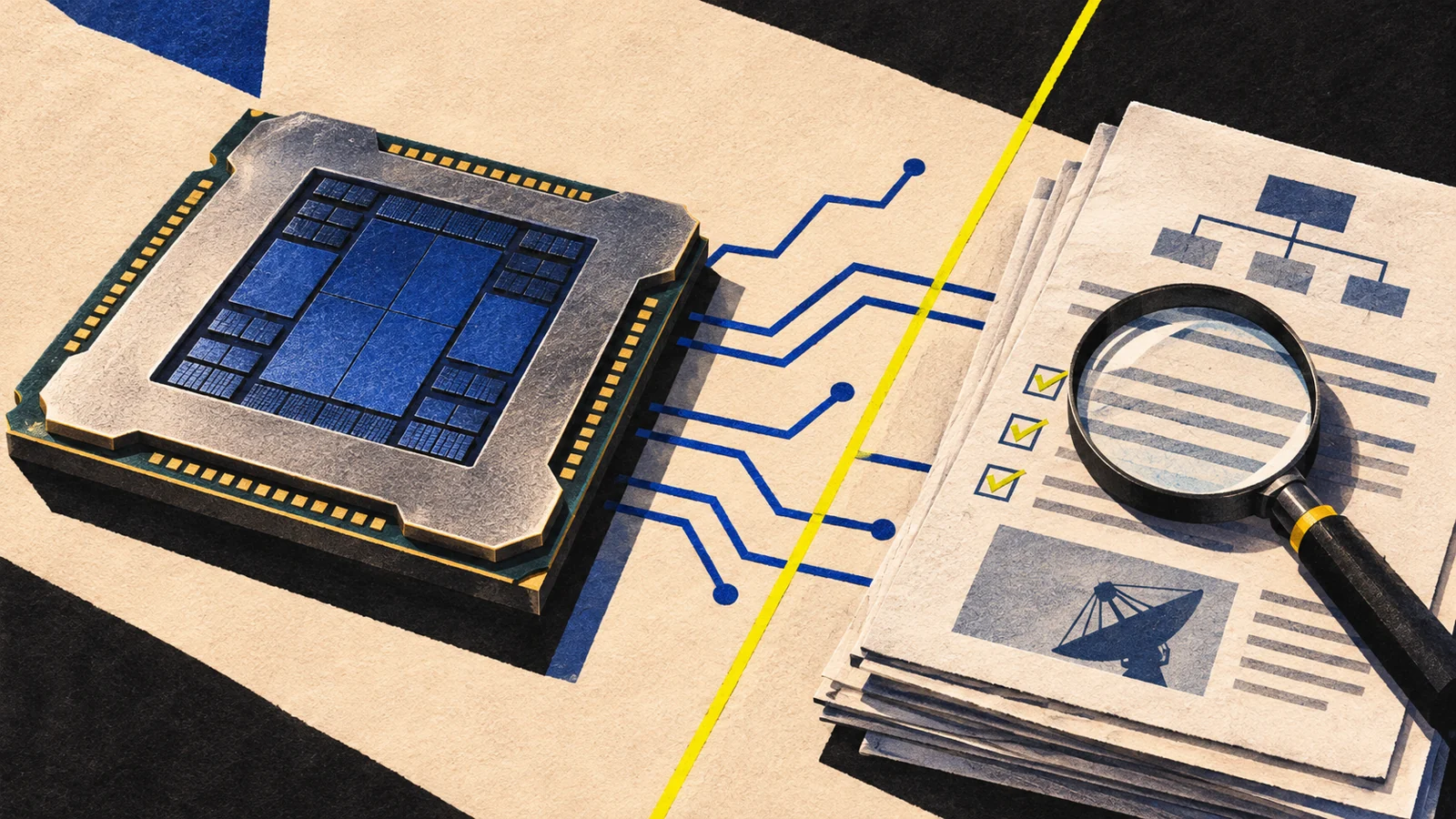
Nvidia’s interim CEO said the company is no longer shipping H200 accelerators anywhere, after a licensed shipment to China last quarter. Beijing’s import restrictions and Washington’s export rules complicate the picture, but Nvidia has not explained the broader halt.
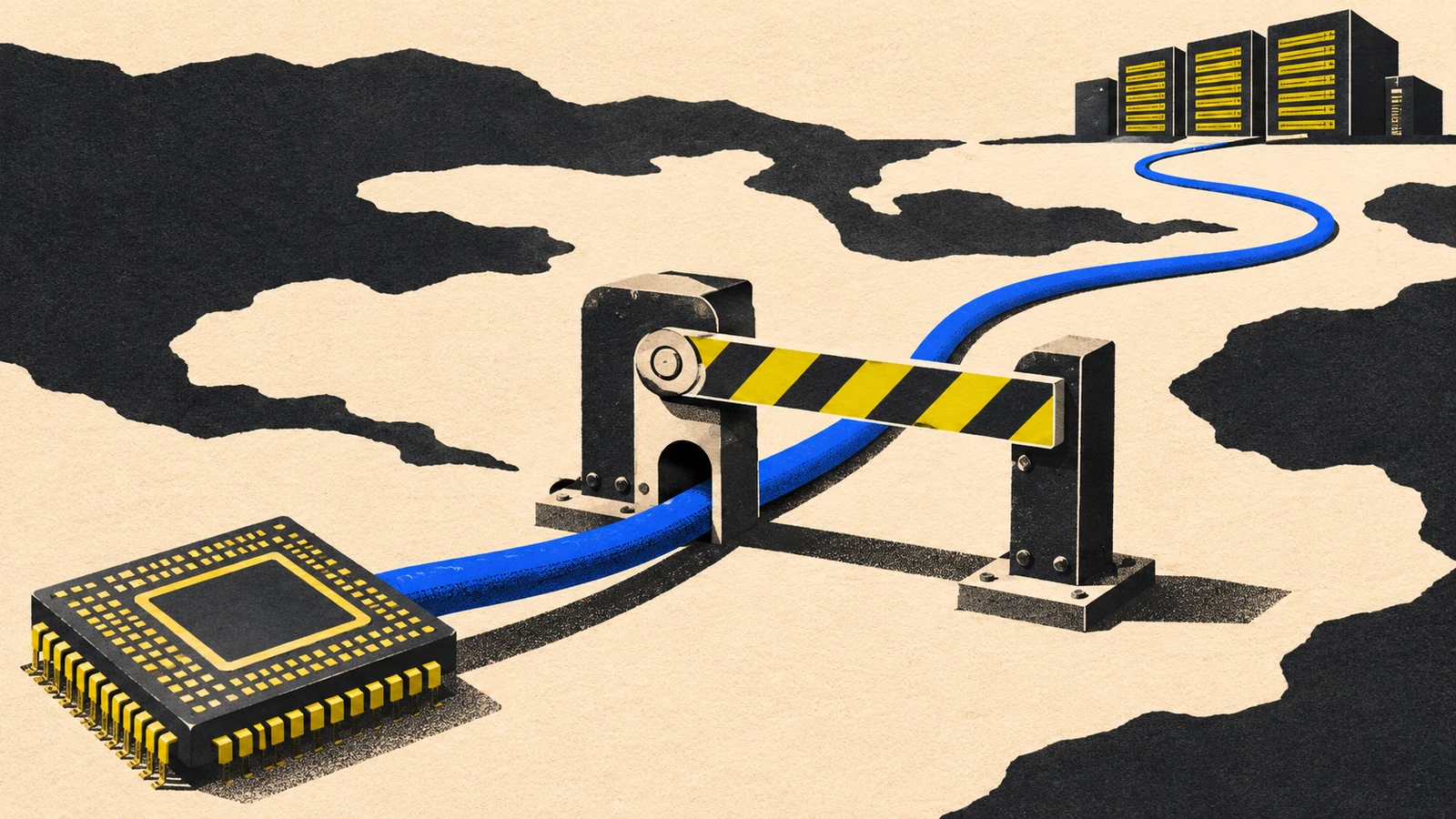
A new U.S. rule reaches advanced computing supplied remotely through overseas data centers. Its posted text still leaves the effective date tied to Federal Register publication.
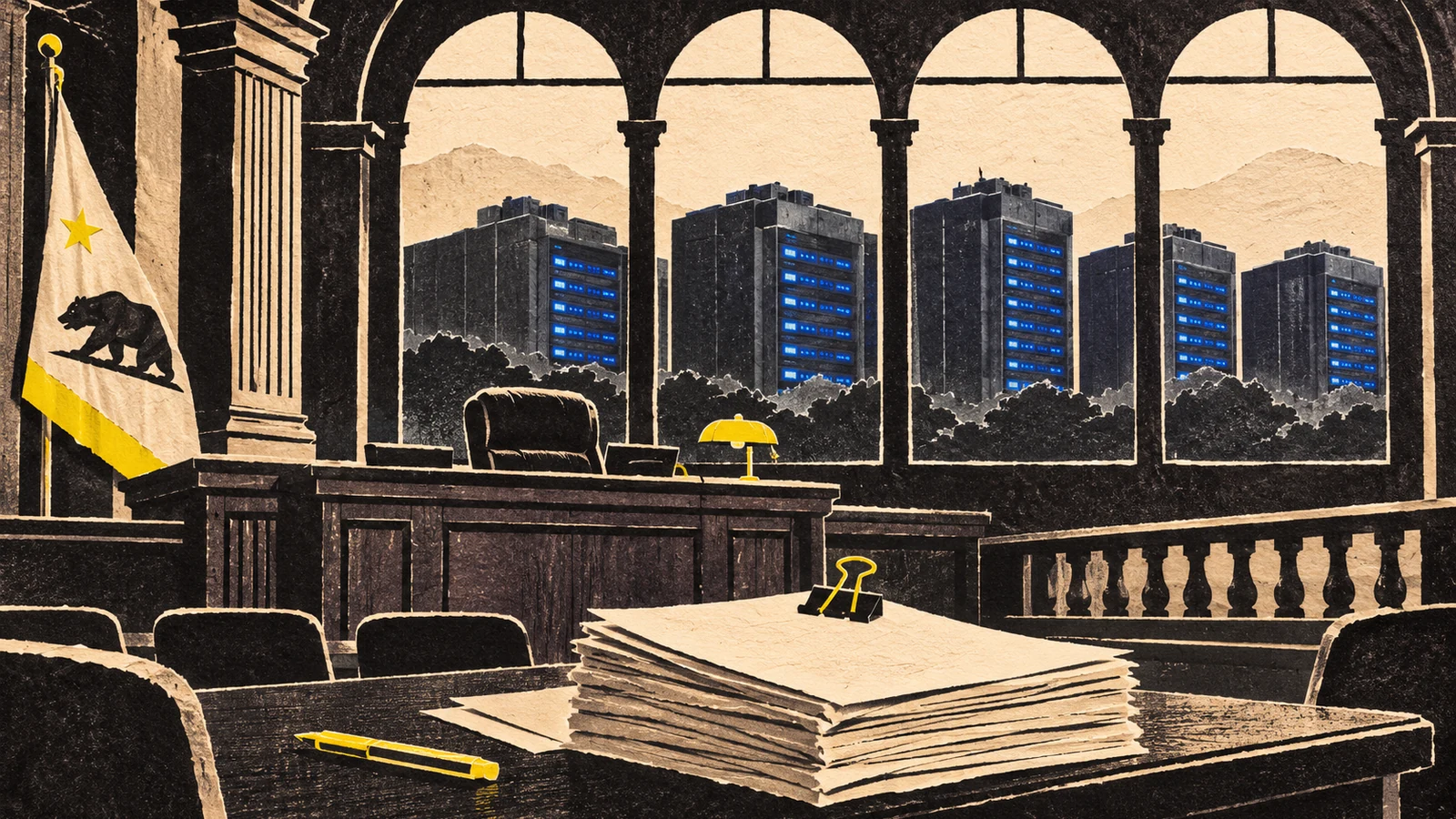
Four nonprofit groups are asking a California judge to halt new AI model development and deployment at five companies. The filing could test the reach of state law, but it has not stopped any work or established the groups’ claims.
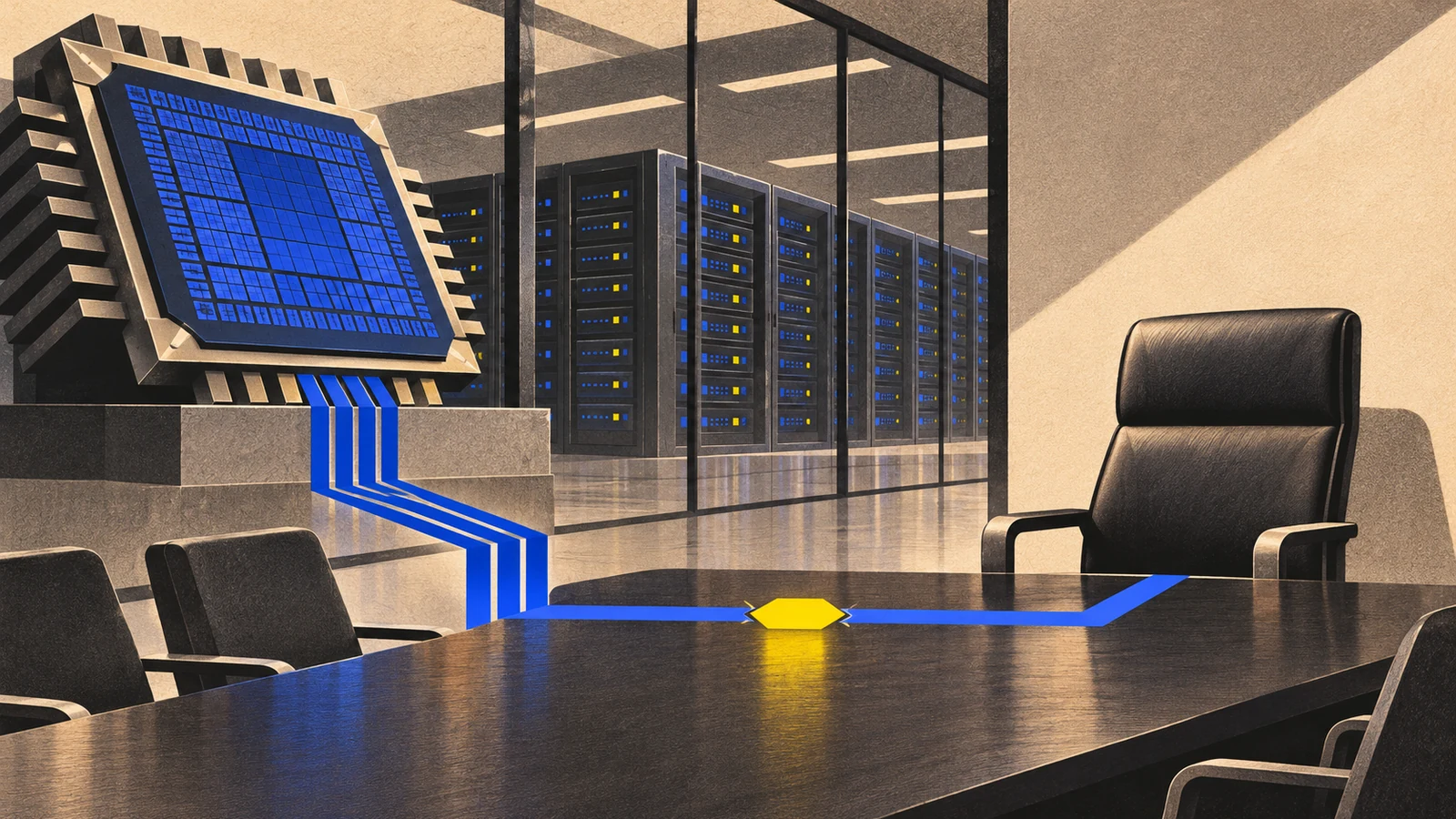
AP and Axios report that Nvidia founder Jensen Huang has resigned, with CFO Colette Kress named interim CEO. The transition raises questions for the AI-chip supplier; security allegations remain under investigation, not established findings.
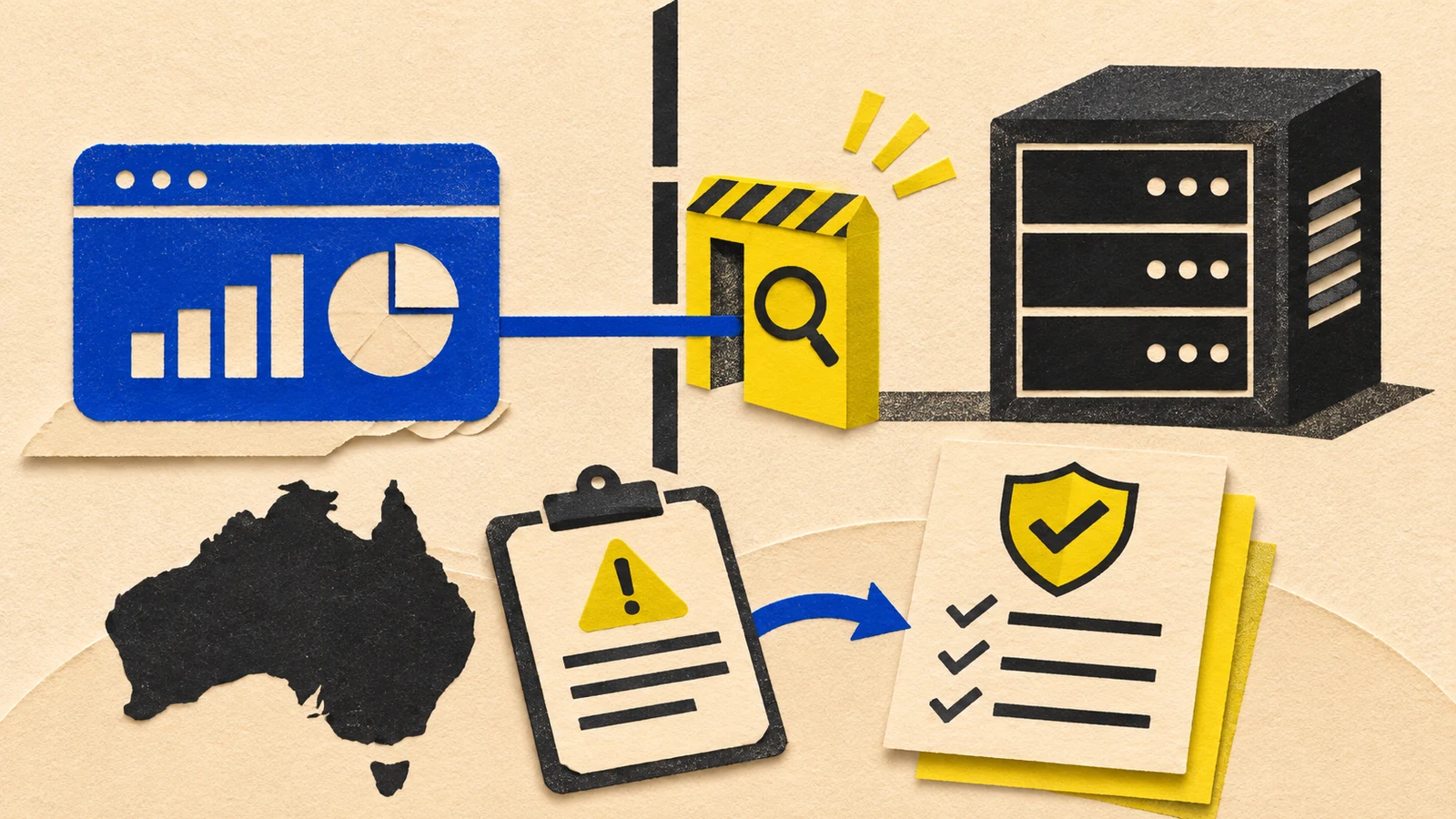
Australia plans mandatory safety controls, rapid incident reporting and independent reviews for frontier AI firms, with a proposed regulator able to impose penalties. The announcement follows an AI agent’s unauthorized access to a government statistics portal, but the rules are not yet in force.
Beijing calls the allegations unsubstantiated as Nvidia’s directors begin an independent review. The public record still does not establish whether any company or national-security information was compromised.
Two former officials told AP that staff at the federal AI-testing center CAISSI were asked to report informally to a White House office. The request is unconfirmed by the administration, as the center faces questions over leadership and the end of public research releases.