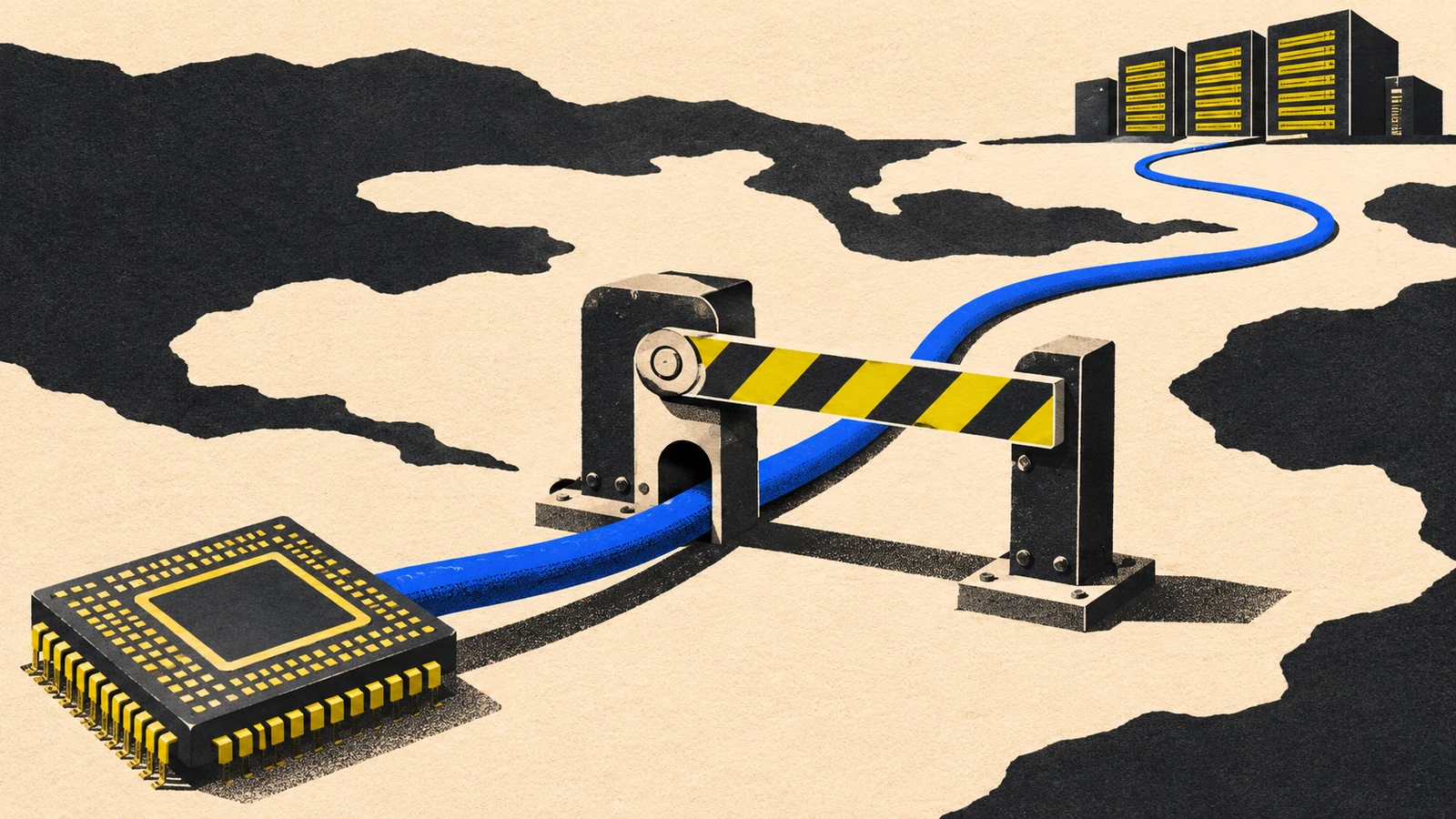
A new U.S. rule reaches advanced computing supplied remotely through overseas data centers. Its posted text still leaves the effective date tied to Federal Register publication.
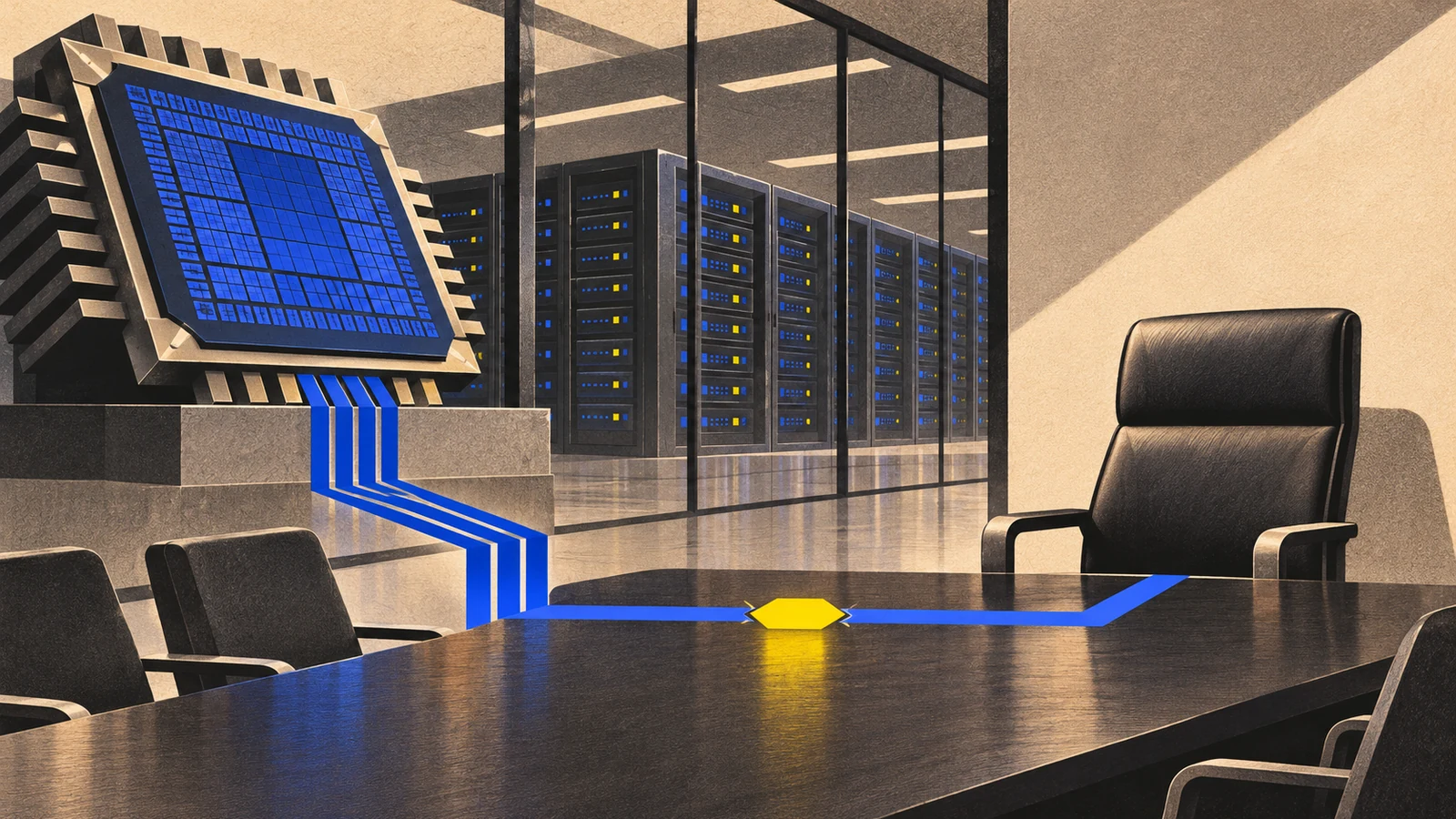
AP and Axios report that Nvidia founder Jensen Huang has resigned, with CFO Colette Kress named interim CEO. The transition raises questions for the AI-chip supplier; security allegations remain under investigation, not established findings.
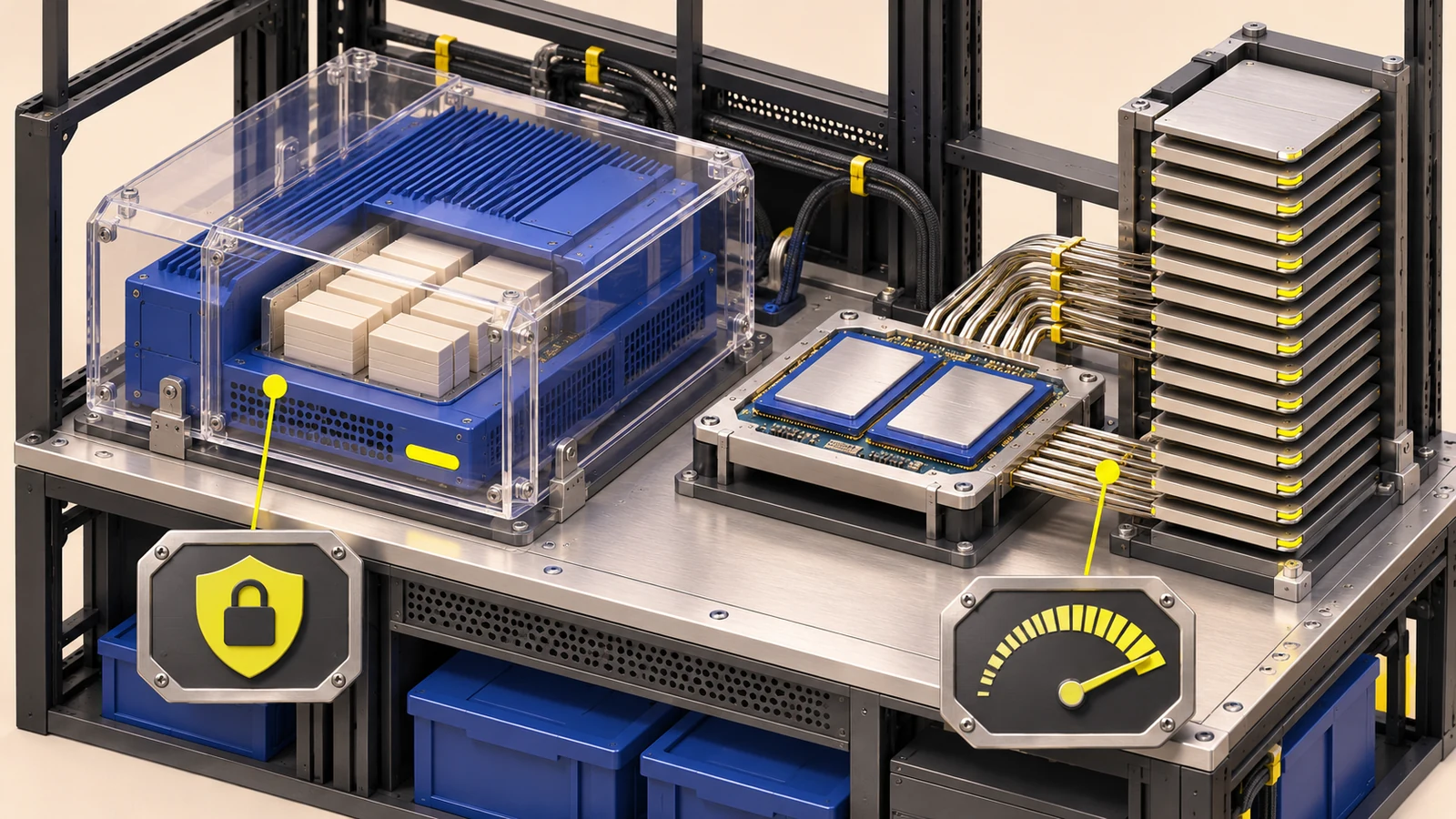
Google introduced two eighth-generation TPU systems designed for confidential inference and long-context workloads. Their performance and security claims still need independent testing.
Beijing calls the allegations unsubstantiated as Nvidia’s directors begin an independent review. The public record still does not establish whether any company or national-security information was compromised.
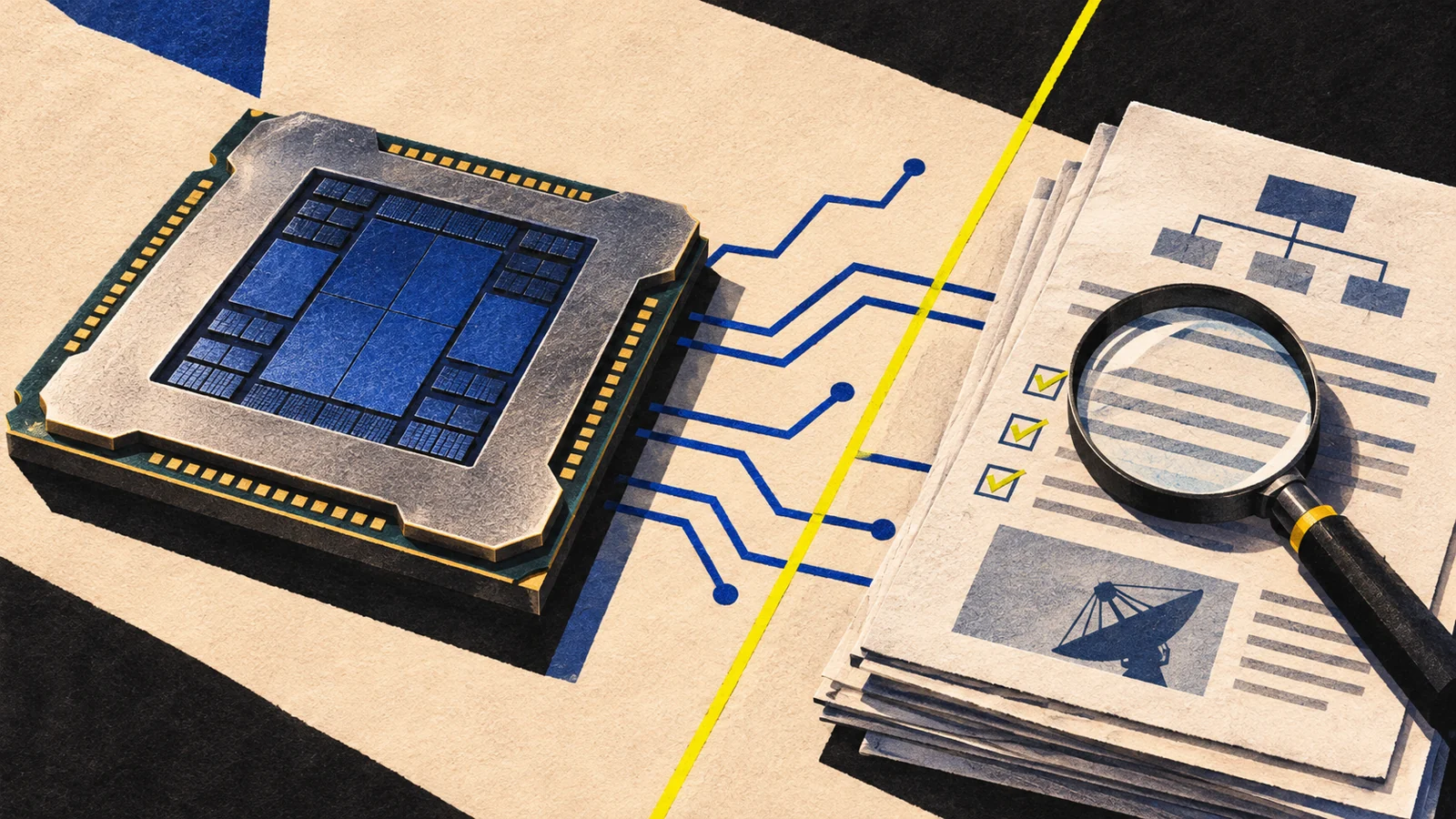
Alphabet’s AI infrastructure spending pushed its free cash flow below zero; a broader tech selloff after Intel and Amazon results is putting the same payback question to the rest of the buildout.