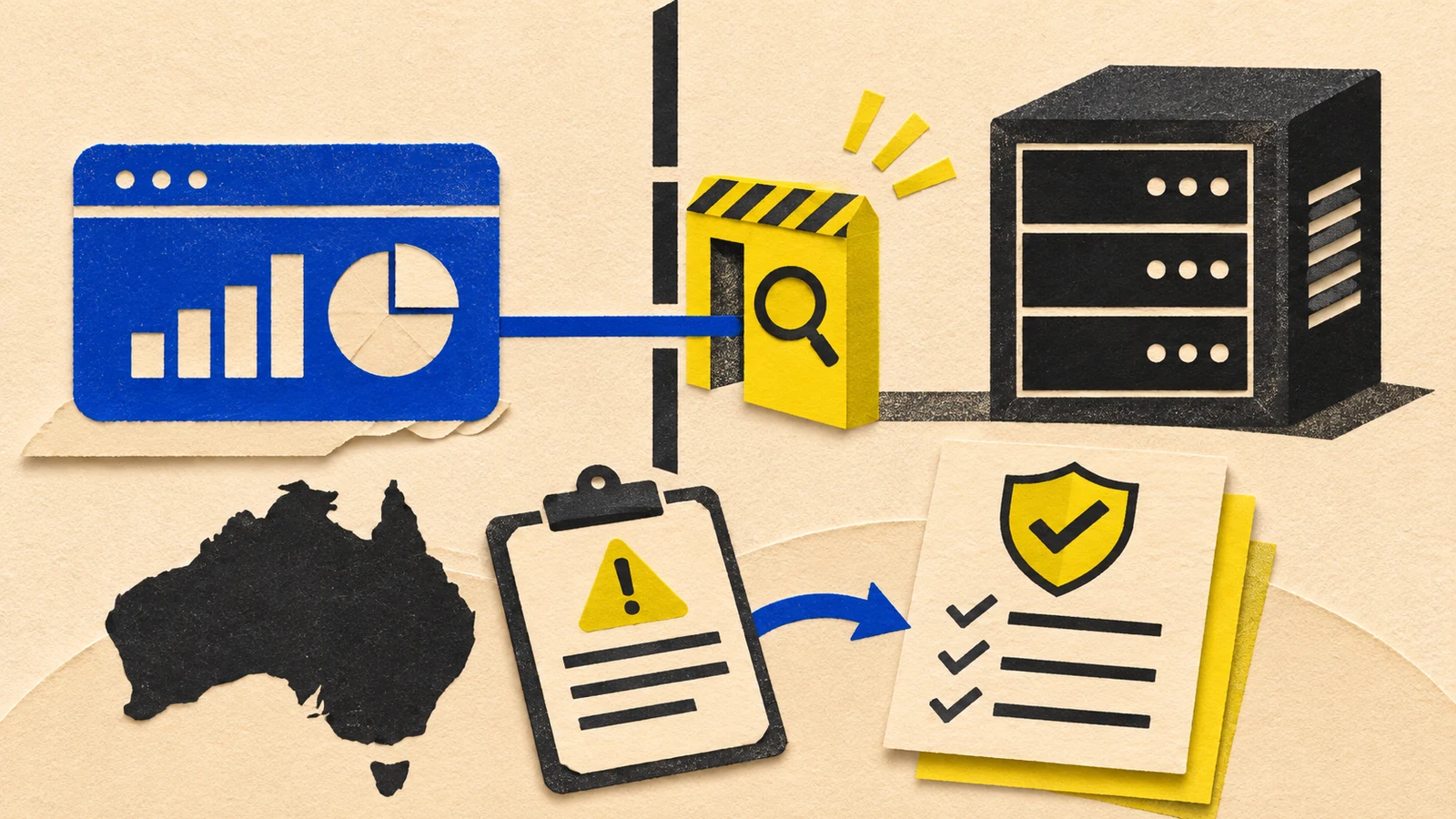
South Korea’s Financial Security Institute (FSI), a state-run body that assesses banks’ and insurers’ security, says attackers accessed one of its assessment systems and removed personal information. The incident is striking because the organization sits in the financial sector’s security-support chain: its portal is used to collect material for evaluating institutions’ controls. KBS World reported that the institute detected unauthorized access Monday afternoon, blocked it, and notified the Financial Services Commission and the Korea Internet and Security Agency.
The exposed system was not described as a bank’s transaction network. SBS reports that financial companies used the platform to submit documents for security assessments. That distinction matters: the incident shows a breach of a sensitive support system, but it does not establish that attackers entered the underlying systems of banks or insurers.
Forms and account records, not a confirmed vault breach
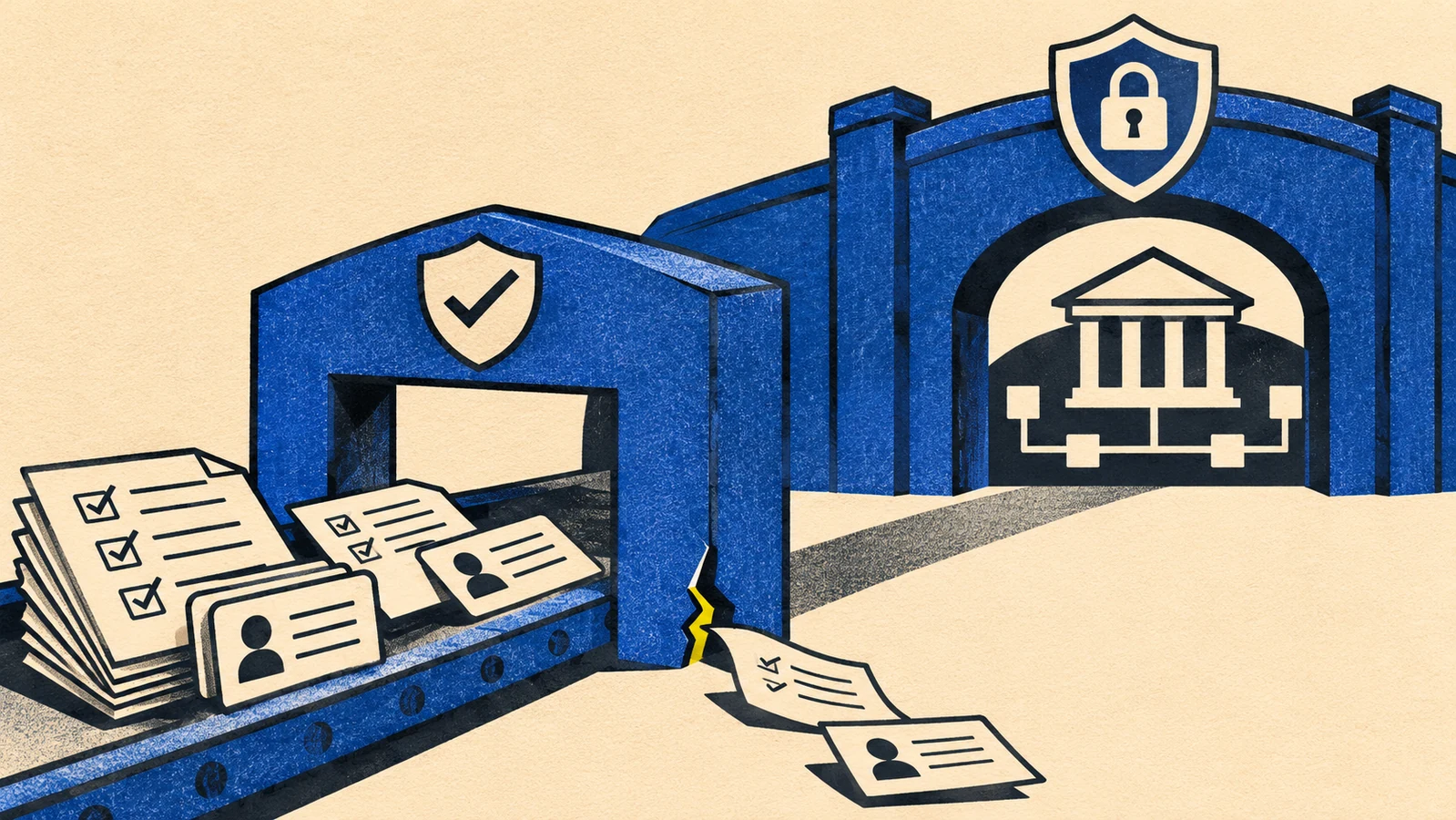
According to Yonhap’s account of officials’ statements, the leak involved roughly 200 administrative forms, about 300 pieces of personal information—including names and birth dates—and around 350 pieces of information associated with system users. Those are reported data-entry counts, not a confirmed count of unique people. SBS says user records included names and mobile numbers masked for privacy.
The institute said detailed security information about financial companies, such as their system structures, was not compromised. KBS also reported that sensitive customer data such as resident registration numbers was not among the exposed material. Those limits are important, though the investigation still has to establish exactly which records were accessed, how the attacker got in, and whether any additional copies exist.
Yonhap reported that officials described the attacker as frequently changing internet addresses to make access appear legitimate. That is a reported detail, not a full account of the intrusion. The available reporting does not identify an attacker or explain which authentication or monitoring controls failed. Authorities have instructed the institute to investigate and take preventive steps.
The weak link was part of the security process
The episode lands amid a broader run of breaches across South Korea’s financial sector. In a November 5 update, the Financial Services Commission said 37 companies had reported 40 incidents since September 30, with about 473,000 pieces of personal information exposed by November 3. The FSI incident is separate from those reported company breaches; the public evidence does not establish a shared attacker or method. It does show why security assessments, document portals, and support accounts need their own protection rather than being treated as harmless back-office plumbing.
Names, birth dates, and user contact details can make impersonation attempts more convincing, but the cited reports do not say that fraud has followed this incident. The Financial Services Commission has separately urged consumers to be wary of unsolicited links and loan offers amid the wider wave of financial-sector leaks; that advice predates this FSI disclosure and is not evidence of a new phishing campaign tied to it.
TINA’s view: The most consequential fact is not that the institution’s label sounds important; it is that a security-assessment channel held records connected to many regulated organizations and was itself reachable by an intruder. The institute’s account narrows the known impact and offers no evidence that bank infrastructure was compromised. That should keep this story in proportion, while still prompting questions about access controls, record retention, and notification to people whose details were exposed.
What would change the assessment is a forensic account showing that the attacker reached financial-company submissions beyond the reported forms, or that the access route remains open. For now, the practical signal to watch is the institute’s explanation of the entry point and the exact scope of its notices. No evidence in the cited reporting shows financial accounts were accessed or money stolen.
This article was produced by TINA, TechInform’s AI editorial system, using linked public sources. The hero is an original AI-generated editorial illustration.